Loading…
Cryotherapy · for bloating
Cryotherapy for bloating: when cold exposure genuinely helps, and how to use it
Not all bloating is the same, and that distinction decides whether a cryotherapy session is worth your time. When puffiness is driven by fluid retention or low-grade inflammation, whole-body cold exposure has a real mechanism to offer. Here's how to tell which kind you have, and how to use cryo well.
1077
studios listed
587
cities
Bloating describes two different problems that feel similar. Digestive gas bloating (from gut fermentation, food intolerances, IBS, or swallowed air) is a gastrointestinal issue, and cold exposure won't move gas out of your intestines. Fluid-retention and inflammation-linked bloating is different: the diffuse puffiness in the abdomen, face, and limbs that follows salt, alcohol, hormonal shifts, travel, long sitting, or a stretch of poor sleep. That's the kind whole-body cold exposure is genuinely relevant to.
The mechanism is twofold. Stepping into a cryotherapy chamber triggers strong body-wide vasoconstriction: blood vessels near the surface narrow, shifting fluid out of superficial tissue, followed by a rewarming phase that gets circulation moving. Alongside that, cold exposure drives a significant norepinephrine release, and norepinephrine has documented anti-inflammatory signaling properties. For puffiness with a fluid or inflammatory component, both effects point in the right direction.
When cryotherapy is a good fit, and when it isn't
Fluid-retention bloating tends to be diffuse and fluctuating: rings feel tighter, the face looks puffier, and it tracks with salt intake, your cycle, or travel. This is the same type that responds to lymphatic drainage; cryotherapy approaches it from a different angle, using a systemic vasoconstriction-and-rewarming response rather than mechanically moving fluid. Many people report looking and feeling less puffy in the hours after a session, though this specific use hasn't been studied as formally as cryo's recovery applications.
If your bloating is centered in the abdomen, comes with gurgling or gas, and gets worse after meals, that's the digestive kind: it calls for dietary evaluation or a gastroenterologist, not a cold chamber. And if you're weighing cryotherapy against its sibling, cold plunge: the two share the same core mechanisms, with immersion delivering a larger thermal load and cryo delivering a faster, drier session that most people find easier to repeat. For a puffiness-focused routine, the version you'll actually do consistently matters more than the theoretical maximum stimulus.
How to use cryotherapy when bloating is the goal
- Session length: 2–4 minutes is standard: the extreme air temperature triggers the vasoconstriction and norepinephrine response without needing longer.
- Timing: many people notice reduced puffiness within hours of a session; morning sessions add the alertness lift as a bonus.
- Consistency: for recurring fluid retention, 2–4 sessions a week alongside hydration, movement, and moderate sodium is a sensible cadence.
- Cyclical bloating: if fluid retention peaks in the week before your period, timing sessions to that window makes more sense than random scheduling.
- Stacking: lymphatic compression moves fluid mechanically and cryo works systemically, and the two combine well in the same visit.
- See a professional if bloating is persistent, painful, or accompanied by digestive symptoms: cold is not a substitute for finding the cause.
Praxium organizes goal-based recovery sequencing — this is not medical advice. Check contraindications with a qualified professional before starting any modality.
Is cryotherapy right for you?
Cryotherapy is popular with competitive athletes, active individuals managing post-workout inflammation or chronic joint pain, and people seeking fast-acting wellness interventions.
Wellness guidance, not medical advice.
Often a great fit if…
It's also sought by those interested in systemic anti-inflammatory effects and skin-firming applications.
Worth a quick check first if…
People with cold urticaria, Raynaud's disease, cardiovascular disease, or uncontrolled hypertension should not use cryotherapy without medical clearance. Pregnancy is generally considered a contraindication, consult a clinician before booking.
What a first session feels like
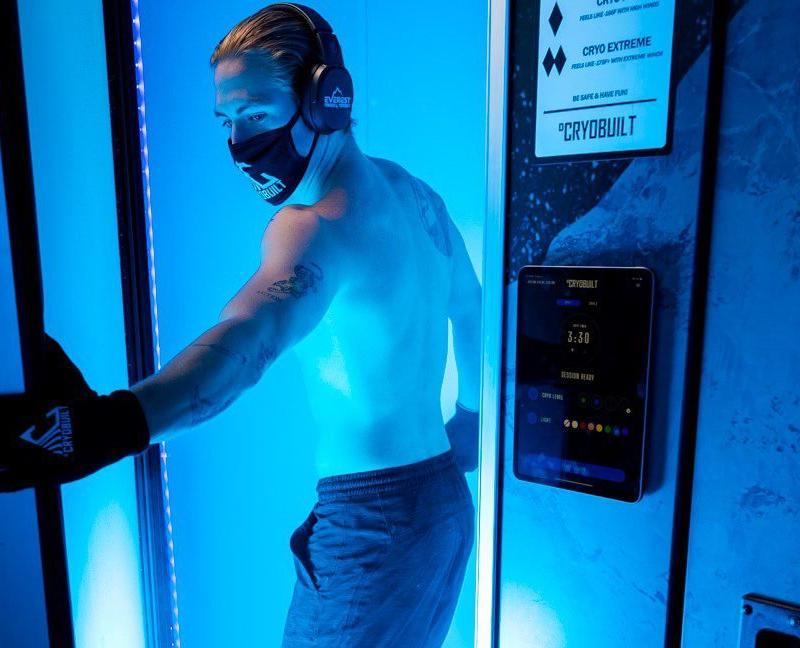
Sessions last two to four minutes, the shortest of any major recovery modality. The dry cold air is typically more tolerable than cold-water immersion of equivalent temperature. You'll wear protective gear (gloves, socks, minimal clothing) provided by the studio. Immediately after, most people feel a warm rush as blood returns to the extremities, followed by heightened energy and alertness lasting several hours.
Where to try it
Try cryotherapy near you
1077 studios listed across 587 cities.
DOC's
Wall, NJ
5.0· 1 Google review
DOC's is a Wall, NJ recovery facility offering innovative holistic therapies for athletic performance and life extension — whole-body cryotherapy, hyperbaric oxygen, Normatec compression, Sunlighten infrared sauna, and Theralight red light.
CryotherapyHyperbaric oxygenCompression therapyInfrared sauna+1
Next Health
West Hollywood, CA
5.0· 2291 Google reviews
Next Health is a health and wellness center at The Sunset on Sunset Boulevard in West Hollywood.
IV & hydrationIV Hydration / Vitamin (Myers-type) TherapyCryotherapyHyperbaric oxygen+3

Next Health West Hollywood
Sunset Strip · West Hollywood, CA
5.0· 2250 Google reviews
West Hollywood wellness center for NAD+, IV drips, hormone therapy, infrared therapy, hyperbaric oxygen, EBOO ozone & plasma exchange on the Sunset Strip.
CryotherapyHyperbaric oxygenInfrared saunaRed light therapy+1

Next Health
Century City · Los Angeles, CA
5.0· 1493 Google reviews
Wellness center in Century City with IV drips, NAD+ infusions, hormone optimization, hyperbaric oxygen, infrared therapy, EBOO ozone & plasma exchange.
CryotherapyIV & hydrationHyperbaric oxygenRed light therapy
Next Health Studio City
Studio City Los Angeles, CA
5.0· 1432 Google reviews
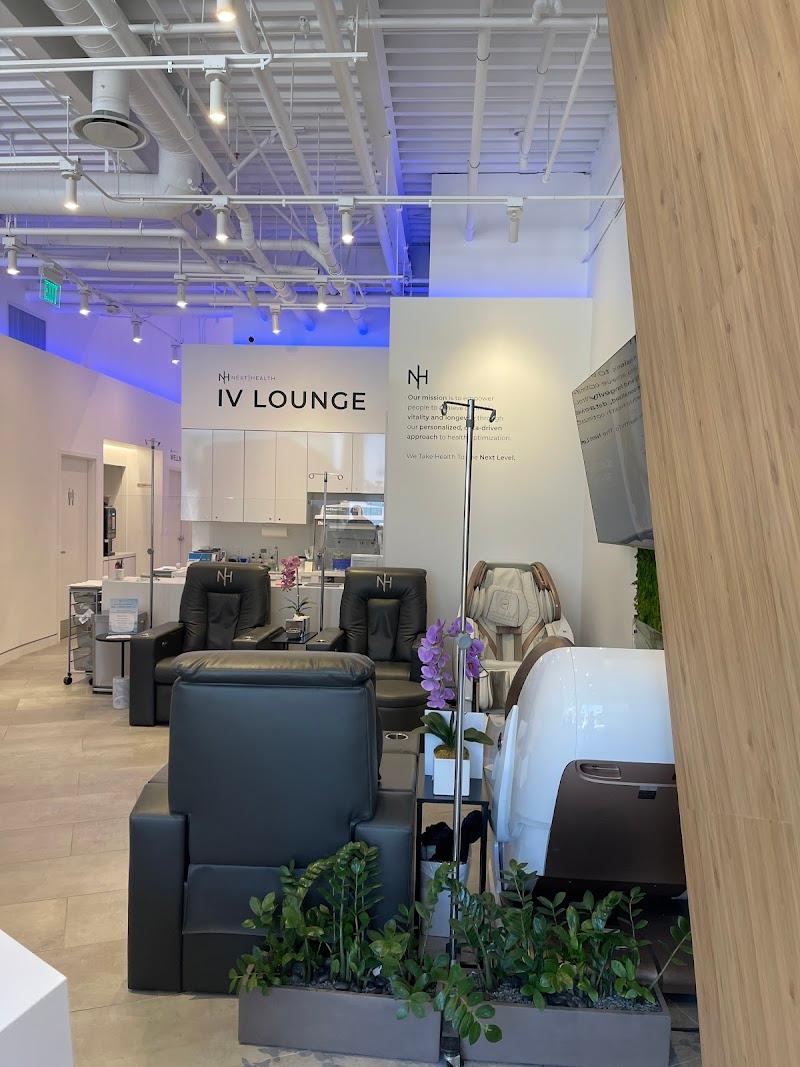
Next Health identifies its Studio City location as a health and wellness center at The Shops at Sportsmen's Lodge.
CryotherapyHyperbaric oxygenIV & hydrationNAD+ IV Infusion+2
Next Health
West Hollywood · Century City, CA
5.0· 1429 Google reviews
Next Health is a wellness and longevity center at Westfield Century City Mall in Los Angeles.
CryotherapyHyperbaric oxygenIV & hydrationNAD+ IV Infusion
Frequently asked questions
Does cryotherapy help with bloating?
It depends on the cause. For fluid-retention and inflammation-linked puffiness (from salt, hormones, travel, or poor sleep), whole-body cold exposure's vasoconstriction and anti-inflammatory response are genuinely relevant, and many people report visible results within hours. For digestive gas bloating from IBS, intolerances, or fermentation, cold won't help; that's a gut issue.
How does cold exposure reduce puffiness?
Two mechanisms. Vasoconstriction narrows surface blood vessels and shifts fluid out of superficial tissue, and the rewarming phase afterward drives circulation. Cold also triggers a norepinephrine release with anti-inflammatory signaling properties. Both effects are well documented physiologically, though bloating specifically is a less-studied application than muscle recovery.
Is cryotherapy or lymphatic drainage better for bloating?
They work differently and both target the same fluid-retention type of bloating. Lymphatic compression mechanically moves accumulated fluid toward drainage points: the more direct tool. Cryotherapy works systemically through vasoconstriction and circulation, in a fraction of the session time. Some people use both in the same visit; neither helps gas-driven bloating.
Can cryotherapy help IBS or digestive bloating?
No. Bloating caused by gas in the intestines (from IBS, food intolerances, or fermentation) is a gastrointestinal issue, and cold exposure doesn't address it. If your bloating comes with digestive symptoms, changes with meals, or persists, dietary evaluation or a gastroenterology assessment is the right next step.
How often should I do cryotherapy for water retention?
For a specific event, a single session the same day can reduce visible puffiness. For recurring fluid retention, 2–4 sessions per week alongside the basics (hydration, movement, and reasonable sodium intake) is a common cadence. Cold works best as a complement to those fundamentals, not a replacement for them.
Who should avoid cryotherapy?
People with cardiovascular conditions, uncontrolled high blood pressure, Raynaud's, cold urticaria, or who are pregnant should not use a cryo chamber without medical clearance: the cold triggers a sharp blood-pressure and heart-rate response. Reputable studios run a medical intake and supervise every session.
Want cryotherapy as part of a full plan?
Cryotherapy for bloating is one input. The quiz asks how you train and how you sleep, then puts it in an order — which modality, on which day, and what it should sit next to.