Loading…
Cryotherapy · for muscle recovery
Cryotherapy for muscle recovery: three cold minutes, used well
Muscle recovery is whole-body cryotherapy's strongest use case. A 2–4 minute chamber session delivers the cold stimulus athletes use to manage soreness, without the wet gear, the long soak, or the willpower battle of an ice bath. Here's how it works and how to time it.
1077
studios listed
587
cities
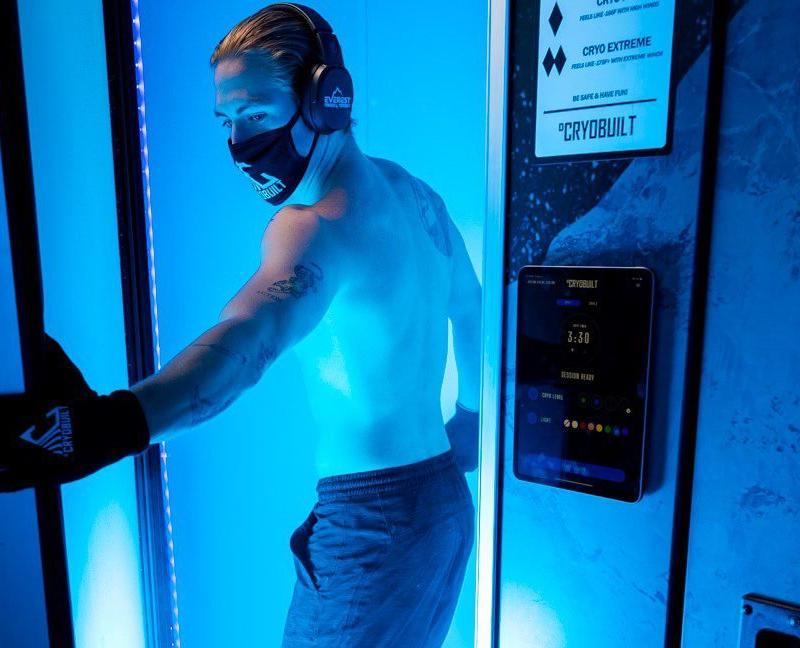
Hard training leaves muscle fibers with microtears and floods the surrounding tissue with inflammatory signals: the soreness, stiffness, and reduced range of motion of DOMS. Cold addresses the symptoms: vasoconstriction limits fluid accumulation in the tissue and blunts the acute pain response, and the rewarming phase afterward drives fresh circulation back through the muscles. A cryotherapy chamber delivers that stimulus with extremely cold dry air over 2–4 minutes.
An honest note on the evidence: much of the published cold-and-recovery research used water immersion, and because water conducts heat far faster than air, a plunge delivers a larger total thermal load. Cryotherapy shares the core mechanisms (vasoconstriction and a strong norepinephrine release), and the research on whole-body cryo itself, while a smaller literature, points in the same direction on reduced soreness and perceived recovery. What cryo gives up in thermal dose it returns in speed and repeatability, and for a recovery habit, the sessions you actually complete are the ones that count.
When to time it, and when to skip it
The clearest use case is rapid turnaround: when your next session, game, or event is within 24–48 hours, cold soon after the effort reduces soreness in the window where recovery speed matters more than anything else. This is when a 2–4 minute cryo session earns its place: it fits into a post-training routine without adding another half hour.
Two timing cautions carry over from cold exposure generally. Don't use cold right before strength or power work: cold tissue produces less force. And if maximizing muscle growth is the priority, be conservative about cold immediately after lifting: research on immersion suggests it may dampen the inflammatory signals that drive adaptation. Whether a brief air-based session has the same effect is less established, but the cautious play is the same: save cryo for rest days, or leave several hours between lifting and the chamber during a hypertrophy phase.
A practical cryo recovery protocol
- Duration: 2–4 minutes per session: chambers are cold enough that longer adds risk, not benefit, and studios supervise time limits.
- Timing: within the first few hours after training when a fast turnaround matters; on hypertrophy-focused lifting days, wait several hours or use a rest day.
- Frequency: 2–4 sessions a week, aligned with your hardest training days.
- Never immediately before explosive or strength work: cold blunts power output.
- Use the speed: door to door in under ten minutes, no wet gear, no rewarming shivers afterward, which is why many athletes keep the habit going.
- Stack: compression boots or red light therapy after cryo is a common studio pairing for leg-heavy training blocks.
Praxium organizes goal-based recovery sequencing — this is not medical advice. Check contraindications with a qualified professional before starting any modality.
Is cryotherapy right for you?
Cryotherapy is popular with competitive athletes, active individuals managing post-workout inflammation or chronic joint pain, and people seeking fast-acting wellness interventions.
Wellness guidance, not medical advice.
Often a great fit if…
It's also sought by those interested in systemic anti-inflammatory effects and skin-firming applications.
Worth a quick check first if…
People with cold urticaria, Raynaud's disease, cardiovascular disease, or uncontrolled hypertension should not use cryotherapy without medical clearance. Pregnancy is generally considered a contraindication, consult a clinician before booking.
What a first session feels like
Sessions last two to four minutes, the shortest of any major recovery modality. The dry cold air is typically more tolerable than cold-water immersion of equivalent temperature. You'll wear protective gear (gloves, socks, minimal clothing) provided by the studio. Immediately after, most people feel a warm rush as blood returns to the extremities, followed by heightened energy and alertness lasting several hours.
Where to try it
Try cryotherapy near you
1077 studios listed across 587 cities.
DOC's
Wall, NJ
5.0· 1 Google review
DOC's is a Wall, NJ recovery facility offering innovative holistic therapies for athletic performance and life extension — whole-body cryotherapy, hyperbaric oxygen, Normatec compression, Sunlighten infrared sauna, and Theralight red light.
CryotherapyHyperbaric oxygenCompression therapyInfrared sauna+1
Next Health
West Hollywood, CA
5.0· 2291 Google reviews
Next Health is a health and wellness center at The Sunset on Sunset Boulevard in West Hollywood.
IV & hydrationIV Hydration / Vitamin (Myers-type) TherapyCryotherapyHyperbaric oxygen+3

Next Health West Hollywood
Sunset Strip · West Hollywood, CA
5.0· 2250 Google reviews
West Hollywood wellness center for NAD+, IV drips, hormone therapy, infrared therapy, hyperbaric oxygen, EBOO ozone & plasma exchange on the Sunset Strip.
CryotherapyHyperbaric oxygenInfrared saunaRed light therapy+1

Next Health
Century City · Los Angeles, CA
5.0· 1493 Google reviews
Wellness center in Century City with IV drips, NAD+ infusions, hormone optimization, hyperbaric oxygen, infrared therapy, EBOO ozone & plasma exchange.
CryotherapyIV & hydrationHyperbaric oxygenRed light therapy
Next Health Studio City
Studio City Los Angeles, CA
5.0· 1432 Google reviews
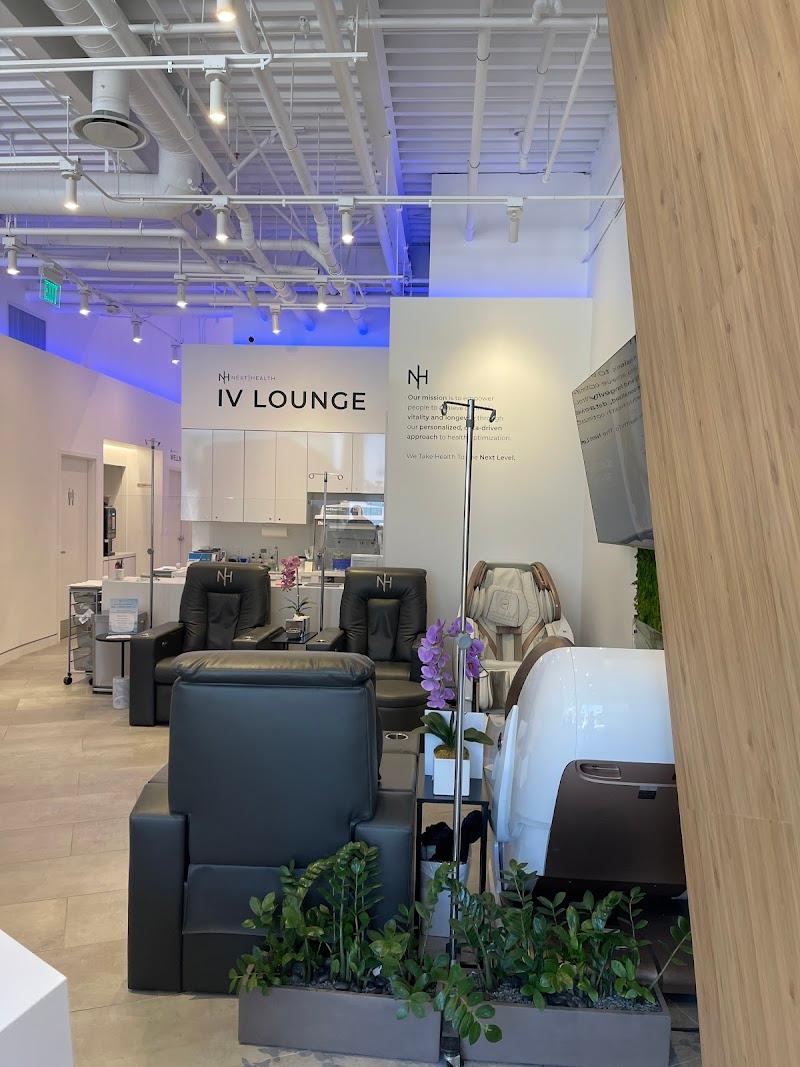
Next Health identifies its Studio City location as a health and wellness center at The Shops at Sportsmen's Lodge.
CryotherapyHyperbaric oxygenIV & hydrationNAD+ IV Infusion+2
Next Health
West Hollywood · Century City, CA
5.0· 1429 Google reviews
Next Health is a wellness and longevity center at Westfield Century City Mall in Los Angeles.
CryotherapyHyperbaric oxygenIV & hydrationNAD+ IV Infusion
Frequently asked questions
Does cryotherapy help with sore muscles?
Yes: cold exposure reliably reduces the severity of delayed-onset muscle soreness, and whole-body cryotherapy is one of the fastest ways to get that stimulus. It's symptom management rather than faster tissue repair, which is exactly what you want when another training session or event is coming soon.
Is cryotherapy or a cold plunge better for muscle recovery?
They share the same core mechanisms. A cold plunge delivers a larger thermal load (water conducts heat far faster than air) and has the bigger research base. Cryotherapy delivers its stimulus in 2–4 dry minutes and is easier for most people to tolerate and repeat. If you'll do both consistently, the plunge is the stronger single stimulus; if the plunge keeps getting skipped, cryo is the better real-world tool.
Should I do cryotherapy before or after a workout?
After. Cold immediately before training (especially strength or explosive work) reduces muscle force output. Post-training, cryo fits best when you need to feel fresh again quickly. The one exception to 'right after' is heavy lifting during a muscle-building phase, where waiting several hours is the conservative choice.
Does cryotherapy blunt muscle growth?
The concern comes from cold-water immersion research suggesting that cold immediately after lifting may dampen the adaptive signals behind hypertrophy. Whether a brief air-based cryo session has the same effect is less established. If muscle growth is your priority, the cautious approach is to use cryo on rest days or several hours after lifting rather than right after.
How often should I do cryotherapy for recovery?
Two to four sessions a week, aligned with your hardest training days, is a common cadence. Daily use is generally tolerated by healthy people, but the returns diminish, so matching cryo to the days you actually need faster turnaround is the better use of sessions.
How long is a cryotherapy session?
Two to four minutes in the chamber, and usually under ten minutes door to door. The air is extremely cold but dry, which is why most first-timers find it more manageable than they expect, and why the habit tends to stick better than longer, wetter cold protocols.
Want cryotherapy as part of a full plan?
Cryotherapy for muscle recovery is one input. The quiz asks how you train and how you sleep, then puts it in an order — which modality, on which day, and what it should sit next to.