Loading…
Cryotherapy · for inflammation
Cryotherapy for inflammation: what two to four freezing minutes actually do
Whole-body cryotherapy compresses the anti-inflammatory logic of cold exposure into a session shorter than most warm-ups. For acute, exercise-driven inflammation it's a genuinely useful tool. Here's the mechanism, the honest limits, and how studios sequence it with everything else.
1077
studios listed
587
cities
As with any cold modality, the type of inflammation matters. Acute inflammation (the swelling, heat, and soreness after an injury or a hard session) is the body's repair crew arriving, and it's the kind cold addresses most directly. Chronic low-grade systemic inflammation is a background simmer driven by sleep, stress, diet, and metabolic health; no cold chamber fixes those inputs.
For acute inflammation, the mechanism is straightforward and fast. The extreme cold of the chamber triggers body-wide vasoconstriction within seconds: surface blood vessels narrow, fluid accumulation in stressed tissue is limited, and the local concentration of inflammatory mediators drops. It's the same principle as ice on a sprained ankle, applied to the whole body at once. Because the air is so cold, the response doesn't need more than a few minutes to trigger.
The norepinephrine response
The second mechanism runs through the nervous system. The temperature differential in a cryo chamber is severe enough that even a 2–4 minute session drives a substantial norepinephrine release. Norepinephrine has documented anti-inflammatory signaling properties (it suppresses the production of certain pro-inflammatory cytokines) and it's also responsible for the alert, elevated feeling most people carry out of the chamber, which is a real part of why the habit sticks.
The honest boundary: this is the same mechanism cold plunge relies on, and immersion delivers a larger thermal dose with a more established research base; cryo trades some stimulus for speed and tolerability. And for chronic inflammatory conditions like arthritis or autoimmune disease, cold offers temporary symptom relief, not disease treatment. Anyone managing a diagnosed condition should treat cryotherapy as a complement to their physician's plan, not an alternative.
How studios sequence it
- Post-training: cryo first for the acute anti-inflammatory hit, then compression boots or red light therapy, a common recovery-room sequence.
- Standalone: because a full visit runs under ten minutes, many members use cryo on days they can't fit anything longer.
- With heat: cryo and sauna on the same day is a legitimate pairing: order by the after-feel you want, energized (end cold) or relaxed (end warm).
- Time of day: the norepinephrine response is alerting, so cryo suits mornings and pre-afternoon slumps, not the hour before bed.
- Frequency: 2–4 sessions a week is typical for training-related inflammation.
- Contraindications: cardiovascular conditions, uncontrolled blood pressure, Raynaud's, cold urticaria, pregnancy: complete the studio's medical intake honestly.
Praxium organizes goal-based recovery sequencing — this is not medical advice. Check contraindications with a qualified professional before starting any modality.
Is cryotherapy right for you?
Cryotherapy is popular with competitive athletes, active individuals managing post-workout inflammation or chronic joint pain, and people seeking fast-acting wellness interventions.
Wellness guidance, not medical advice.
Often a great fit if…
It's also sought by those interested in systemic anti-inflammatory effects and skin-firming applications.
Worth a quick check first if…
People with cold urticaria, Raynaud's disease, cardiovascular disease, or uncontrolled hypertension should not use cryotherapy without medical clearance. Pregnancy is generally considered a contraindication, consult a clinician before booking.
What a first session feels like
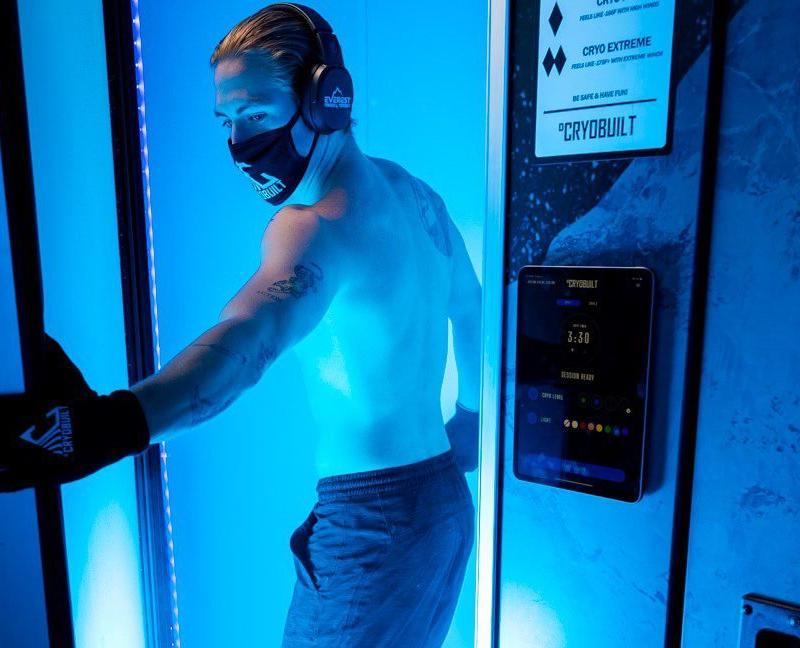
Sessions last two to four minutes, the shortest of any major recovery modality. The dry cold air is typically more tolerable than cold-water immersion of equivalent temperature. You'll wear protective gear (gloves, socks, minimal clothing) provided by the studio. Immediately after, most people feel a warm rush as blood returns to the extremities, followed by heightened energy and alertness lasting several hours.
Where to try it
Try cryotherapy near you
1077 studios listed across 587 cities.
DOC's
Wall, NJ
5.0· 1 Google review
DOC's is a Wall, NJ recovery facility offering innovative holistic therapies for athletic performance and life extension — whole-body cryotherapy, hyperbaric oxygen, Normatec compression, Sunlighten infrared sauna, and Theralight red light.
CryotherapyHyperbaric oxygenCompression therapyInfrared sauna+1
Next Health
West Hollywood, CA
5.0· 2291 Google reviews
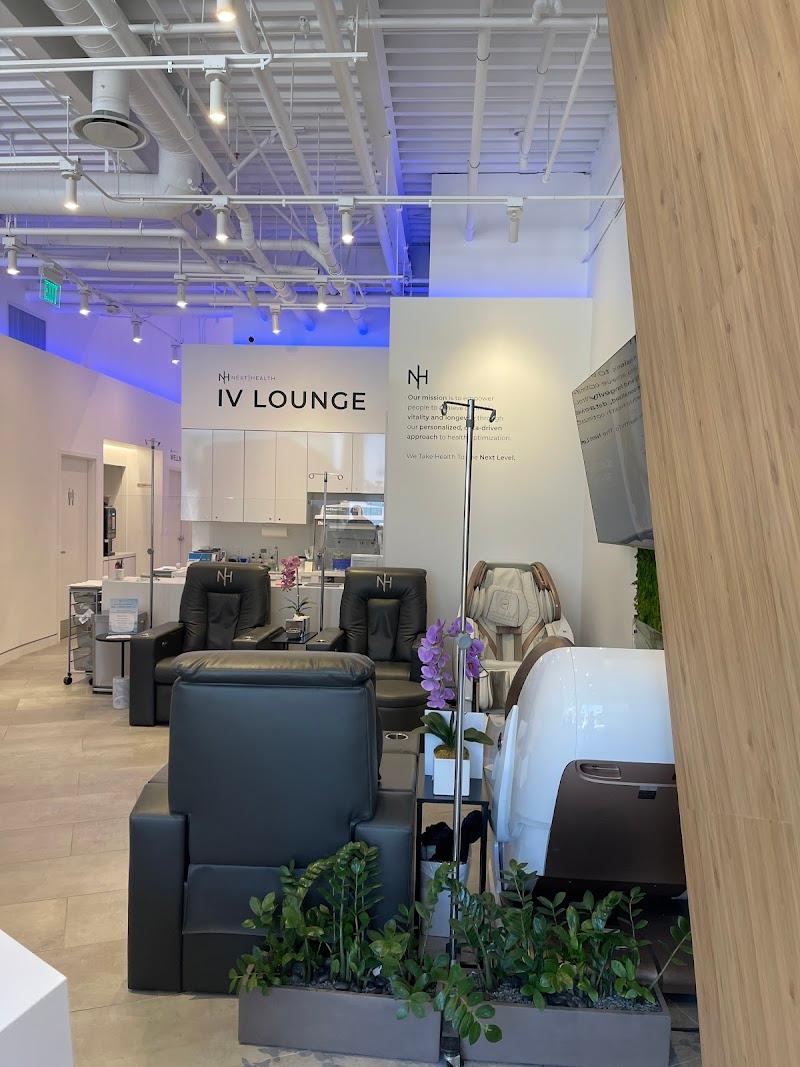
Next Health is a health and wellness center at The Sunset on Sunset Boulevard in West Hollywood.
IV & hydrationIV Hydration / Vitamin (Myers-type) TherapyCryotherapyHyperbaric oxygen+3

Next Health West Hollywood
Sunset Strip · West Hollywood, CA
5.0· 2250 Google reviews
West Hollywood wellness center for NAD+, IV drips, hormone therapy, infrared therapy, hyperbaric oxygen, EBOO ozone & plasma exchange on the Sunset Strip.
CryotherapyHyperbaric oxygenInfrared saunaRed light therapy+1

Next Health
Century City · Los Angeles, CA
5.0· 1493 Google reviews
Wellness center in Century City with IV drips, NAD+ infusions, hormone optimization, hyperbaric oxygen, infrared therapy, EBOO ozone & plasma exchange.
CryotherapyIV & hydrationHyperbaric oxygenRed light therapy
Next Health Studio City
Studio City Los Angeles, CA
5.0· 1432 Google reviews
Next Health identifies its Studio City location as a health and wellness center at The Shops at Sportsmen's Lodge.
CryotherapyHyperbaric oxygenIV & hydrationNAD+ IV Infusion+2
Next Health
West Hollywood · Century City, CA
5.0· 1429 Google reviews
Next Health is a wellness and longevity center at Westfield Century City Mall in Los Angeles.
CryotherapyHyperbaric oxygenIV & hydrationNAD+ IV Infusion
Frequently asked questions
Does cryotherapy reduce inflammation?
For acute inflammation (post-training soreness, swelling, minor strains), yes: body-wide vasoconstriction limits fluid accumulation and inflammatory mediator concentration, and the norepinephrine release adds an anti-inflammatory signaling effect. For chronic systemic inflammation, cold is at best a complement; the drivers there are sleep, stress, diet, and underlying conditions.
Is cryotherapy or cold plunge better for inflammation?
They work through the same mechanisms: vasoconstriction and norepinephrine. Immersion delivers a larger thermal dose and has the bigger research base; cryotherapy delivers its stimulus in 2–4 dry minutes that most people find easier to tolerate and repeat. Both are legitimate; the better one is the one that fits your schedule and tolerance well enough to be consistent.
How fast does cryotherapy work on inflammation?
Vasoconstriction begins within seconds of entering the chamber, and most people notice reduced soreness and swelling within hours of a session, which is why it's often used the same day as hard training. The alertness lift from norepinephrine is immediate.
Can cryotherapy help with arthritis?
Cold can temporarily ease joint pain and swelling, and some people with arthritis find regular sessions help them manage symptoms. It's relief, not treatment: cryotherapy doesn't modify the disease, and anyone with arthritis or an autoimmune condition should use it alongside, not instead of, their physician's management plan.
How often should I do cryotherapy for inflammation?
For training-related inflammation, 2–4 sessions a week aligned with your hardest days is a common cadence. Using it the same day as the effort captures the acute window where cold does its clearest work.
Why are cryotherapy sessions only 2–4 minutes?
The chamber air is extremely cold, but air transfers heat slowly: that's what makes such temperatures tolerable at all. A few minutes is enough to trigger the vasoconstriction and norepinephrine response, and staying longer adds cold-injury risk without adding benefit, which is why studios enforce strict time limits.
Want cryotherapy as part of a full plan?
Cryotherapy for inflammation is one input. The quiz asks how you train and how you sleep, then puts it in an order — which modality, on which day, and what it should sit next to.