Loading…
Recovery guide
How to choose a recovery studio — the checklist that actually matters
The best recovery studio for you is rarely the one with the most machines; it's the one whose cleanliness, staff, and modality mix match what you're actually there to fix. What follows is the first-visit checklist, the questions worth asking out loud, and the red flags that should end a tour early.
On a studio tour, the machines do the selling: a chrome plunge tub, a red-light panel glowing in the corner, maybe a cryo chamber humming behind glass. None of that tells you whether the place is actually good. The things that do tell you are duller: how they maintain the water, how staff answer a real question about the equipment, and whether the modality mix on the floor has anything to do with the problem you walked in with. A membership is a recurring monthly bill for a habit you haven't built yet, and it deserves the same diligence as any other one.
So judge a studio in that order: start from what you need, then check whether this specific business can deliver it cleanly and consistently, then, and only then, look at the price. Everything below follows that sequence.
Start from your goal, not the menu
A studio with twelve modalities isn't twelve times more useful than one with three; it's a business subsidizing rarely-used equipment with your membership fee. Before you tour anywhere, get specific about what you're solving for. Chasing better sleep or lower stress points you toward cold plunge and sauna. Chronic muscle soreness from training points toward cold plunge, compression, and maybe contrast therapy. General stiffness and recovery from a desk-bound week points somewhere else entirely. Praxium's goal pages and the recovery matcher exist for exactly this: narrowing 'what should I even be looking for' before you set foot in a lobby.
Once you know your one or two priority modalities, everything else at a given studio becomes a tiebreaker, not a requirement. A studio with a mediocre sauna but an excellent, well-maintained cold plunge beats one with a dozen mid options and none of them dialed in.
The first-visit checklist
This is the part that actually separates a well-run studio from a poorly-run one, and it's almost never about the equipment brand. Water and air handling are the biggest tell: a cold plunge is shared, standing or slow-turnover water, and how a studio filters, sanitizes, and tests it matters more than the tub's temperature readout. You can't verify a filtration system by looking at it, which is exactly why you ask about it directly: a studio that maintains its plunge properly will tell you their process without hesitation (filtration type, sanitizer used, testing frequency); one that gets vague or defensive is telling you something too.
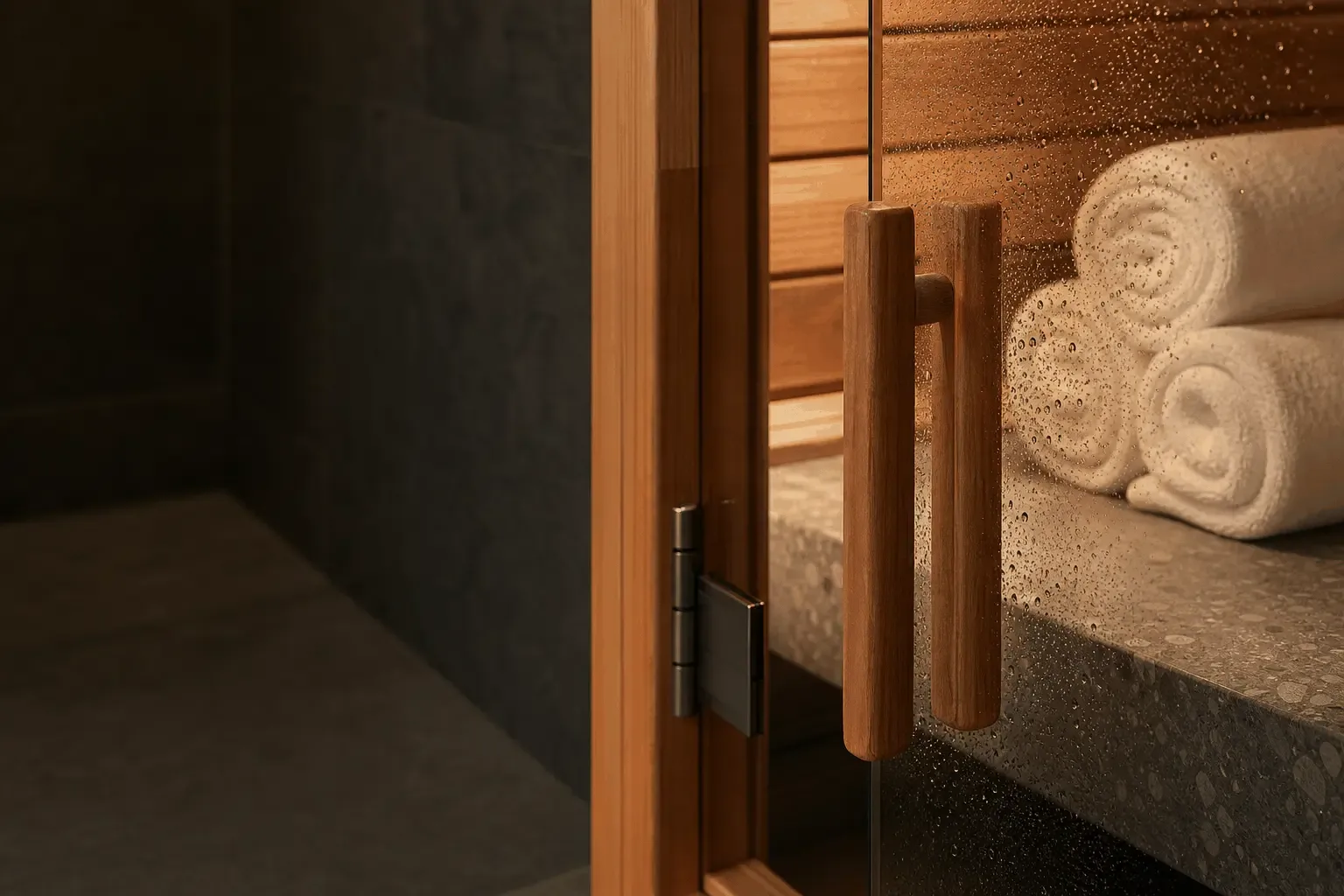
Beyond the water, walk the space with a few concrete questions in mind. Does the sauna smell clean, or does it smell like standing moisture? Are high-touch surfaces (door handles, changing areas, shared towels or robes) visibly maintained between visits? Do staff do any kind of intake or health screening before your first extreme-heat or extreme-cold session, or do they just hand you a towel and a waiver? A studio that asks about blood pressure, pregnancy, or cardiovascular history before your first cold plunge isn't being bureaucratic. Both heat and cold place a real cardiovascular load on the body: the pooled sauna literature is built largely on cardiovascular patient groups[1], and the cold-water meta-analysis records an acute inflammatory and autonomic response in the hour after immersion.[2] Screening is the bare minimum of duty of care.
Staff quality is the other half of this. Ask any staff member why the sauna runs at the temperature it does, or how long a typical cold-plunge session should be for a beginner, and listen for whether they can explain the reasoning or just recite a number off a laminated card. The former means someone trained them properly; the latter means you're on your own once you have a real question.
Decoding membership pricing
Most studios offer some combination of a drop-in or day-pass rate, a class or credit pack, and an unlimited or tiered monthly membership, and the right one depends entirely on how often you'll honestly show up, not how often you plan to. If you're testing a new modality, start with a day pass or a short intro package before committing to anything recurring; it's the only way to find out if a studio's specific plunge, sauna, or staff experience is one you'll actually want to repeat weekly. For the operator-side math behind how these pricing tiers get built, our guide to recovery studio membership pricing breaks down the model. For a local comparison, check each nearby operator's current booking flow and record exactly what the offer includes.
One practical rule: don't let a sign-up discount talk you into a longer commitment than your track record with fitness habits supports. A studio confident in its retention doesn't need to lock you in on day one.
Red flags that should end the tour early
A few signals are worth walking away over, not just noting. Any staff member who frames a modality as a remedy for a diagnosed medical condition, 'this will fix your inflammation' or 'this replaces physical therapy', is overselling equipment that, at best, supports recovery alongside real treatment, not instead of it. Skipping health screening before high-intensity heat or cold exposure is a safety gap, not a convenience. High-pressure sales tactics (a hard push to sign a long-term contract before you've taken a single session, or pricing that's only 'available today') are a business optimizing for the close, not for whether the studio is right for you. And if a direct question about sanitation gets deflected, changed the subject, or answered with marketing language instead of specifics, treat that as an answer in itself.
Questions to ask before you sign
- How do you sanitize and maintain the cold plunge: filtration, sanitizer, and testing frequency?
- Is there any health screening before a first extreme-heat or extreme-cold session?
- What's a realistic beginner protocol here, and will staff walk me through it the first time?
- What happens if I want to pause or cancel a membership, and is that easy or a fight?
- Can I try a single session or short pack before committing to anything recurring?
Frequently asked questions
What should I look for on my first visit to a recovery studio?
Pay closer attention to hygiene and staff than to the equipment lineup: ask how the cold plunge is filtered and sanitized, notice whether high-touch surfaces are visibly maintained, and see whether staff can explain the reasoning behind a protocol rather than just reciting settings. A studio that does a basic health screening before your first extreme-heat or extreme-cold session is showing you real duty of care, not just running you through a waiver.
How much should a recovery studio membership cost?
It varies widely by modality mix, city, and membership structure, so there's no single fair price to anchor on. Compare a studio's day-pass and membership pricing against current offers from similar studios in your area, and price that against your realistic visit frequency rather than the sign-up discount in front of you.
Are recovery studio memberships worth it?
They're worth it if you'll actually use them consistently and the studio's specific modality mix matches what you're trying to solve. The clearest cohort signals in the sauna literature are frequency-dependent, measured across sessions per week over years rather than in any single visit, so a membership only pays back if you actually show up. They're a weaker deal if you're paying for machines you'll rarely touch or if a day pass would cover your realistic usage just as well; test with a single visit or short pack before committing to a recurring plan.
How do I know if a cold plunge is clean and safe?
You can't verify water quality by looking at it, so ask directly: what filtration system they use, what sanitizer, and how often they test the water. A studio maintaining its plunge properly will answer specifically and without hesitation; vague or defensive answers to a direct sanitation question are themselves a warning sign worth taking seriously.
Is it better to join a recovery studio or buy home equipment?
A studio gets you access to commercial-grade equipment, trained staff, and multiple modalities without any of the plumbing, electrical, or maintenance burden of owning it, which is usually the better starting point while you're still figuring out which modalities you'll actually stick with. Home equipment can make sense once you know exactly what you use and how often, since a studio membership only pays for itself if you show up; for context on studio-grade equipment economics, our recovery studio equipment guide covers what that gear actually costs to run.
References
- Clinical Effects of Regular Dry Sauna Bathing: A Systematic Review · Evidence-based Complementary and Alternative Medicine · 2018 · mixedForty clinical studies, 3,855 participants, covering cardiovascular outcomes, blood pressure and pain. Only 13 were randomised, most enrolled fewer than 40 people, and just three were judged at low overall risk of bias.
- Effects of cold-water immersion on health and wellbeing: A systematic review and meta-analysis · PLOS One · 2025 · mixedEleven trials, 3,177 participants. Stress fell 12 hours after immersion (SMD −1.00) but showed no change immediately, at 1, 24 or 48 hours; inflammation rose acutely; sleep-quality gains came only from male-only samples.
What changed
- Updated August 7, 2026: Grounded the health-screening advice in the two reviews that document the cardiovascular load, and rewrote the red-flags section so the page never uses a claim verb it tells readers to distrust.
Keep exploring
Related modalities
Related goals
Related guides
Put this guide into practice
Explore local studios or build a goal-based recovery routine.