Loading…
Recovery guide
The beginner's guide to recovery modalities — what each one does and where to start
Every recovery modality is pulling on one of four levers, temperature, pressure, light, or the nervous system. Once you know which lever each machine pulls, choosing where to start stops being guesswork and starts being a budget decision.
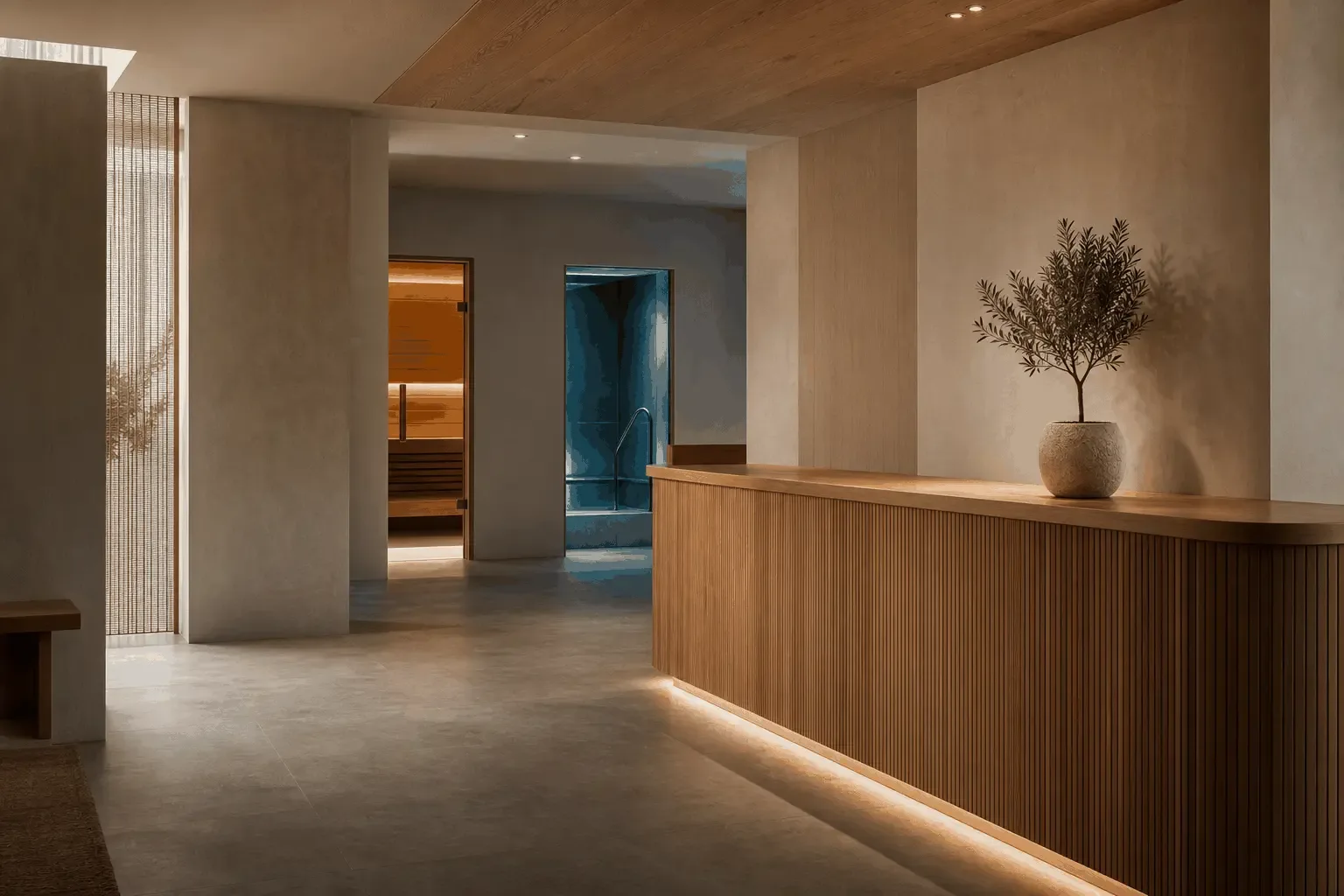
Walk into a modern recovery studio and the menu reads like a spaceship cockpit: plunge, sauna, cryo chamber, compression boots, a bed of red light, a mat that pulses magnetic fields, a tank of body-temperature saltwater. It looks like a dozen unrelated technologies. It isn't. Nearly every one of them is pulling a single lever, temperature, pressure, light, or the nervous system, and once you can name the lever, the whole menu organizes itself. The question stops being "which gadget?" and becomes "which lever, at what price, for what I'm actually here to fix?"
Most of these tools share one underlying idea: they apply a controlled, tolerable dose of stress, and your body adapts to it. A cold plunge, a hot sauna, a firm squeeze, each is a small, survivable challenge that prompts the system to respond and, over repeated exposures, to cope with it a little better. That's the hormesis idea: the right amount of a stressor can leave you more resilient than no stressor at all, in the same way that lifting a weight you can just barely handle is what makes you stronger. Treat that as a useful framing rather than a law: the mechanisms are proposed and studied, not settled, and the dose that helps and the dose that just wears you down are closer together than the marketing suggests.
The nervous system is the through-line for the rest. Your autonomic nervous system runs on two settings you don't consciously control: the sympathetic branch (the gas pedal, alert, activated) and the parasympathetic branch (the brake, calm, recovering). Cold and heat tend to slam the gas pedal first and then let the brake rebound harder afterward; floating and breathwork skip the drama and reach straight for the brake. A lot of what people call "feeling recovered" is really that parasympathetic swing, a real, felt effect, and an individual one, so the same session can leave one person wrung out and another wired.
Two honest caveats before the tour. First, the payoff comes from consistency over weeks, not from any heroic single session. The best modality for you is the one you'll genuinely repeat, not the one with the best story. Second, the evidence behind these levers ranges from solid to barely-there, and we'll flag which is which as we go rather than wave a wand over all of it. The smart first move is almost always the cheapest, best-evidenced lever for your goal, usually heat or cold, before you pay a premium for anything exotic.
Lever 1: Temperature
Thermal stress is the most-used and best-studied lever, which is why most beginners should start here. Cold water immersion, the cold plunge, is the headline act: brief, intense, and consistently linked to a jolt of alertness and mood alongside modest soreness relief. How cold, how long, and how often are the questions that actually decide whether it helps or backfires, and those specifics live in our guide on how often you should cold plunge, which is the one place in this set we spell out the numbers.
Heat is the other half of the lever. A sauna session is mostly a relaxation and cardiovascular-load tool, the kind of gentle, repeatable stress with the deepest research base of anything on this list. Alternate the two and you get contrast therapy, where the thing that actually changes your outcome is what you end on: cold to walk out wired, heat to wind down. The heat protocols and the hot-cold structure are handled in full in our contrast-therapy guide, so we won't restate temperatures or round counts here. And whole-body cryotherapy is the premium cousin, a dry, sub-arctic blast of air that trades the physiological punch of water for a fast, no-wet-hair three minutes. Whether that convenience is worth its price tag is a wallet question, and we take it apart honestly in our cryotherapy cost-benefit guide. One myth to retire now: a colder number on the wall doesn't automatically mean a stronger stimulus.
Lever 2: Pressure and movement
The second lever is mechanical. Instead of stressing tissue with temperature, these tools physically move things around. Pneumatic compression boots inflate in sequence from your feet upward, giving your circulation a hand at clearing fluid back toward your core. Lymphatic compression works the same terrain more gently, and assisted stretch mobilizes joints and muscle through a range you'd struggle to reach on your own. None of these are repairing muscle; they're moving fluid and easing stiffness, and the honest headline is that they help you feel recovered, which, for adherence and for sleep, is worth more than skeptics allow.
Pressure is also the gentlest lever on most menus, with one hard exception: anyone with a suspected blood clot should stay out of compression entirely. The pressure settings, session lengths, and that DVT contraindication are covered properly in our compression-therapy guide. The short version for a beginner is that firm-but-comfortable is the target, and cranking the pressure to maximum doesn't move more fluid past a certain point. A 2024 systematic review of lower-limb pneumatic compression found the muscular-function benefit trivial to small, with a more consistent trivial-to-moderate effect on perceived soreness, real but modest, in line with how we'd frame this lever generally.ove more fluid; it just hurts.
Lever 3: Light and fields
The third lever is the one that most tempts overstatement, so read it with your guard up. Red light therapy shines red and near-infrared light onto (or near) your skin; it's the rare wellness modality with a coherent proposed mechanism at the cellular level, and it has genuine evidence for a few uses, skin is the strongest, a controlled trial found measurable improvements in skin roughness and collagen density with repeated red and near-infrared light versus untreated controls, and much thinner support for most of what it's sold for. The claim-by-claim breakdown is in our red-light evidence review. PEMF mats pulse low-level magnetic fields through tissue; they have one well-established medical use in helping stubborn bone fractures heal, and a long tail of recovery and energy claims that the research doesn't yet back up. We sort the real from the hopeful in the PEMF guide.
Hyperbaric oxygen, breathing oxygen in a pressurized chamber, rounds out this lever. It has legitimate, narrow clinical uses, but the consumer-wellness version marketed for general recovery and longevity rests on thin evidence, and it's the priciest seat in the room. The pattern across this whole lever is worth internalizing: a plausible mechanism gets stretched to cover everything, and a plausible mechanism is not the same thing as a demonstrated result.
Lever 4: Downregulation
The last lever doesn't add a stressor at all; it removes them. Float therapy suspends you in body-temperature, heavily salted water in a dark, quiet tank; with almost no sensory input to process, the nervous system is nudged toward that parasympathetic "brake" state. Halotherapy (salt rooms) sells a similar calm, though its respiratory claims are weak; breathwork and simple, deliberate quiet do the same job with no equipment at all. It sounds too simple to be a real modality, but doing nothing, on purpose, in the dark is a legitimate lever precisely because your nervous system does the work.
One honest flag for this corner of the menu: intravenous "recovery" drips belong in a different category. Rehydration and replacing what you've genuinely lost can make you feel better, but most of what a drip delivers is hydration plus marketing. It isn't training your body to adapt the way the other three levers are, and it carries the risks any needle does. Judge it as convenience, not therapy.
How to build your first month
You don't need the full menu. Pick one anchor lever that matches your goal and that you can realistically get to each week, and build the habit before you add anything. Chasing soreness and general recovery? Start with cold, heat, or the contrast of both, cheap, well-studied, and hard to get wrong. After a workout and want to feel less beaten up? Compression is low-risk and pleasant. Wound tight and sleeping badly? A downregulation lever, float, or even just consistent breathwork, may do more for you than any high-tech panel.
The exotic light-and-field modalities are best treated as experiments you add later, once your anchor habit is stable and you can afford to price them like the coin-flips they are. If you'd rather not sort this by hand, our recovery matcher will map your goal to a lever for you, and a beginner starter-stack protocol lays out a sane first-month sequence. Whatever you choose, resist the urge to do everything in one visit, see the FAQ below on why more machines per session isn't more recovery.
How to read the evidence like we do
Every guide in this set grades its claims with the same plain vocabulary, and it's worth carrying with you. "Supported" means multiple decent studies point the same way: sauna's cardiovascular associations and red light for skin sit here. "Mixed" means the research is real but the findings pull in different directions or depend heavily on dose: much of the muscle-recovery literature lives here. "Thin" means the claim rests on a handful of small studies, a plausible mechanism, or marketing dressed up as science. A lot of the whole-body and systemic claims land here, and we say so out loud.
That honesty is the whole point of these guides. A modality being under-studied doesn't make it worthless, and a good mechanism doesn't make the outcome certain. Both can be true at once, and a beginner deserves to be told which is which before paying for a package. Read each spoke guide for its lever, weigh the evidence against what the session actually costs you, and start with the cheap, sure thing. You can always add the exotic lever later.
Frequently asked questions
What is the best recovery modality for beginners?
For most beginners the best starting point is a thermal one, a cold plunge, a sauna, or the contrast of both, because it's inexpensive, has the deepest research base, and is hard to get badly wrong. Match the lever to your goal rather than to the hype: cold and heat for general recovery and mood, compression if you mainly want to feel less sore after training, and a downregulation tool like a float if stress and sleep are the real problem. The single best modality is the one you'll actually repeat every week.
What order should you do recovery modalities in at a studio?
A common and sensible sequence is to warm and loosen tissue first, do any active or pressure-based work in the middle, and use temperature to set your desired end state. Because the nervous system rebounds toward whatever you finish on, end on cold when you want to leave alert and end on heat when you want to wind down. There's no single correct order, though: sequencing matters most for contrast therapy, which our contrast-therapy guide covers in detail.
Are recovery studios worth it if you're not an athlete?
Yes, potentially, most of these tools were studied in athletes, but the benefits people report most consistently (better mood, lower stress, feeling less stiff, easier sleep) have nothing to do with competing. The honest catch is that the payoff comes from regular use over weeks, so a studio is worth it only if its location and price fit a habit you'll keep. If you'll go twice and quit, it isn't.
What's the difference between a recovery studio and a spa?
A spa is built around relaxation and pampering; a recovery studio is built around applying deliberate physiological stress, heat, cold, pressure, light, to prompt adaptation, usually with membership pricing aimed at repeat visits. The lines blur, and plenty of spas now offer plunges and saunas. The practical tell is the intent: a recovery studio is programming a repeatable stimulus, not selling you an afternoon of calm.
How many recovery modalities should you do in one visit?
Fewer than the menu tempts you to. One or two levers per visit is plenty for a beginner: stacking five machines in a session buys novelty, not more recovery, and can leave you more drained than restored. Consistency across the week beats intensity in any single visit, so pick the one or two things that serve your goal and repeat them.
References
- Cardiovascular and Other Health Benefits of Sauna Bathing: A Review of the Evidence (Mayo Clinic Proceedings, 2018)
- Clinical Effects of Regular Dry Sauna Bathing: A Systematic Review (Evidence-Based Complementary and Alternative Medicine, 2018)
- Maia et al. 2024, Biology of Sport — systematic review and meta-analysis of lower-limb intermittent pneumatic compression for sports recovery
- Wunsch & Matuschka 2014 — controlled trial of red and near-infrared light for skin appearance, roughness, and collagen density
Keep exploring
Related modalities
Related goals
Related guides
How often should you cold plunge? Dose, duration, and when more backfires →Contrast therapy: how to alternate hot and cold, and why the order matters →Red light therapy: what the evidence supports, and what it doesn't →Compression therapy: how pneumatic boots work and what they actually do →Is whole-body cryotherapy worth it? A cost-benefit look →PEMF therapy explained: what pulsed magnetic fields can and can't do →How to choose a recovery studio: the checklist that actually matters →
Put this guide into practice
Explore local studios or build a goal-based recovery routine.