Air-pressure compression

Compression therapy: what it does, what to expect & where to try it

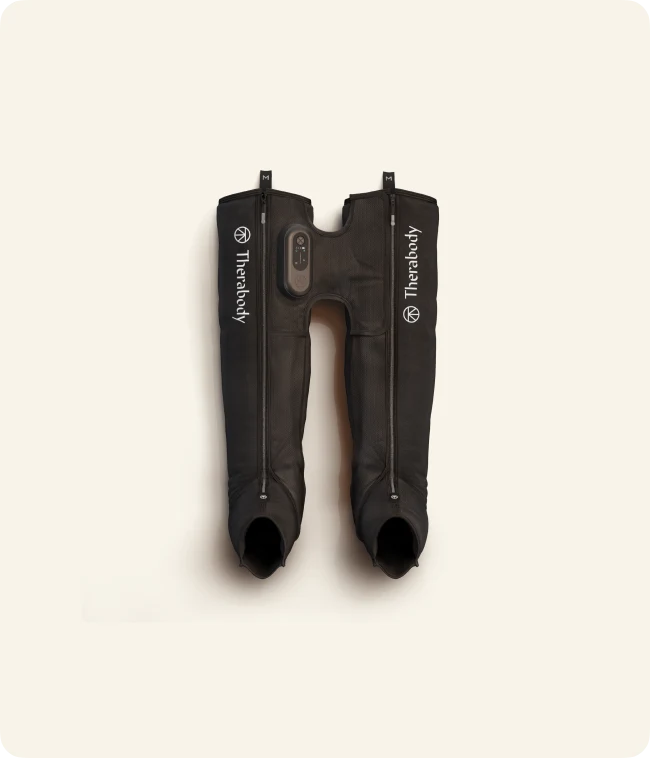
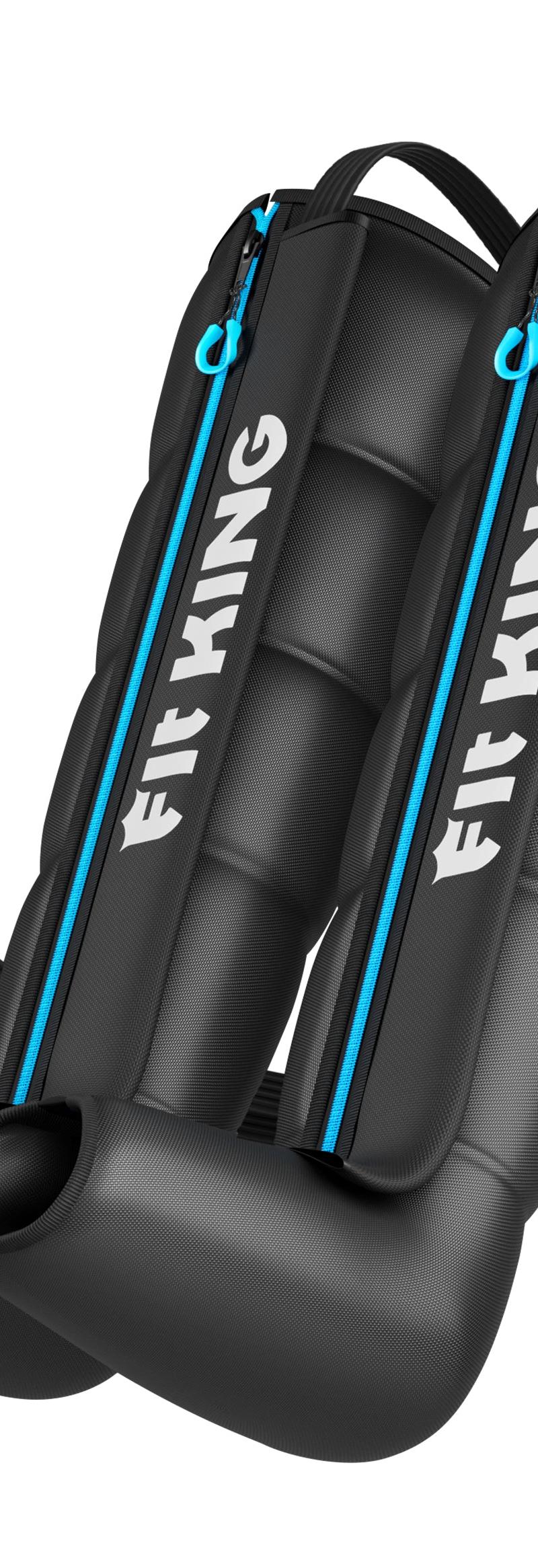
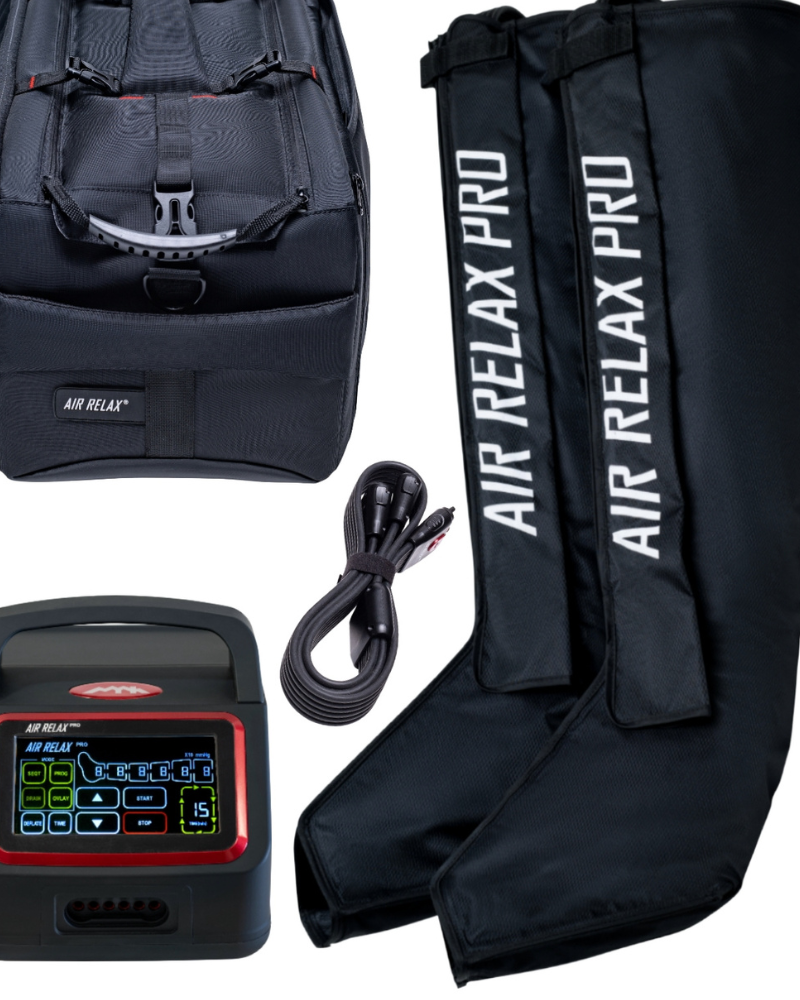
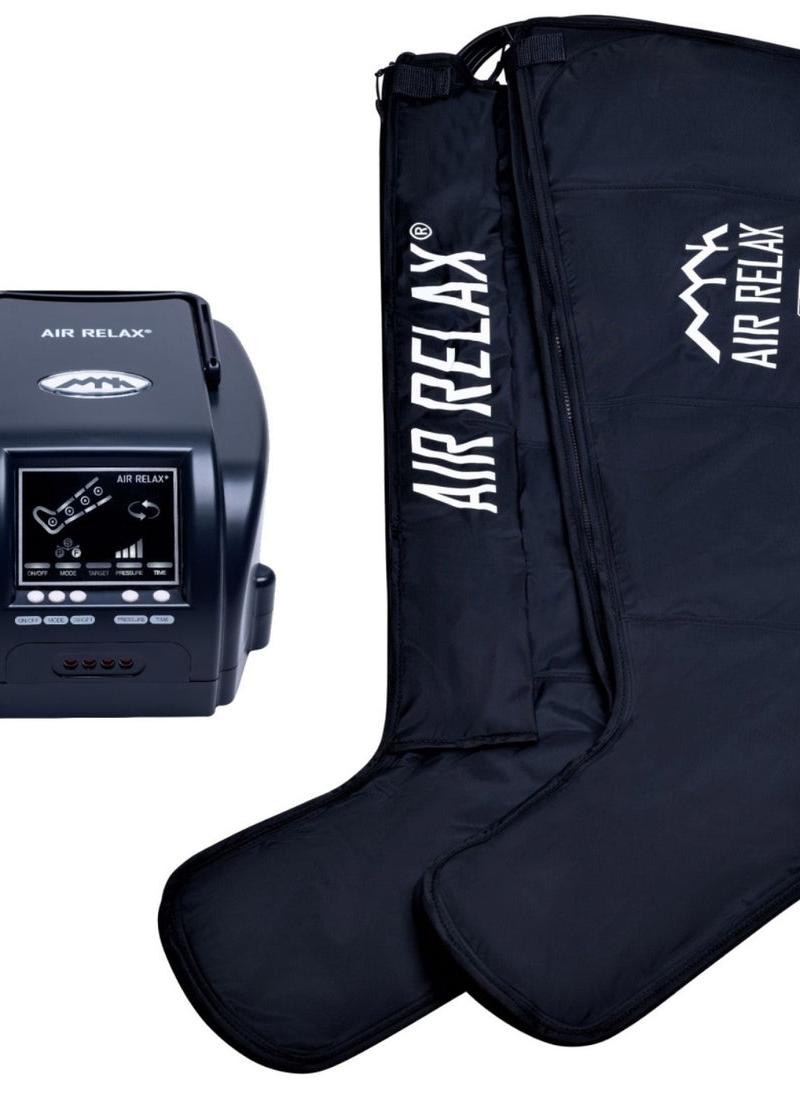
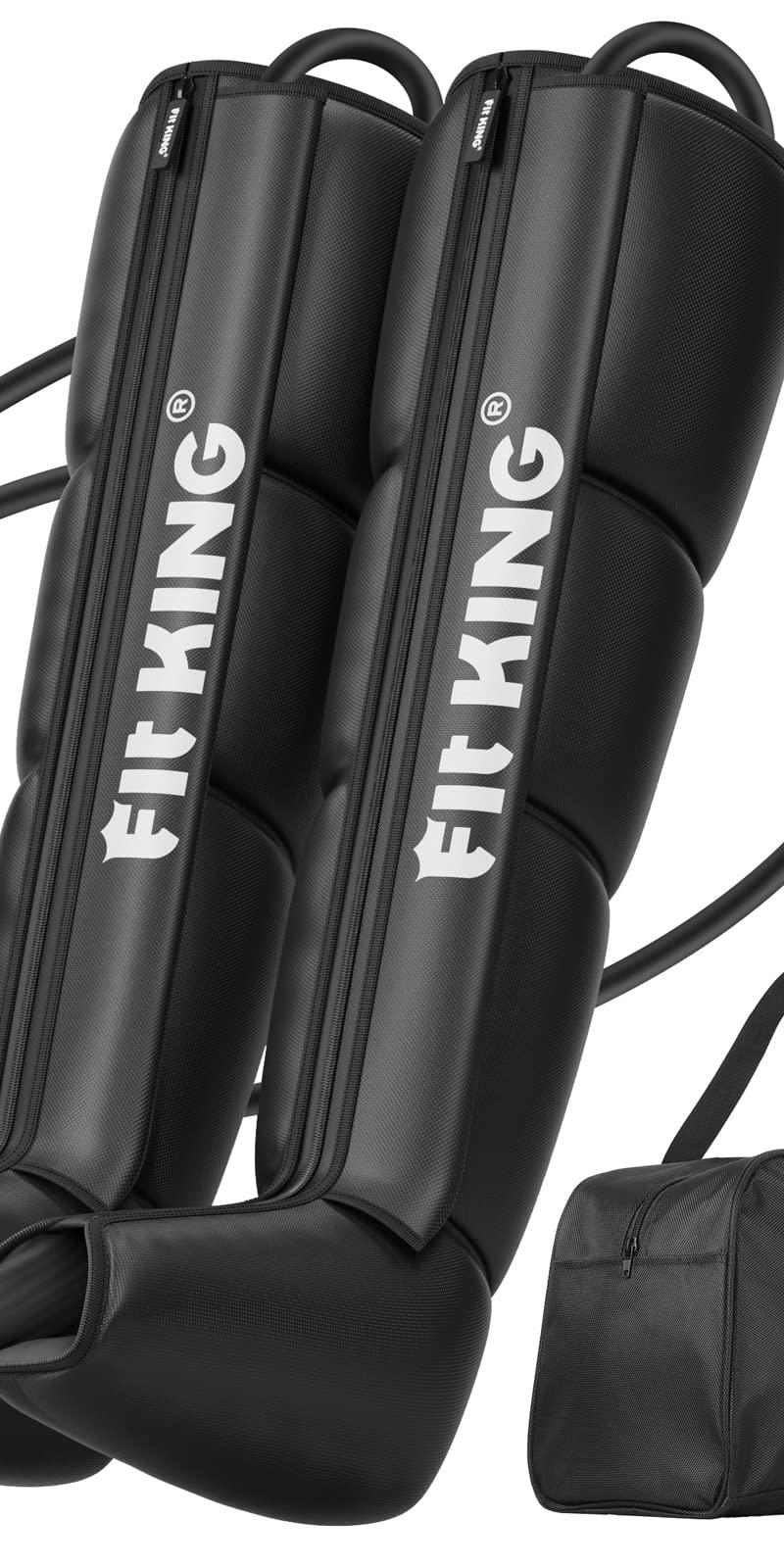
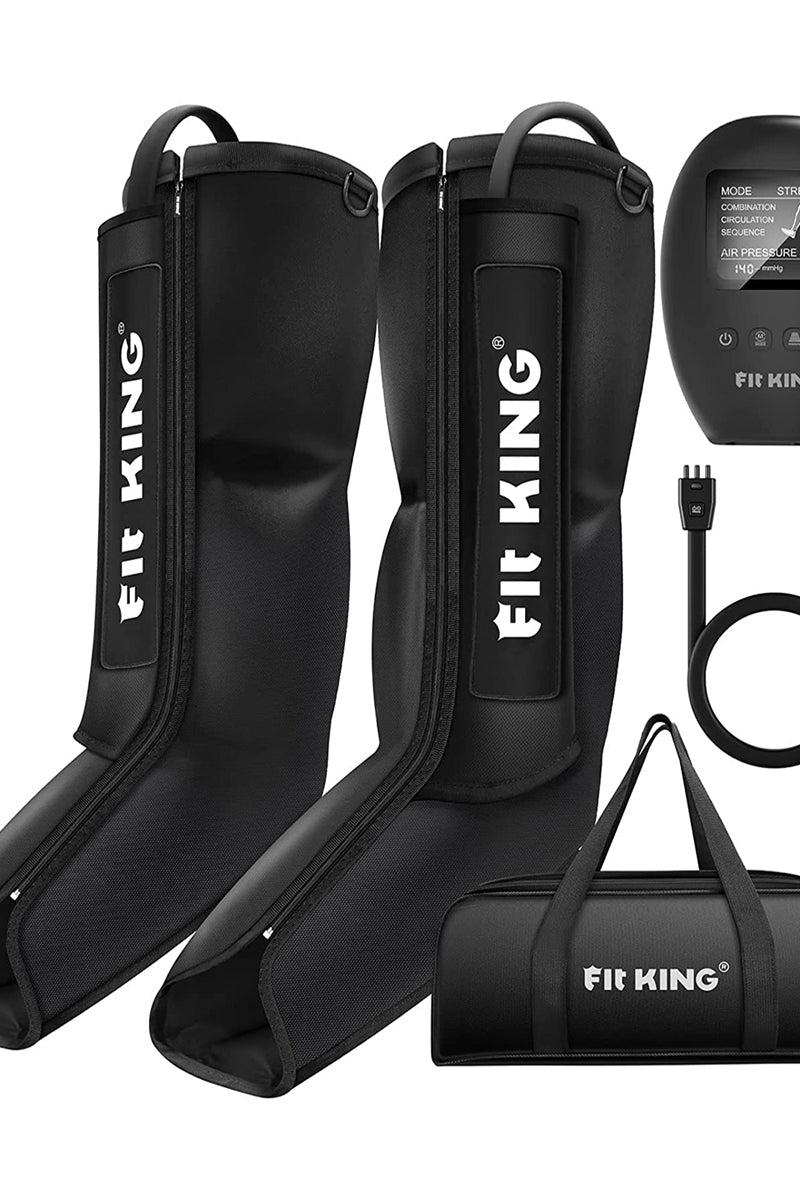
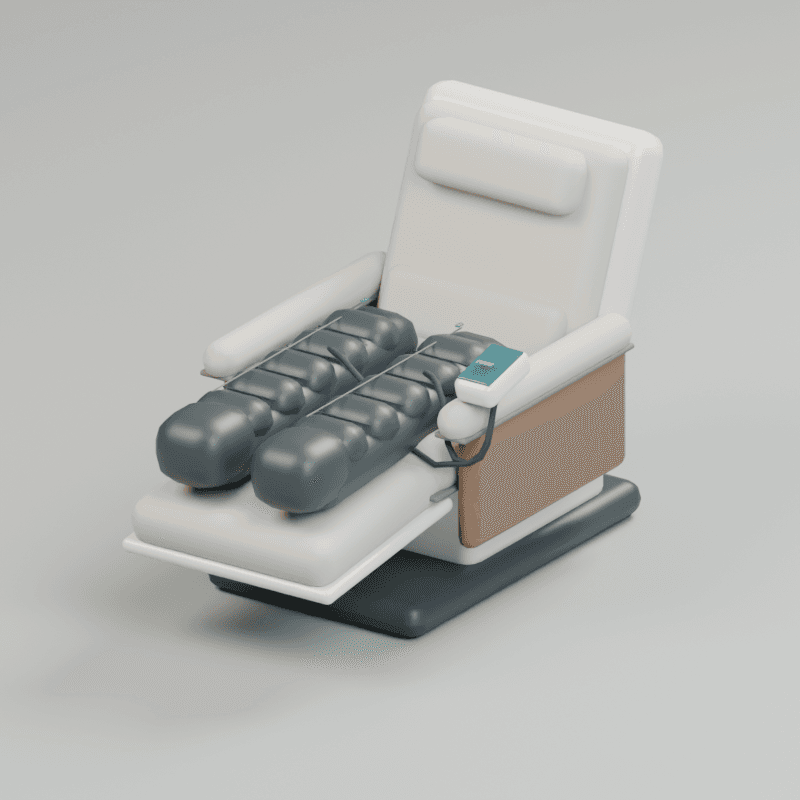
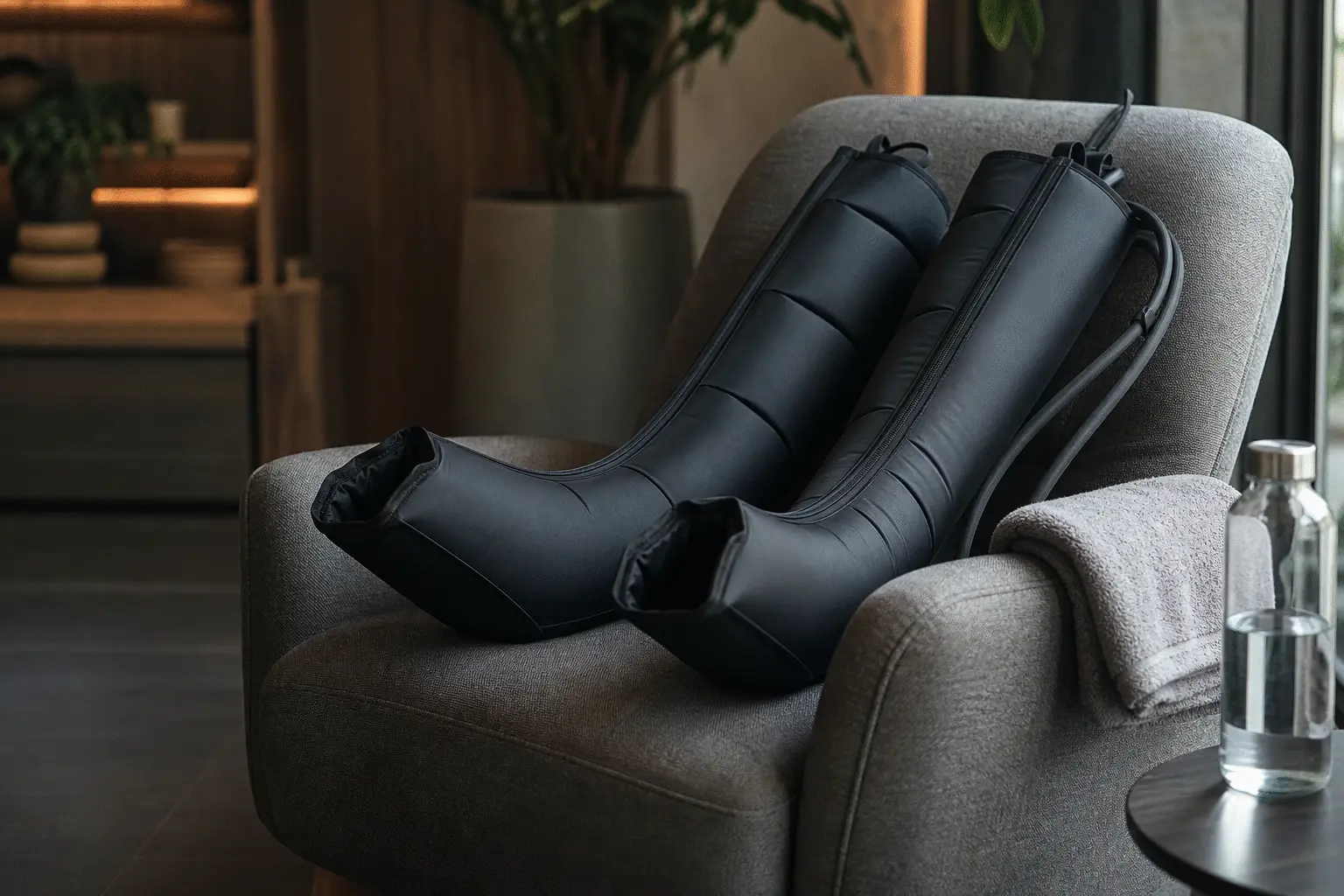
Compression therapy in a recovery studio context refers to pneumatic compression devices — most commonly sequential compression boots, leg sleeves, or hip systems — that use air pressure to intermittently squeeze and release the limbs in a wave-like pattern from the extremities toward the core. The most recognized brand is NormaTec (now part of Hyperice), though multiple manufacturers produce similar devices.

DVT prophylaxis (medical IPC only)lymphedema (medical IPC)reduced perceived soreness (wellness boots)

Compression therapy in a recovery studio context refers to pneumatic compression devices — most commonly sequential compression boots, leg sleeves, or hip systems — that use air pressure to intermittently squeeze and release the limbs in a wave-like pattern from the extremities toward the core. The most recognized brand is NormaTec (now part of Hyperice), though multiple manufacturers produce similar devices. Unlike static compression garments (recovery socks), pneumatic compression applies dynamic, sequenced pressure cycles. Sessions typically run 20–30 minutes and are completely passive — you sit or recline while the device cycles through its program. Compression therapy is among the most widely available and frequently used recovery tools at wellness studios, particularly in markets with large athletic or active-professional communities. It is offered as a standalone session or as an add-on to other modalities in the same visit.

How compression therapy works

Sequential pneumatic compression mimics and augments the muscle pump mechanism that drives venous blood and lymphatic fluid from the limbs toward the heart. By intermittently increasing interstitial pressure and enhancing lymphatic flow, the therapy is thought to reduce fluid accumulation in tissues, speed clearance of metabolic waste products including lactate, and reduce the perception of muscle soreness post-exercise. Research on pneumatic compression supports reductions in perceived soreness and recovery time, though effects on objective performance markers are more variable.

Is compression therapy right for you?

A quick, goal-based fit guide — who tends to get the most from compression therapy, and when it's worth a word with a professional first. This is wellness guidance, not medical advice.

Often a great fit if…

Compression therapy is popular with endurance athletes — runners, cyclists, triathletes — team sport athletes managing DOMS, and people with occupational leg fatigue (shift workers, healthcare workers, long-haul travelers). It is also used in post-surgical and lymphedema management contexts under medical guidance.

Worth a quick check first if…

Compression therapy should be avoided by people with deep vein thrombosis (DVT) or suspected DVT, active infections of the treated limb, severe peripheral arterial disease, or certain cardiac conditions. Consult a clinician if you have circulatory conditions or a history of blood clots before using pneumatic compression.

What a first session feels like

Sessions run 20–30 minutes. You'll slide into boot or sleeve attachments that connect to a compressor unit. The pressure cycles feel like a progressive squeeze starting at the feet and moving up the leg — most users find it comfortable or pleasurable, similar to a deep massage.

Studios offering compression therapy

246 verified studios across 143 cities.

Innovative Health Seattle — recovery studio in Seattle, WA

Seattle, WA

4.8· 131 reviews

Innovative Health—your hub for fitness, wellness, and community. Enjoy expert trainers, flexible memberships, and top wellness therapies.

CryotherapyInfrared saunaRed light therapyCompression therapy
Pause Studio - Long Beach — recovery studio in Long Beach, CA

Long Beach, CA

5.0· 100 reviews

Modern recovery and wellness studio at 2nd & PCH in Long Beach offering contrast therapy, infrared sauna, float therapy, cryotherapy, LED light therapy, compression, and IV drips.

Cold plungeContrast therapyCryotherapyFloat therapy+4
Zen Zone FL Wellness Center — recovery studio in Hallandale Beach, FL

Hallandale Beach, FL

5.0· 102 reviews

Hallandale Beach wellness center offering float therapy, contrast therapy, and compression-based recovery.

Float therapyContrast therapyCompression therapy
Restore Hyper Wellness - Lake Nona — recovery studio in Orlando, FL

Orlando, FL

4.9· 233 reviews

Restore Hyper Wellness in Orlando, FL - Nona offers Cryotherapy, IV Drip Therapy, Mild Hyperbaric Oxygen Therapy, Infrared Sauna, Compression, and more.

CryotherapyRed light therapyInfrared saunaCompression therapy+2
Neurofit — recovery studio in Corte Madera, CA

Neurofit

1 modality

Corte Madera, CA

Compression therapy
Restore Hyper Wellness Nashville Music Row — recovery studio in Nashville, TN

Nashville, TN

5.0· 334 reviews

Restore Hyper Wellness offers science-backed recovery therapies including cryotherapy, infrared sauna, red light therapy, IV hydration, compression therapy, and hyperbaric oxygen — personalized to help you recover faster, feel better, and perform at your best.

CryotherapyRed light therapyInfrared saunaCompression therapy+2

Equipment & brands for Compression therapy

The equipment brands that power compression therapy at studios in our directory.

Frequently asked questions

Are compression boots worth it?

For athletes with significant training volume and people managing regular exercise soreness, pneumatic compression consistently rates highly for reducing perceived soreness and improving the recovery experience. Whether studio sessions are worthwhile depends on training load and recovery priorities.

How often should you use compression boots?

Most athletes use compression therapy 1–3 times per week aligned with their hardest training sessions or race events. Daily use is practiced by high-volume athletes. Frequency should match your training load and recovery goals.

What is the difference between NormaTec and a regular compression sleeve?

NormaTec and similar pneumatic devices use dynamic, sequential air compression that moves in a wave pattern from foot to hip. Static compression sleeves apply constant, fixed pressure. The dynamic pumping action is thought to more effectively support lymphatic and venous circulation than static garments.

Does compression therapy help with swelling?

Yes. Sequential compression helps drive excess interstitial fluid back into circulation, reducing swelling in the lower extremities — particularly post-workout, post-travel, or post-surgery. For medical-grade edema or lymphedema, work with a healthcare provider on a structured treatment plan.

For studio operators

Run a studio that offers compression therapy?

Get listed on Praxium and turn your menu into goal-based protocols your team runs every shift — built on the modalities you already offer.

List your studio — free →

Not sure which protocol is right for you?

Take the 60-second Protocol Match and get a goal-based recovery plan — which modality, in what order, how often.