Conditions

Rosaceaand Recovery Modalities

Rosacea is a chronic facial-skin condition marked by flushing and persistent redness, and a few wellness modalities have early, hedged evidence for calming its symptoms.

Updated July 20262 modalities graded5 sources
facial flushing disorderacne rosacea

This page is wellness information, not medical advice. It is not intended to diagnose, treat, cure, or prevent any condition. Rosacea is a medical condition that should be evaluated and managed by a qualified healthcare professional; talk with them before starting any new therapy.

01The condition

What rosacea is

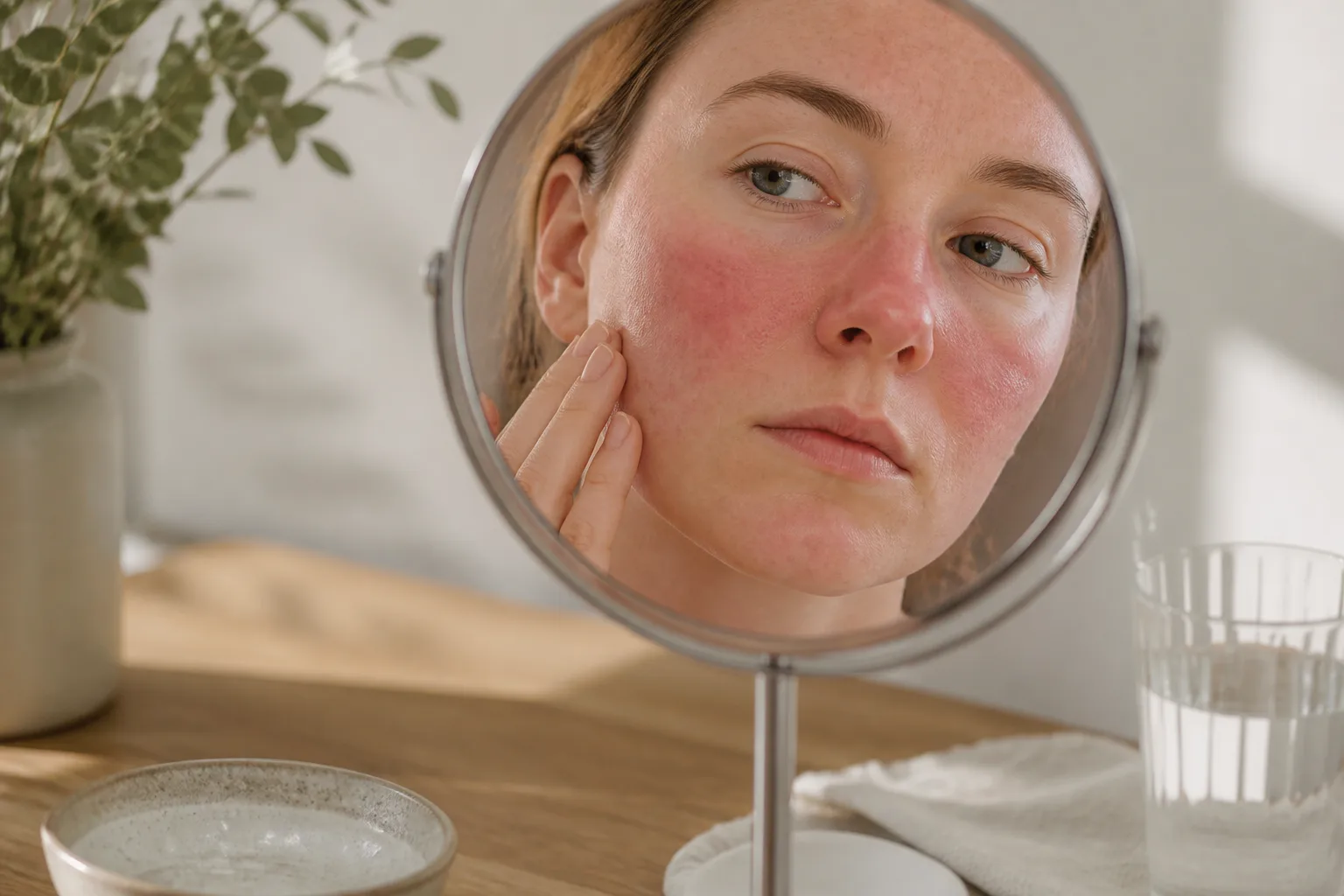
Rosacea is a common, chronic inflammatory condition of the facial skin that tends to flare and settle over time. Conventional dermatologic care (prescription creams, oral medications, and light or laser procedures) remains the mainstay, but some recovery-oriented modalities have early evidence for supporting skin comfort or reducing flare triggers. The strongest signal is for LED light therapy, where small studies suggest reductions in redness. Because heat, cold, and stress are well-documented rosacea triggers, some recovery modalities may help while others may make symptoms worse, so an individualized approach matters.

Common symptoms

  • Facial flushing and redness that comes and goes, often on the cheeks, nose, chin, or forehead
  • Persistent central-face redness
  • Visible small blood vessels (thin red lines) under the skin
  • Acne-like bumps and pus-filled pimples
  • Burning, stinging, or sensitive-feeling skin
  • Watery or irritated eyes (ocular rosacea)

02The evidence

What might help, graded honestly

Each modality below is graded on the strength of its research for this condition specifically — strongest first, with what every cited study actually found.

Red light therapy

Emerging evidence

Why it might help

Red and blue LED photobiomodulation is thought to modulate cutaneous inflammation and vascular reactivity, which may reduce visible redness and the inflammatory bumps seen in rosacea.

What the research shows

Small, mostly uncontrolled studies and case reports suggest LED light therapy may reduce facial erythema and inflammatory lesions in some people with rosacea, but the evidence is early and larger controlled trials are needed. It is best viewed as a possible adjunct, not a replacement for dermatologic care.

Float therapy

Anecdotal only

Why it might help

Emotional stress is a well-documented rosacea trigger; because flotation-REST has been associated with reduced stress and anxiety, it is proposed as an indirect way to support fewer stress-driven flares.

What the research shows

There are no studies of float therapy specifically for rosacea, so any benefit is indirect and speculative. Because stress is a common flare trigger and small trials associate float sessions with lower stress and anxiety, some people may find stress-reduction practices supportive, but this should not be considered a treatment for the skin condition itself.

Grades run from established (consistent human trials) down to not established(no good evidence) and reflect research quality for this condition specifically — not whether a modality “works” in general.

03Safety first

Check before you book

When these modalities can be risky

  • Heat-based modalities (infrared sauna, hot rooms, hot contrast therapy) can trigger flushing and are a well-documented rosacea flare trigger for many people — use with caution or avoid.
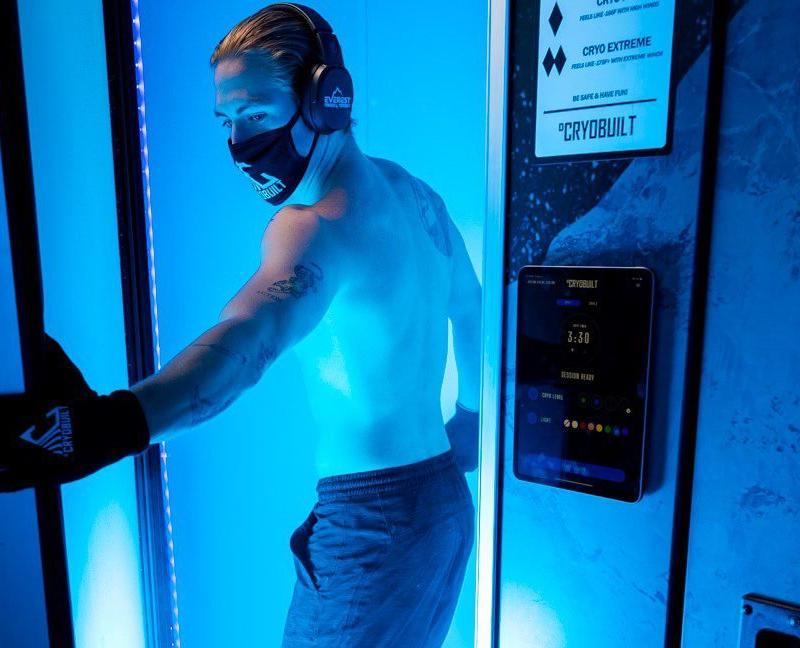
  • Extreme cold exposure (cold plunge or whole-body cryotherapy applied to the face) is also a recognized temperature trigger for some individuals and may provoke a flare.
  • If you take photosensitizing medications (including some acne or rosacea antibiotics like doxycycline) or use topical retinoids, check with a clinician before any light-based therapy.
  • Protect the eyes during any facial light therapy, especially with ocular rosacea, and avoid light therapy over active skin infections or broken skin.

When to see a doctor

See a dermatologist or clinician if facial redness, bumps, or visible vessels persist or worsen, if your eyes become irritated, gritty, or your vision changes (possible ocular rosacea), or if over-the-counter and lifestyle measures aren't helping. Rosacea is best managed with an accurate diagnosis and a tailored medical plan.

04Where to try it

Where to try red light therapy near you

Studios offering red light therapy — the modality with the strongest evidence grade on this page (emerging evidence). If any caution above applies to you, talk to your clinician first.

DOC's

5 modalities

Wall, NJ

5.0· 1 reviews

DOC's is a Wall, NJ recovery facility offering innovative holistic therapies for athletic performance and life extension — whole-body cryotherapy, hyperbaric oxygen, Normatec compression, Sunlighten infrared sauna, and Theralight red light.

CryotherapyHyperbaric oxygenCompression therapyInfrared sauna+1
Website ↗
Next Health West Hollywood — recovery studio in West Hollywood, CA

West Hollywood, CA

5.0· 2250 reviews

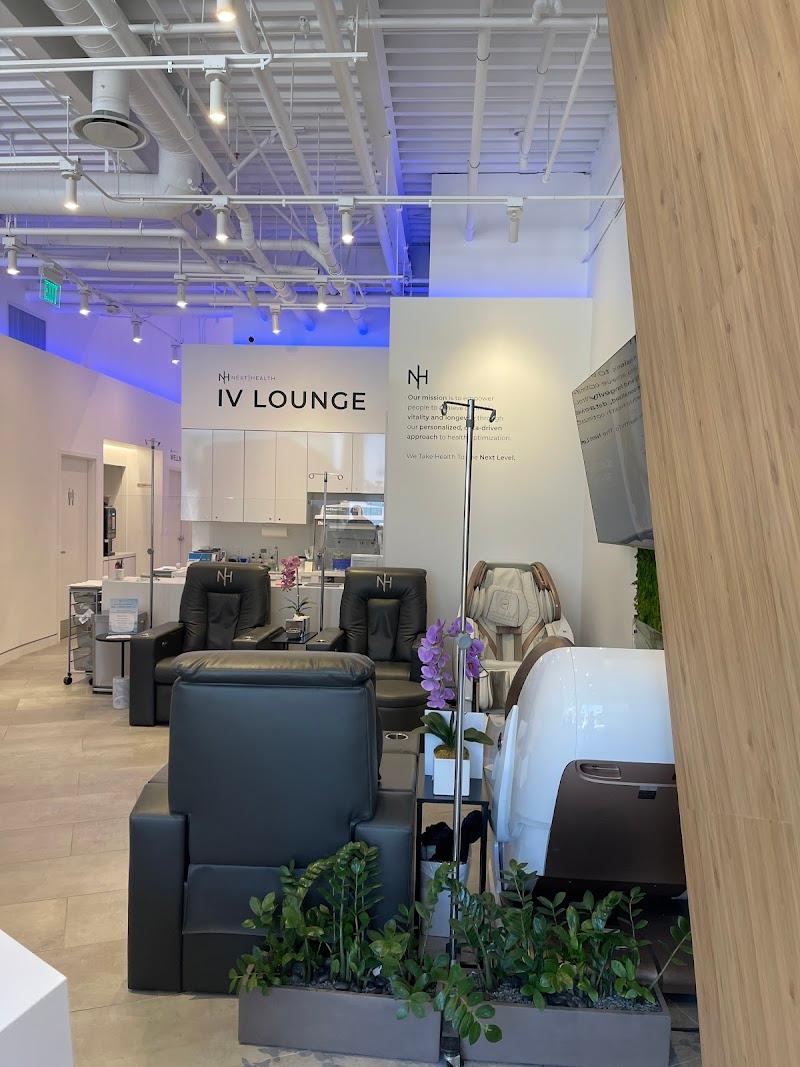
West Hollywood wellness center for NAD+, IV drips, hormone therapy, infrared therapy, hyperbaric oxygen, EBOO ozone & plasma exchange on the Sunset Strip.

CryotherapyHyperbaric oxygenInfrared saunaRed light therapy+1
Website ↗
Next Health — recovery studio in Los Angeles, CA

Next Health

4 modalities

Los Angeles, CA

5.0· 1493 reviews

Wellness center in Century City with IV drips, NAD+ infusions, hormone optimization, hyperbaric oxygen, infrared therapy, EBOO ozone & plasma exchange.

CryotherapyIV & hydrationHyperbaric oxygenRed light therapy
Website ↗

Next Health

5 modalities

New York, NY

5.0· 1217 reviews

Advanced wellness & longevity center on Madison Ave

CryotherapyIV & hydrationHyperbaric oxygenInfrared sauna+1
Website ↗
Restore Hyper Wellness - Houston, TX - West University — recovery studio in Houston, TX

Houston, TX

5.0· 1163 reviews

Personalized, science-backed recovery therapies in Houston West University including whole-body cryotherapy, red light therapy, infrared sauna, compression, IV drip therapy, and mild hyperbaric oxygen therapy to decrease inflammation, optimize sleep, and boost energy.

CryotherapyRed light therapyInfrared saunaCompression therapy+2
Website ↗

Kansas City, MO

5.0· 1047 reviews

Full-service hyper-wellness studio in Kansas City's Zona Rosa offering cryotherapy, infrared sauna, IV drips, red light, compression, and mild hyperbaric oxygen therapy.

CryotherapyLocalized cryotherapyInfrared saunaRed light therapy+3
Website ↗

05Questions

Frequently asked questions

Can red light therapy help rosacea redness?

Small studies and case reports suggest LED light therapy may reduce facial redness and inflammatory bumps in some people with rosacea, but the evidence is early and largely uncontrolled. It may be worth discussing with a dermatologist as a possible adjunct, not a standalone cure.

Is an infrared sauna safe if I have rosacea?

Heat is one of the most commonly reported rosacea triggers, so infrared saunas and other hot environments may provoke flushing or a flare. Many people with rosacea find they need to avoid or limit heat exposure; consider discussing tolerance with your clinician.

Does cold plunging or cryotherapy help or hurt rosacea?

It varies. Cold can transiently reduce flushing for some, but extreme temperature swings — including intense cold — are recognized rosacea triggers and may set off a flare in others. There isn't strong evidence either way, so proceed cautiously and watch how your skin responds.

Can reducing stress improve my rosacea?

Stress is a well-documented flare trigger, so stress-management practices — including relaxation-focused modalities like float therapy — may indirectly support fewer stress-driven flares for some people. This is an indirect effect, not a treatment for the skin condition itself.

Do recovery modalities replace prescription rosacea treatment?

No. Evidence-based dermatologic care remains the foundation of rosacea management. Recovery modalities with early evidence, like LED light therapy, are best viewed as possible complements to a plan built with your clinician.

Turn the evidence into a plan

Take the 60-second Fit Check and get an evidence-aware starting point — which modalities to look at first, and which to run past your doctor.

Wellness information, not medical advice. Recovery modalities do not treat or cure any condition and never replace care from a qualified clinician.