Conditions

Eczema (Atopic Dermatitis)and Recovery Modalities

Eczema is a chronic, relapsing skin condition, and no wellness modality replaces dermatologist-guided care. That said, a few modalities have early evidence for supporting skin comfort and barrier function as complements to standard treatment.

Updated July 20263 modalities graded7 sources
atopic dermatitisatopic eczemaAD

This page provides general wellness information, not medical advice, diagnosis, or treatment. Modalities described are complementary options with varying evidence, not cures. Always consult a qualified healthcare professional before starting any new therapy, especially for a chronic skin condition.

01The condition

What eczema (atopic dermatitis) is

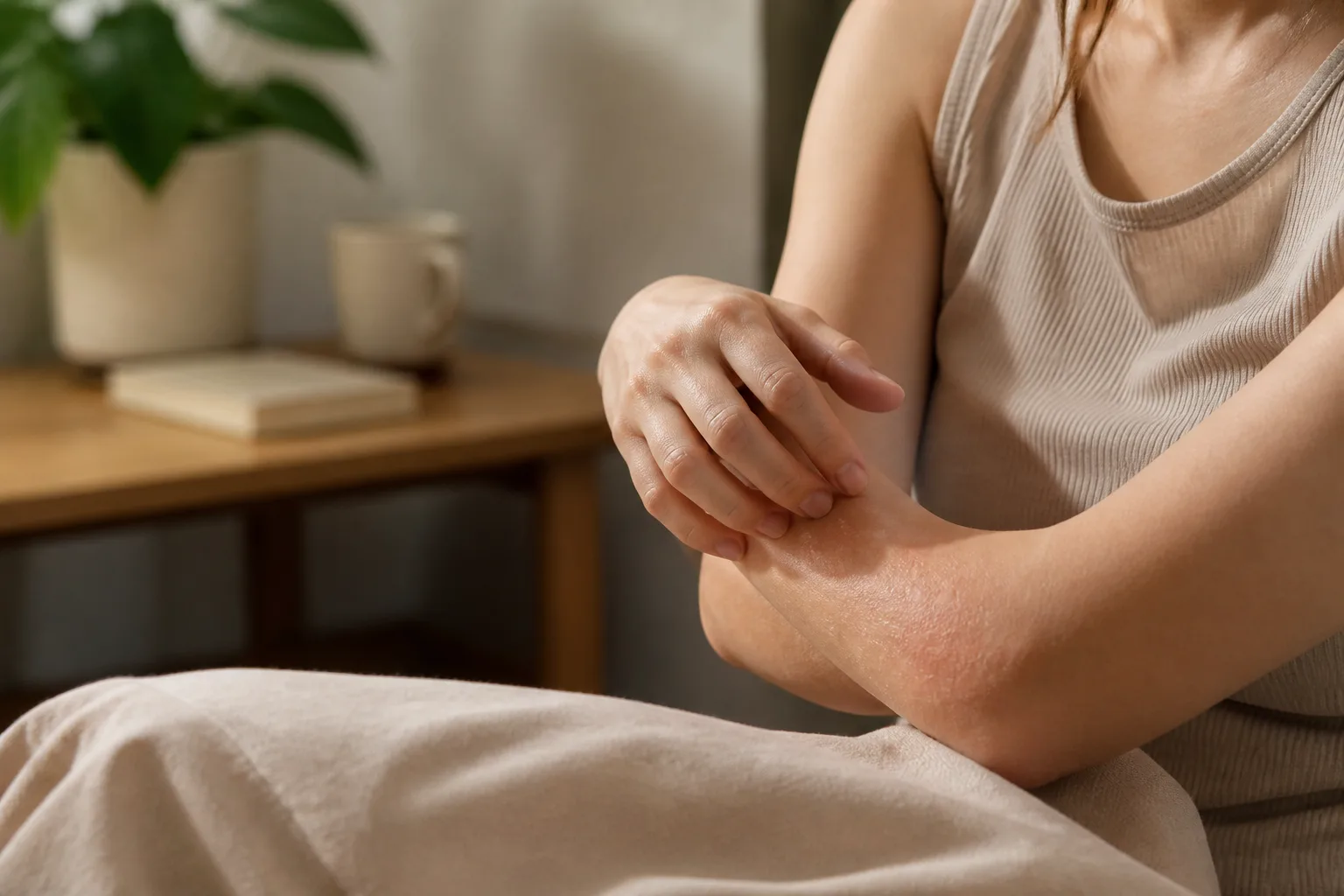
Atopic dermatitis (eczema) is a common, chronic inflammatory skin condition marked by a compromised skin barrier and an over-reactive immune response, causing dry, itchy, inflamed skin that tends to flare and remit. It is not contagious and has no cure, but symptoms are typically managed with moisturizers, prescribed topicals, and trigger avoidance. Some recovery modalities have preliminary evidence for supporting skin hydration, barrier function, or itch, and may be worth discussing with a clinician as complements to, not replacements for, standard care. Evidence quality varies widely and is often small or short-term.

Common symptoms

  • Intense itching, often worse at night
  • Dry, cracked, or scaly patches of skin
  • Red, purple, brown, or gray discoloration depending on skin tone
  • Oozing, weeping, or crusting during flares
  • Thickened skin from repeated scratching
  • Periodic flares alternating with clearer remission periods

02The evidence

What might help, graded honestly

Each modality below is graded on the strength of its research for this condition specifically — strongest first, with what every cited study actually found.

Red light therapy

Limited evidence

Why it might help

Red and near-infrared light (photobiomodulation) is absorbed by mitochondria and appears to dampen local inflammatory signaling; in eczema studies it was associated with reduced expression of inflammatory markers such as IgE, IL-4, and ICAM-1.

What the research shows

Small, mostly early-stage studies suggest low-level red/near-infrared light may help reduce itch and inflammation in atopic dermatitis, but the human evidence is limited and larger controlled trials are needed before drawing conclusions.

Sources & what they found (2)

Float therapy

Limited evidence

Why it might help

Float tanks use water saturated with magnesium-rich (Epsom) salt. Controlled studies of magnesium-rich salt-water bathing suggest magnesium binds water in the stratum corneum, supports permeability-barrier repair, and calms inflammation, which may translate to better hydration and reduced transepidermal water loss.

What the research shows

Evidence from magnesium-rich salt-water bathing (balneotherapy) suggests it may improve skin barrier function, hydration, and inflammation in atopic-prone skin; float therapy uses a similar high-magnesium salt solution, though float tanks specifically have not been well studied for eczema, so this is an indirect, hedged extrapolation.

Sources & what they found (2)

Infrared sauna

Not established

Why it might help

Infrared saunas deliver radiant heat that raises skin temperature and induces sweating; proposed skin benefits are frequently marketed but lack a validated physiological pathway for eczema, and heat plus sweating can itself provoke itch in some people.

What the research shows

Despite widespread marketing claims, there is no clinical evidence that infrared saunas benefit eczema, and dermatologic risks have not been well characterized; heat and sweating are recognized itch triggers for some, so any use should be cautious and discussed with a clinician.

Source & what it found

Grades run from established (consistent human trials) down to not established(no good evidence) and reflect research quality for this condition specifically — not whether a modality “works” in general.

03Safety first

Check before you book

When these modalities can be risky

  • Active weeping, oozing, cracked, or infected skin can sting or burn in high-salt float water; avoid immersion during acute flares or on open skin
  • Some photosensitizing medications (e.g., certain antibiotics, retinoids, St. John's wort) can heighten light sensitivity, relevant to red-light sessions
  • Heat and heavy sweating in saunas can trigger or worsen itch in some people with eczema, and pose the usual sauna cautions (dehydration, pregnancy, cardiovascular conditions)
  • None of these modalities should replace prescribed topical or systemic eczema therapy or a documented flare-management plan

When to see a doctor

See a doctor or dermatologist if eczema is widespread, painful, not responding to over-the-counter care, interfering with sleep or daily life, or showing signs of infection such as yellow crusting, pus, warmth, spreading redness, or fever, which can signal a bacterial or herpes (eczema herpeticum) infection requiring urgent treatment.

04Where to try it

Where to try red light therapy near you

Studios offering red light therapy — the modality with the strongest evidence grade on this page (limited evidence). If any caution above applies to you, talk to your clinician first.

DOC's

5 modalities

Wall, NJ

5.0· 1 reviews

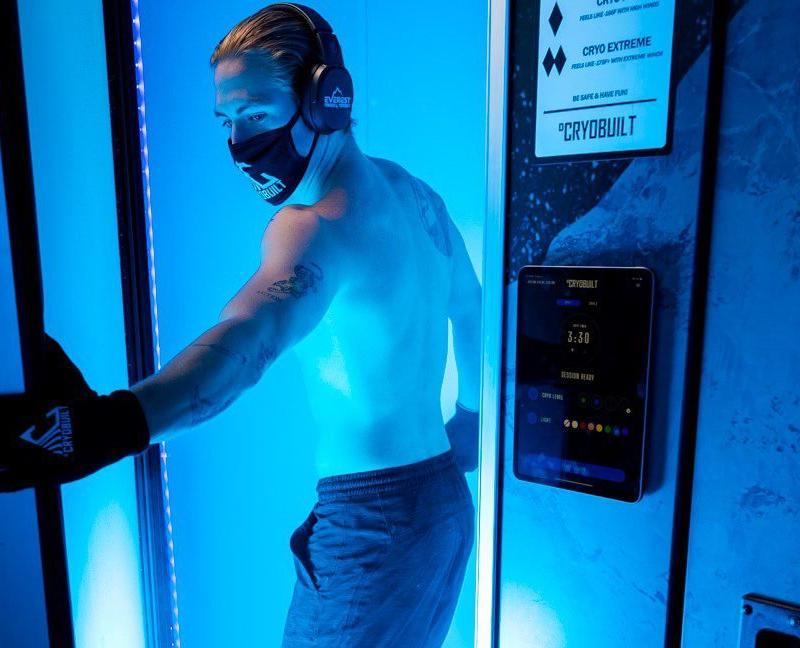
DOC's is a Wall, NJ recovery facility offering innovative holistic therapies for athletic performance and life extension — whole-body cryotherapy, hyperbaric oxygen, Normatec compression, Sunlighten infrared sauna, and Theralight red light.

CryotherapyHyperbaric oxygenCompression therapyInfrared sauna+1
Website ↗
Next Health West Hollywood — recovery studio in West Hollywood, CA

West Hollywood, CA

5.0· 2250 reviews

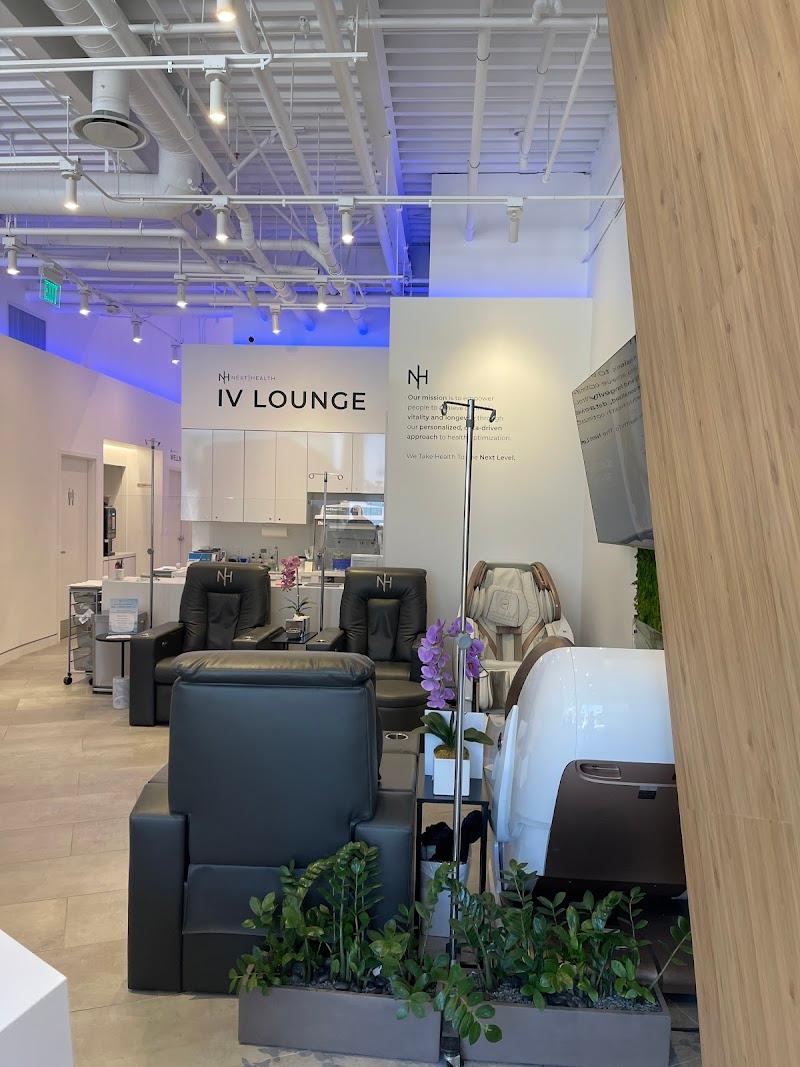
West Hollywood wellness center for NAD+, IV drips, hormone therapy, infrared therapy, hyperbaric oxygen, EBOO ozone & plasma exchange on the Sunset Strip.

CryotherapyHyperbaric oxygenInfrared saunaRed light therapy+1
Website ↗
Next Health — recovery studio in Los Angeles, CA

Next Health

4 modalities

Los Angeles, CA

5.0· 1493 reviews

Wellness center in Century City with IV drips, NAD+ infusions, hormone optimization, hyperbaric oxygen, infrared therapy, EBOO ozone & plasma exchange.

CryotherapyIV & hydrationHyperbaric oxygenRed light therapy
Website ↗

Next Health

5 modalities

New York, NY

5.0· 1217 reviews

Advanced wellness & longevity center on Madison Ave

CryotherapyIV & hydrationHyperbaric oxygenInfrared sauna+1
Website ↗
Restore Hyper Wellness - Houston, TX - West University — recovery studio in Houston, TX

Houston, TX

5.0· 1163 reviews

Personalized, science-backed recovery therapies in Houston West University including whole-body cryotherapy, red light therapy, infrared sauna, compression, IV drip therapy, and mild hyperbaric oxygen therapy to decrease inflammation, optimize sleep, and boost energy.

CryotherapyRed light therapyInfrared saunaCompression therapy+2
Website ↗

Kansas City, MO

5.0· 1047 reviews

Full-service hyper-wellness studio in Kansas City's Zona Rosa offering cryotherapy, infrared sauna, IV drips, red light, compression, and mild hyperbaric oxygen therapy.

CryotherapyLocalized cryotherapyInfrared saunaRed light therapy+3
Website ↗

05Questions

Frequently asked questions

Can red light therapy help my eczema?

Early, small studies suggest low-level red/near-infrared light may reduce itch and inflammation in atopic dermatitis, but the human evidence is limited. It may be worth discussing with a dermatologist as a complement to your usual routine, not a replacement for prescribed treatment.

Is a float tank or salt bath good for eczema?

Studies of magnesium-rich salt-water bathing suggest it may improve skin hydration and barrier function for atopic-prone skin. Float tanks use a similar high-magnesium salt solution, though floats themselves aren't well studied for eczema. Note that salt water can sting broken or weeping skin, so it's best avoided during acute flares.

Are infrared saunas safe or helpful if I have eczema?

There is currently no clinical evidence that infrared saunas benefit eczema, and heat plus sweating can trigger itch in some people. If you want to try one, keep sessions short, hydrate, moisturize afterward, and check with your clinician first.

Will any of these replace my prescribed eczema treatment?

No. These are complementary wellness options with limited evidence at best. Eczema is a chronic condition best managed with dermatologist-guided care, moisturizers, and trigger avoidance. Talk to your provider before adding anything new.

Could these modalities make my eczema worse?

Potentially, yes. Salt water can sting broken skin, sauna heat and sweat can provoke itch, and overly intense or unfamiliar light devices may irritate sensitive skin. Introduce anything new slowly, watch how your skin responds, and stop if a flare worsens.

Turn the evidence into a plan

Take the 60-second Fit Check and get an evidence-aware starting point — which modalities to look at first, and which to run past your doctor.

Wellness information, not medical advice. Recovery modalities do not treat or cure any condition and never replace care from a qualified clinician.