15 conditions, evidence-graded
Can recovery modalities help your condition?
Honest answers, condition by condition. Every modality is graded on the strength of its research — established through not established — with each study’s actual finding spelled out, and the cautions given equal billing.
Wellness information, not medical advice — every page is cited, graded, and hedged accordingly.
015 conditions
Pain & Joints
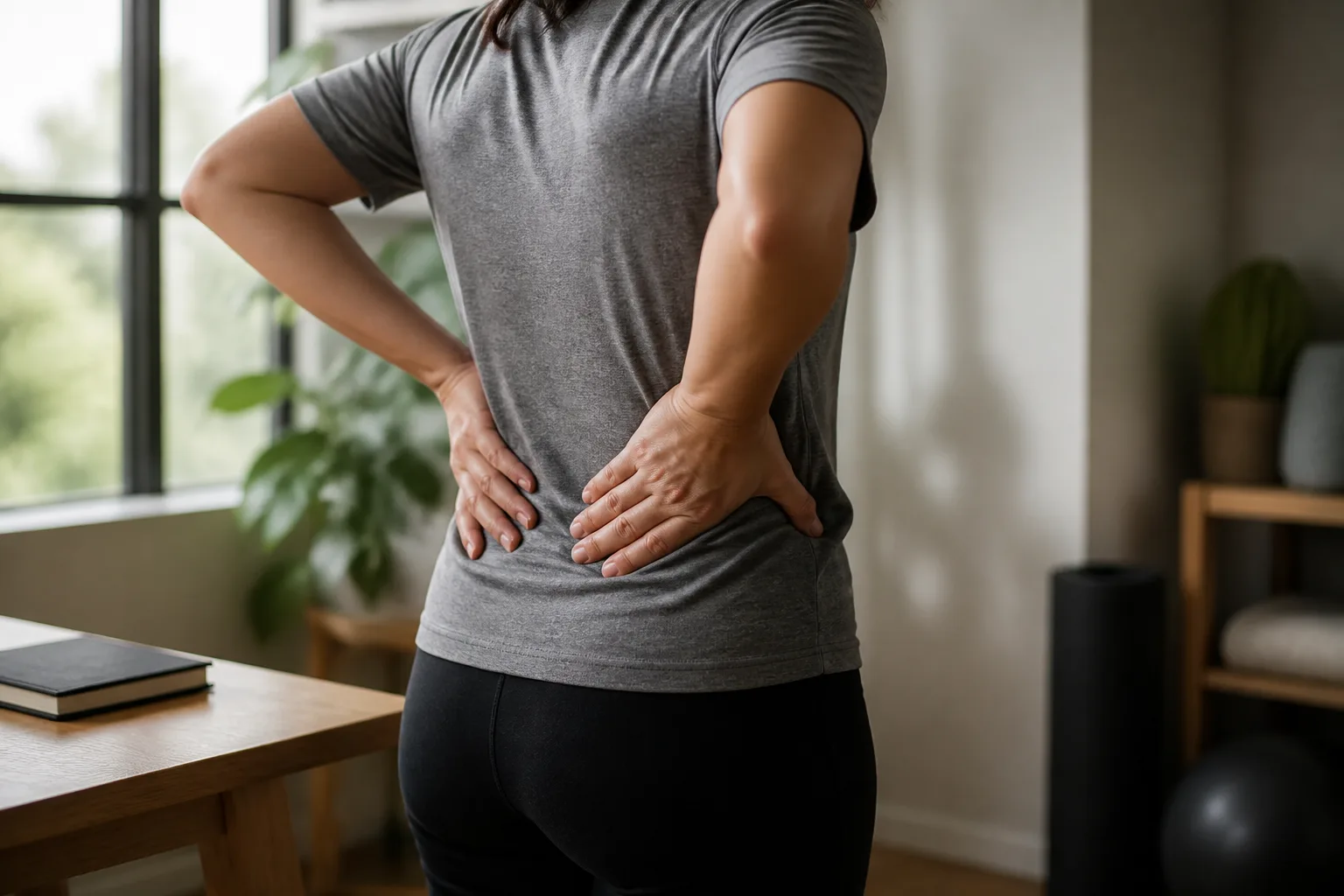
Back pain, arthritis, fibromyalgia — where cold, heat and compression have actually been studied.
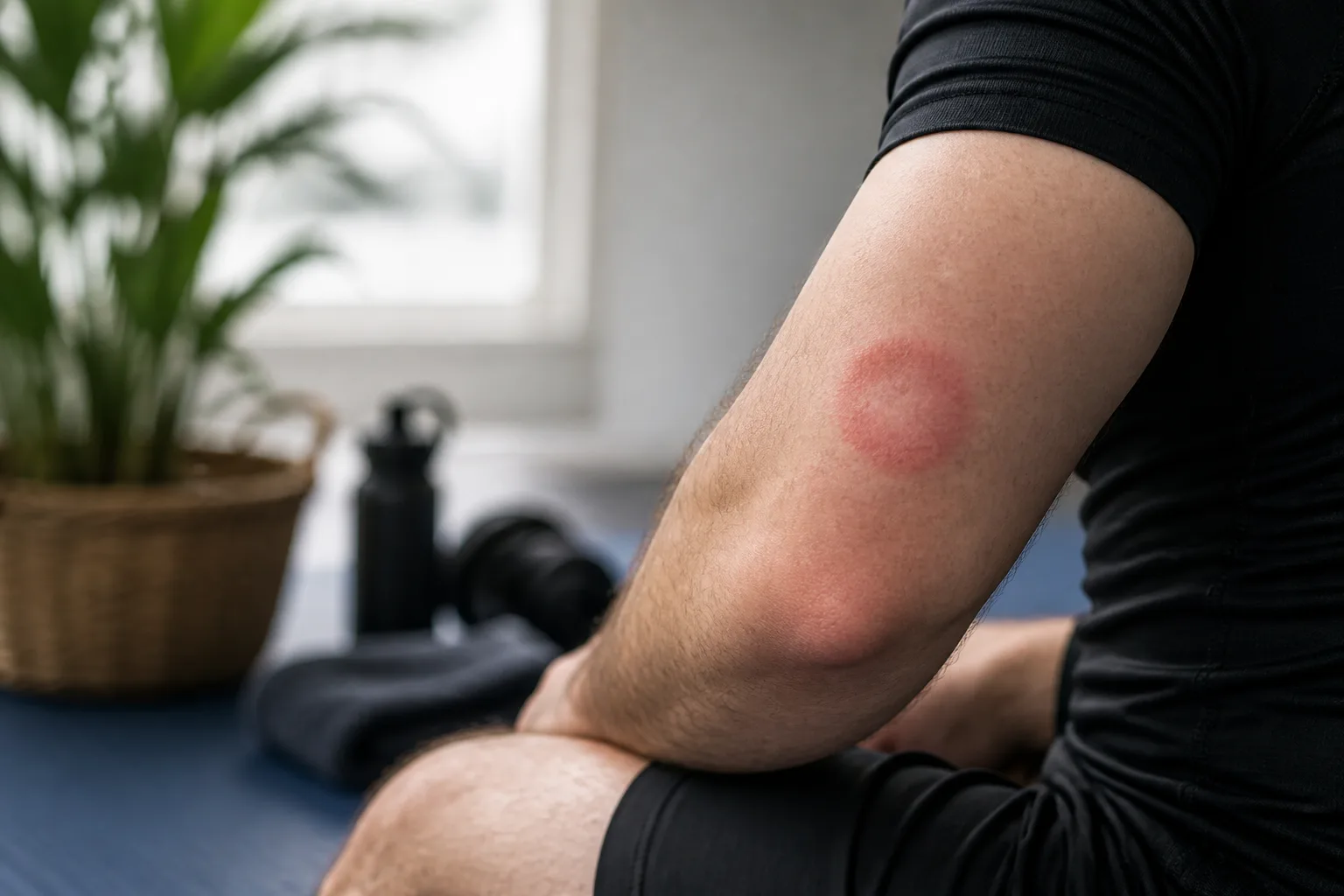
Arthritis & Osteoarthritis
Also known as osteoarthritis
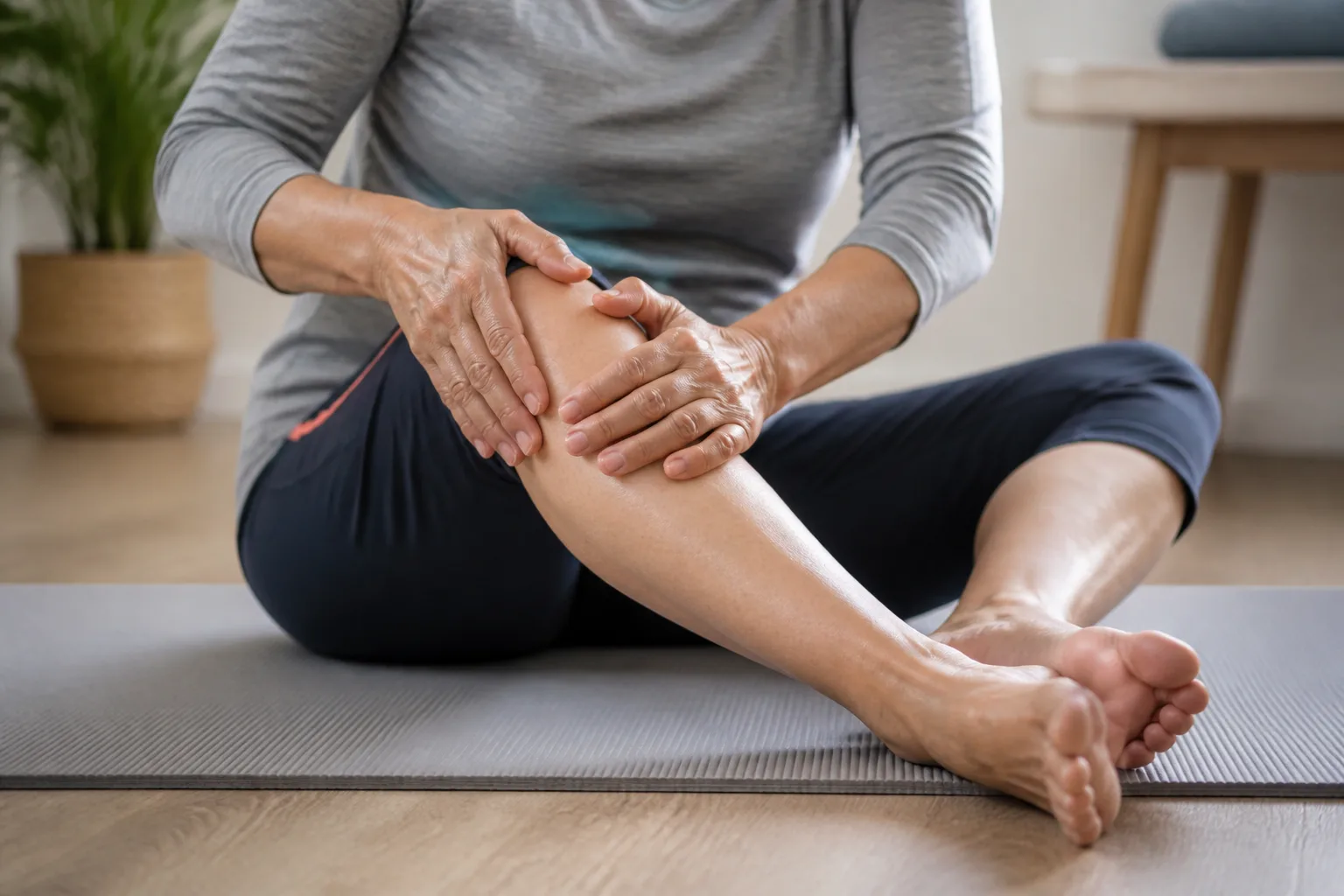
Osteoarthritis is the most common form of arthritis, driven by gradual wear of the cartilage that cushions your joints. Recovery modalities won't reverse joint damage, but a few may offer modest, short-term help with pain and stiffness alongside the exercise and medical care that guidelines emphasize.
Strongest grade · Supported by research
See the evidence →Chronic Low Back Pain
Also known as chronic LBP
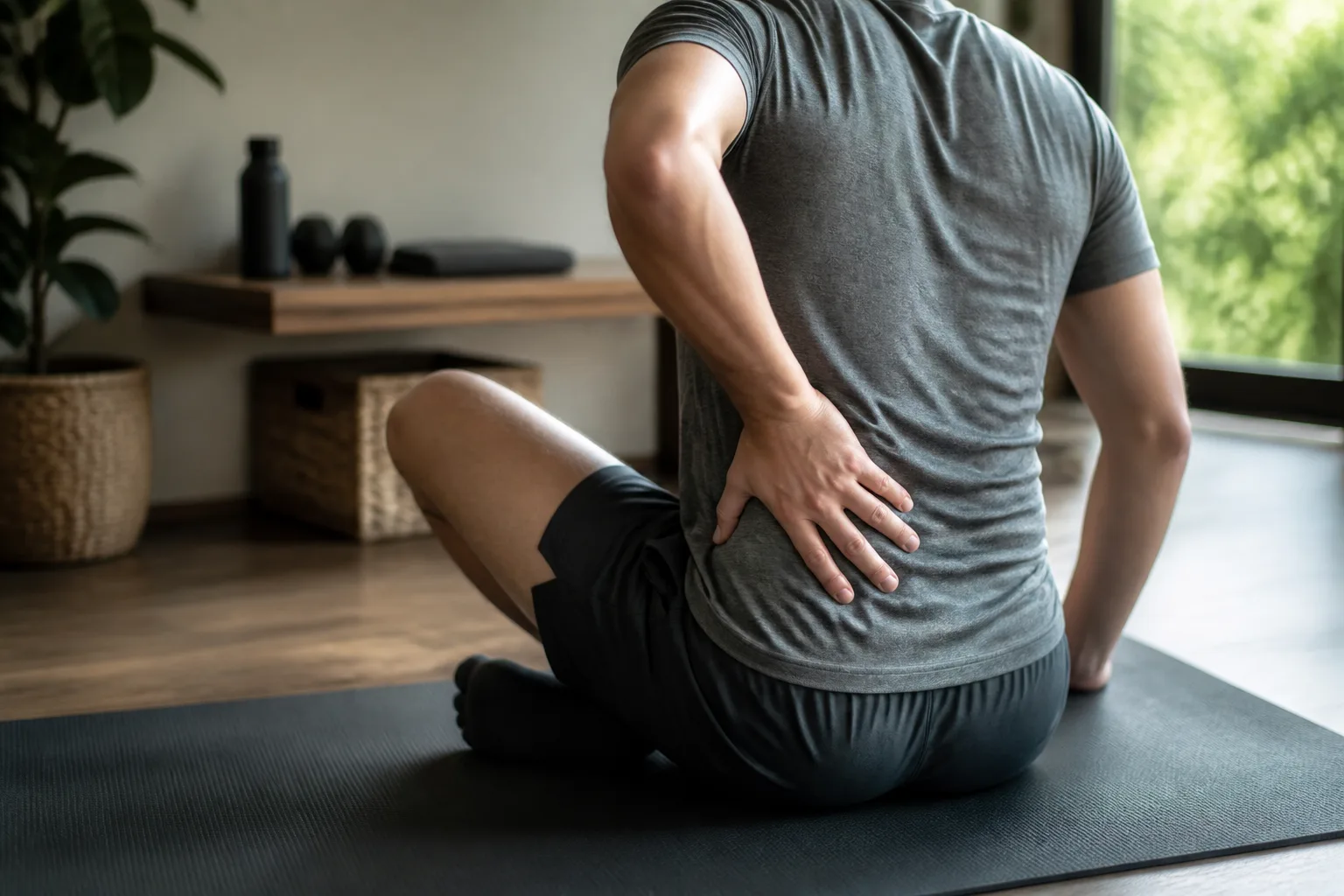
Chronic low back pain, lasting more than about three months, is one of the most common reasons people seek care. Recovery modalities won't fix the underlying cause, but a few may offer modest, mostly short-term relief alongside the movement, exercise, and self-management that guidelines emphasize.
Strongest grade · Mixed findings
See the evidence →Plantar Fasciitis
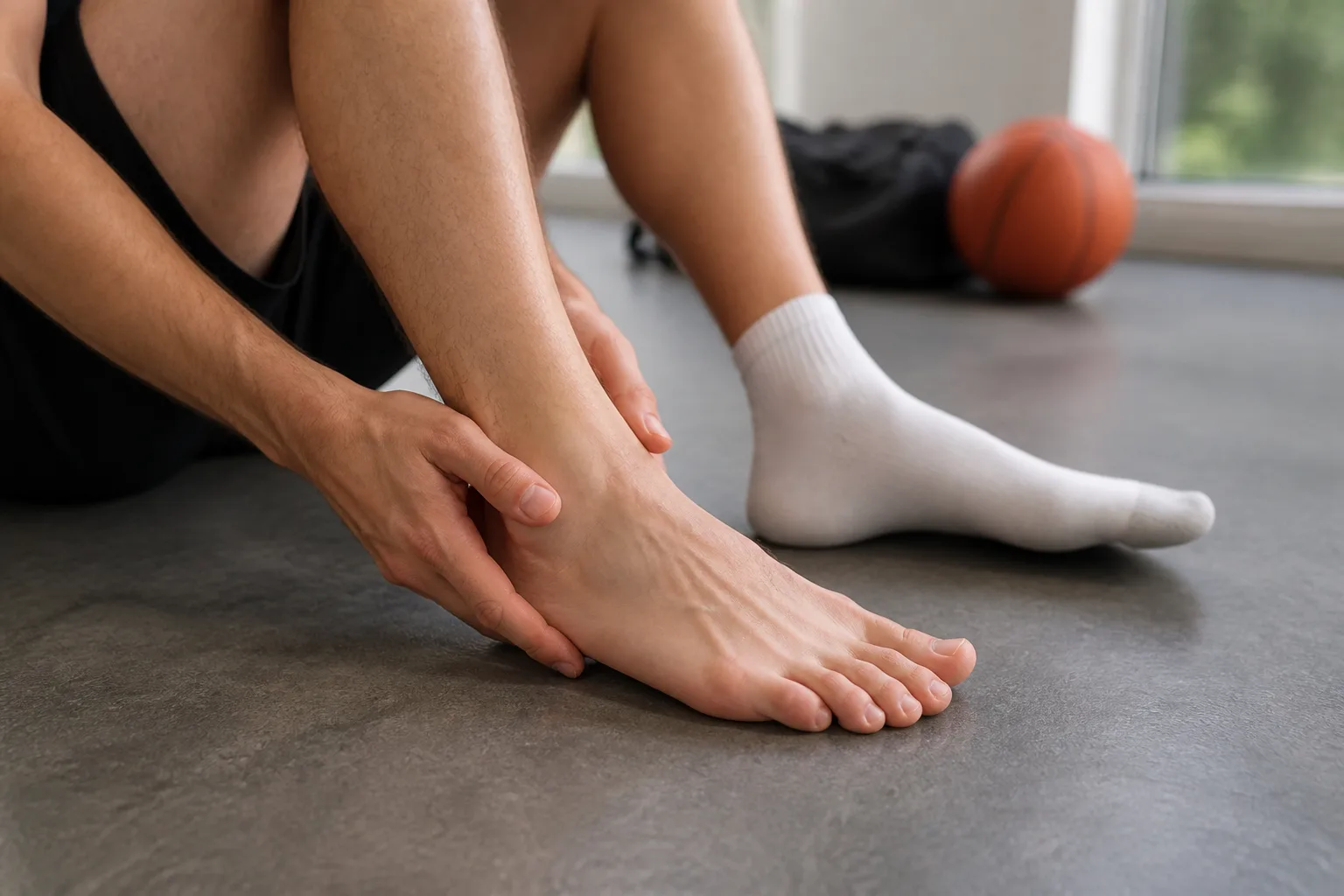
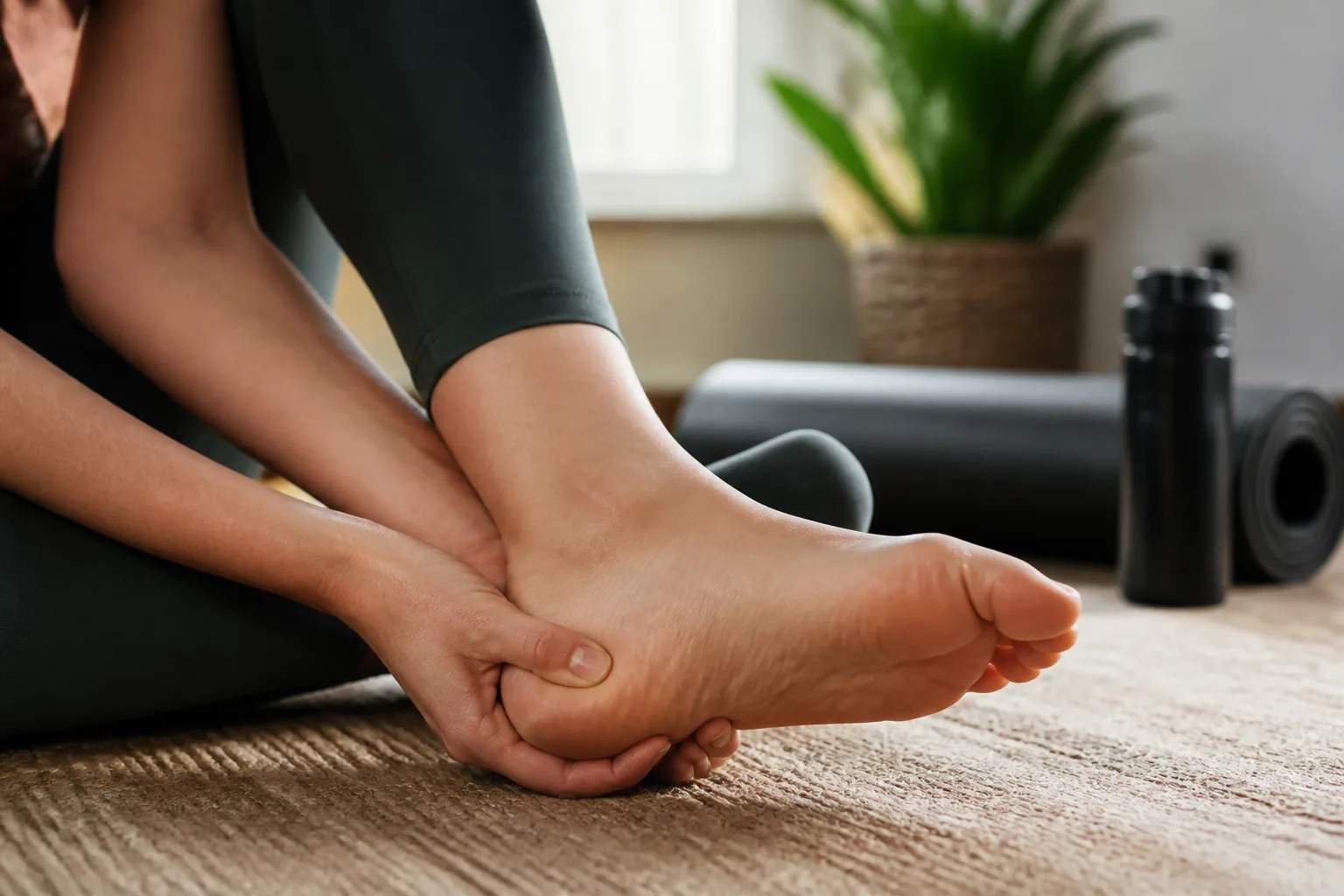
Plantar fasciitis is a common cause of heel pain from irritation of the tissue along the bottom of the foot. Most cases improve with conservative care, and a couple of recovery modalities have been studied as adjuncts.
Strongest grade · Supported by research
See the evidence →Fibromyalgia
Also known as Fibromyalgia syndrome
Fibromyalgia is a chronic pain-processing disorder, and no wellness modality cures it. Here is an honest, evidence-graded look at recovery approaches that have at least some credible research behind them.
Strongest grade · Emerging evidence
See the evidence →Sciatica
Also known as lumbar radiculopathy
A few recovery modalities have supportive or early evidence for the low back and leg pain of sciatica, but they work best alongside movement and medical guidance.
Strongest grade · Emerging evidence
See the evidence →023 conditions
Skin
Light-based and heat modalities studied for chronic skin conditions — and where they can make things worse.
Eczema (Atopic Dermatitis)
Also known as atopic dermatitis
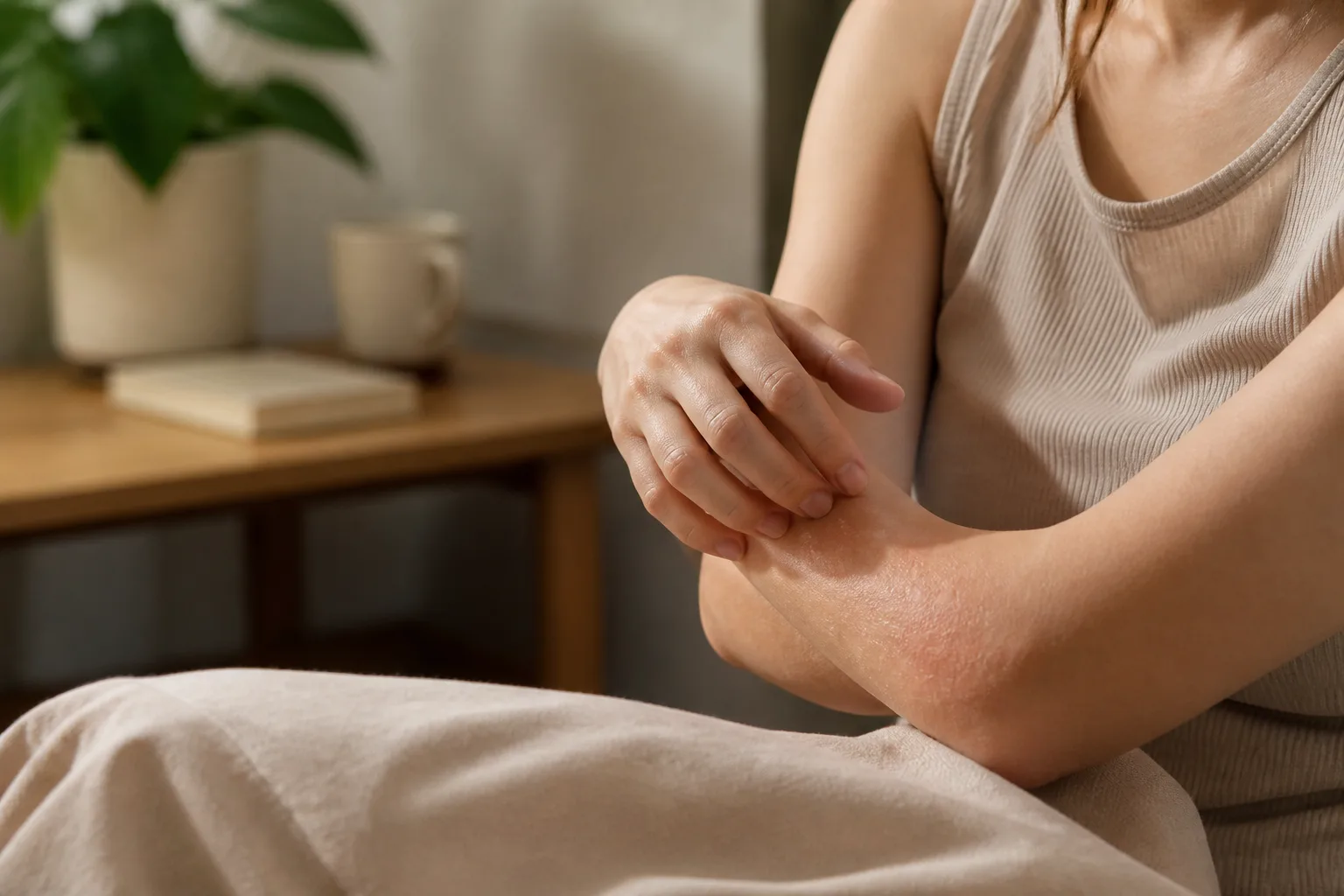
Eczema is a chronic, relapsing skin condition, and no wellness modality replaces dermatologist-guided care. That said, a few modalities have early evidence for supporting skin comfort and barrier function as complements to standard treatment.
Strongest grade · Limited evidence
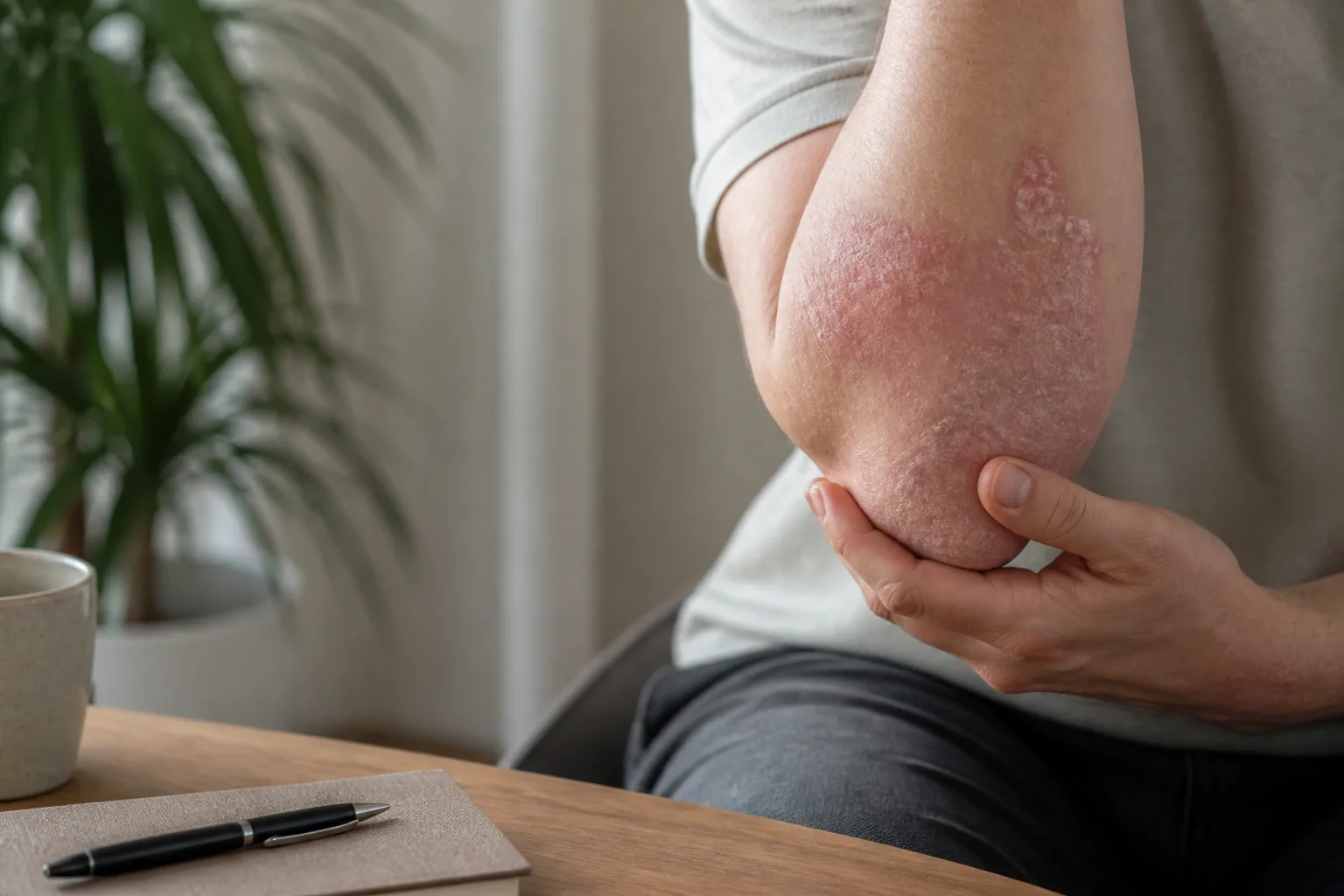
See the evidence →Psoriasis
Also known as plaque psoriasis
Psoriasis is a chronic, immune-driven skin condition, and no wellness modality substitutes for dermatologist-guided care. Some modalities have early or mixed evidence for supporting symptoms as complements to standard treatment.
Strongest grade · Mixed findings
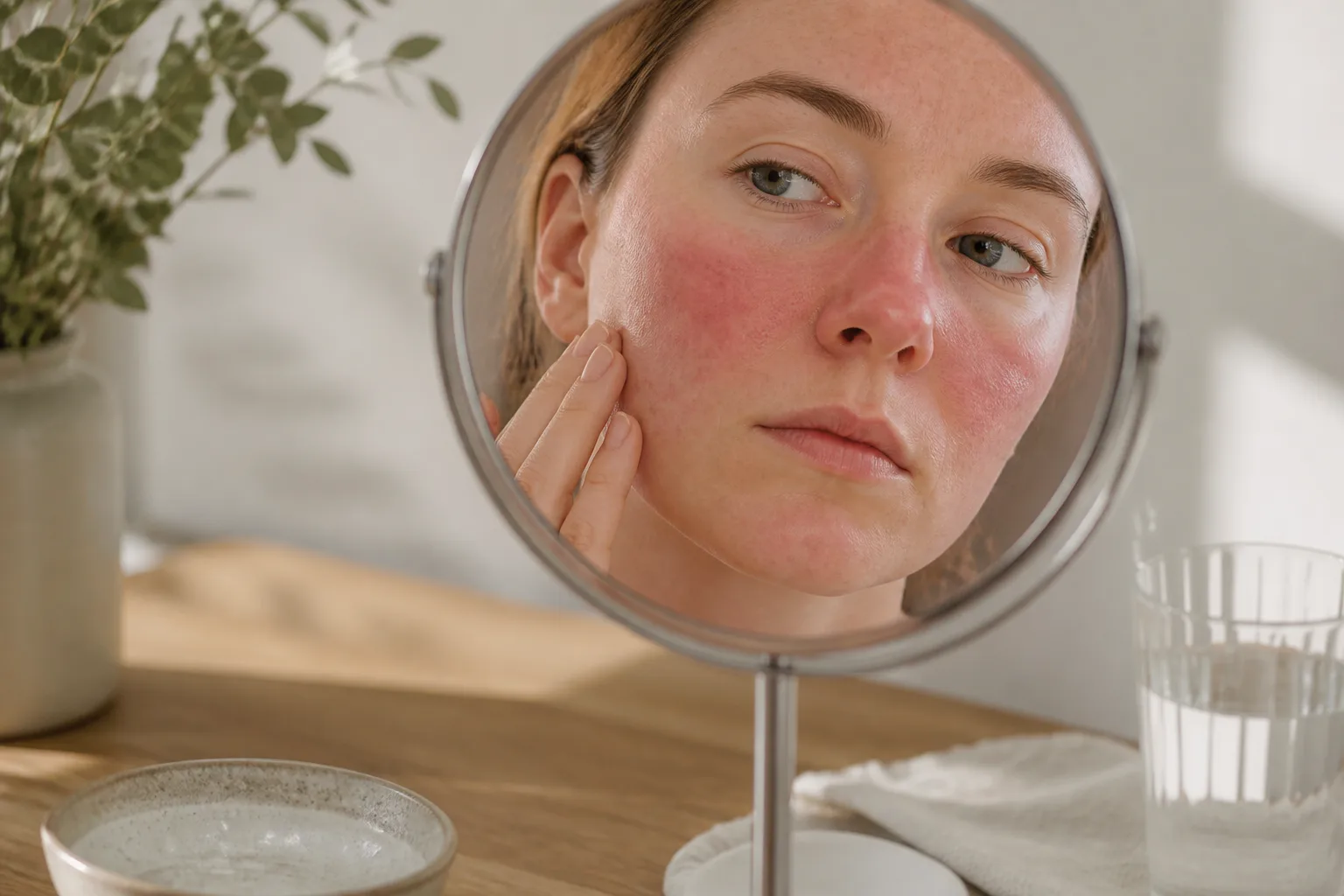
See the evidence →Rosacea
Also known as facial flushing disorder
Rosacea is a chronic facial-skin condition marked by flushing and persistent redness, and a few wellness modalities have early, hedged evidence for calming its symptoms.
Strongest grade · Emerging evidence
See the evidence →031 condition
Sleep
What thermal and relaxation modalities may (and may not) do for falling and staying asleep.
041 condition
Mental Health
Mood and stress research on recovery modalities — early, honest reads only.

051 condition
Heart & Metabolic
Blood pressure, circulation and metabolic health — where the evidence is real and where caution comes first.
062 conditions
Nerves & Neurological
Nerve pain and neurological symptoms — a space where hedging matters most.

Peripheral Neuropathy
Also known as diabetic peripheral neuropathy
Peripheral neuropathy causes numbness, tingling, and nerve pain — often in the feet — and a handful of recovery modalities have early, hedged evidence for easing symptoms.
Strongest grade · Emerging evidence
See the evidence →Migraine
Also known as migraine headache
Some recovery modalities have small, early studies for migraine relief, but none is a substitute for medical care or prescribed migraine treatment.
Strongest grade · Emerging evidence
See the evidence →072 conditions
Recovery & Healing
Swelling, lymphedema, long recoveries — modalities studied as complements to medical care.
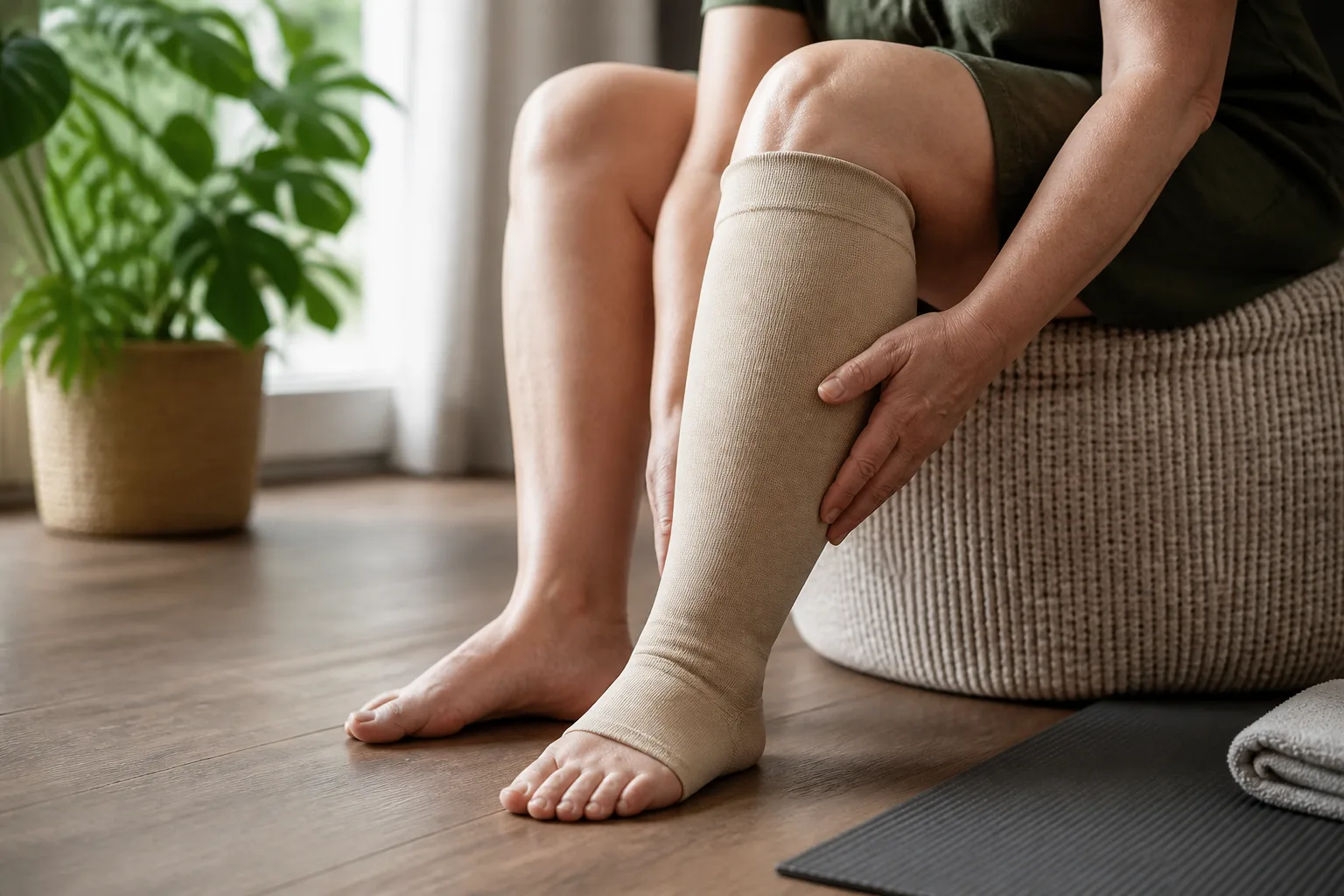
Lymphedema
Lymphedema is chronic swelling caused by a compromised lymphatic system. Compression is the established cornerstone of management, and a few recovery modalities have been studied as adjuncts alongside medical care.
Strongest grade · Established evidence
See the evidence →Long COVID
Also known as Post-COVID condition
Long COVID is a complex, multi-system condition, and no wellness modality is a cure. Here is an honest, evidence-graded look at where the research on recovery approaches actually stands.
Strongest grade · Mixed findings
See the evidence →Not sure which modality fits your situation?
Take the 60-second Fit Check and get an evidence-aware starting point — which modalities to look at, and which to run past your doctor first.