Conditions

Chronic Low Back Pain: What Recovery Modalities Can and Can't Do

Chronic low back pain, lasting more than about three months, is one of the most common reasons people seek care. Recovery modalities won't fix the underlying cause, but a few may offer modest, mostly short-term relief alongside the movement, exercise, and self-management that guidelines emphasize.

Updated July 20264 modalities graded7 sources
chronic LBPnonspecific low back painchronic lower back painpersistent back pain

This page is wellness information, not medical advice, and is not a diagnosis or treatment plan. Recovery modalities are complementary approaches that may support comfort but do not cure chronic low back pain or address its underlying cause. Talk with a qualified healthcare professional before starting any new modality, particularly if you have other health conditions, nerve symptoms, or take medication.

01The condition

What chronic low back pain is

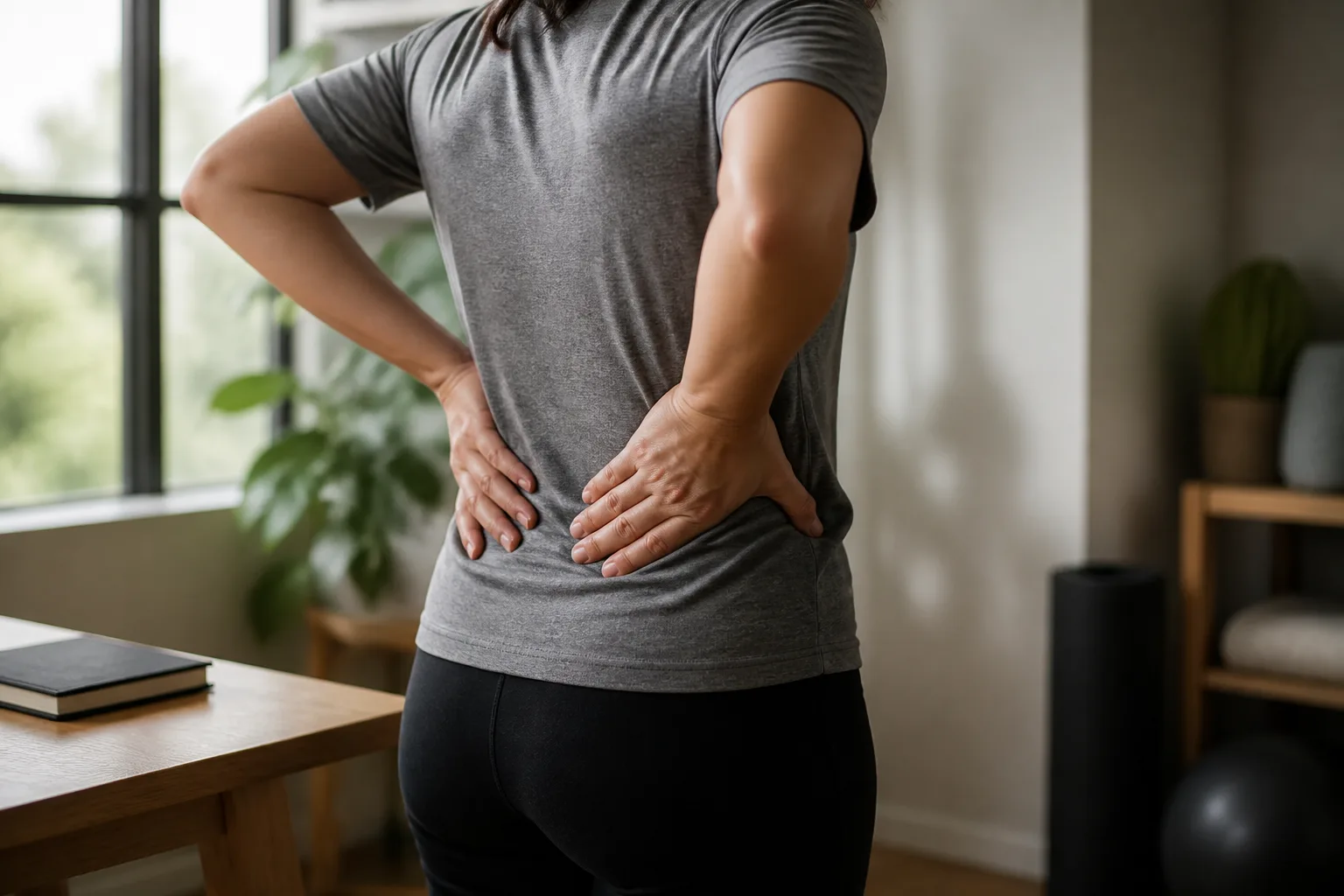
Chronic low back pain is pain in the lower back that persists for three months or longer, and in most cases no single structural cause can be pinpointed (nonspecific low back pain). Evidence-based care emphasizes staying active, exercise, physical therapy, and psychologically informed approaches, with complementary therapies used as adjuncts. Several recovery modalities have been studied for symptom relief and show hedged, mostly short-term results, while others are unproven or no better than placebo. None of these modalities is a cure, and responses differ from person to person.

Common symptoms

  • Aching, dull, or sharp pain in the lower back
  • Stiffness and reduced flexibility, especially after rest or in the morning
  • Muscle spasm or tension around the lower spine
  • Pain that radiates into the buttock or down the back of the leg (sciatica)
  • Difficulty standing up straight, bending, or maintaining posture
  • Pain that worsens with certain movements, prolonged sitting, or lifting

02The evidence

What might help, graded honestly

Each modality below is graded on the strength of its research for this condition specifically — strongest first, with what every cited study actually found.

Red light therapy

Mixed findings

Why it might help

Red and near-infrared light (photobiomodulation, studied as low-level laser therapy) is absorbed by cells and may modulate local inflammation and pain signaling in soft tissue around the spine.

What the research shows

Evidence is mixed: one meta-analysis found low-level laser therapy may reduce pain versus placebo in nonspecific chronic low back pain, though not disability, while other reviews and health authorities describe the benefit as limited and dependent on dose. Effects, where seen, tend to be modest and short-term.

Sources & what they found (2)

Float therapy

Mixed findings

Why it might help

Flotation-REST (floating in warm, high-salt water with minimized sensory input) is thought to promote deep muscle relaxation and lower stress, which may indirectly influence pain perception.

What the research shows

Evidence is mixed: a randomized trial found flotation-REST produced short-term relaxation and pain relief but no lasting benefit and no advantage over a convincing placebo, while broader reviews report fairly consistent short-term reductions in stress and tension. It may aid relaxation but is not an established treatment for back pain itself.

Sources & what they found (2)

Infrared sauna

Limited evidence

Why it might help

Infrared heat warms tissue, which may relax paraspinal muscles, increase local blood flow, and temporarily reduce the perception of pain and stiffness.

What the research shows

A small randomized trial found an infrared heat device reduced chronic low back pain more than placebo with no reported adverse effects, but the study was small and modality-specific evidence for infrared sauna is preliminary. It may offer short-term comfort as an adjunct.

Source & what it found

Percussion therapy

Limited evidence

Why it might help

Percussion and massage apply mechanical pressure and vibration to soft tissue, which may temporarily reduce muscle tension and pain perception; percussion devices are a newer form of massage-style stimulation.

What the research shows

Massage-style therapy has limited evidence suggesting short-term pain relief in nonspecific low back pain, with little support for lasting benefit. Most studies examined manual massage rather than percussion (massage-gun) devices specifically, so evidence for percussion tools is extrapolated and thin.

Sources & what they found (2)

Grades run from established (consistent human trials) down to not established(no good evidence) and reflect research quality for this condition specifically — not whether a modality “works” in general.

03Safety first

Check before you book

When these modalities can be risky

  • Percussion therapy: avoid over acute injuries, fractures, suspected deep vein thrombosis, directly over the spine or bony prominences, and with bleeding disorders or blood thinners; use caution with reduced sensation or neuropathy.
  • Float therapy: avoid with open wounds or skin infections, uncontrolled epilepsy, incontinence, active ear infections, or severe claustrophobia; seek guidance if pregnant or with cardiovascular conditions.
  • Infrared sauna: caution with uncontrolled high blood pressure, unstable cardiovascular disease, pregnancy, dehydration, or medications that impair heat tolerance.
  • Red-light therapy: use eye protection and be cautious with photosensitizing medications; avoid treating over active skin cancers.
  • Any modality should be paused if it sharply worsens your pain or triggers new leg weakness, numbness, or nerve symptoms — seek evaluation instead.

When to see a doctor

Seek prompt medical care if low back pain follows a significant injury or fall; if you develop new numbness or weakness in the legs, loss of bladder or bowel control, or numbness in the groin or inner thighs (possible cauda equina emergency — seek urgent care); or if pain comes with fever, unexplained weight loss, a history of cancer, night pain that wakes you, or steadily worsening symptoms despite self-care. These 'red flag' features need a diagnosis before relying on recovery modalities.

04Where to try it

Where to try red light therapy near you

Studios offering red light therapy — the modality with the strongest evidence grade on this page (mixed findings). If any caution above applies to you, talk to your clinician first.

DOC's

5 modalities

Wall, NJ

5.0· 1 reviews

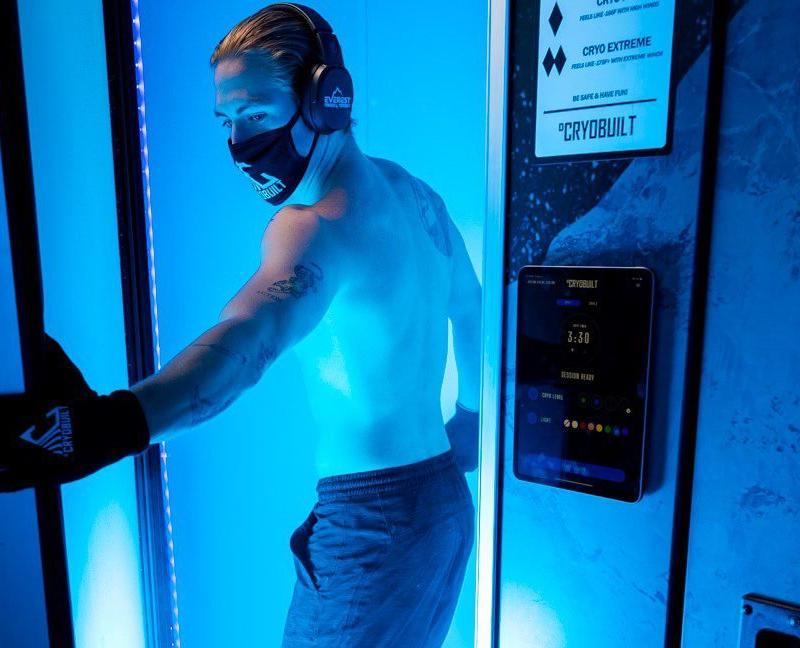
DOC's is a Wall, NJ recovery facility offering innovative holistic therapies for athletic performance and life extension — whole-body cryotherapy, hyperbaric oxygen, Normatec compression, Sunlighten infrared sauna, and Theralight red light.

CryotherapyHyperbaric oxygenCompression therapyInfrared sauna+1
Website ↗
Next Health West Hollywood — recovery studio in West Hollywood, CA

West Hollywood, CA

5.0· 2250 reviews

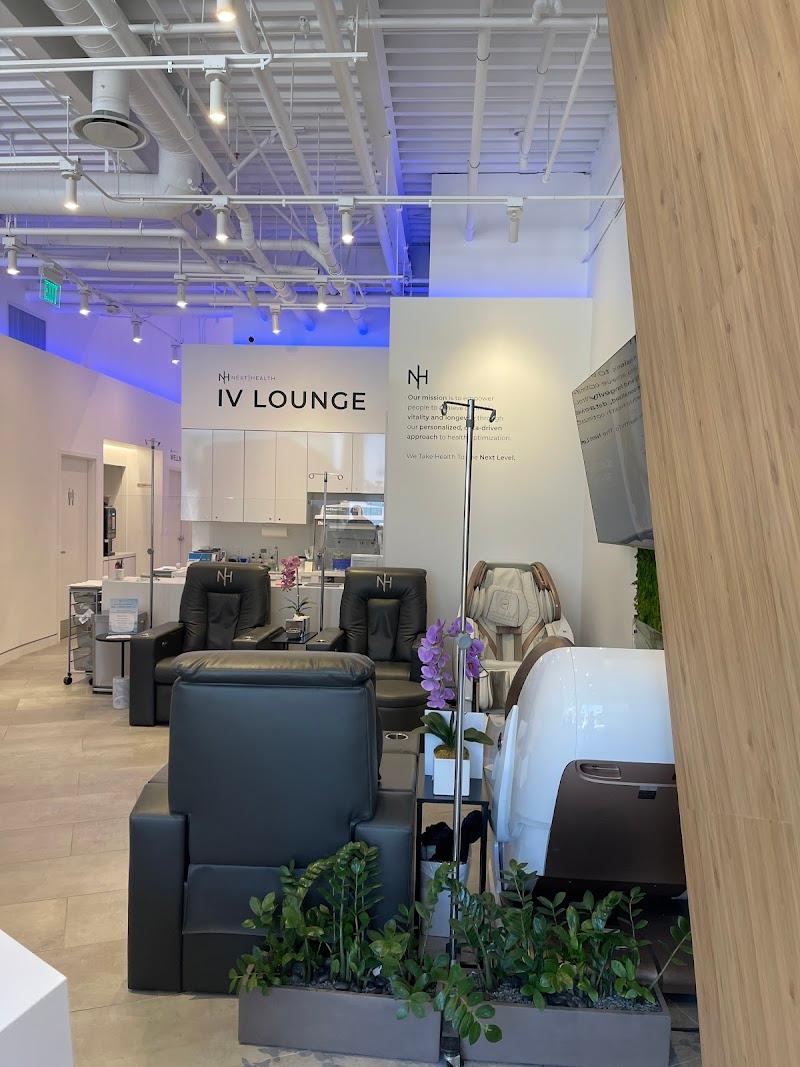
West Hollywood wellness center for NAD+, IV drips, hormone therapy, infrared therapy, hyperbaric oxygen, EBOO ozone & plasma exchange on the Sunset Strip.

CryotherapyHyperbaric oxygenInfrared saunaRed light therapy+1
Website ↗
Next Health — recovery studio in Los Angeles, CA

Next Health

4 modalities

Los Angeles, CA

5.0· 1493 reviews

Wellness center in Century City with IV drips, NAD+ infusions, hormone optimization, hyperbaric oxygen, infrared therapy, EBOO ozone & plasma exchange.

CryotherapyIV & hydrationHyperbaric oxygenRed light therapy
Website ↗

Next Health

5 modalities

New York, NY

5.0· 1217 reviews

Advanced wellness & longevity center on Madison Ave

CryotherapyIV & hydrationHyperbaric oxygenInfrared sauna+1
Website ↗
Restore Hyper Wellness - Houston, TX - West University — recovery studio in Houston, TX

Houston, TX

5.0· 1163 reviews

Personalized, science-backed recovery therapies in Houston West University including whole-body cryotherapy, red light therapy, infrared sauna, compression, IV drip therapy, and mild hyperbaric oxygen therapy to decrease inflammation, optimize sleep, and boost energy.

CryotherapyRed light therapyInfrared saunaCompression therapy+2
Website ↗

Kansas City, MO

5.0· 1047 reviews

Full-service hyper-wellness studio in Kansas City's Zona Rosa offering cryotherapy, infrared sauna, IV drips, red light, compression, and mild hyperbaric oxygen therapy.

CryotherapyLocalized cryotherapyInfrared saunaRed light therapy+3
Website ↗

05Questions

Frequently asked questions

Will any of these modalities cure my chronic back pain?

No. For most chronic low back pain there is no single fixable cause, and these modalities do not cure it. The evidence, where it exists, points to modest and often short-term relief that works best as an add-on to staying active, exercise, and guided self-management rather than as a standalone treatment.

Is heat or infrared therapy helpful for a stiff, aching lower back?

It may offer short-term comfort. A small randomized trial found an infrared heat device reduced chronic low back pain more than placebo, and gentle heat is widely used to relax tense back muscles. Evidence is limited, so treat it as a comfort measure alongside movement, not a fix, and avoid heat if your back is acutely inflamed or injured.

Do massage guns (percussion therapy) actually help back pain?

The honest answer is that evidence is thin. Manual massage has limited, low-quality support for short-term relief of nonspecific low back pain, and percussion devices are a newer variation studied far less. Many people find them relaxing, but keep expectations modest, avoid using them directly over the spine or bony areas, and stop if pain worsens.

Is float therapy proven to relieve back pain?

Not for the pain itself. A randomized trial found flotation-REST produced short-term relaxation and pain relief that was no better than a placebo and didn't last, while broader reviews note fairly consistent short-term drops in stress and tension. It may help you relax, but it isn't an established treatment for chronic low back pain.

When is back pain a sign I should stop self-treating and see a doctor?

Right away if you notice leg weakness, numbness spreading in your legs or groin, or loss of bladder or bowel control, or if pain follows a serious injury. Also see a clinician for pain with fever, unexplained weight loss, a cancer history, night pain that wakes you, or pain that keeps worsening despite self-care. These warrant evaluation before relying on recovery modalities.

Turn the evidence into a plan

Take the 60-second Fit Check and get an evidence-aware starting point — which modalities to look at first, and which to run past your doctor.

Wellness information, not medical advice. Recovery modalities do not treat or cure any condition and never replace care from a qualified clinician.