Conditions

Depressionand Recovery Modalities

Depression is a serious medical condition, and recovery modalities are at most a wellness adjunct to — never a substitute for — evidence-based care like therapy and medication. Below is an honest, hedged look at where early research on heat, float, light, and cold exposure stands, and where it clearly does not.

Updated July 20264 modalities graded7 sources
major depressive disorderclinical depressionlow mood

This page is wellness information, not medical advice, and it does not diagnose or treat any condition. Depression is a serious medical illness that requires professional evaluation and care. Nothing here should be used to delay, replace, or discontinue treatment prescribed by a qualified clinician. Always consult your healthcare provider before starting any new modality, especially if you take medication or have a heart, circulatory, or other medical condition.

01The condition

What depression is

Some people living with low mood explore recovery modalities alongside professional treatment, hoping to support sleep, stress, and general well-being. A handful of small studies have reported early, mostly short-term signals for approaches like whole-body heat and float therapy, but the evidence base is thin, largely unreplicated, and does not establish any of these as a treatment for depression. If you are considering any of these, treat them as complements to clinical care and discuss them with the provider managing your mental health.

Common symptoms

  • Persistent low, sad, or empty mood most of the day
  • Loss of interest or pleasure in things you used to enjoy (anhedonia)
  • Fatigue or noticeably low energy
  • Changes in sleep — insomnia or sleeping much more than usual
  • Changes in appetite or weight
  • Difficulty concentrating, and feelings of worthlessness or excessive guilt

02The evidence

What might help, graded honestly

Each modality below is graded on the strength of its research for this condition specifically — strongest first, with what every cited study actually found.

Infrared sauna

Emerging evidence

Why it might help

Deliberately raising core body temperature is hypothesized to stimulate warm-sensitive skin and brain pathways tied to serotonergic and thermoregulatory circuits, and may exert anti-inflammatory effects — proposed mechanisms that are not confirmed to drive any mood benefit.

What the research shows

A single small double-blind randomized trial found that one session of whole-body hyperthermia, delivered in an infrared sauna dome, was associated with lower depression-rating scores for up to six weeks versus a sham condition. The result is promising but unreplicated in larger trials and does not establish sauna use as a treatment for depression.

Source & what it found

Float therapy

Limited evidence

Why it might help

Floating in dense Epsom-salt water with minimal sensory input is thought to reduce sympathetic (stress) arousal and physiological tension; any effect on mood is presumed to work indirectly through relaxation and reduced anxiety rather than any direct antidepressant action.

What the research shows

Small open-label and feasibility studies report that single or repeated float-REST sessions are associated with short-term reductions in anxiety and depressive symptoms and are generally well tolerated in anxious, often co-occurring depressed, participants. The evidence is early, mostly uncontrolled for efficacy, and limited to acute effects — it does not show that floating treats depression.

Sources & what they found (2)

Red light therapy

Limited evidence

Why it might help

Near-infrared light applied to the forehead is thought to be absorbed by mitochondrial cytochrome c oxidase, potentially increasing cerebral metabolism and blood flow and modulating inflammation and oxidative stress — mechanisms studied mainly in early-stage and preclinical work.

What the research shows

One small double-blind, sham-controlled pilot of transcranial photobiomodulation reported greater improvement in depression scores than sham, but the sample was tiny (about 21 enrolled, 13 completers). Importantly, this used a specific forehead-applied near-infrared device — consumer red-light panels are not equivalent, and the finding needs replication before any conclusion.

Source & what it found

Cold plunge

Limited evidence

Why it might help

Brief cold-water immersion triggers a surge in noradrenaline and endorphins and a shift in autonomic (sympathetic-then-parasympathetic) activity, which has been associated with a transient lift in alertness and positive mood — not a demonstrated antidepressant effect.

What the research shows

Short cold-water immersion has been associated with acute increases in positive affect and reductions in negative affect in small studies of healthy adults. This is not the same as treating clinical depression, and controlled trials in people diagnosed with depression are lacking, so the signal should be read as early and non-specific.

Source & what it found

Grades run from established (consistent human trials) down to not established(no good evidence) and reflect research quality for this condition specifically — not whether a modality “works” in general.

03Safety first

Check before you book

When these modalities can be risky

  • Depression is a serious condition — recovery modalities are not a treatment, and you should never stop or reduce prescribed antidepressants or therapy without your clinician's guidance.
  • If you are experiencing thoughts of suicide or self-harm, do not turn to a wellness modality — seek emergency help immediately (in the U.S., call or text 988).
  • Cold-plunge / cold-water immersion: avoid or seek clearance with cardiovascular disease, uncontrolled hypertension, arrhythmia, Raynaud's, or cold urticaria; cold shock is a real risk, never combine with alcohol, and some psychiatric medications affect heart rhythm and cold tolerance.
  • Infrared sauna / whole-body heat: caution with uncontrolled hypertension or cardiovascular disease, pregnancy, and dehydration; some psychiatric medications reduce sweating or heat dissipation (raising overheating risk), so confirm with your prescriber first.
  • Float therapy: sensory isolation can be distressing for people with severe claustrophobia, active psychosis, or during an acute suicidal or panic crisis; discuss with your provider before trying it.
  • Red-light / transcranial photobiomodulation: keep light away from the eyes, use caution with photosensitizing medications, and be aware that consumer panels are not the studied medical devices.

When to see a doctor

See a healthcare or mental-health professional if low mood, loss of interest, or related symptoms persist for two weeks or more, worsen, or interfere with work, relationships, or daily functioning. Seek help urgently for any thoughts of death, self-harm, or suicide — in the U.S., call or text the 988 Suicide and Crisis Lifeline (available 24/7) or go to the nearest emergency room. Depression is highly treatable with professional care, and recovery modalities should only ever sit alongside that care, not replace it.

04Where to try it

Where to try infrared sauna near you

Studios offering infrared sauna — the modality with the strongest evidence grade on this page (emerging evidence). If any caution above applies to you, talk to your clinician first.

DOC's

5 modalities

Wall, NJ

5.0· 1 reviews

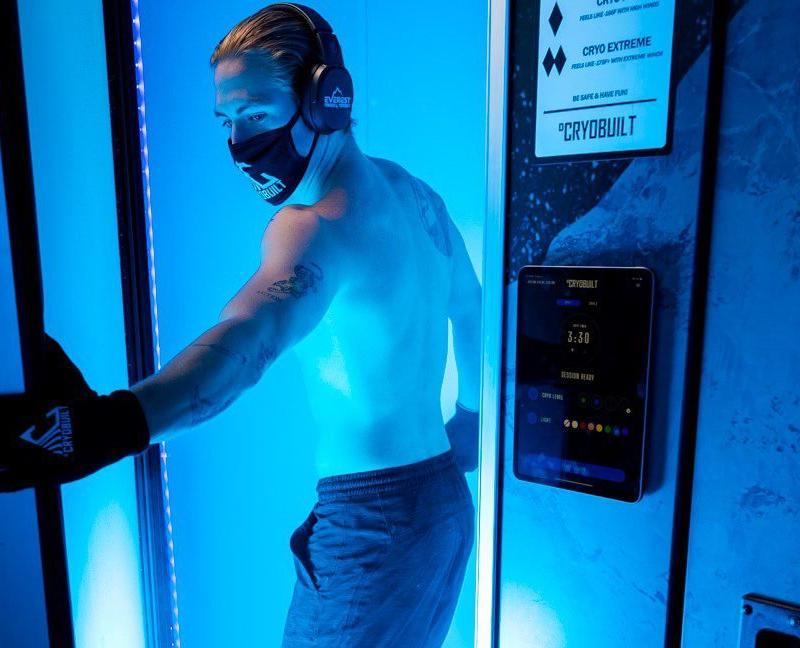
DOC's is a Wall, NJ recovery facility offering innovative holistic therapies for athletic performance and life extension — whole-body cryotherapy, hyperbaric oxygen, Normatec compression, Sunlighten infrared sauna, and Theralight red light.

CryotherapyHyperbaric oxygenCompression therapyInfrared sauna+1
Website ↗
Next Health West Hollywood — recovery studio in West Hollywood, CA

West Hollywood, CA

5.0· 2250 reviews

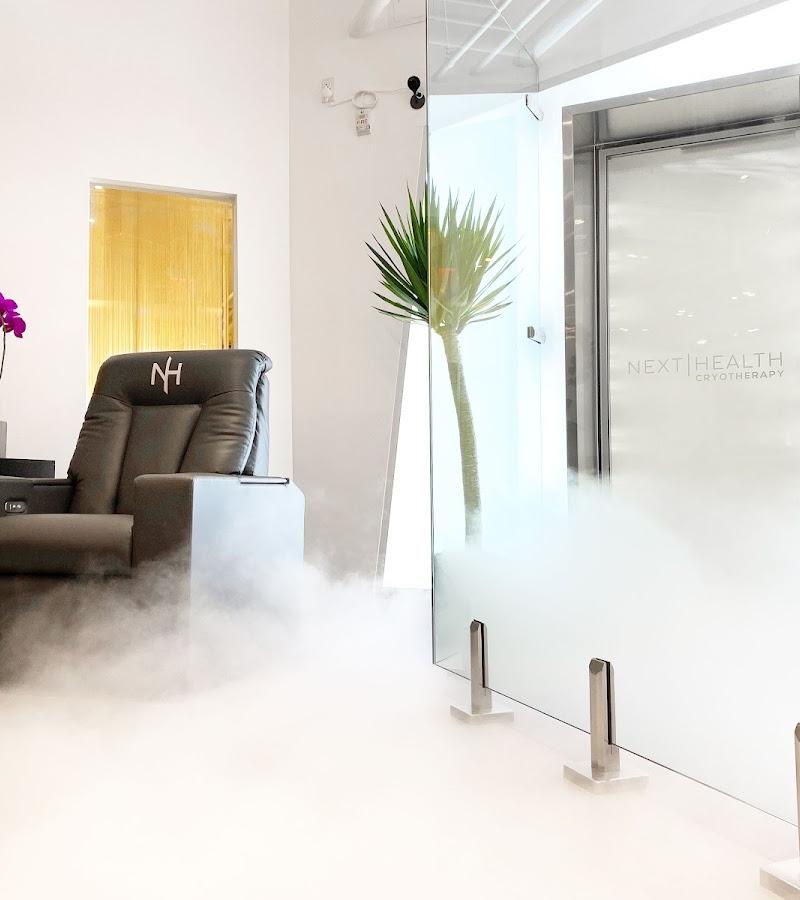
West Hollywood wellness center for NAD+, IV drips, hormone therapy, infrared therapy, hyperbaric oxygen, EBOO ozone & plasma exchange on the Sunset Strip.

CryotherapyHyperbaric oxygenInfrared saunaRed light therapy+1
Website ↗
Next Health — recovery studio in New York, NY

Next Health

5 modalities

New York, NY

5.0· 1217 reviews

Advanced wellness & longevity center on Madison Ave

CryotherapyIV & hydrationHyperbaric oxygenInfrared sauna+1
Website ↗
Restore Hyper Wellness - Houston, TX - West University — recovery studio in Houston, TX

Houston, TX

5.0· 1163 reviews

Personalized, science-backed recovery therapies in Houston West University including whole-body cryotherapy, red light therapy, infrared sauna, compression, IV drip therapy, and mild hyperbaric oxygen therapy to decrease inflammation, optimize sleep, and boost energy.

CryotherapyRed light therapyInfrared saunaCompression therapy+2
Website ↗

Kansas City, MO

5.0· 1047 reviews

Full-service hyper-wellness studio in Kansas City's Zona Rosa offering cryotherapy, infrared sauna, IV drips, red light, compression, and mild hyperbaric oxygen therapy.

CryotherapyLocalized cryotherapyInfrared saunaRed light therapy+3
Website ↗

Lancaster, PA

5.0· 759 reviews

Recovery & Wellness Optimization Center

Compression therapyCryotherapyHyperbaric oxygenInfrared sauna+2
Website ↗

05Questions

Frequently asked questions

Can a sauna, cold plunge, or float session treat my depression?

No. At best, some small studies suggest these may be associated with short-term mood or stress benefits for certain people, and the research is early and unreplicated. They are not a treatment for depression and should only be used, if at all, as a complement to professional care like therapy and medication.

Which modality has the strongest evidence for low mood?

The best-designed study to date is a small double-blind randomized trial of whole-body hyperthermia (delivered in an infrared sauna dome), which found reduced depression scores versus sham for up to six weeks. Even so, it is a single small trial that needs replication, and float, near-infrared light, and cold exposure rest on smaller or uncontrolled studies. Treat all of it as preliminary.

Should I stop my antidepressant or therapy if I start one of these?

No — never stop or change prescribed treatment on your own. Stopping antidepressants abruptly can cause withdrawal effects and relapse. If you want to add a recovery modality, keep your existing treatment and talk to the clinician managing your care first.

Are these modalities safe if I take psychiatric medication?

Not always. Some psychiatric medications affect how your body handles heat (sweating and cooling) or your heart rhythm, which matters for sauna heat and for the cold-shock response of cold plunges. Check with your prescriber before trying heat or cold exposure, and disclose all medications.

What should I do if I'm having thoughts of suicide?

Please reach out for help right now, not to a wellness modality. In the U.S., call or text 988 to reach the Suicide and Crisis Lifeline, available 24/7, or go to your nearest emergency room. If you are outside the U.S., contact your local emergency number or crisis line.

Turn the evidence into a plan

Take the 60-second Fit Check and get an evidence-aware starting point — which modalities to look at first, and which to run past your doctor.

Wellness information, not medical advice. Recovery modalities do not treat or cure any condition and never replace care from a qualified clinician.