Conditions

Migraineand Recovery Modalities: What the Evidence Says

Some recovery modalities have small, early studies for migraine relief, but none is a substitute for medical care or prescribed migraine treatment.

Updated July 20263 modalities graded5 sources
migraine headachemigrainesmigraine with aura

This page is wellness information, not medical advice, and does not diagnose or treat migraine. Recovery modalities are complementary options, not replacements for professional care or prescribed medication. Talk with a qualified healthcare provider before starting any new therapy.

01The condition

What migraine is

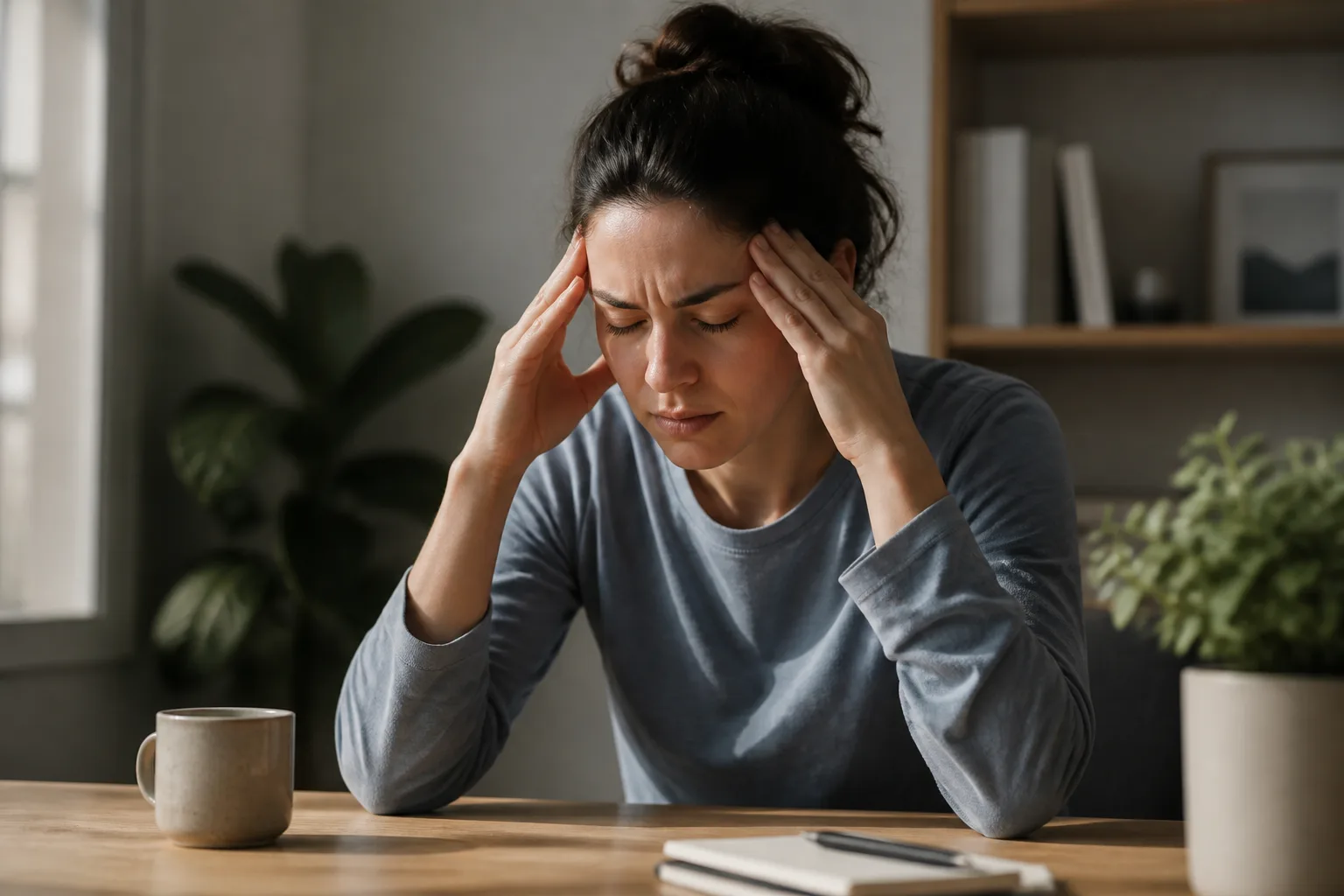
Migraine is a neurological condition marked by recurrent, often one-sided throbbing head pain that can be accompanied by nausea and sensitivity to light and sound. A handful of recovery modalities have been studied as complementary options, but the evidence is generally small-scale and early. Where signals exist, they tend to be for easing an acute attack rather than preventing migraines, and results should be read cautiously. Anyone with frequent or severe migraines should work with a clinician on a diagnosis and evidence-based plan.

Common symptoms

  • Moderate to severe throbbing or pulsing head pain, often on one side
  • Nausea or vomiting
  • Sensitivity to light, sound, or smells
  • Visual aura such as flashes or blind spots before the headache
  • Neck stiffness or tension before an attack
  • Fatigue and difficulty concentrating during and after (postdrome)

02The evidence

What might help, graded honestly

Each modality below is graded on the strength of its research for this condition specifically — strongest first, with what every cited study actually found.

Cryotherapy

Emerging evidence

Why it might help

Applying cold to the neck over the carotid arteries is thought to cool passing blood and dampen some of the vascular changes and nerve (nociceptive) signaling involved in a migraine attack.

What the research shows

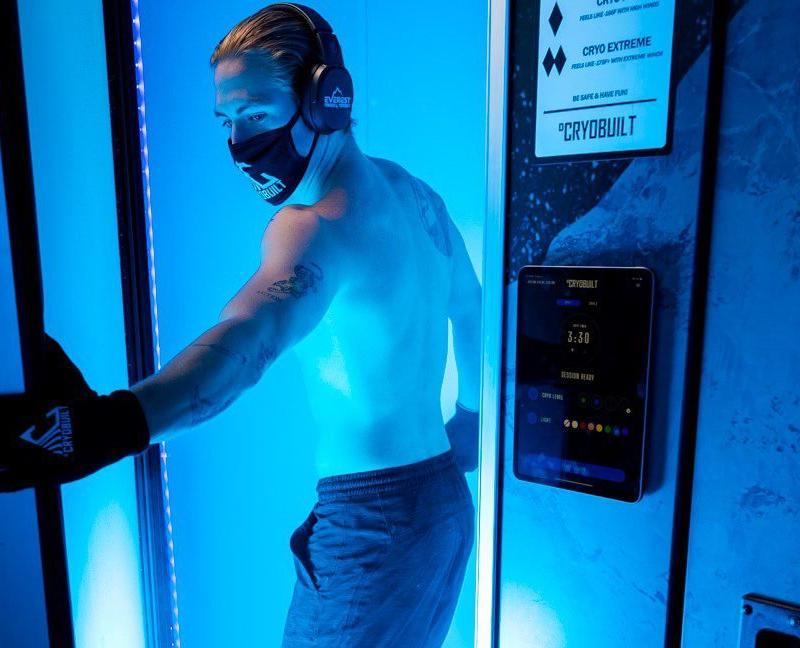
A small randomized controlled trial of targeted neck cooling reported reduced migraine pain during an attack, but the evidence comes from localized cold application rather than whole-body cryotherapy chambers, and studies remain small and short-term.

Source & what it found

Hyperbaric oxygen

Mixed findings

Why it might help

Breathing oxygen at increased pressure may cause cerebral blood vessels to constrict and could influence cortical spreading depression, which is proposed to help abort an acute migraine.

What the research shows

A Cochrane review found some low-certainty evidence that hyperbaric oxygen may help terminate an acute migraine, but no evidence that it prevents future attacks; cost and limited access make it impractical for routine use.

Source & what it found

PEMF

Not established

Why it might help

Pulsed electromagnetic fields are proposed to modulate neuronal excitability, but a clear, migraine-specific mechanism has not been confirmed.

What the research shows

In a double-blind crossover trial, pulsed electromagnetic field therapy did not reduce migraine frequency or intensity more than placebo, so current evidence does not support PEMF as a migraine treatment.

Source & what it found

Grades run from established (consistent human trials) down to not established(no good evidence) and reflect research quality for this condition specifically — not whether a modality “works” in general.

03Safety first

Check before you book

When these modalities can be risky

  • Cold exposure (localized cold or cryotherapy) may be inadvisable for people with Raynaud's phenomenon, cold urticaria, or significant cardiovascular disease
  • Hyperbaric oxygen is contraindicated with an untreated pneumothorax and requires screening for certain ear, sinus, and lung conditions and for claustrophobia
  • PEMF devices should generally be avoided by people with pacemakers, implanted defibrillators, or other active implanted electronics
  • A sudden, severe 'thunderclap' headache, or a headache with fever, stiff neck, confusion, weakness, or vision loss, is a medical emergency and not a candidate for self-directed recovery modalities

When to see a doctor

Seek emergency care for a sudden 'worst headache of your life,' or a headache with fever, stiff neck, confusion, fainting, weakness, numbness, difficulty speaking, or vision loss. See a clinician promptly for a first-ever severe headache, new headaches after age 50, headaches that are becoming more frequent or severe, or migraines that are not controlled by your current plan.

04Where to try it

Where to try cryotherapy near you

Studios offering cryotherapy — the modality with the strongest evidence grade on this page (emerging evidence). If any caution above applies to you, talk to your clinician first.

DOC's

5 modalities

Wall, NJ

5.0· 1 reviews

DOC's is a Wall, NJ recovery facility offering innovative holistic therapies for athletic performance and life extension — whole-body cryotherapy, hyperbaric oxygen, Normatec compression, Sunlighten infrared sauna, and Theralight red light.

CryotherapyHyperbaric oxygenCompression therapyInfrared sauna+1
Website ↗
Next Health West Hollywood — recovery studio in West Hollywood, CA

West Hollywood, CA

5.0· 2250 reviews

West Hollywood wellness center for NAD+, IV drips, hormone therapy, infrared therapy, hyperbaric oxygen, EBOO ozone & plasma exchange on the Sunset Strip.

CryotherapyHyperbaric oxygenInfrared saunaRed light therapy+1
Website ↗
Next Health — recovery studio in Los Angeles, CA

Next Health

4 modalities

Los Angeles, CA

5.0· 1493 reviews

Wellness center in Century City with IV drips, NAD+ infusions, hormone optimization, hyperbaric oxygen, infrared therapy, EBOO ozone & plasma exchange.

CryotherapyIV & hydrationHyperbaric oxygenRed light therapy
Website ↗

Next Health

5 modalities

New York, NY

5.0· 1217 reviews

Advanced wellness & longevity center on Madison Ave

CryotherapyIV & hydrationHyperbaric oxygenInfrared sauna+1
Website ↗
Restore Hyper Wellness - Houston, TX - West University — recovery studio in Houston, TX

Houston, TX

5.0· 1163 reviews

Personalized, science-backed recovery therapies in Houston West University including whole-body cryotherapy, red light therapy, infrared sauna, compression, IV drip therapy, and mild hyperbaric oxygen therapy to decrease inflammation, optimize sleep, and boost energy.

CryotherapyRed light therapyInfrared saunaCompression therapy+2
Website ↗

Kansas City, MO

5.0· 1047 reviews

Full-service hyper-wellness studio in Kansas City's Zona Rosa offering cryotherapy, infrared sauna, IV drips, red light, compression, and mild hyperbaric oxygen therapy.

CryotherapyLocalized cryotherapyInfrared saunaRed light therapy+3
Website ↗

05Questions

Frequently asked questions

Can cold therapy actually stop a migraine?

Cold is one of the most common self-care strategies for migraine, and a small randomized trial of targeted neck cooling found reduced pain during an attack. Evidence is early and comes from localized cooling, so it may help some people ease symptoms but should not be expected to reliably 'stop' a migraine.

Does hyperbaric oxygen therapy help migraines?

A Cochrane review found some low-certainty evidence that hyperbaric oxygen may help terminate an acute migraine, but no evidence it prevents attacks. Because of cost and limited access, it is generally considered only for people who have not responded to standard treatments, and only under medical supervision.

Is red light therapy good for migraines?

A systematic review of photobiomodulation for primary headache concluded the current, very-low-certainty evidence does not support it for reducing migraine pain or frequency. It is not a substitute for proven migraine care, and visual exposure to some red light has actually been reported to worsen headache in migraine patients.

Can a sauna trigger a migraine?

Possibly. Heat, dehydration, and rapid changes in temperature are recognized migraine triggers for some people, so heat-based modalities can help relaxation for some and provoke symptoms in others. If you're prone to migraine, ease in gradually, stay well hydrated, and stop if you notice warning signs.

Are recovery modalities a replacement for migraine medication?

No. These modalities are complementary at best, and the evidence for most is small or unproven. Acute and preventive migraine medications remain the mainstay of care, so use recovery modalities alongside—not instead of—a plan you've built with a clinician.

Turn the evidence into a plan

Take the 60-second Fit Check and get an evidence-aware starting point — which modalities to look at first, and which to run past your doctor.

Wellness information, not medical advice. Recovery modalities do not treat or cure any condition and never replace care from a qualified clinician.