Conditions

Plantar Fasciitis: Recovery Modalities and the Evidence

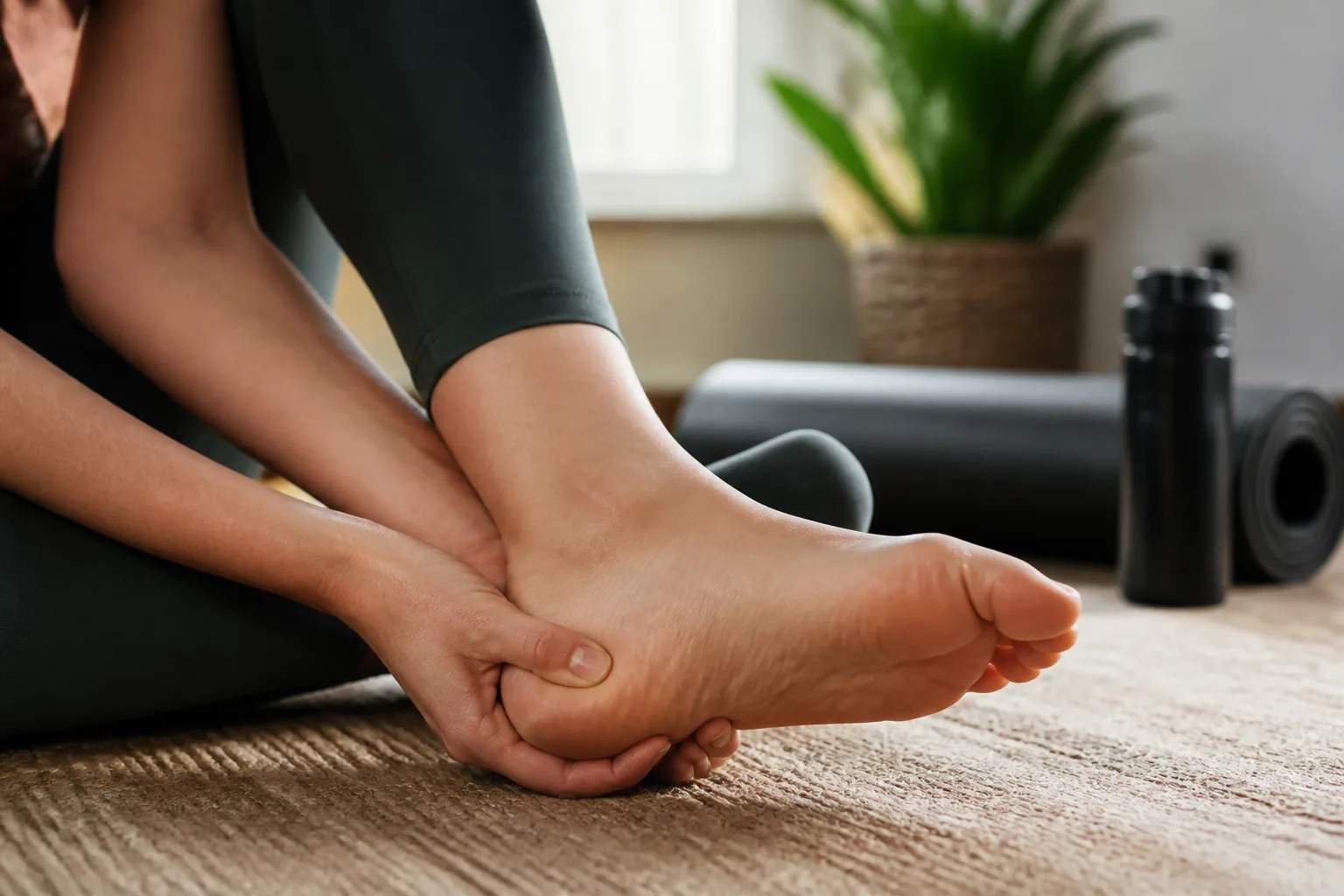
Plantar fasciitis is a common cause of heel pain from irritation of the tissue along the bottom of the foot. Most cases improve with conservative care, and a couple of recovery modalities have been studied as adjuncts.

Updated July 20262 modalities graded3 sources

This page is wellness information for general education and is not medical advice, diagnosis, or treatment. Always consult a qualified healthcare professional before starting, stopping, or combining any therapy, especially if you have another medical condition.

01The condition

What plantar fasciitis is

Plantar fasciitis is irritation and degeneration of the plantar fascia, the thick band of tissue running along the sole of the foot, and it is a leading cause of heel pain. The evidence-based foundation of care is conservative: calf and plantar-fascia stretching, supportive footwear or orthotics, activity and load management, and time, with most people improving over weeks to months. A few recovery modalities have been studied as possible adjuncts to this foundation. They may help with symptoms for some people but are not stand-alone fixes.

Common symptoms

  • Sharp or stabbing heel pain, often worst with the first steps in the morning
  • Pain that eases with light activity but returns after long standing or walking
  • Tenderness at the bottom of the heel or along the arch
  • Stiffness in the foot after rest or sitting
  • Discomfort that worsens after (rather than during) exercise
  • Pain aggravated by walking barefoot on hard surfaces

02The evidence

What might help, graded honestly

Each modality below is graded on the strength of its research for this condition specifically — strongest first, with what every cited study actually found.

Red light therapy

Supported by research

Why it might help

Low-level laser therapy (photobiomodulation) delivers specific wavelengths of light to the tissue and is thought to modulate local inflammation and support tissue repair, which studies associate with reduced heel pain.

What the research shows

A meta-analysis of randomized trials and additional RCTs suggest low-level laser (photobiomodulation) therapy may be associated with meaningful reductions in heel pain when added to usual care such as stretching and orthotics. Evidence for improved function is less consistent, and it is best used as an adjunct rather than a stand-alone treatment.

Sources & what they found (2)

Cryotherapy

Limited evidence

Why it might help

Applying cold to the heel and arch causes local vasoconstriction and can temporarily numb the area, which may reduce pain and the sensation of inflammation after aggravating activity.

What the research shows

Localized cold, such as rolling the foot on a frozen bottle, is commonly recommended for short-term symptom relief in plantar fasciitis, though it is a comfort measure rather than a studied cure. Evidence is limited and it is best combined with the stretching and footwear changes that form the foundation of care.

Source & what it found

Grades run from established (consistent human trials) down to not established(no good evidence) and reflect research quality for this condition specifically — not whether a modality “works” in general.

03Safety first

Check before you book

When these modalities can be risky

  • Cold application should be used cautiously by people with Raynaud's phenomenon or cold hypersensitivity
  • Reduced foot sensation or peripheral neuropathy (for example from diabetes) raises the risk of cold injury and warrants clinician guidance before icing
  • Avoid applying ice directly to skin for prolonged periods to prevent frostbite; use a barrier and limit duration
  • Red-light/laser therapy is generally avoided over areas of active or suspected cancer without oncologist input, and eye exposure should be avoided
  • Persistent, severe, or night heel pain, or pain after an injury, should be evaluated to rule out a stress fracture or nerve involvement before self-treating

When to see a doctor

See a healthcare provider if heel or foot pain does not improve within a couple of weeks of conservative care, if pain is severe, follows an injury, or is accompanied by numbness, tingling, significant swelling, redness, or fever, or if it interferes with walking. These can signal a stress fracture, nerve entrapment, or another condition that needs assessment.

04Where to try it

Where to try red light therapy near you

Studios offering red light therapy — the modality with the strongest evidence grade on this page (supported by research). If any caution above applies to you, talk to your clinician first.

DOC's

5 modalities

Wall, NJ

5.0· 1 reviews

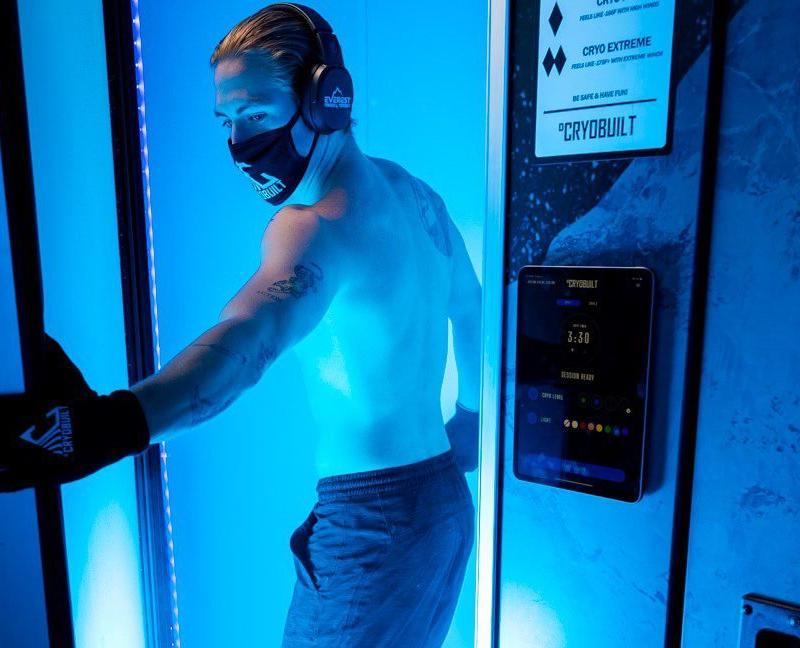
DOC's is a Wall, NJ recovery facility offering innovative holistic therapies for athletic performance and life extension — whole-body cryotherapy, hyperbaric oxygen, Normatec compression, Sunlighten infrared sauna, and Theralight red light.

CryotherapyHyperbaric oxygenCompression therapyInfrared sauna+1
Website ↗
Next Health West Hollywood — recovery studio in West Hollywood, CA

West Hollywood, CA

5.0· 2250 reviews

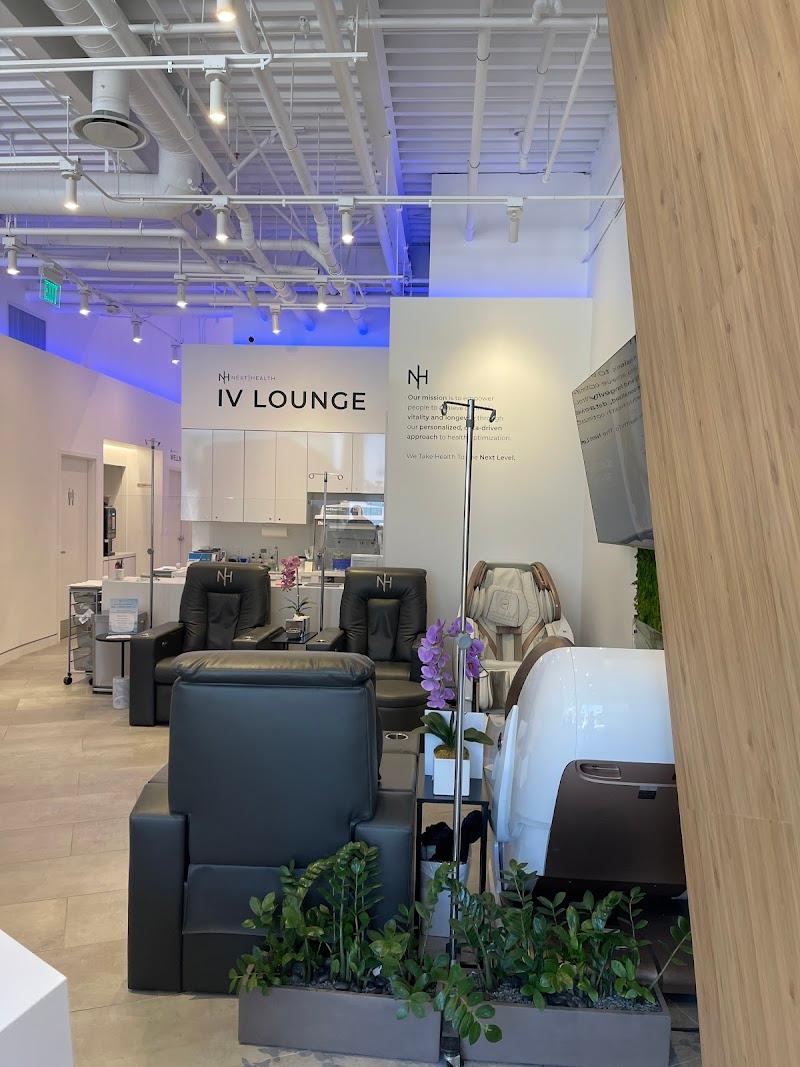
West Hollywood wellness center for NAD+, IV drips, hormone therapy, infrared therapy, hyperbaric oxygen, EBOO ozone & plasma exchange on the Sunset Strip.

CryotherapyHyperbaric oxygenInfrared saunaRed light therapy+1
Website ↗
Next Health — recovery studio in Los Angeles, CA

Next Health

4 modalities

Los Angeles, CA

5.0· 1493 reviews

Wellness center in Century City with IV drips, NAD+ infusions, hormone optimization, hyperbaric oxygen, infrared therapy, EBOO ozone & plasma exchange.

CryotherapyIV & hydrationHyperbaric oxygenRed light therapy
Website ↗

Next Health

5 modalities

New York, NY

5.0· 1217 reviews

Advanced wellness & longevity center on Madison Ave

CryotherapyIV & hydrationHyperbaric oxygenInfrared sauna+1
Website ↗
Restore Hyper Wellness - Houston, TX - West University — recovery studio in Houston, TX

Houston, TX

5.0· 1163 reviews

Personalized, science-backed recovery therapies in Houston West University including whole-body cryotherapy, red light therapy, infrared sauna, compression, IV drip therapy, and mild hyperbaric oxygen therapy to decrease inflammation, optimize sleep, and boost energy.

CryotherapyRed light therapyInfrared saunaCompression therapy+2
Website ↗

Kansas City, MO

5.0· 1047 reviews

Full-service hyper-wellness studio in Kansas City's Zona Rosa offering cryotherapy, infrared sauna, IV drips, red light, compression, and mild hyperbaric oxygen therapy.

CryotherapyLocalized cryotherapyInfrared saunaRed light therapy+3
Website ↗

05Questions

Frequently asked questions

Does red-light or laser therapy actually help plantar fasciitis?

A meta-analysis of randomized trials and additional studies suggest low-level laser (photobiomodulation) therapy may be associated with reduced heel pain when added to usual care like stretching and orthotics. The evidence is more convincing for pain than for function, and it works best as an adjunct rather than a stand-alone fix.

Should I ice my heel or use heat?

Localized cold, such as rolling the foot on a frozen water bottle, is commonly recommended for short-term pain relief in plantar fasciitis, though evidence is limited and it is a comfort measure rather than a cure. Some people prefer heat before stretching; there is no strong evidence favoring one universally, so use what eases your symptoms and pair it with stretching and supportive footwear.

How long does plantar fasciitis take to get better?

Most people improve over several weeks to a few months with conservative care such as stretching, supportive footwear or orthotics, and load management. Recovery modalities may help with symptoms along the way, but patience with the foundational measures is generally what drives improvement.

Are recovery modalities a substitute for stretching and good shoes?

No. Stretching, supportive footwear or orthotics, and managing activity are the evidence-based foundation for plantar fasciitis. Modalities like red-light therapy or icing are best viewed as adjuncts layered on top of that foundation, not replacements for it.

When is heel pain something more serious than plantar fasciitis?

Heel pain that follows an injury, is severe or constant, wakes you at night, or comes with numbness, tingling, significant swelling, redness, or fever deserves medical evaluation, since it could reflect a stress fracture, nerve entrapment, or another condition rather than simple plantar fasciitis.

Turn the evidence into a plan

Take the 60-second Fit Check and get an evidence-aware starting point — which modalities to look at first, and which to run past your doctor.

Wellness information, not medical advice. Recovery modalities do not treat or cure any condition and never replace care from a qualified clinician.