Loading…
Recovery directory · Tulsa
Red light therapy in Tulsa
Light panels and LED beds in Tulsa: the shortlisted studios and first-visit offers below come from the operators' own listings.
2
listed studios
Figures on this page are observations from the 2 studios listed below, as of 2 Sept 2026.
Listed in South Tulsa and Utica Square
No area repeats: each of the 2 named areas of Tulsa holds exactly one listing, counted from what these studios publish.
from 2 listed studios
- South Tulsa
- 1 listing
- Utica Square
- 1 listing
Operator-listed hours
Hours at Solix Wellness Studio and Recover Therapy
Solix Wellness Studio posts both the earliest open (8am) and the latest close (8pm) here. Every schedule below posts weekend hours. Confirm current hours directly with the studio before you go.
from 2 listed studios
- Solix Wellness Studio
- Mon–Sat 8am–8pm · Sun 11am–5pm
- Recover Therapy
- Mon–Fri 8am–7pm · Sat 9am–4pm · Sun 10am–4pm
Operator-listed intro offers
Intro offers at Solix Wellness Studio
The terms below are the operator's own words. Confirm eligibility with the studio before you book.
from 1 listed studio
- Solix Wellness Studio
- Free Light Therapy OR Infrared Sauna session for all new customers
Tulsa’s red light therapy shortlist
Solix Wellness Studio leads on Google rating, ahead of Recover Therapy.
New to red light therapy?
The guide covers what a light session involves; worth a look before you compare the 2 listings here.
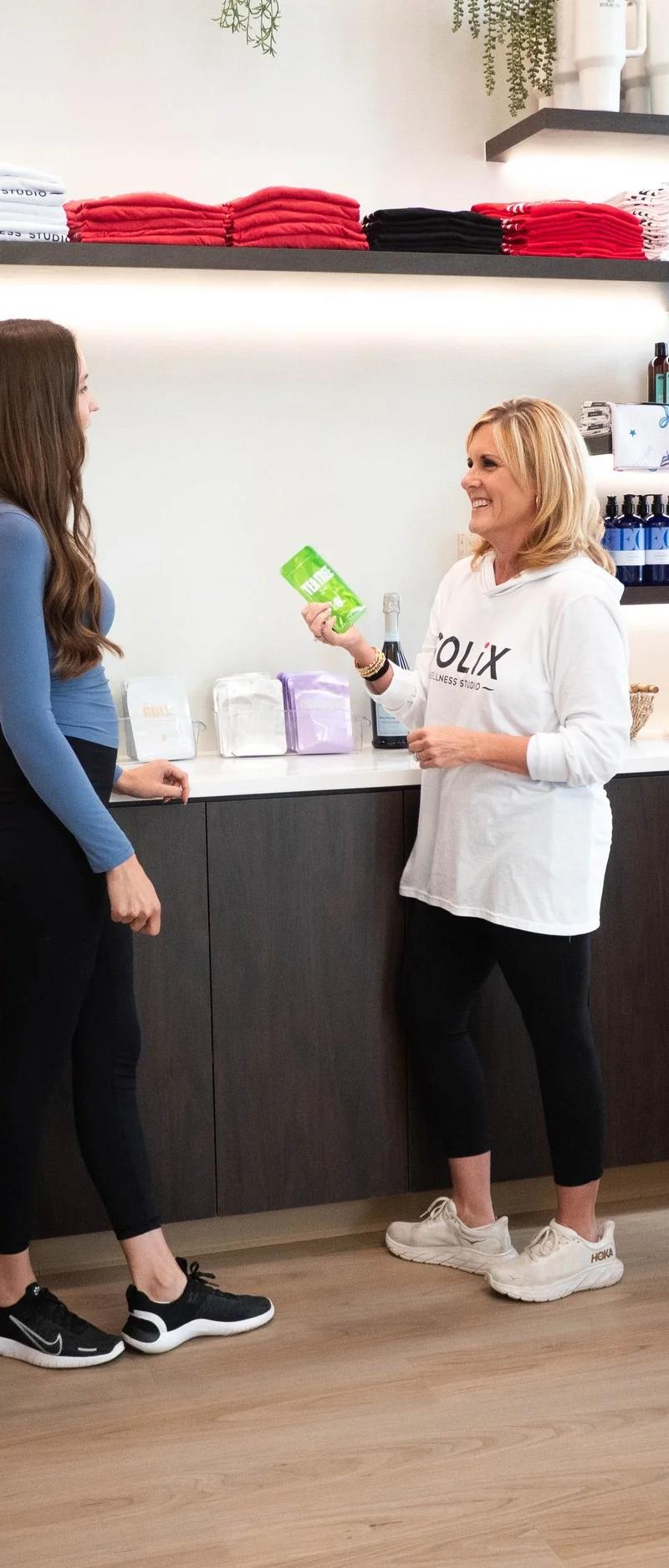
Solix Wellness Studio
South Tulsa · Tulsa, OK
5.0· 70 Google reviews
A boutique wellness spa specializing in private far-infrared sauna sessions and 10-minute red light (photobiomodulation) therapy.
Infrared saunaRed light therapy
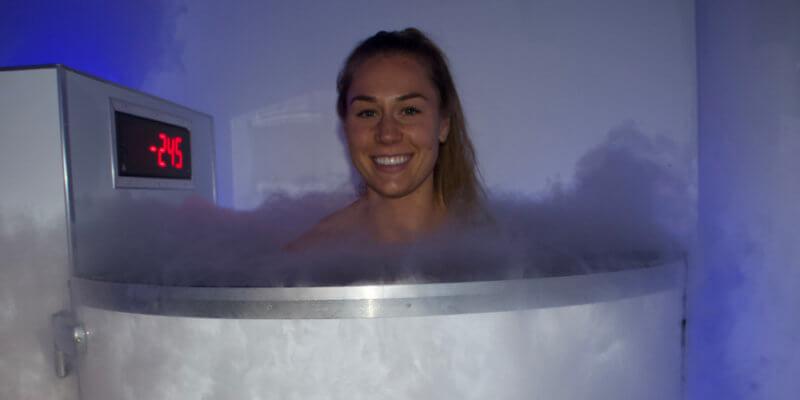
Recover Therapy
Utica Square · Tulsa, OK
4.9· 741 Google reviews
CryotherapyLocalized cryotherapyCold plungeInfrared sauna+4
Compare Tulsa’s red light therapy studios
Solix Wellness Studio, Recover Therapy fill every column; dashes mark details we haven’t verified yet.
| Studio | Neighborhood | Google rating | Price | Booking |
|---|---|---|---|---|
| Solix Wellness Studio | South Tulsa | 5.0★ (70) | $$ | (918) 615-2777 |
| Recover Therapy | Utica Square | 4.9★ (741) | $$ | Book online ↗ |