Loading…
Recovery directory · Austin
Red light therapy in Austin
Light panels and LED beds in Austin: the shortlisted studios, membership rates, and first-visit offers below come from the operators' own listings.
25
listed studios
$70–$299
monthly membership · 13 listed
South Lamar
most listings · 2 here
4.9
median Google rating · 23 rated
Figures on this page are observations from the 25 studios listed below, as of 3 Sept 2026.
Red light therapy in Austin, measured
All observations here come from the 25 light-therapy studios below, never from an industry average.
Median Google rating
4.9
highest Austin Salt Room at 5.0
from 23 listed studios
Most reviewed
Restore Hyper Wellness Austin Arbor Trails
498 Google reviews
from 23 listed studios
Clustered in South Lamar and Southwest Austin
10 of these listings publish an area; South Lamar holds 2 of them. Counted from this page’s listings — not every studio names one.
from 10 listed studios
- South Lamar
- 2 listings
- Southwest Austin
- 2 listings
- Arbor Trails
- 1 listing
5 further areas account for the remaining 5 listings.
Companion services
Also listed: Infrared sauna and Cryotherapy
Infrared sauna is the most-listed pairing, on 21 of the 25 contributing studios; every service below clears two listings. Operator-listed, not a recommendation.
from 25 listed studios
Infrared sauna
21 studios
The Recovery Lab and Cryo, CØNTRAST ATX, ULU Recovery & Wellness, beem Light Sauna Austin West 6th, Health-Plus ATX, Restore Hyper Wellness Austin Mueller, EvolvE Cryo + Facials, Cryo Body Works, Generator Athlete Lab, Restore Hyper Wellness Austin Gateway, Restore Hyper Wellness Austin Arbor Trails, Restore Hyper Wellness Austin South Lamar, iCRYO Austin, Kuya Wellness, Perspire Sauna Studio Austin Southwest, iCRYO Austin Four Points, Restore Hyper Wellness Austin Four Points, S W E A T L A N D, Perspire Sauna Studio Austin Triangle, beem Light Sauna Westlake, bioworX Westlake
Cryotherapy
14 studios
MATTR Bio Wellness Club, Upgrade Labs (5th Street), The Recovery Lab and Cryo, Restore Hyper Wellness Austin Mueller, EvolvE Cryo + Facials, Cryo Body Works, Restore Hyper Wellness Austin Gateway, Restore Hyper Wellness Austin Arbor Trails, Restore Hyper Wellness Austin South Lamar, iCRYO Austin, Champion Performance and Recovery, iCRYO Austin Four Points, Restore Hyper Wellness Austin Four Points, bioworX Westlake
Compression therapy
13 studios
Upgrade Labs (5th Street), ULU Recovery & Wellness, Health-Plus ATX, Restore Hyper Wellness Austin Mueller, Generator Athlete Lab, Restore Hyper Wellness Austin Gateway, Restore Hyper Wellness Austin Arbor Trails, Restore Hyper Wellness Austin South Lamar, iCRYO Austin, Champion Performance and Recovery, iCRYO Austin Four Points, Restore Hyper Wellness Austin Four Points, bioworX Westlake
from 13 listed studios · as of 2 Sept 2026
IV & hydration
11 studios
MATTR Bio Wellness Club, ULU Recovery & Wellness, Restore Hyper Wellness Austin Mueller, Restore Hyper Wellness Austin Gateway, Restore Hyper Wellness Austin Arbor Trails, Restore Hyper Wellness Austin South Lamar, iCRYO Austin, Kuya Wellness, iCRYO Austin Four Points, Restore Hyper Wellness Austin Four Points, bioworX Westlake
Hyperbaric oxygen
9 studios
MATTR Bio Wellness Club, Restore Hyper Wellness Austin Mueller, Cryo Body Works, Restore Hyper Wellness Austin Gateway, Restore Hyper Wellness Austin Arbor Trails, Restore Hyper Wellness Austin South Lamar, iCRYO Austin, iCRYO Austin Four Points, Restore Hyper Wellness Austin Four Points
Cold plunge
5 studios
CØNTRAST ATX, ULU Recovery & Wellness, Generator Athlete Lab, Kuya Wellness, bioworX Westlake
from 5 listed studios · as of 2 Sept 2026
PEMF
4 studios
MATTR Bio Wellness Club, Upgrade Labs (5th Street), Health-Plus ATX, Champion Performance and Recovery
Contrast therapy
4 studios
CØNTRAST ATX, ULU Recovery & Wellness, Perspire Sauna Studio Austin Southwest, Perspire Sauna Studio Austin Triangle
Halotherapy
3 studios
Austin Salt Room, Perspire Sauna Studio Austin Southwest, Perspire Sauna Studio Austin Triangle
NAD+ IV Infusion
2 studios
iCRYO Austin Four Points, bioworX Westlake
from 2 listed studios · as of 2 Sept 2026
Operator-listed amenities
Amenities including Private suites and Validated parking
Generator Athlete Lab and Kuya Wellness tie for the deepest feature list, 5 apiece of the 20 below. Confirm availability with the operator before you visit.
from 6 listed studios
- ULU Recovery & Wellness
- Private suites
- ULU Recovery & Wellness
- Validated parking
- Generator Athlete Lab
- Cold tub
- Generator Athlete Lab
- Hot tub
- Generator Athlete Lab
- Full spectrum infrared sauna with chromotherapy
- Generator Athlete Lab
- Personal training
- Generator Athlete Lab
- Massage
- Kuya Wellness
- Sensory deprivation float tanks
- Kuya Wellness
- Integration rooms
- Kuya Wellness
- Sauna facilities
- Kuya Wellness
- Cold plunge
- Kuya Wellness
- Nature-inspired healing spaces
- Perspire Sauna Studio Austin Southwest
- Private suites
- Perspire Sauna Studio Austin Southwest
- Towels included
- Perspire Sauna Studio Austin Southwest
- In-suite TV
- Perspire Sauna Studio Austin Southwest
- Adjustable temperature controls
- S W E A T L A N D
- Private wellness sessions
- S W E A T L A N D
- Easy parking
- bioworX Westlake
- Medical Staff On-Site
- bioworX Westlake
- Private room
Operator-listed equipment
Equipment including LUMEBOX and ARRC
Each studio below lists a different setup. Confirm the current equipment with the operator before you book.
from 8 listed studios
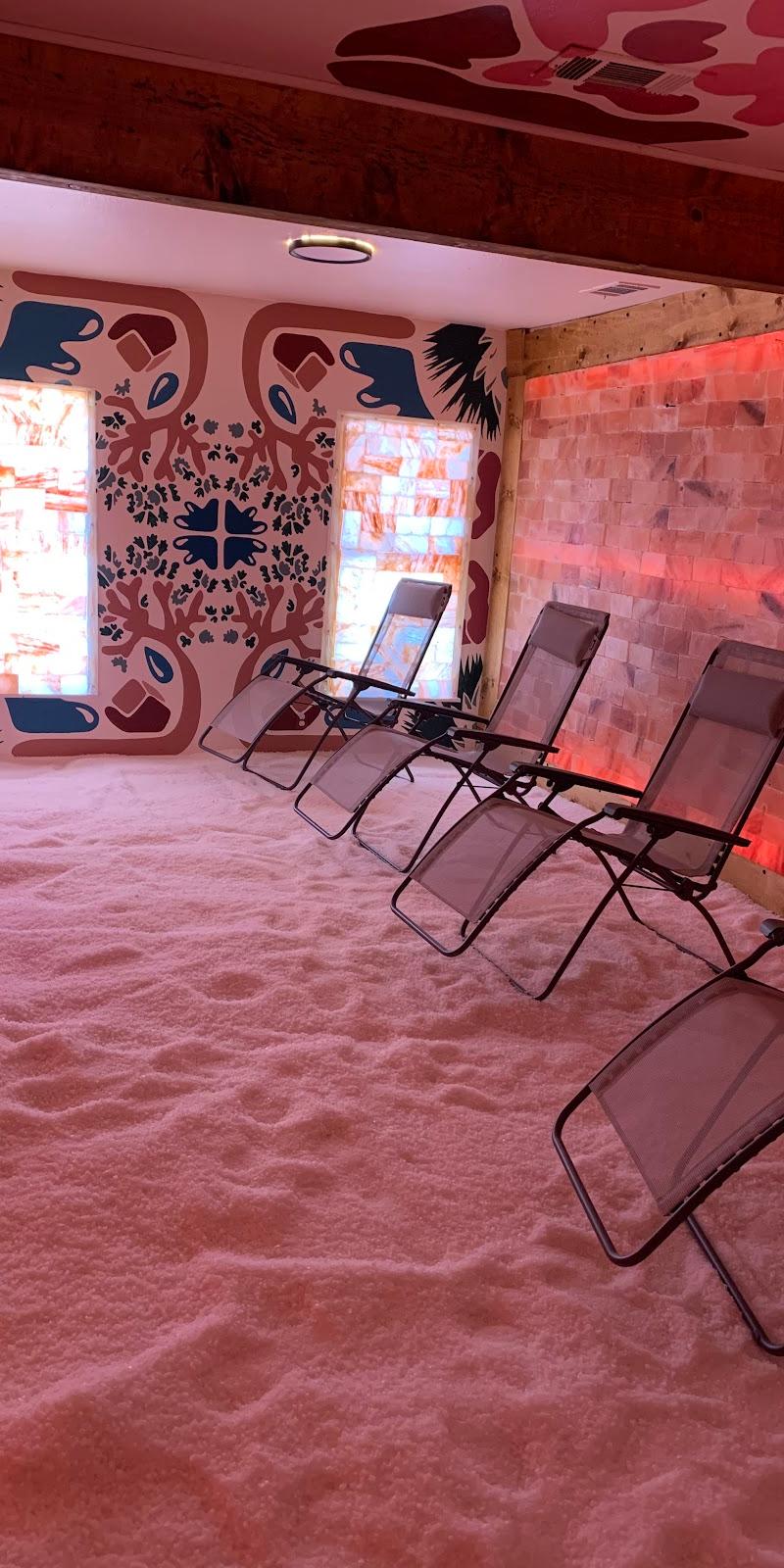
- Austin Salt Room
- LUMEBOX
- MATTR Bio Wellness Club
- NovoTHOR
- Health-Plus ATX
- ReGen Pod
- Health-Plus ATX
- Ballancer Pro
- Health-Plus ATX
- ARP Wave
- Health-Plus ATX
- Live O2
- Health-Plus ATX
- IonCleanse
- Health-Plus ATX
- Aspen Laser
- Generator Athlete Lab
- GameReady
- Generator Athlete Lab
- MARC PRO
- iCRYO Austin
- Seca
- iCRYO Austin
- Zerobody
- iCRYO Austin
- Emsculpt Neo
- bioworX Westlake
- Clearlight Sanctuary
Operator-listed hours
Hours at Austin Salt Room and MATTR Bio Wellness Club
Generator Athlete Lab opens earliest at 6am; CØNTRAST ATX runs latest, to 10pm. Confirm current hours directly with the studio before you go.
from 22 listed studios
- Austin Salt Room
- Mon, Thu, Fri 10am-1pm & 3pm-7pm; Sat-Sun 10am-5pm; closed Tue & Wed
- MATTR Bio Wellness Club
- Mon–Fri 9am–7pm · Sat–Sun 9am–5pm (CST)
- Upgrade Labs (5th Street)
- Mon-Fri 7:30am-7pm, Sat 9am-5pm, Sun 11am-4pm
- CØNTRAST ATX
- Sun–Thu 10am–9pm · Fri–Sat 10am–10pm
- beem Light Sauna Austin West 6th
- Mon-Fri 8am-6pm; Sat 9am-5pm; Sun 11am-5pm
- Health-Plus ATX
- Monday 10:00am - 1:00pm; 2:30pm - 5:30pm Tuesday 10:00pm- 1:00pm; 2:30pm - 5:30pm Wednesday 10:00am - 1:00pm; 2:30pm - 5:30pm Thursday 10:00pm- 1:00pm; 2:30pm - 5:30pm
- Restore Hyper Wellness Austin Mueller
- Mon–Fri 10am–7pm · Sat–Sun 10am–5pm
- EvolvE Cryo + Facials
- Mon-Fri 10am-7pm; Sat-Sun 10am-6pm
- Cryo Body Works
- Mon–Fri 10am–7pm · Sat 10am–5pm · Sun 11am–4pm
- Generator Athlete Lab
- Mon-Thu 6am-7pm; Fri 6am-4pm; Sat-Sun 8am-3pm
- Restore Hyper Wellness Austin Gateway
- Mon–Fri 10am–7pm · Sat–Sun 10am–5pm
- Restore Hyper Wellness Austin Arbor Trails
- Mon–Fri 10am–7pm · Sat–Sun 10am–5pm
- Restore Hyper Wellness Austin South Lamar
- Mon–Fri 10am–7pm · Sat–Sun 10am–5pm
- iCRYO Austin
- Monday - Friday: 9am - 8pm; Saturday: 9am - 5pm; Sunday: 10am - 4pm
- Kuya Wellness
- Mon-Fri 7:30am-9pm, Sat-Sun 9am-9pm
- Champion Performance and Recovery
- Tue & Thu 11am–7pm · Wed & Fri 8am–4pm · Sat 12pm–4pm
- Perspire Sauna Studio Austin Southwest
- Mon–Thu 7am–9pm · Fri 7am–7pm · Sat–Sun 8am–7pm
- iCRYO Austin Four Points
- Monday-Thursday: 10AM-6PM; Friday: 10AM-5PM; Saturday: 9AM-5PM; Sunday: 11AM-5PM
- Restore Hyper Wellness Austin Four Points
- Mon–Thu 10am–6pm · Fri 10am–5pm · Sat 9am–5pm · Sun 11am–5pm
- S W E A T L A N D
- Mon-Tue 9am-8pm, Wed 9am-4pm, Thu 9am-8pm, Fri 9am-6pm, Sat 9am-3pm, Sun 1pm-8pm
- Perspire Sauna Studio Austin Triangle
- Mon–Thu 7am–8pm · Fri 7am–6pm · Sat–Sun 8am–6pm
- beem Light Sauna Westlake
- Monday 8am - 6pm; Tuesday 8am - 6pm; Wednesday 8am - 6pm; Thursday 8am - 6pm; Friday 8am - 6pm; Saturday 9am - 5pm; Sunday 11am - 5pm
Operator-listed intro offers
Intro offers at Upgrade Labs (5th Street) and ULU Recovery & Wellness
First-visit terms below also come from beem Light Sauna Austin West 6th and Generator Athlete Lab, in each operator’s own words; confirm eligibility before you book.
from 8 listed studios
- Upgrade Labs (5th Street)
- Complimentary Cell Health Analysis
- ULU Recovery & Wellness
- 30% off first treatment; 50% off first month when joining with a friend
- beem Light Sauna Austin West 6th
- BOGO light sessions for first-time clients only
- Generator Athlete Lab
- 2 Recovery Passes for $99; $65 assessment credited toward the 12-Week Reset
- Kuya Wellness
- Schedule a free wellness tour with a Senior Wellness Coach
- Perspire Sauna Studio Austin Southwest
- Intro session up to 50% off
- S W E A T L A N D
- New Client Intro Pack 3 for $99
- Perspire Sauna Studio Austin Triangle
- First session up to 50% off
Austin’s red light therapy shortlist
Austin Salt Room leads on Google rating, ahead of MATTR Bio Wellness Club.
New to red light therapy?
The guide covers what a light session involves; worth a look before you compare the 25 listings here.
02
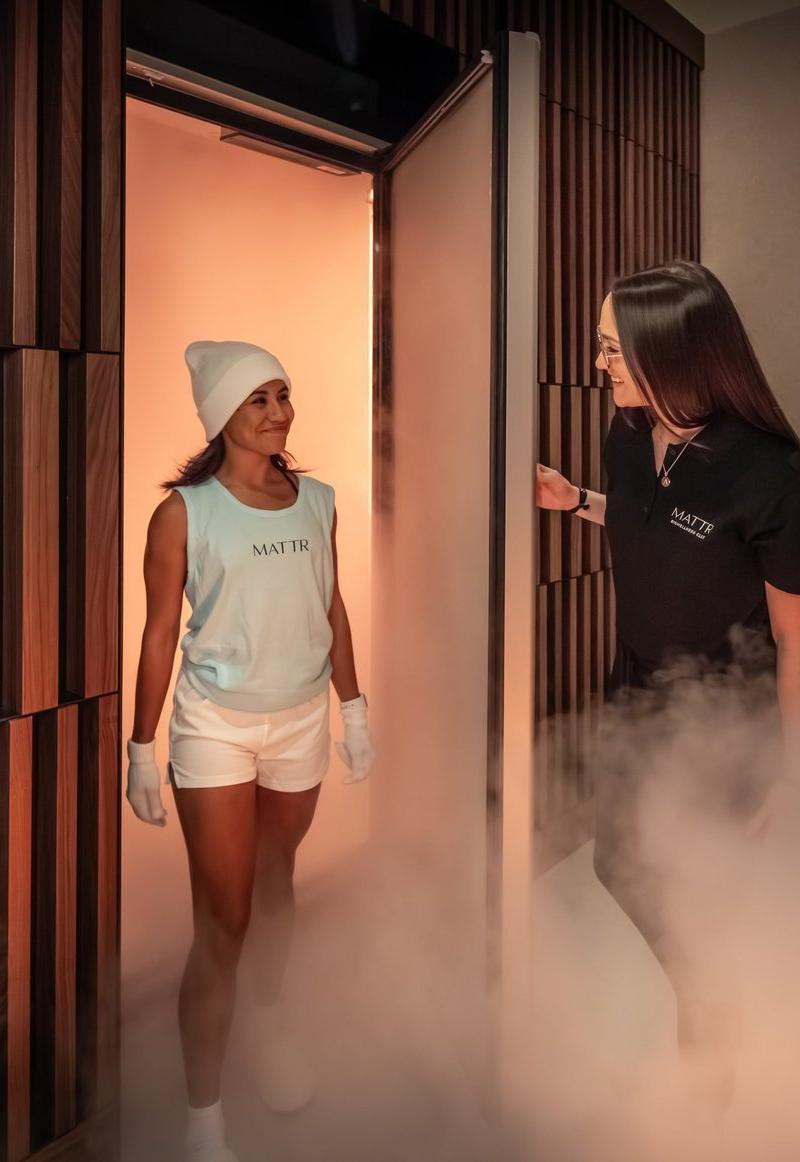
MATTR Bio Wellness Club
Southwest Austin · Austin, TX
5.0· 125 Google reviews
CryotherapyIV & hydrationHyperbaric oxygenLymphatic compression+2
03
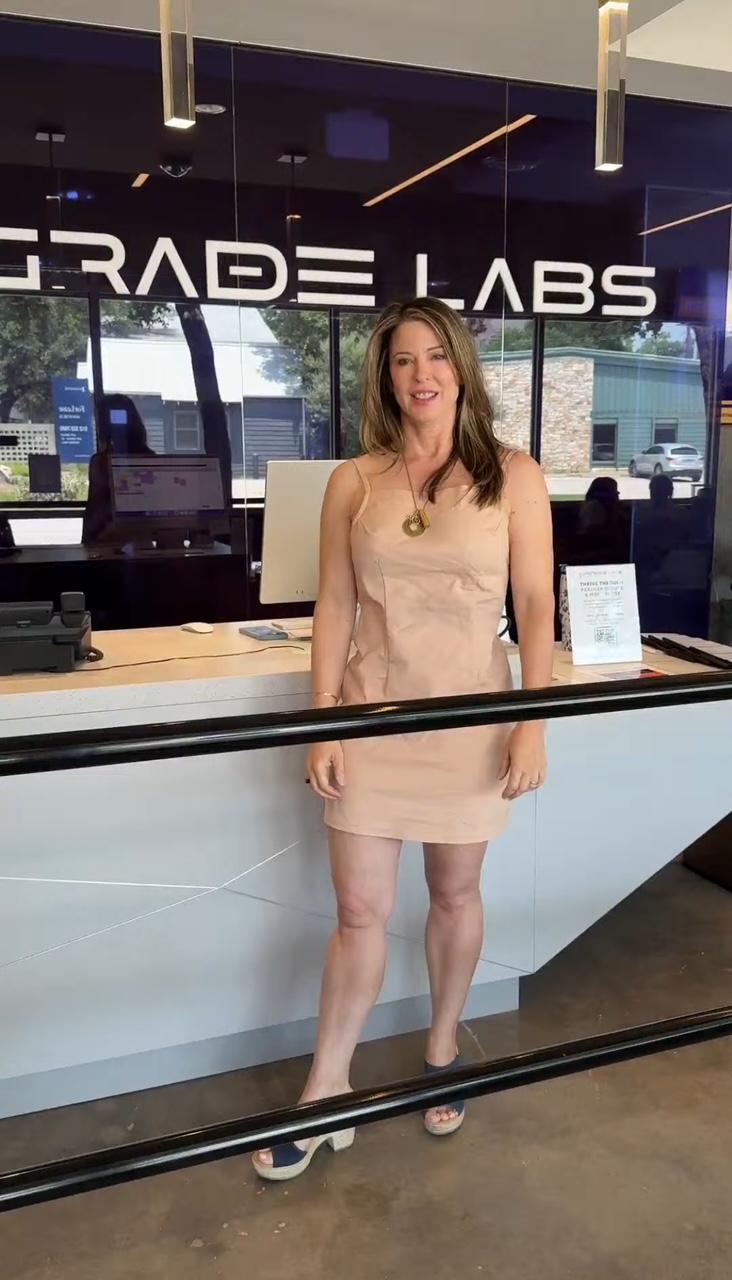
Upgrade Labs (5th Street)
Austin, TX
5.0· 79 Google reviews
CryotherapyPEMFRed light therapyCompression therapy
04
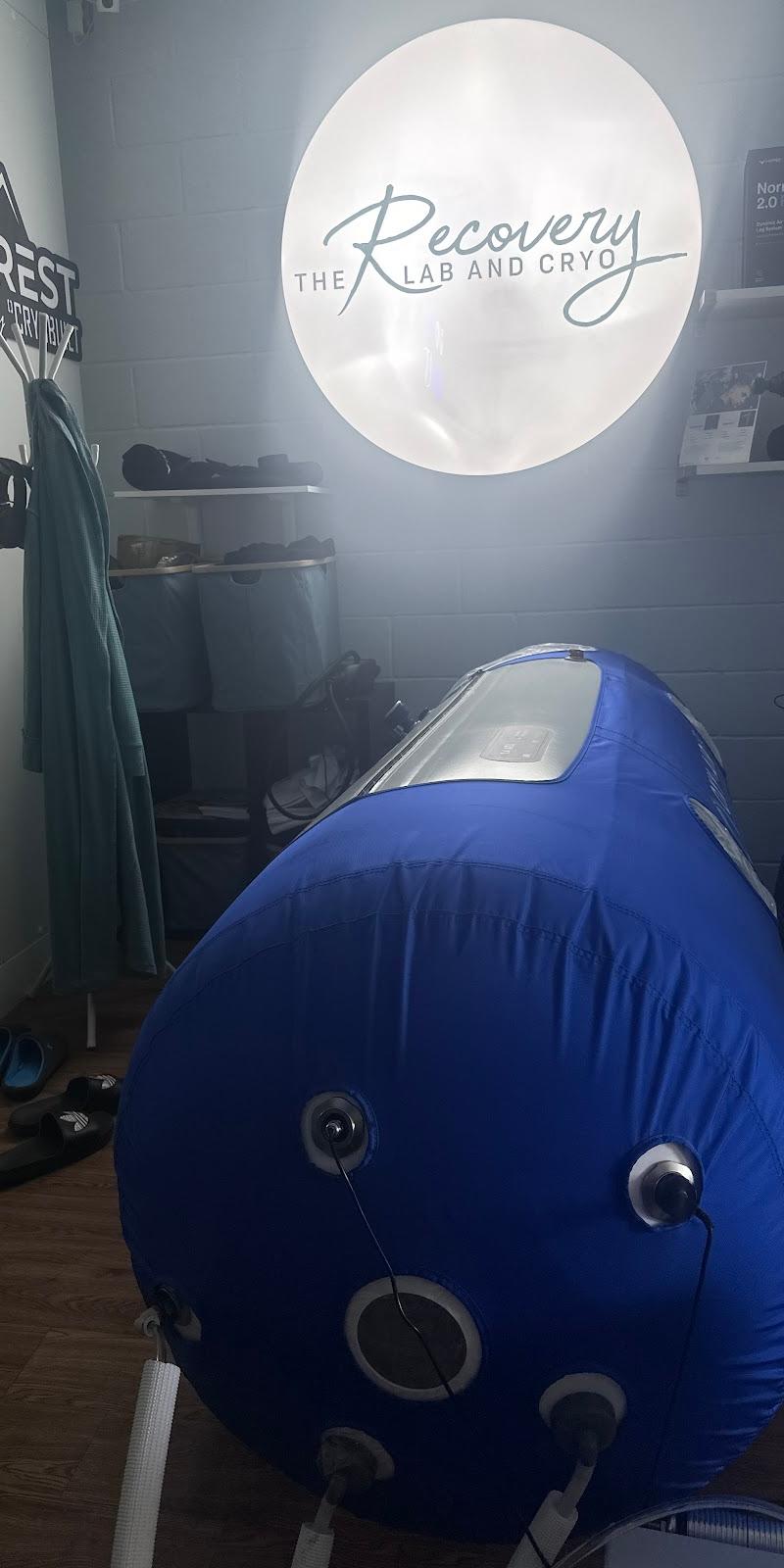
The Recovery Lab and Cryo
Austin, TX
5.0· 76 Google reviews
CryotherapyInfrared saunaRed light therapy
05
CØNTRAST ATX
Austin, TX
5.0· 47 Google reviews
Infrared saunaContrast therapyCold plungeRed light therapy
06
ULU Recovery & Wellness
Austin, TX
5.0· 44 Google reviews
Infrared saunaCold plungeContrast therapyIV & hydration+2
07
beem Light Sauna Austin West 6th
Austin, TX
5.0· 25 Google reviews
Bringing light therapy to Austin so you can Live Radiantly.
Red light therapyInfrared sauna
08
Health-Plus ATX
Austin, TX
5.0· 7 Google reviews
Compression therapyEWOT (Exercise With Oxygen Training)Infrared saunaLymphatic compression+2
09
Restore Hyper Wellness Austin Mueller
Mueller · Austin, TX
4.9· 335 Google reviews
CryotherapyRed light therapyInfrared saunaCompression therapy+2
11
Cryo Body Works
Austin, TX
4.9· 290 Google reviews
CryotherapyLocalized cryotherapyHyperbaric oxygenInfrared sauna+1
12
Generator Athlete Lab
Austin, TX
4.9· 250 Google reviews
Infrared saunaCold plungeCompression therapyRed light therapy
13
Restore Hyper Wellness Austin Gateway
Gateway · Austin, TX
4.9· 247 Google reviews
CryotherapyRed light therapyInfrared saunaCompression therapy+2
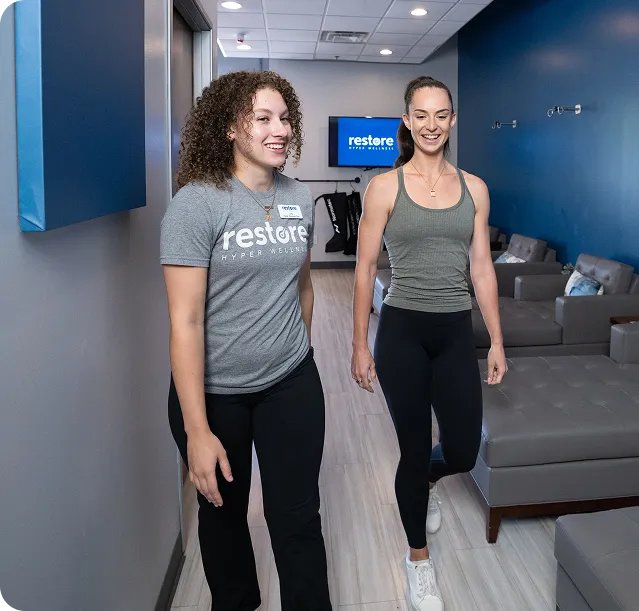
14
Restore Hyper Wellness Austin Arbor Trails
Arbor Trails · Austin, TX
4.8· 498 Google reviews
CryotherapyRed light therapyInfrared saunaCompression therapy+2
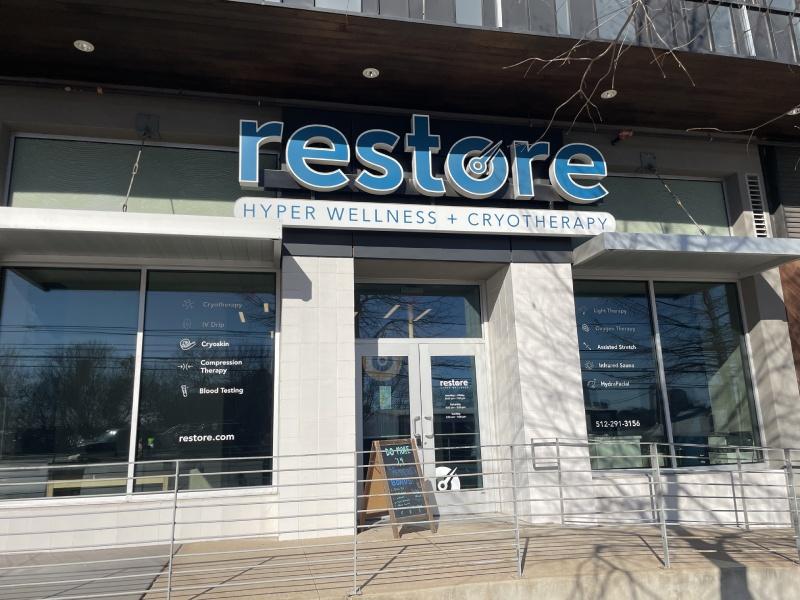
15
Restore Hyper Wellness Austin South Lamar
South Lamar · Austin, TX
4.8· 188 Google reviews
CryotherapyRed light therapyInfrared saunaCompression therapy+2
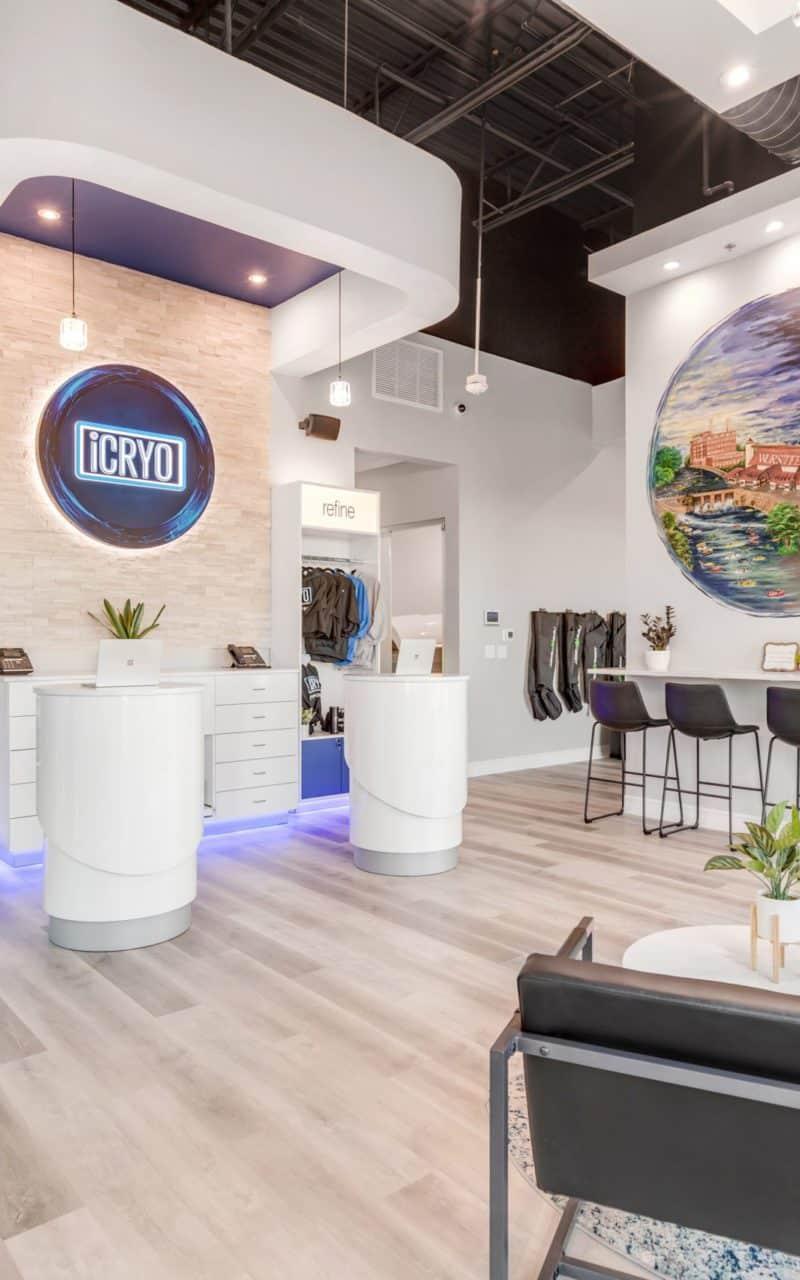
16
iCRYO Austin
Austin, TX
4.8· 162 Google reviews
CryotherapyRed light therapyIV & hydrationInfrared sauna+6
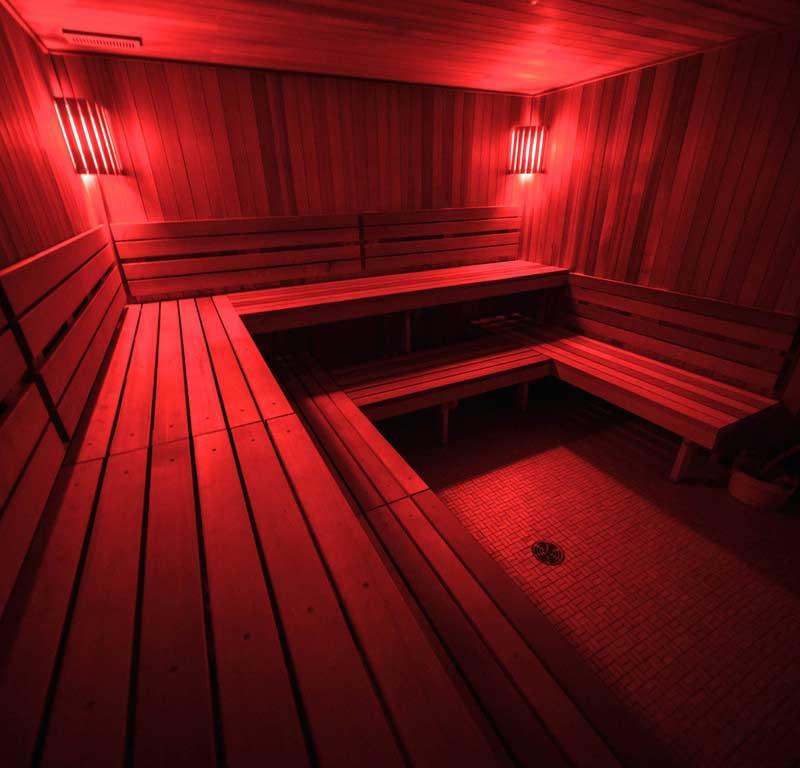
17
Kuya Wellness
East Austin · Austin, TX
4.8· 157 Google reviews
IV & hydrationInfrared saunaCold plungeFloat therapy+1
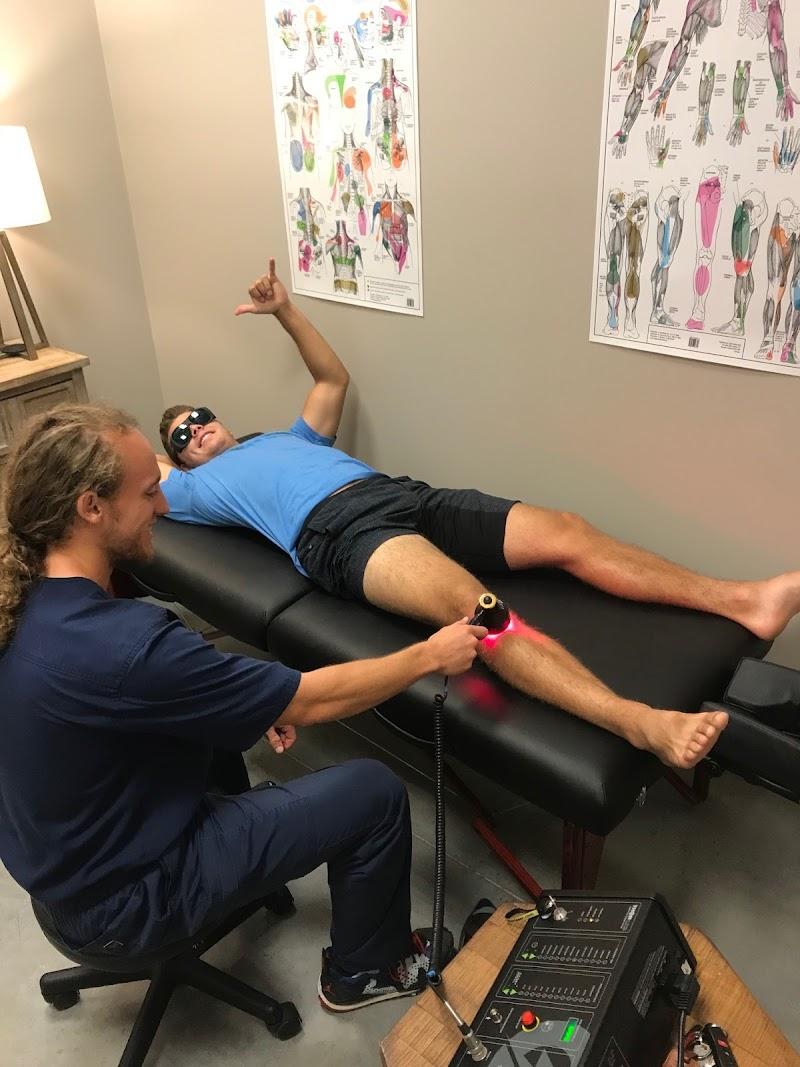
18
Champion Performance and Recovery
Austin, TX
4.8· 44 Google reviews
CryotherapyRed light therapyCompression therapyPEMF

19
Perspire Sauna Studio Austin Southwest
Southwest Austin · Austin, TX
4.7· 145 Google reviews
Infrared saunaRed light therapyContrast therapyHalotherapy
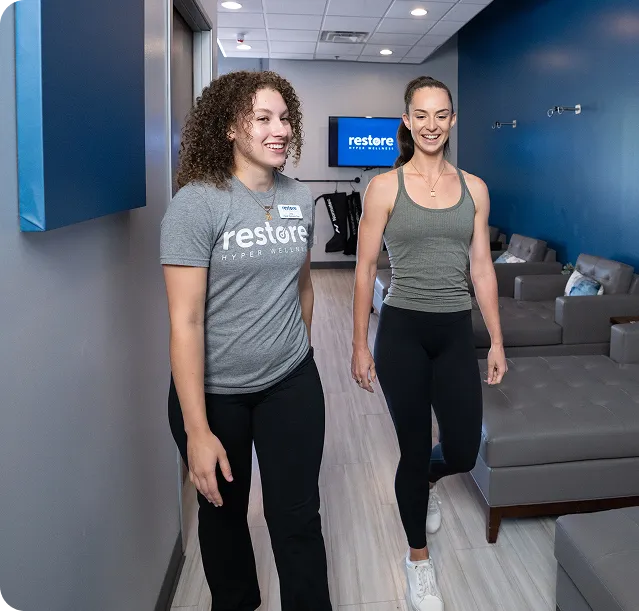
20
iCRYO Austin Four Points
Austin, TX
4.7· 81 Google reviews
CryotherapyRed light therapyInfrared saunaCompression therapy+3
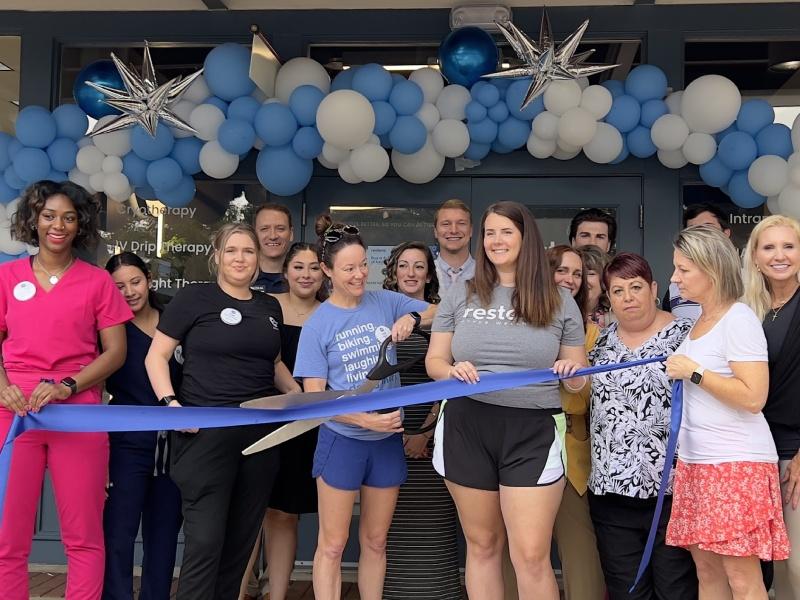
21
Restore Hyper Wellness Austin Four Points
Four Points · Austin, TX
4.7· 81 Google reviews
CryotherapyRed light therapyInfrared saunaCompression therapy+2
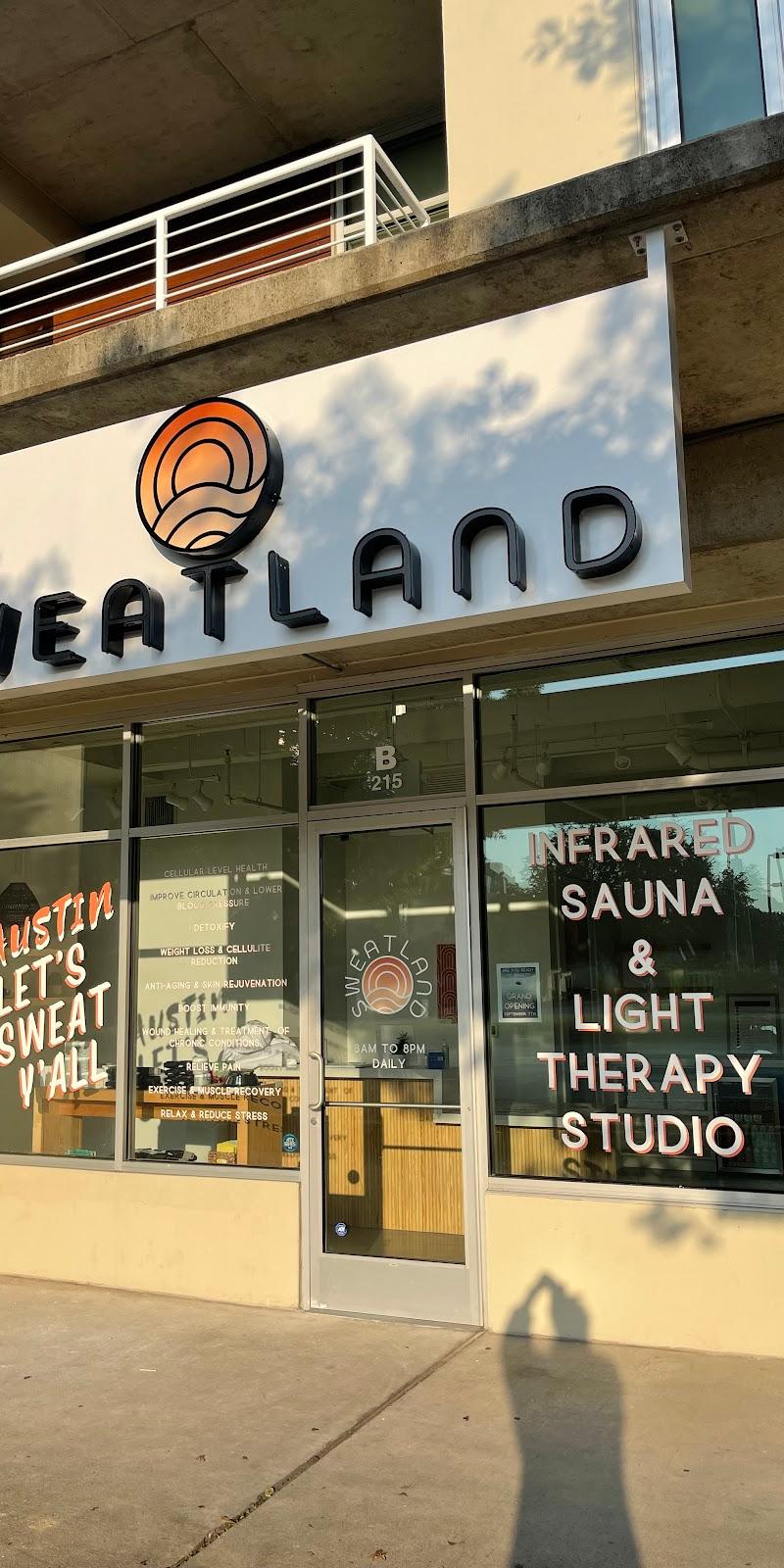
22
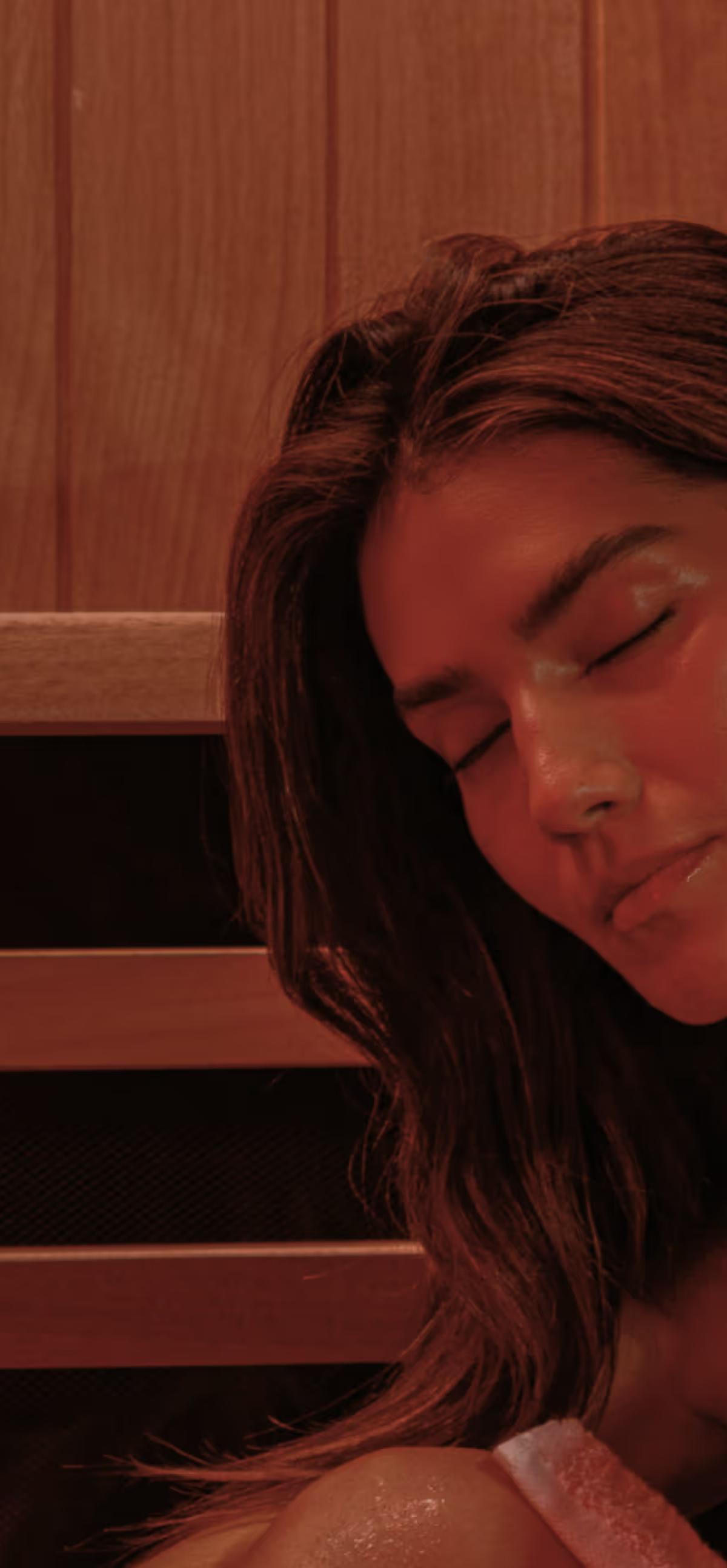
S W E A T L A N D
South Lamar · Austin, TX
4.6· 70 Google reviews
Sweatland is a premium infrared sauna and red light therapy studio offering private wellness sessions for recovery, relaxation, and skin health.
Red light therapyInfrared saunaSauna
23
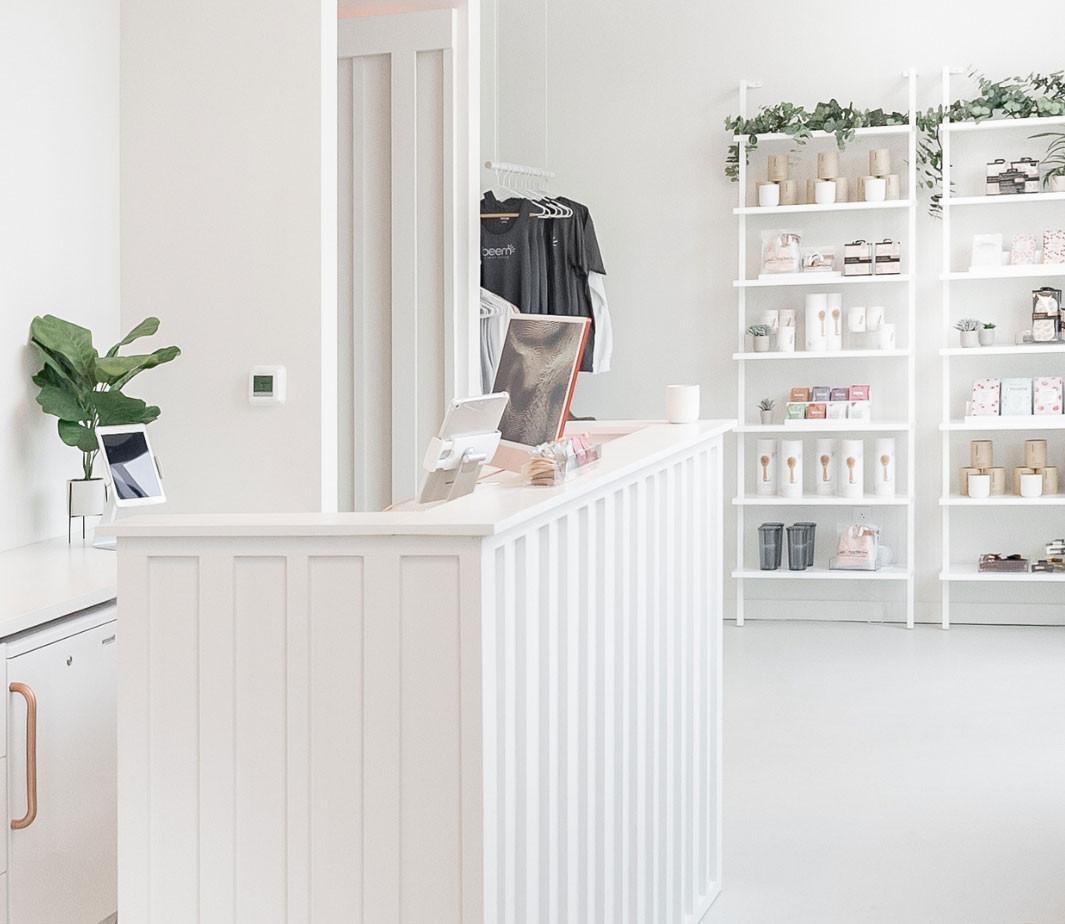
Perspire Sauna Studio Austin Triangle
The Triangle · Austin, TX
4.5· 163 Google reviews
Infrared saunaRed light therapyContrast therapyHalotherapy
25
bioworX Westlake
Austin, TX
IV & hydrationIntramuscular Vitamin Injection (B12, B-complex, Vitamin D, Glutathione)CryotherapyCold plunge+5
Compare Austin’s red light therapy studios
MATTR Bio Wellness Club, Restore Hyper Wellness Austin Gateway and 5 more fill every column; dashes mark details we haven’t verified yet.
Published membership rates
Monthly rates at Champion Performance and Recovery and MATTR Bio Wellness Club
Every listing here states more than one figure, so each row is the lowest monthly rate it states outright. Entry rates below run $70/mo at Champion Performance and Recovery to $299/mo at MATTR Bio Wellness Club. Every figure is an operator-published price floor; check the studio page before you book.
from 13 listed studios
- Champion Performance and Recoverylowest of 2 tiers
- $70/mo
- Cryo Body Workslowest of 4 tiers
- $71/mo
- ULU Recovery & Wellnesslowest of 6 tiers
- $95/mo
- Perspire Sauna Studio Austin Southwestlowest of 3 tiers
- $99/mo
- Perspire Sauna Studio Austin Trianglelowest of 3 tiers
- $129/mo
- Upgrade Labs (5th Street)lowest of 5 tiers
- $149/mo
- The Recovery Lab and Cryolowest of 3 tiers
- $185/mo
- iCRYO Austin Four Pointslowest of 3 tiers
- $190/mo
- Kuya Wellnesslowest of 3 tiers
- $190/mo
- Restore Hyper Wellness Austin Four Points
- $190/mo
- Restore Hyper Wellness Austin Gatewaylowest of 3 tiers
- $190/mo
- beem Light Sauna Austin West 6th
- $199/mo
- MATTR Bio Wellness Clublowest of 8 tiers
- $299/mo