Percussive / vibration

Percussion therapy: what it does, what to expect & where to try it

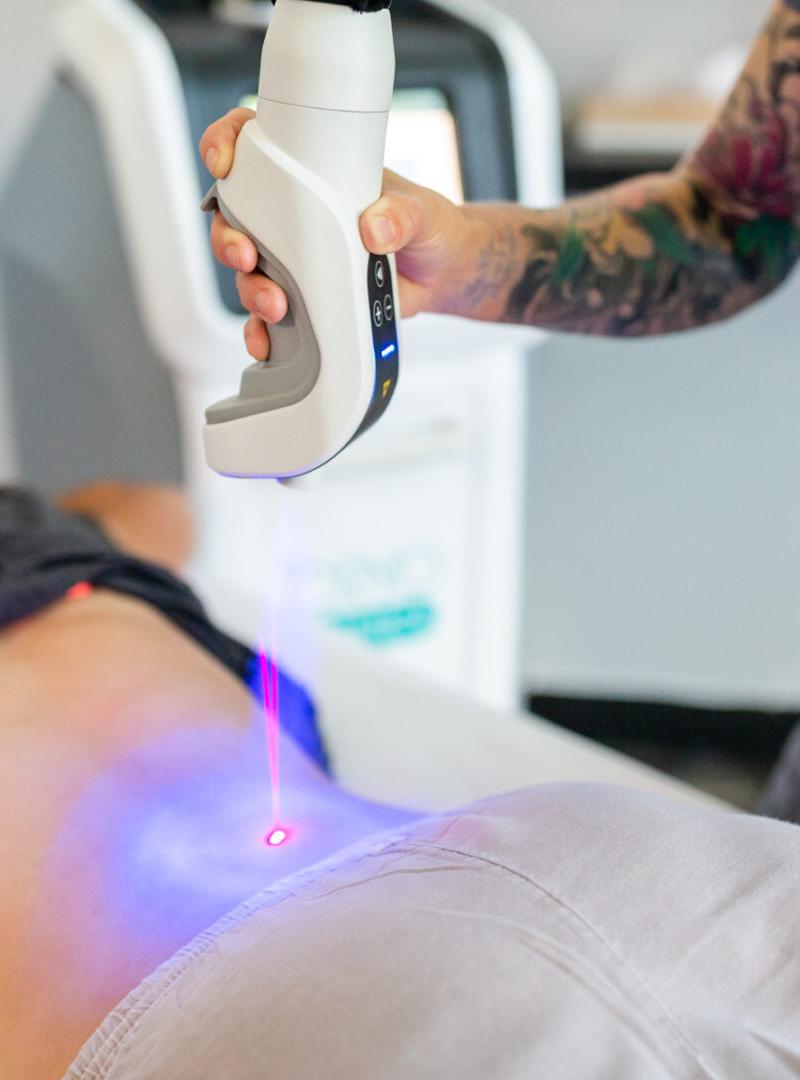
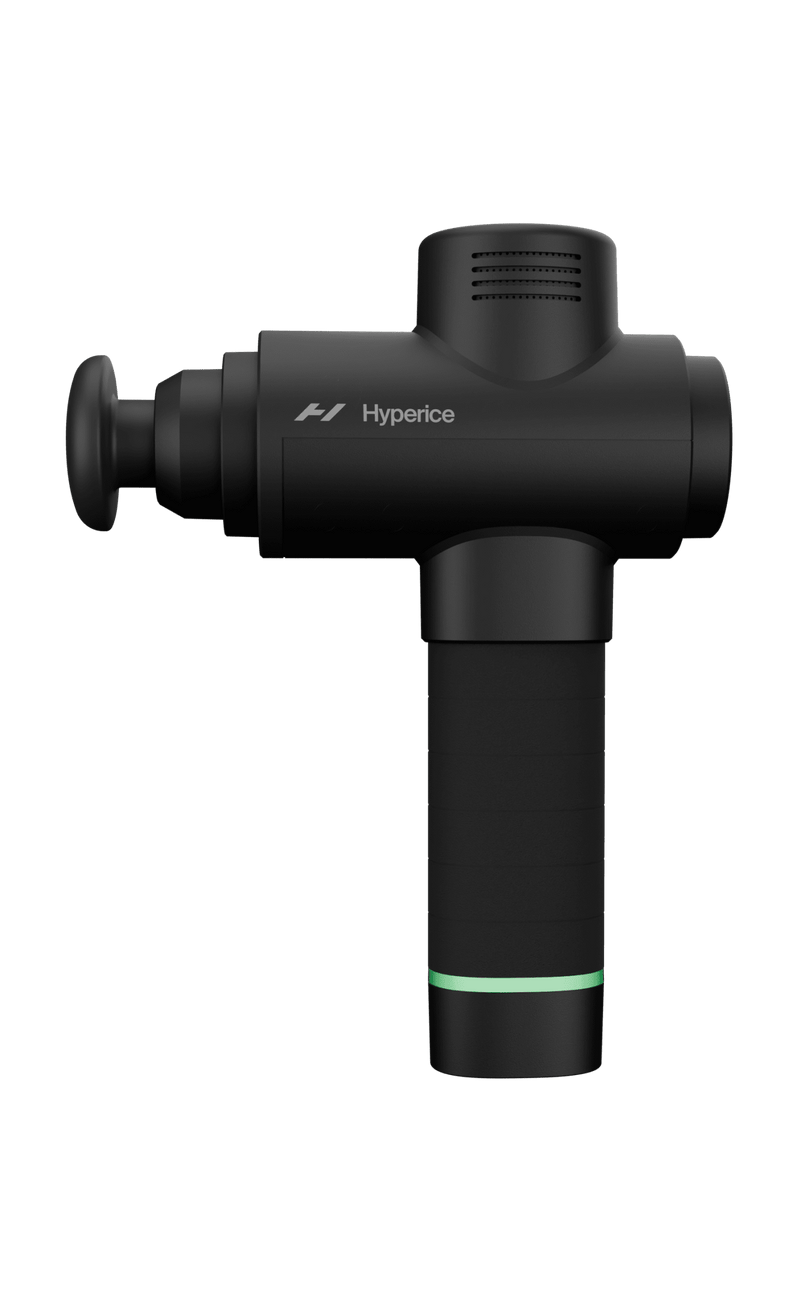
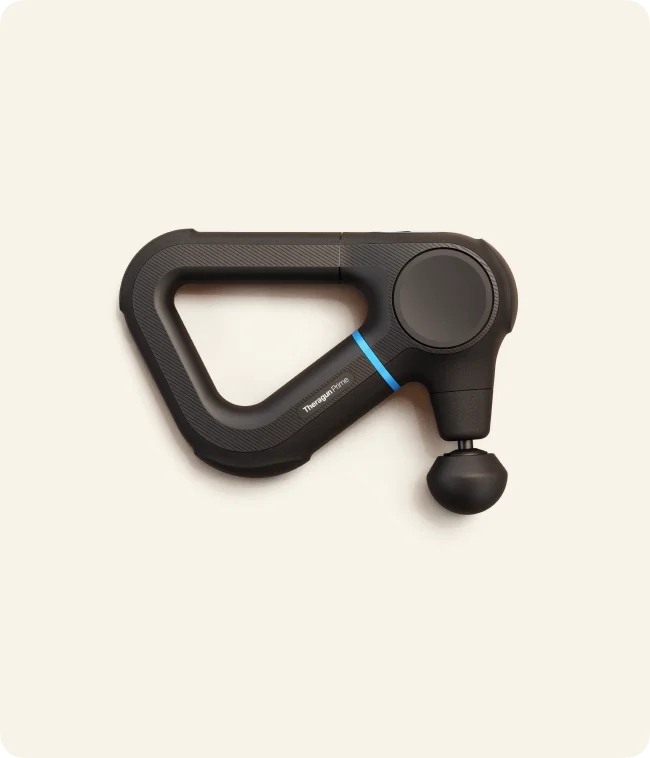
Percussion therapy uses a handheld device that delivers rapid, repetitive pulses of pressure to muscle tissue at varying depths and frequencies. Brands like Theragun (Therabody) and Hypervolt (Hyperice) popularized the category, which has expanded from sports medicine into mainstream wellness.

Sorenesswarm-up

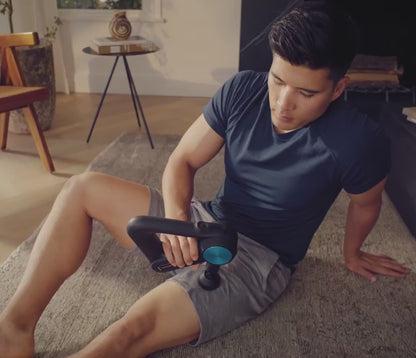
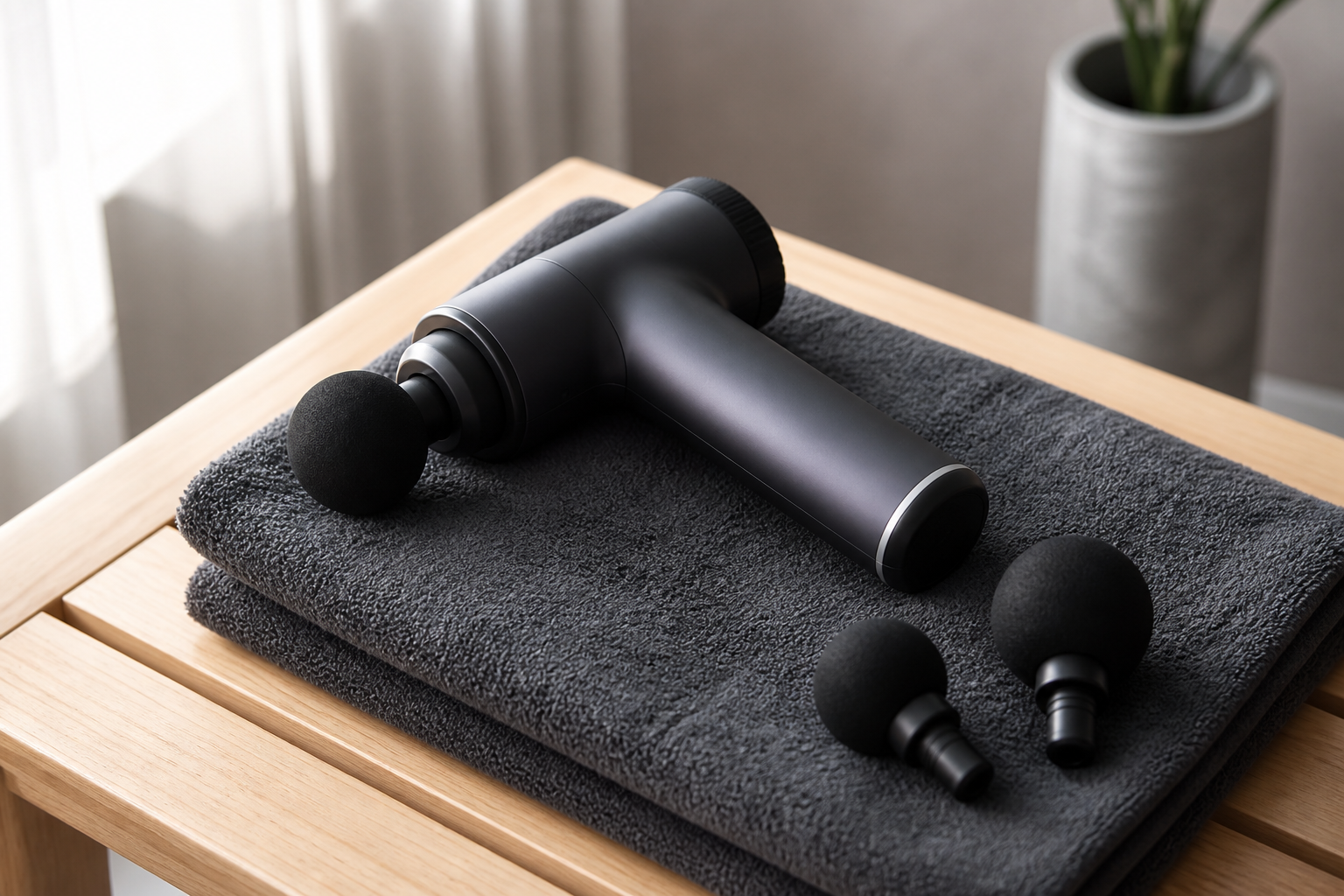
Percussion therapy uses a handheld device that delivers rapid, repetitive pulses of pressure to muscle tissue at varying depths and frequencies. Brands like Theragun (Therabody) and Hypervolt (Hyperice) popularized the category, which has expanded from sports medicine into mainstream wellness. The device oscillates a massage head into the target muscle at high speed — typically 1,200–3,200 percussions per minute — creating a deep tissue stimulation effect. In a studio context, percussion therapy is typically offered as a quick add-on (10–15 minutes) by a trained staff member targeting key muscle groups, or as a self-use device available post-workout. Because personal massage guns are widely owned, standalone studio sessions are less common than for other modalities — percussion therapy more often complements a broader recovery visit. It is primarily a muscle recovery and warm-up tool, used before and after exercise to reduce tension, increase range of motion, and speed recovery from soreness.

How percussion therapy works

Percussive pressure applied to muscle tissue is thought to stimulate proprioceptors and Golgi tendon organs, temporarily reducing muscle tone and pain sensitivity — a mechanism similar to foam rolling or manual massage. Research suggests percussion therapy can acutely improve range of motion and reduce perceived muscle soreness (DOMS). Whether it produces benefits beyond what manual massage achieves is still being studied; the mechanical stimulation likely modulates local blood flow and pain-gating pathways.

Is percussion therapy right for you?

A quick, goal-based fit guide — who tends to get the most from percussion therapy, and when it's worth a word with a professional first. This is wellness guidance, not medical advice.

Often a great fit if…

Percussion therapy is used by athletes and gym-goers for pre-workout warmup, post-workout recovery, and managing chronic muscle tightness. Office workers with neck, shoulder, or back tension frequently use it as a daily mobility tool. It is appropriate for most healthy adults as a self-care or brief add-on modality.

Worth a quick check first if…

Percussion devices should not be used directly over bones, joints, the spine, or bruised and injured tissue. People with deep vein thrombosis, active inflammation at the treatment site, or peripheral neuropathy should consult a clinician before use.

What a first session feels like

A guided add-on at a studio typically runs 10–15 minutes targeting specific muscle groups. The sensation is a rapid, deep-tissue thudding — practitioners start at lower intensities and adjust based on feedback. Self-use devices at studios let you target your own areas of concern after a workout or recovery session.

Studios offering percussion therapy

8 verified studios across 8 cities.

Cryo Wellness Spa (Columbus) — recovery studio in Powell

Powell

5.0· 24 reviews

Cryotherapy and wellness med-spa in Powell offering whole-body cryotherapy, infrared sauna, compression and body sculpting.

CryotherapyInfrared saunaCompression therapyRed light therapy+1
Vive Recovery Studio — recovery studio in El Segundo, CA

El Segundo, CA

4.9· 27 reviews

El Segundo recovery studio combining professional assisted stretching, tissue work and curated technology like red-light and cryotherapy into personalized recovery stacks.

Assisted stretchRed light therapyCryotherapyPercussion therapy
Recovery Lab (Southern California) — recovery studio in Rancho Cucamonga, CA

Rancho Cucamonga, CA

4.9· 209 reviews

CryotherapyLocalized cryotherapyAssisted stretchHyperbaric oxygen+3
Vital Ice — recovery studio in San Francisco, CA

Vital Ice

5 modalities

San Francisco, CA

5.0· 42 reviews

Cold plungeInfrared saunaRed light therapyCompression therapy+1
Us Cryotherapy — recovery studio in Salt Lake City, UT

Us Cryotherapy

7 modalities

Salt Lake City, UT

4.8· 55 reviews

Experience natural recovery at US Cryotherapy. Safe, non-invasive whole body cryotherapy for pain relief, fitness, wellness, and faster healing.

CryotherapyLocalized cryotherapyInfrared saunaRed light therapy+3
Positive Energy Recovery — recovery studio in Kailua, HI

Kailua, HI

Positive Energy Recovery is a Kailua member recovery studio with cold plunges, traditional and infrared saunas, a red light bed, and a compression lounge.

Cold plungeInfrared saunaRed light therapyCompression therapy+2

Equipment & brands for Percussion therapy

The equipment brands that power percussion therapy at studios in our directory.

Frequently asked questions

How does a massage gun differ from a foam roller?

A foam roller uses body weight and rolling motion to apply broad pressure across muscle tissue; a massage gun delivers rapid, concentrated percussive pulses to a specific spot. Both work through mechanical stimulation, but massage guns can reach muscles that are hard to foam roll and allow more precise targeting.

Should I use percussion therapy before or after a workout?

Both. Pre-workout, 30–60 seconds per muscle group can increase local blood flow and range of motion for warm-up. Post-workout, percussion over sore or tight areas can reduce acute muscle tension and perceived soreness.

How long should I use a massage gun on one area?

Most practitioners recommend 30–90 seconds per muscle group. Using one area for more than 2 minutes is generally unnecessary and can cause discomfort. Move systematically through muscle groups rather than dwelling in one spot.

For studio operators

Run a studio that offers percussion therapy?

Get listed on Praxium and turn your menu into goal-based protocols your team runs every shift — built on the modalities you already offer.

List your studio — free →

Not sure which protocol is right for you?

Take the 60-second Protocol Match and get a goal-based recovery plan — which modality, in what order, how often.