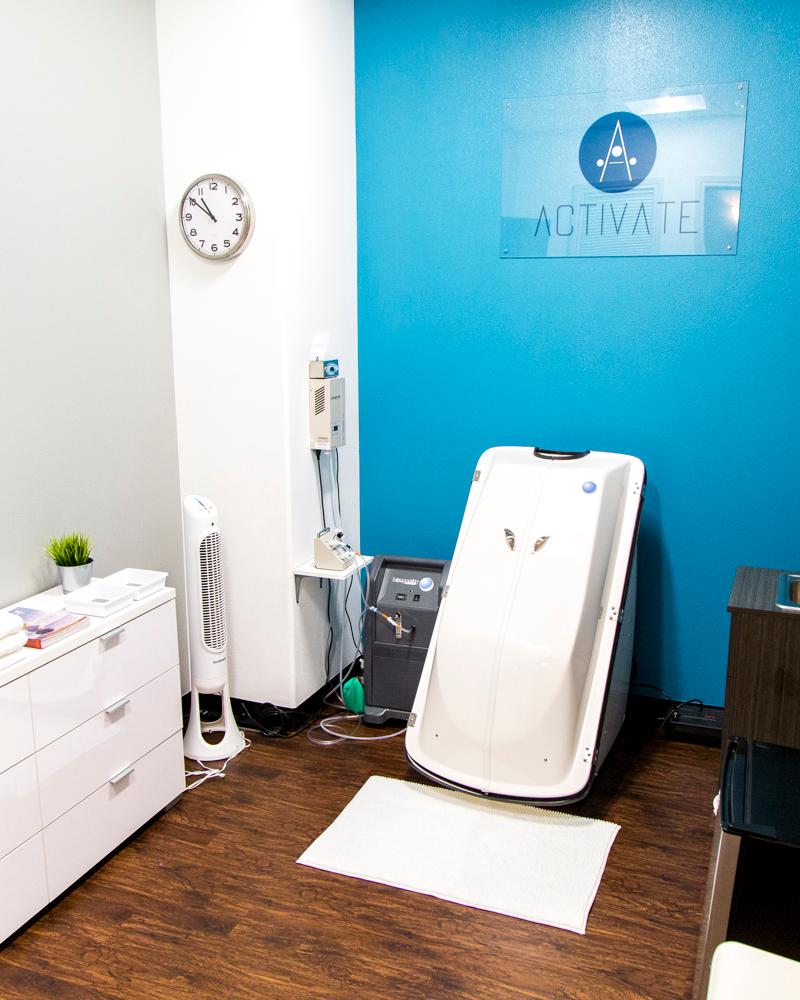
Inhaled ozone irritates and can damage the airways, so head-out sealing and room ventilation are non-negotiable
The dominant safety risk of an ozone sauna is inhalation, not the heat. The US Environmental Protection Agency states that when inhaled, ozone can damage the lungs, and that relatively low amounts can cause chest pain, coughing, shortness of breath, and throat irritation, and can worsen existing respiratory conditions. EPA also reports that ozone concentrations produced by ozone generators can exceed health standards even when manufacturer instructions are followed. A session is therefore only as safe as the cabinet seal, the room ventilation, and the ozone destruct unit.
How strong the finding is
A federal agency position synthesizing the ozone inhalation toxicology literature, including the finding that ozone-generating devices can exceed health standards under normal use.
How it may work
Ozone reacts with airway lining fluid and epithelial tissue, producing irritation and inflammation. Odor fatigue makes smell an unreliable warning signal, so exposure cannot be self-monitored by the member.
What complicates this
None material. Some vendors argue that head-out designs eliminate inhalation risk; EPA's finding on ambient concentrations from ozone generators is the reason ventilation and destruct units are still required.
Safety notes
Never run a session with the head inside the cabinet. Screen out chronic respiratory conditions. Treat a noticeable ozone smell as an equipment fault.
Source
Safety source - Never inhaled / never direct IV gas (FDA warning) — KG-05 safety matrix