Sports & Activities
Recovery for the sport you actually play
A season isn’t one long block. What your body needs in the middle of the schedule is not what it needs in the off-season, or the week before an event. Each page below maps recovery to the phase you’re actually in.
The season model
Pre-season
Building toward week one
In-season
Short-turnaround readiness
Event prep
The weeks before the date
Event recovery
After the finish line
Off-season
Where next season is built
Year-round
No season — one steady rhythm
38 published
Browse the library
Filter by sport type, or by the phase of the year you're planning for.
38 activities
 4 phases
Lifestyle & recreation
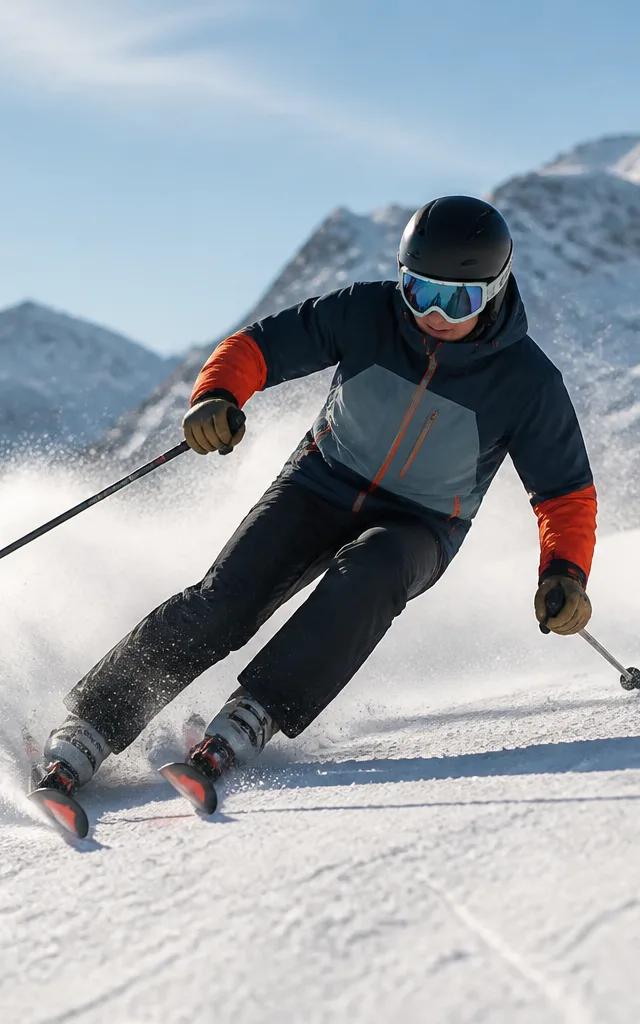
Alpine Skiing
Alpine skiing asks the legs to absorb repeated turning and landing forces while speed, variable snow and fixed boots make the knee the…
See the season map →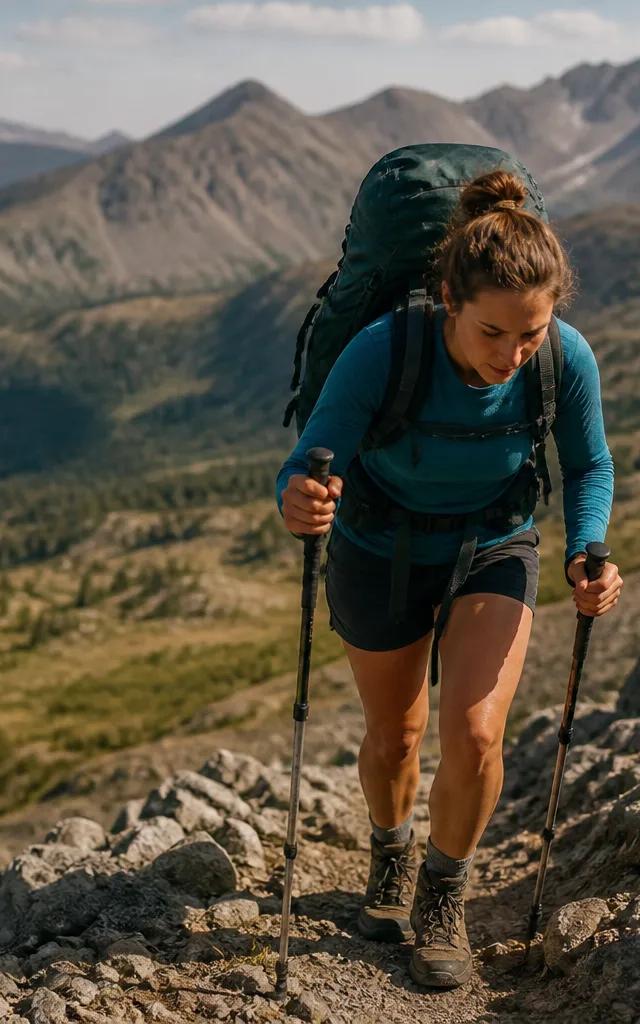 3 phases
Endurance
Backpacking
Backpacking adds a loaded pack and consecutive long days to hiking, increasing energy cost while concentrating fatigue at the feet, knees…
See the season map →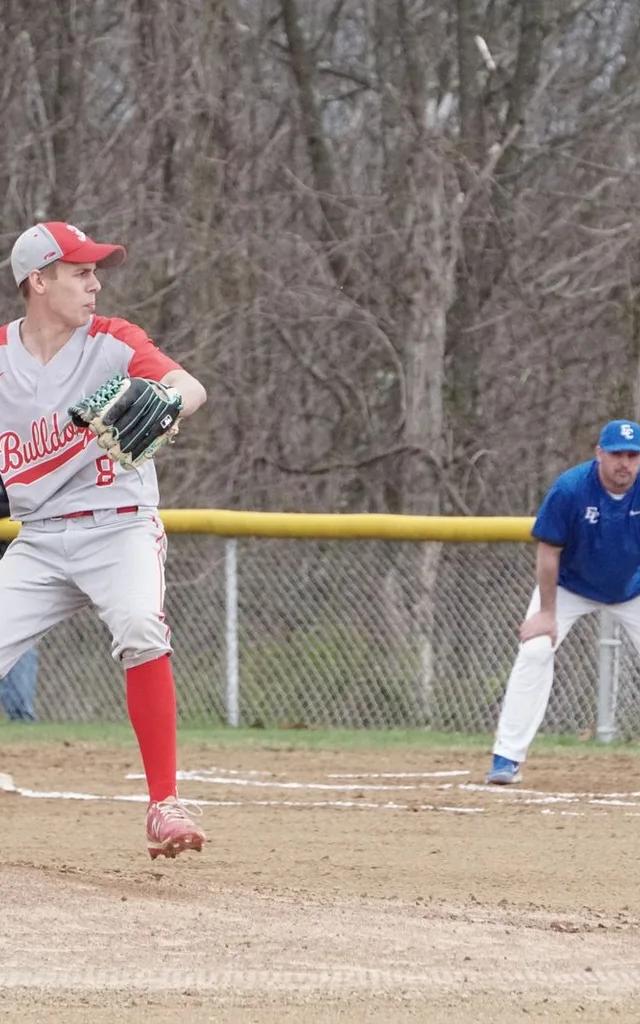 4 phases
Team sports
Baseball
Baseball's recovery story is mainly about the arm; catchers add squat volume and position players add rotational low-back load.
See the season map →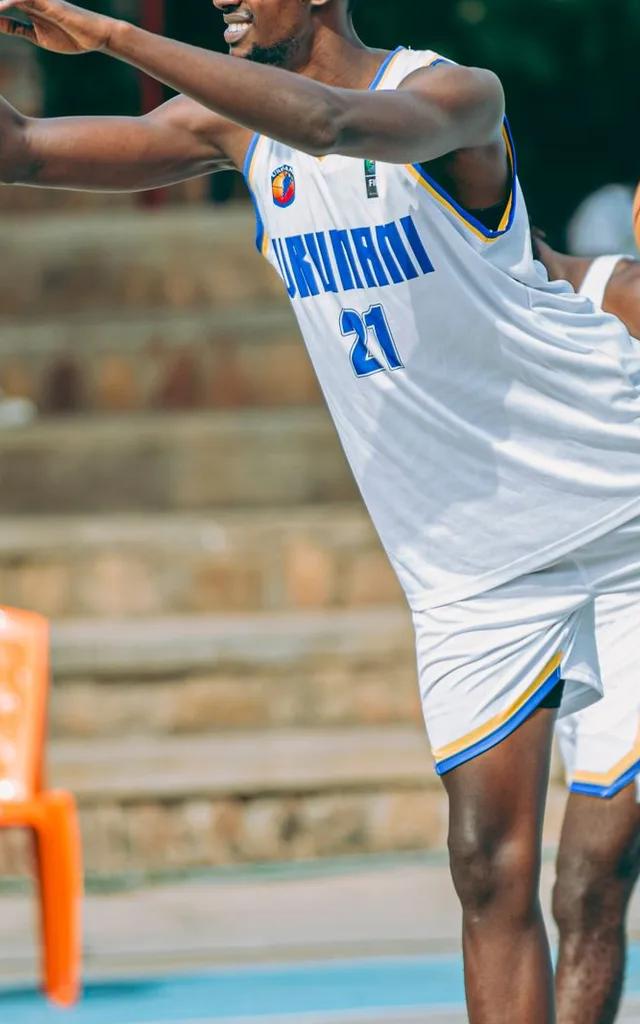 3 phases
Team sports
Basketball
Basketball seasons bring thousands of landings, cuts and decelerations; tournament weekends can pack five games into 48 hours.
See the season map →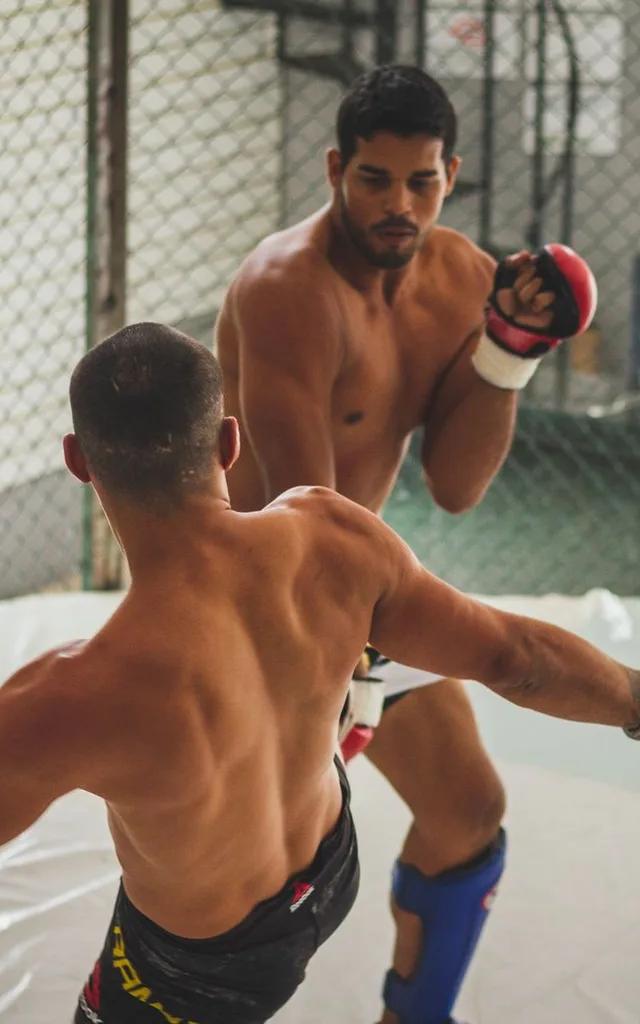
Combat sports
Boxing
Boxing splits its load between roadwork and intervals for the legs and striking for the hands, wrists and shoulders, peaking in camp.
See the season map →
Strength & fitness
CrossFit-Style Functional Fitness
CrossFit-style functional fitness mixes barbell work, gymnastics, jumps and conditioning, so fatigue can shift quickly between shoulders…
See the season map → 3 phases
Team sports
Field Hockey
Field hockey is a high-intensity running and change-of-direction sport played in a low stick posture, with stick, ball and incidental…
See the season map →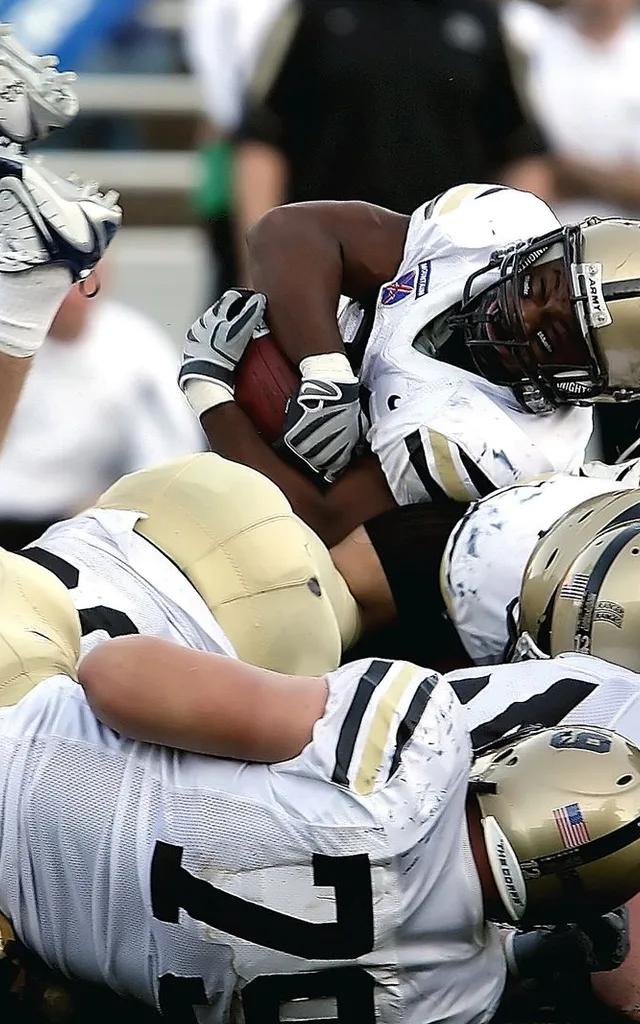 3 phases
Team sports
Football
Football rosters span athletes who collide on every snap and others who sprint at maximum for four seconds, and recovery splits too.
See the season map →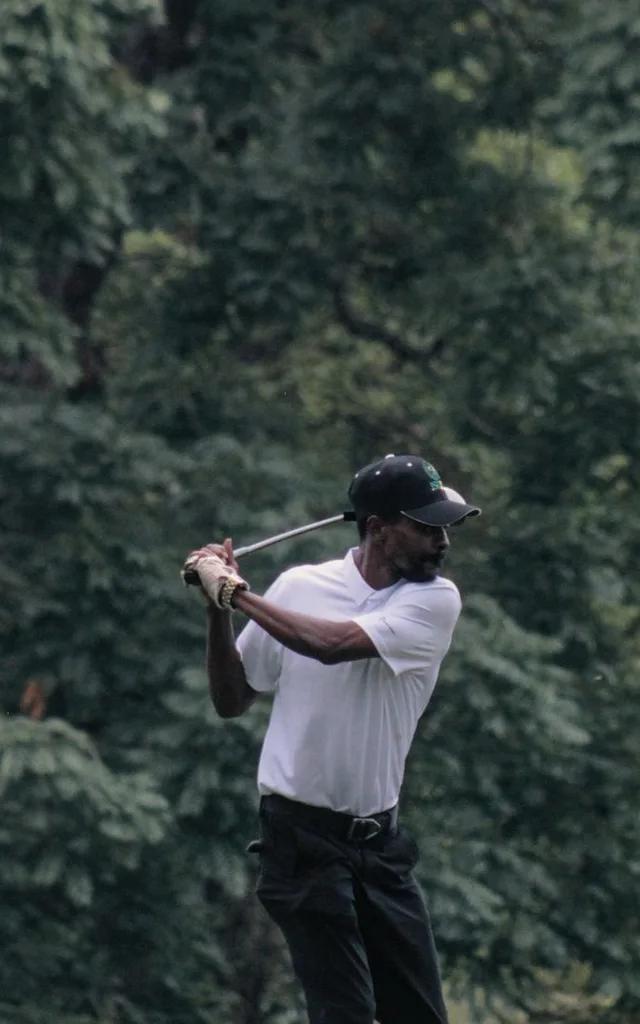 3 phases
Lifestyle & recreation
Golf
Golf is one-sided rotation plus four hours of walking; a range habit can raise swing volume quickly without obvious intensity.
See the season map →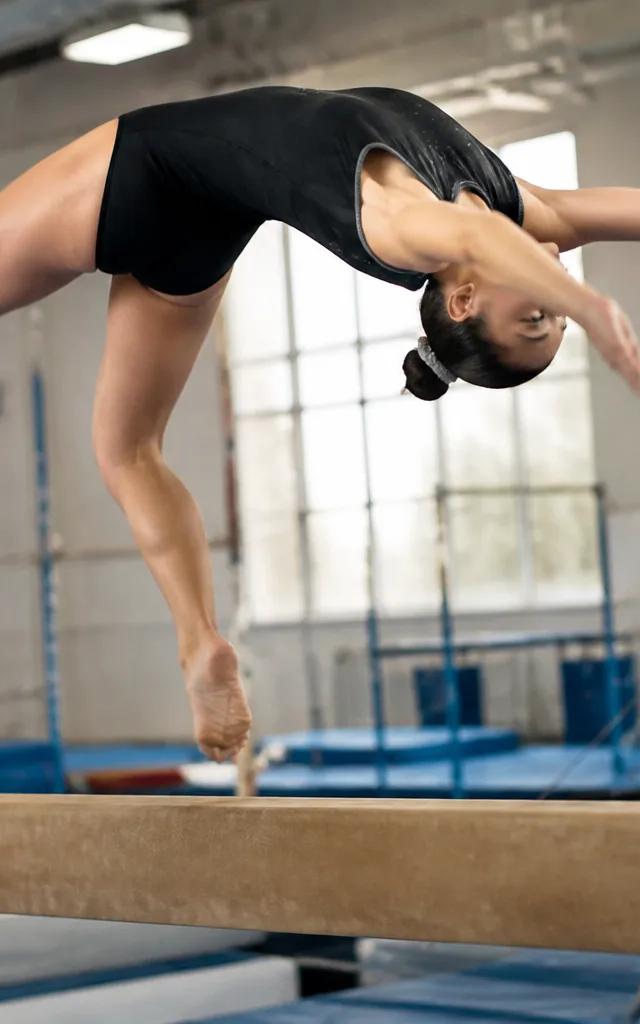 4 phases
Strength & fitness
Gymnastics
Gymnastics combines high repetition, landing impact, overhead support, flexibility and technical precision, with the dominant load…
See the season map →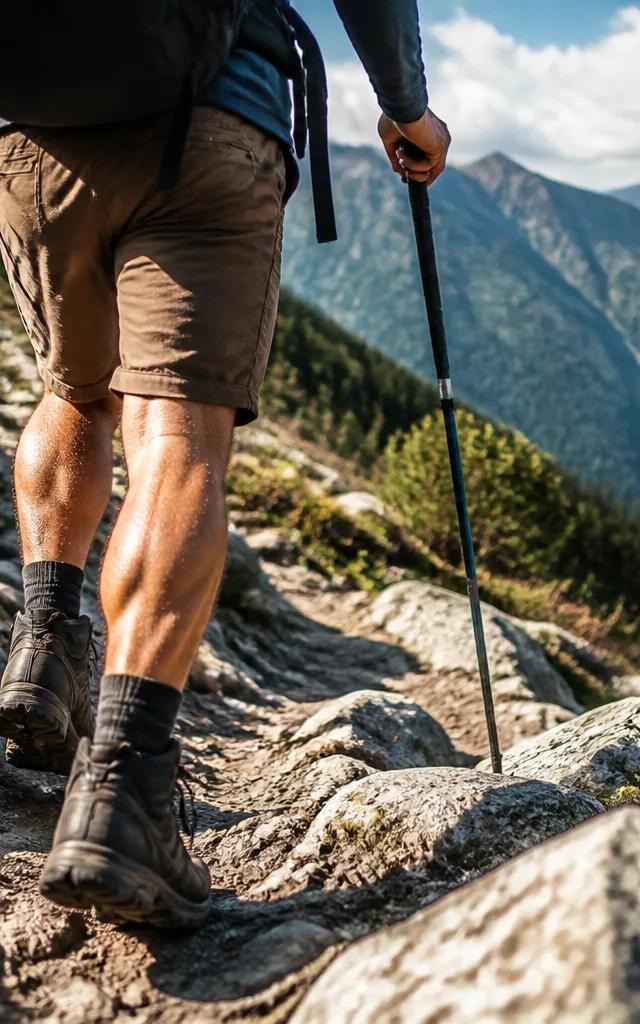 2 phases
Lifestyle & recreation
Hiking
Hiking turns ordinary walking into sustained climbing, downhill braking and repeated foot and ankle decisions on uneven ground.
See the season map →
Endurance
HYROX
HYROX alternates eight one-kilometre runs with loaded functional stations, keeping heart rate high while fatigue moves between the legs…
See the season map →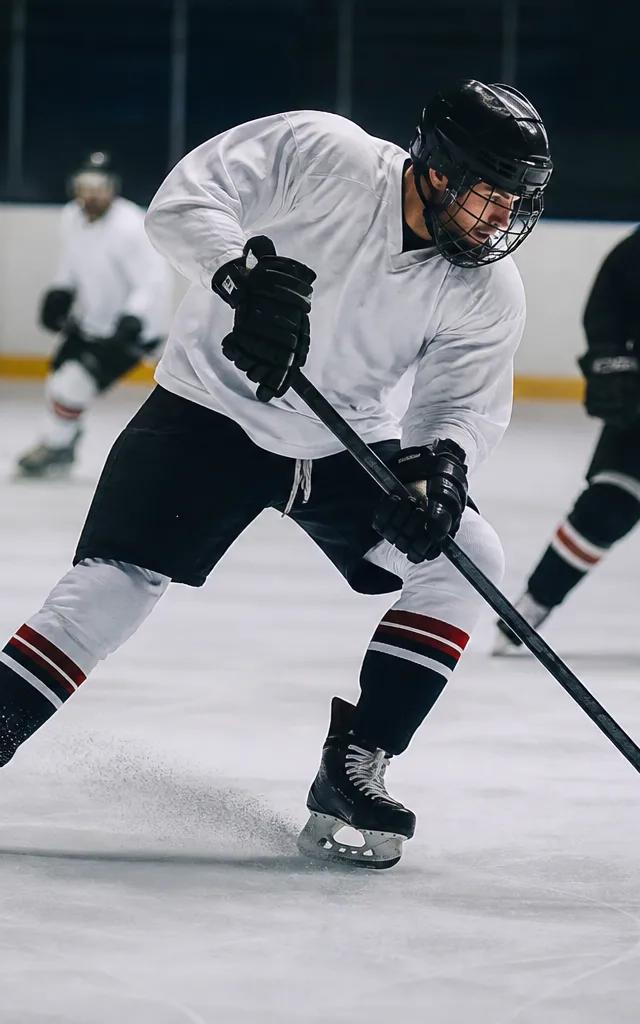 3 phases
Team sports
Ice Hockey
Ice hockey stacks repeated high-intensity skating shifts, rapid direction changes and contact, with groin, knee, shoulder and whole-body…
See the season map →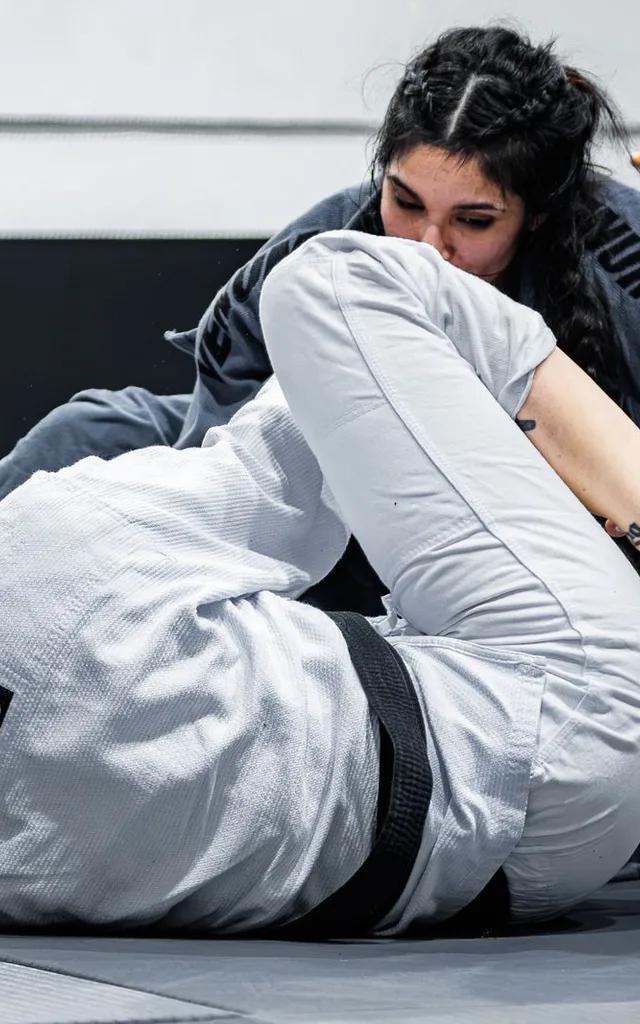
Combat sports
Jiu-Jitsu
Jiu-jitsu's grip and forearm fatigue, neck soreness, and finger and shoulder load accumulate slowly across a steady training rhythm.
See the season map →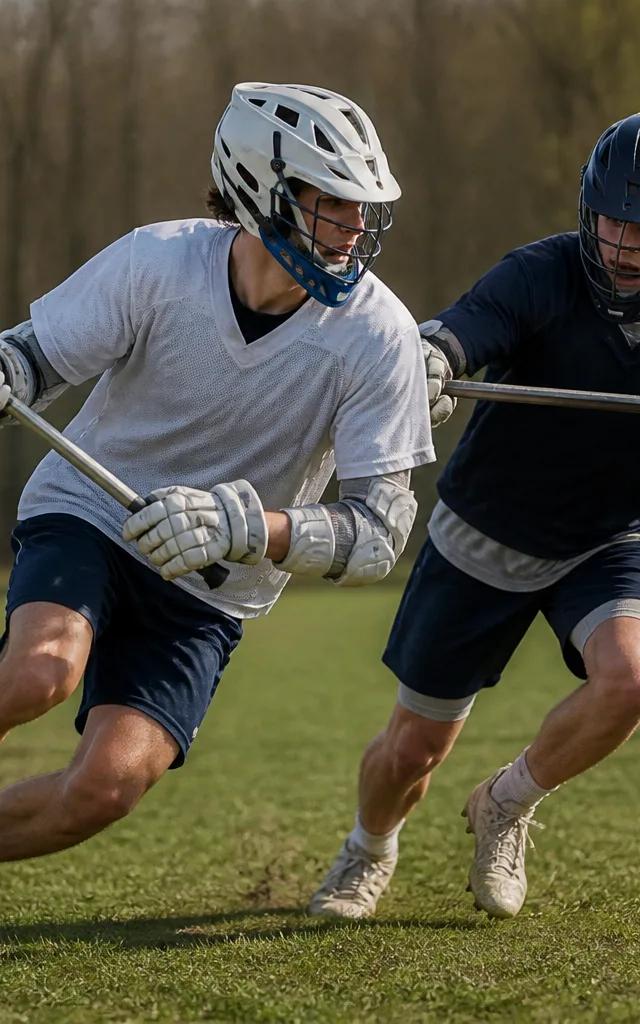 4 phases
Team sports
Lacrosse
Lacrosse combines repeat sprinting and abrupt direction changes with stick skills, shoulder work and contact that varies substantially by…
See the season map →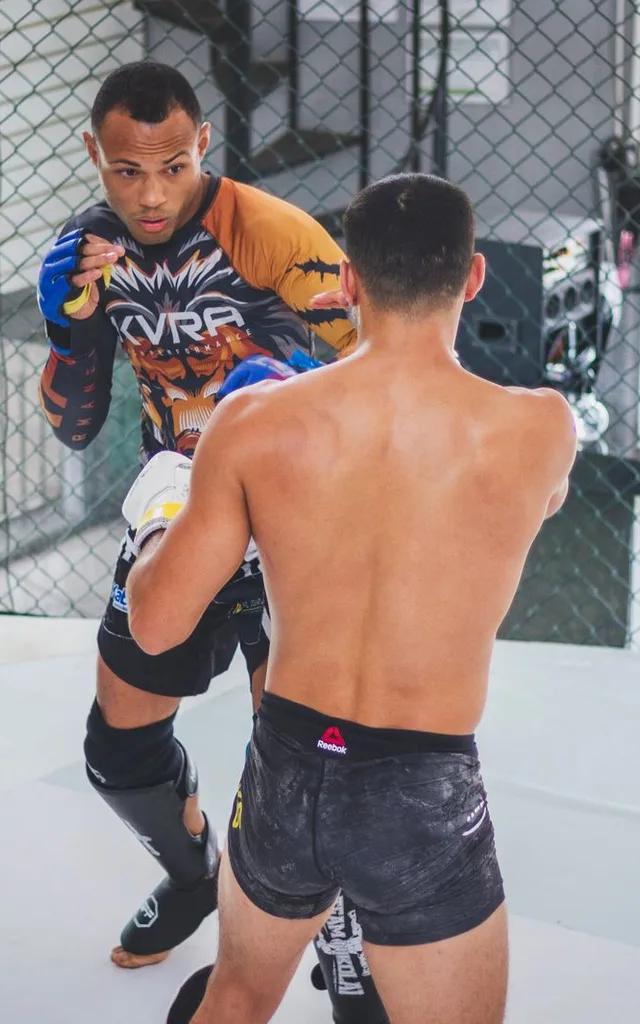
Combat sports
MMA
MMA camps stack eight to eleven weekly sessions across striking, grappling and conditioning, with a weight cut layered over the peak.
See the season map →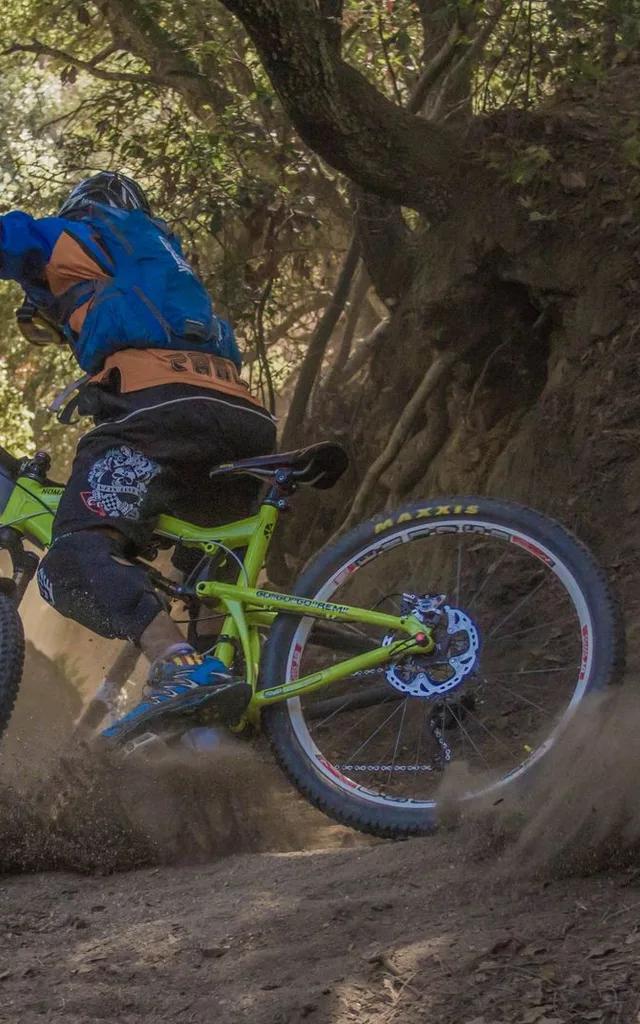 3 phases
Endurance
Mountain Biking
Mountain biking diverges from road cycling through repeated vibration, technical bursts and constant upper-body bracing.
See the season map →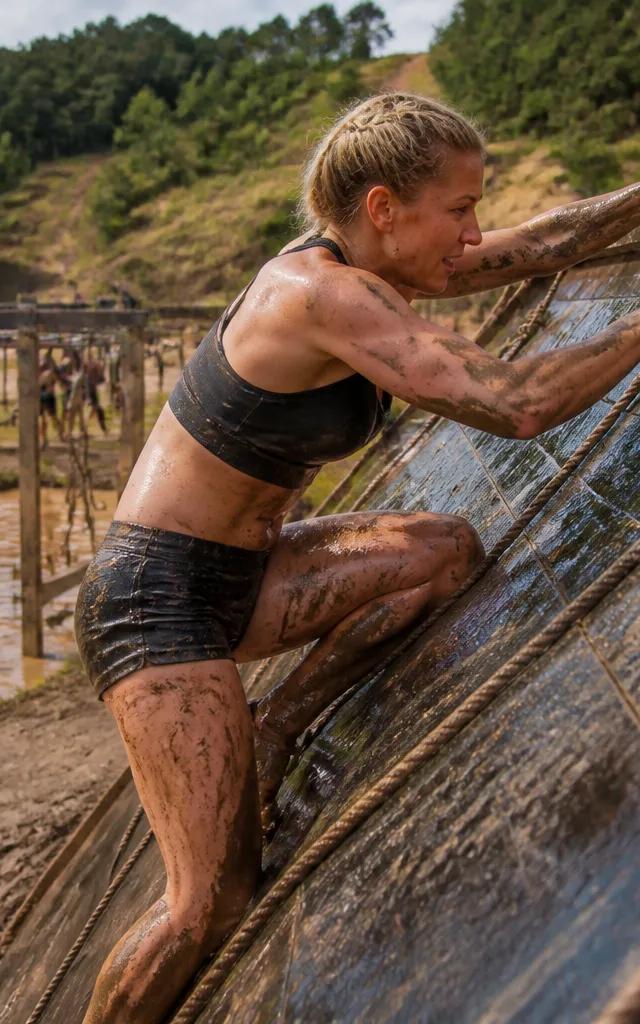 4 phases
Endurance
Obstacle Course Racing
Obstacle course racing layers trail running with climbing, hanging, carries, crawls and high-impact landings, so endurance and grip…
See the season map →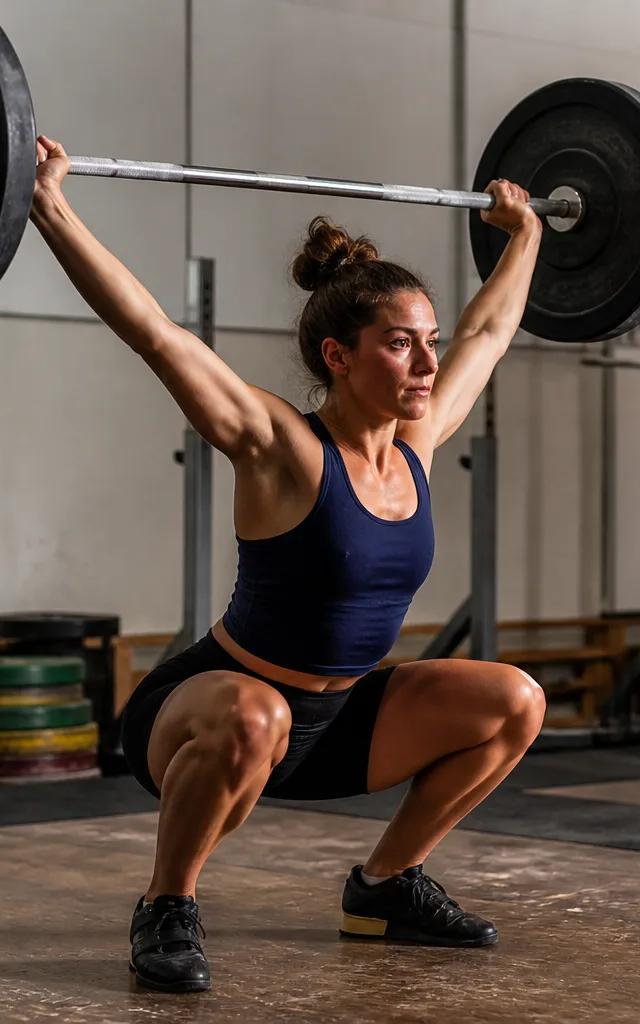
Strength & fitness
Olympic Weightlifting
Olympic weightlifting concentrates explosive force into the snatch and clean and jerk, with repeated overhead catches loading the…
See the season map →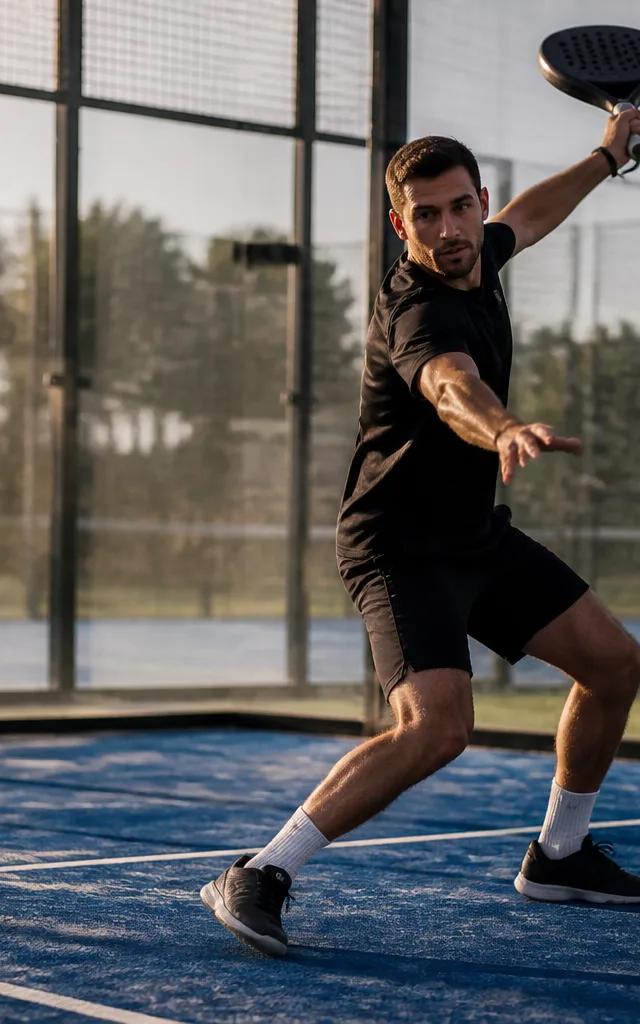
Racquet & paddle
Padel
Padel combines repeated lateral changes of direction with overhead and forehand strokes, concentrating load at the elbow and shoulder…
See the season map →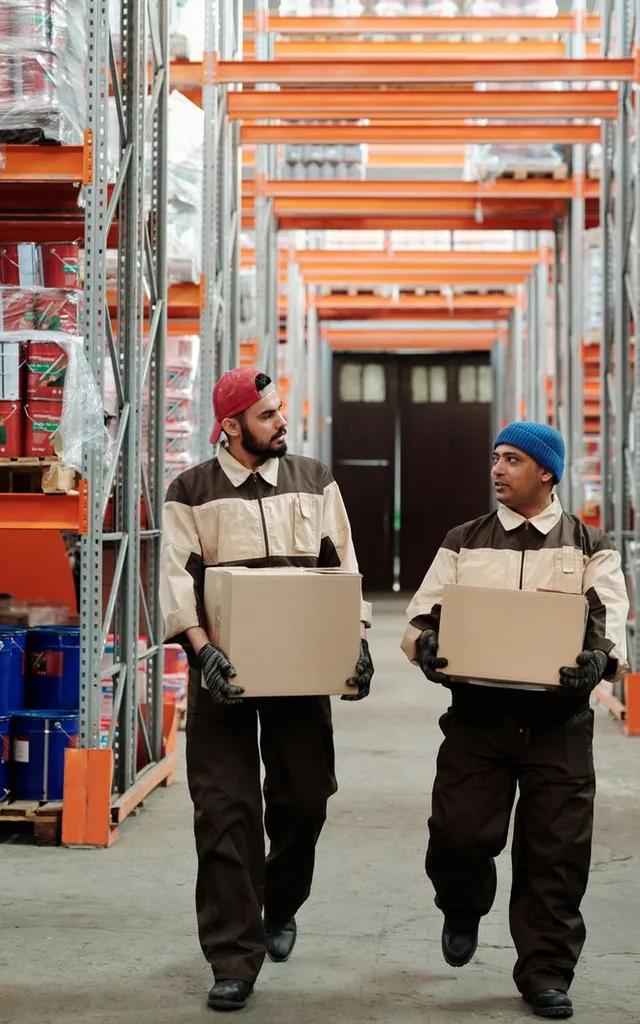
On the job
Physically Demanding Work
In physically demanding work, the dose is not optional: lifting, carrying and awkward postures repeat; shift rotation fragments sleep.
See the season map →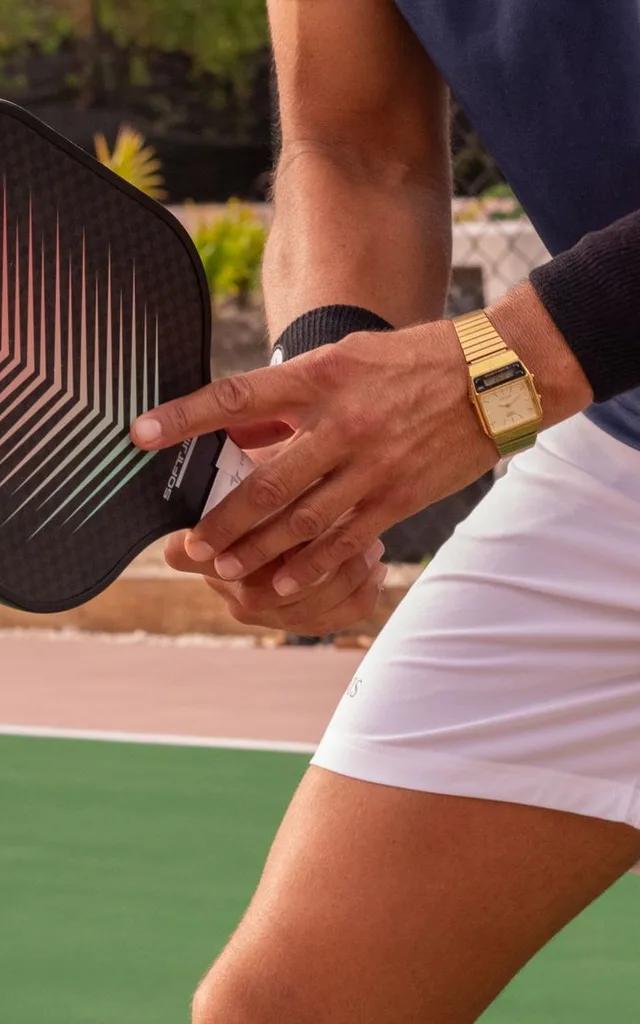
Racquet & paddle
Pickleball
Pickleball's lateral movement, overhead serves and grip load the elbows, shoulders, calves and knees, most weeks of the year.
See the season map →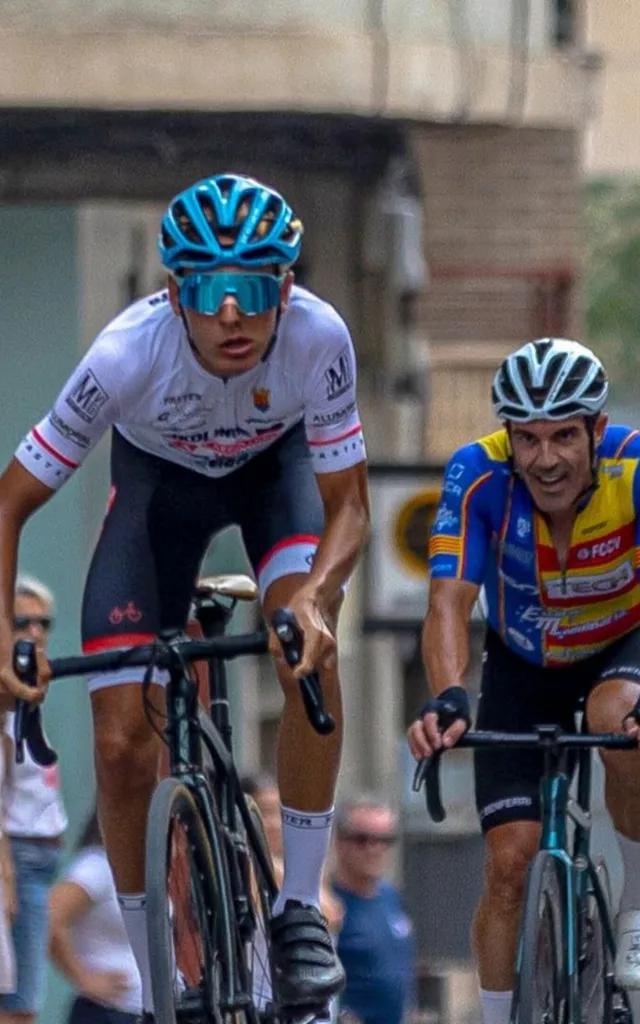 3 phases
Endurance
Road Cycling
Road cycling brings deep quad and glute heaviness, plus low-back, neck and hand load from holding one position for hours.
See the season map →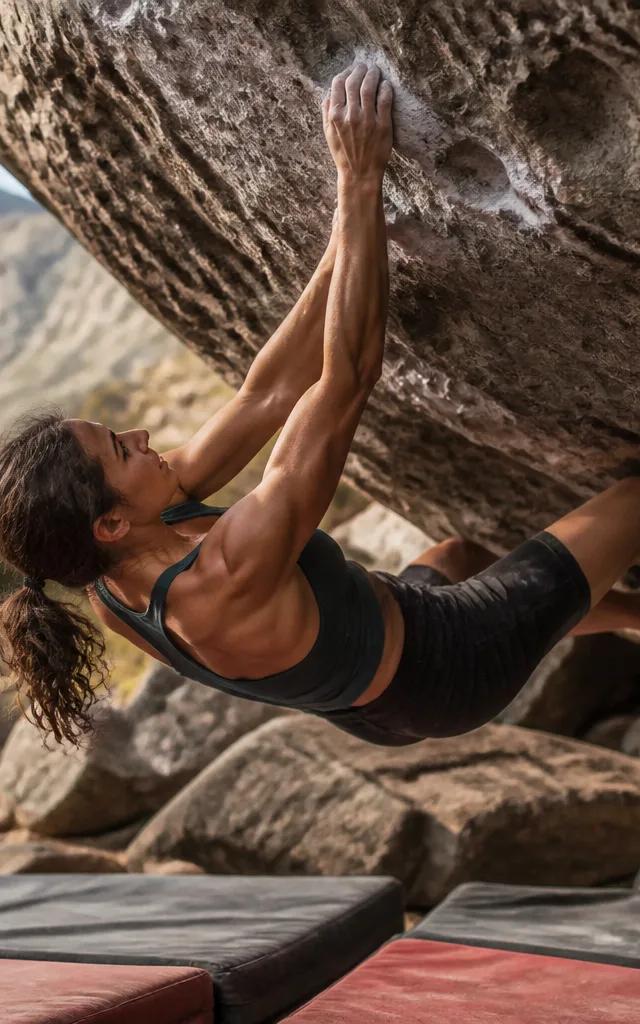
Lifestyle & recreation
Rock Climbing
Rock climbing places unusually concentrated load on the fingers and forearms, with shoulders and elbows working overhead and ankles…
See the season map →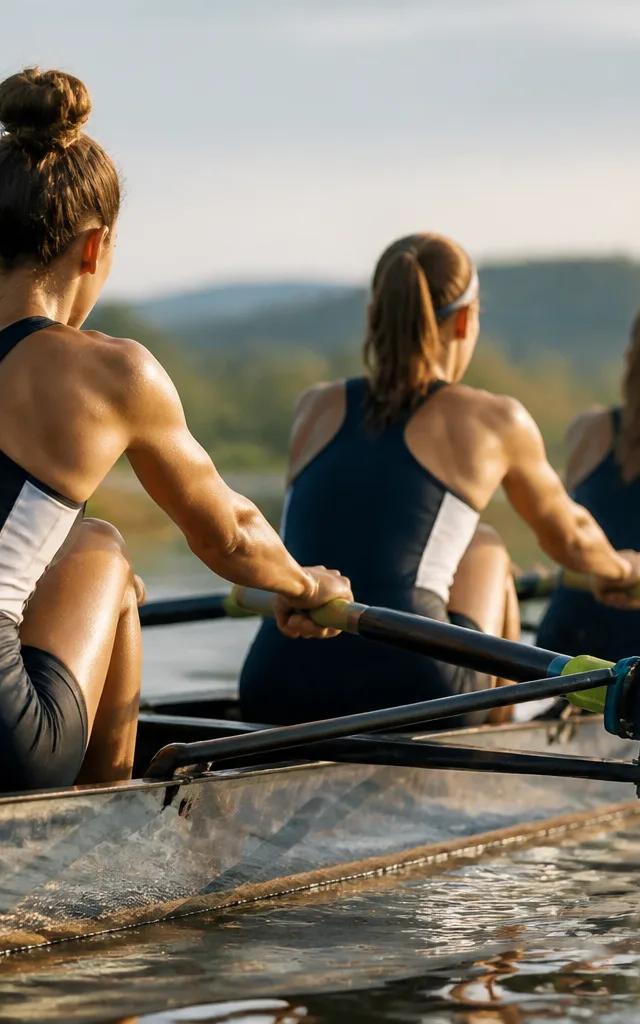 4 phases
Endurance
Rowing
Rowing combines repeated leg drive with trunk flexion and extension, sustained grip and a high-volume pulling pattern that concentrates…
See the season map →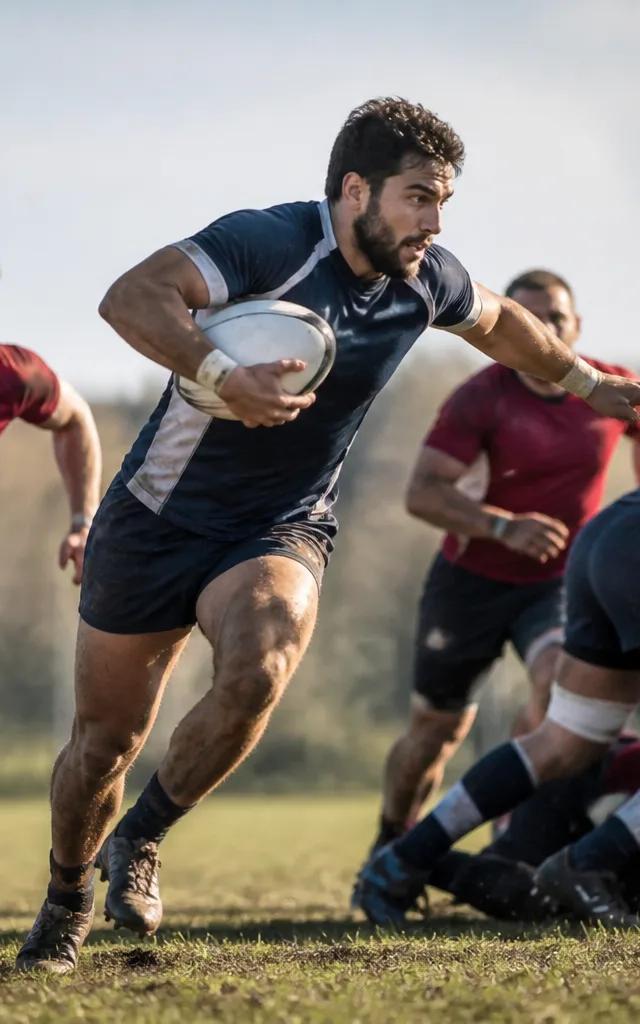 6 phases
Team sports
Rugby
Rugby combines sustained running and repeat sprinting with tackles, rucks, scrums and frequent collisions; match load changes sharply…
See the season map →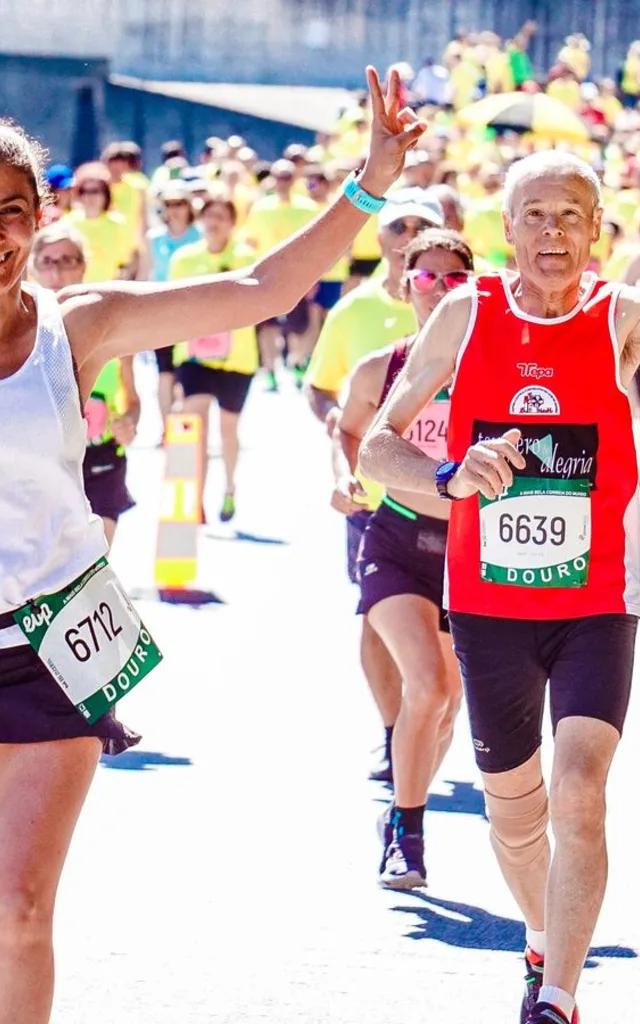 6 phases
Endurance
Running
Running brings repetitive impact below the knee, with foot, heel and achilles complaints showing up most often as mileage climbs.
See the season map →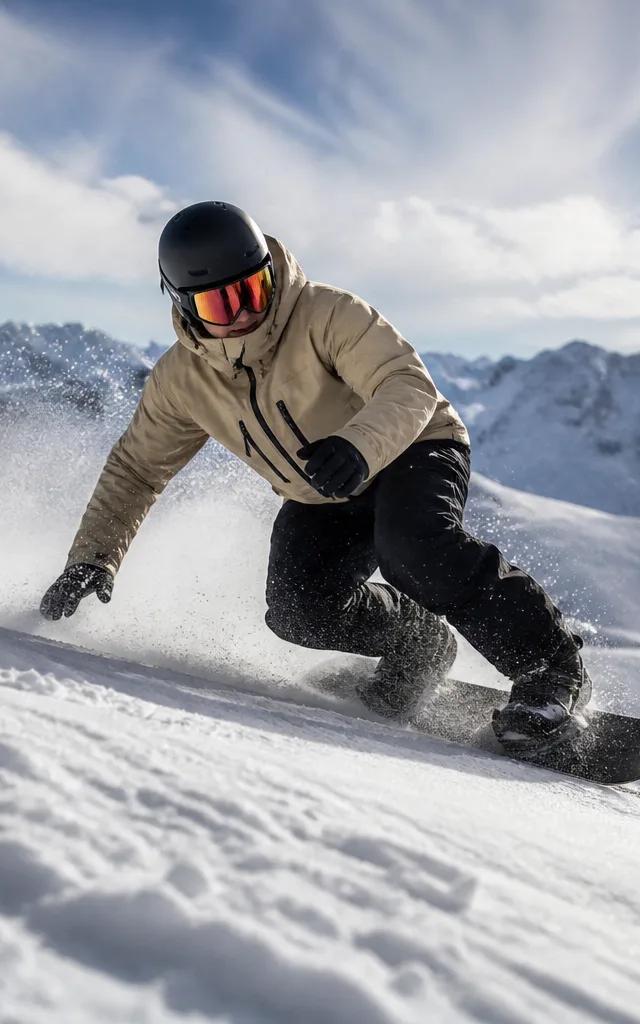 4 phases
Lifestyle & recreation
Snowboarding
Snowboarding combines sustained leg and trunk bracing with repeated falls and landings; wrists, shoulders and ankles carry a distinct…
See the season map →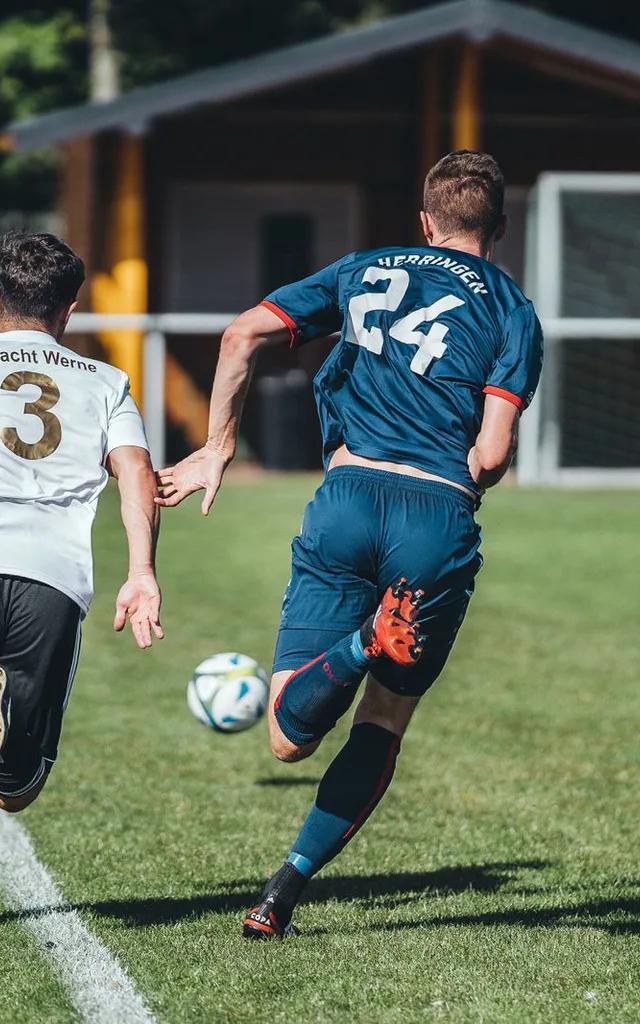 4 phases
Team sports
Soccer
Soccer's high weekly distance comes in stop-start running that loads the posterior chain and hips more than steady running.
See the season map →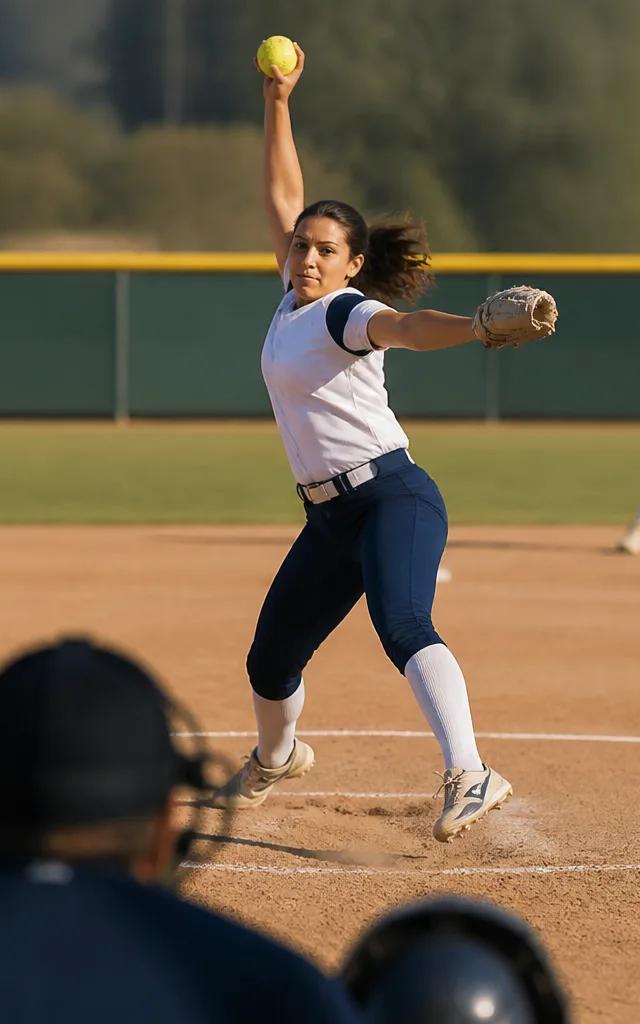 4 phases
Team sports
Softball
Softball mixes explosive base running and rotational hitting with position-specific throwing, while windmill pitchers carry a distinct…
See the season map →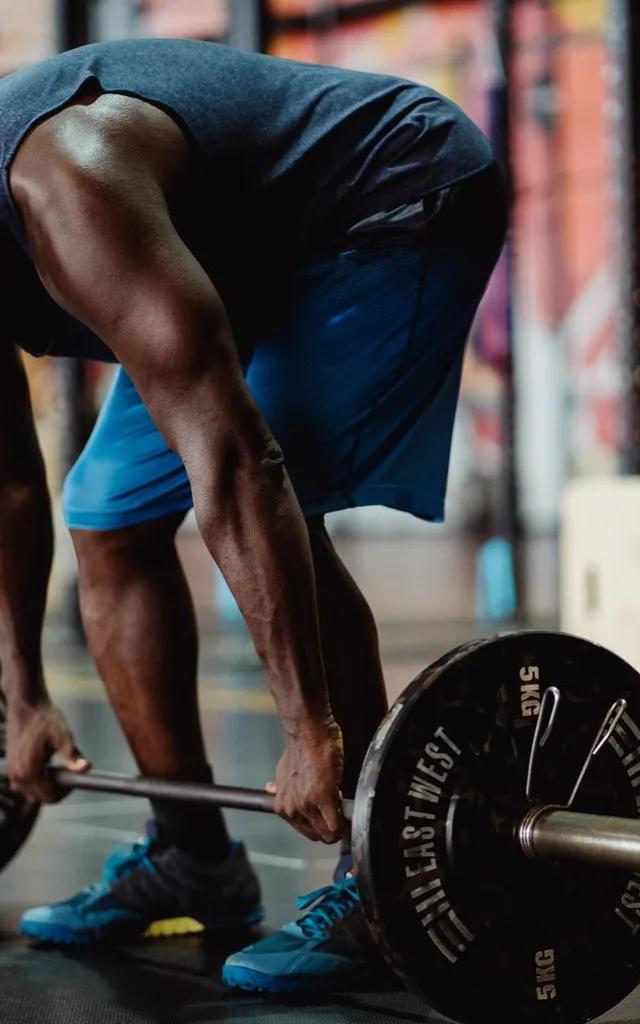
Strength & fitness
Strength Training
Strength training often underlies other sports; heavy or novel sessions drive soreness, while exercise choice shapes joint load.
See the season map →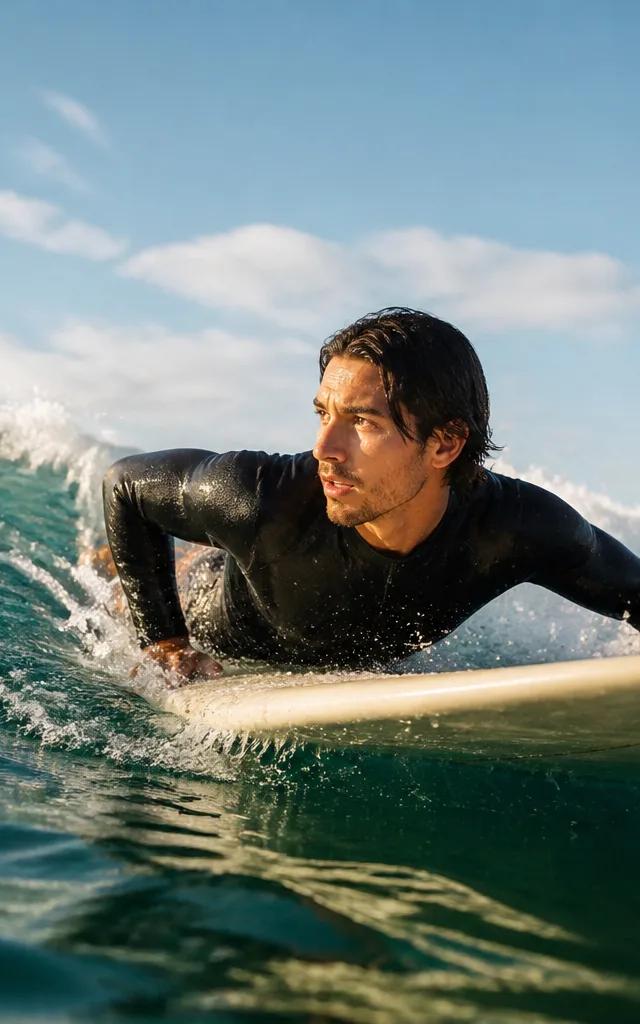
Lifestyle & recreation
Surfing
Surfing spends much of each session in repeated prone paddling, then adds explosive pop-ups, trunk rotation and unpredictable wave and…
See the season map →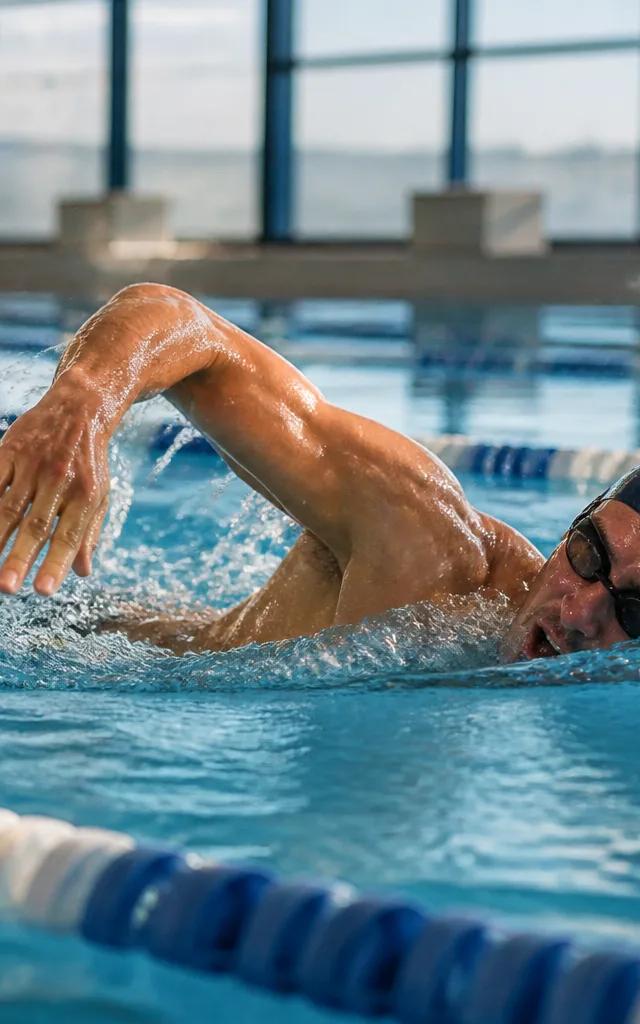
Endurance
Swimming
Swimming concentrates very high repetition at the shoulders while the kick and turns add knee, hip and low-back load with almost no impact.
See the season map →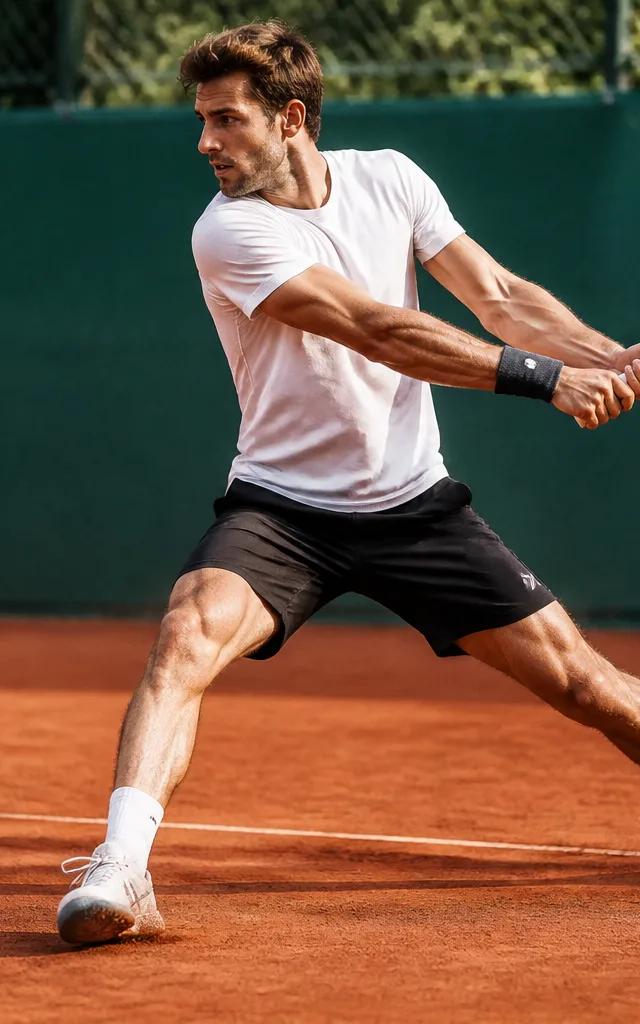
Racquet & paddle
Tennis
Tennis combines repeated accelerations and stops with hundreds of rotational strokes, while serving concentrates load through the…
See the season map → 4 phases
Endurance
Track & Field
Track and field is a family of distinct sports: distance volume, maximal sprinting, jumping and throwing create different loads that…
See the season map →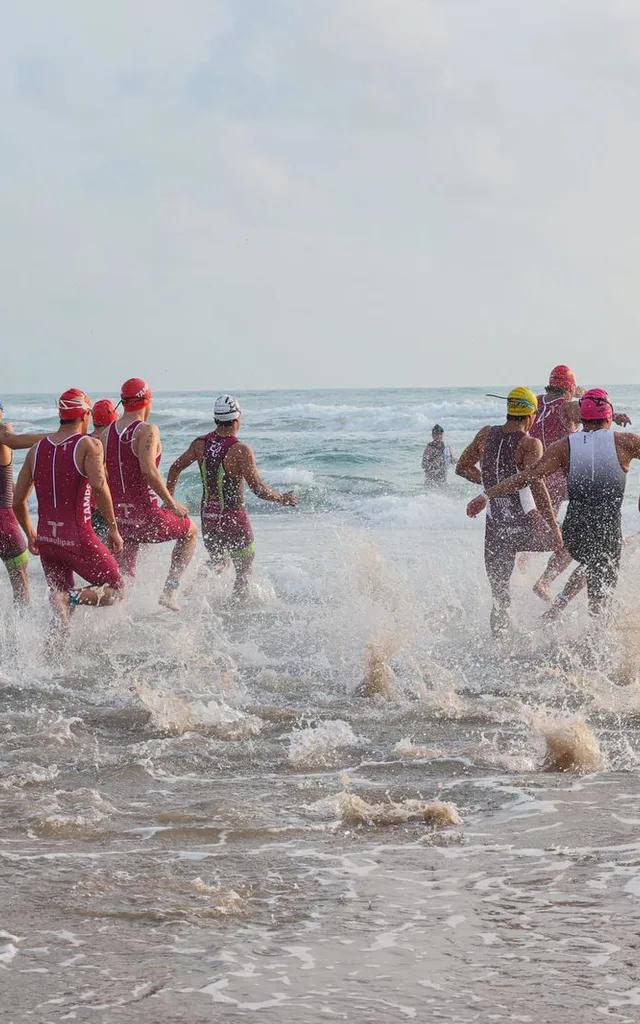 4 phases
Endurance
Triathlon
Triathlon's three loads fall on shoulders in swimming, calves and achilles tendons in running, and the low back and hips in cycling.
See the season map →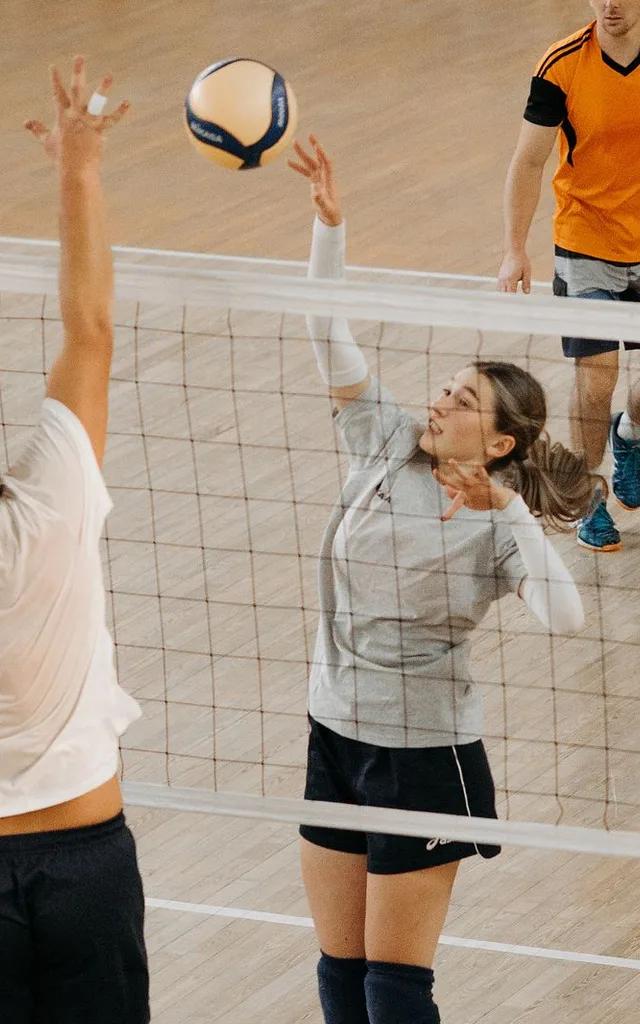 3 phases
Team sports
Volleyball
Volleyball brings frequent jumps and heavy overhead swings, with shoulders, knees and ankles carrying most of the load week to week.
See the season map →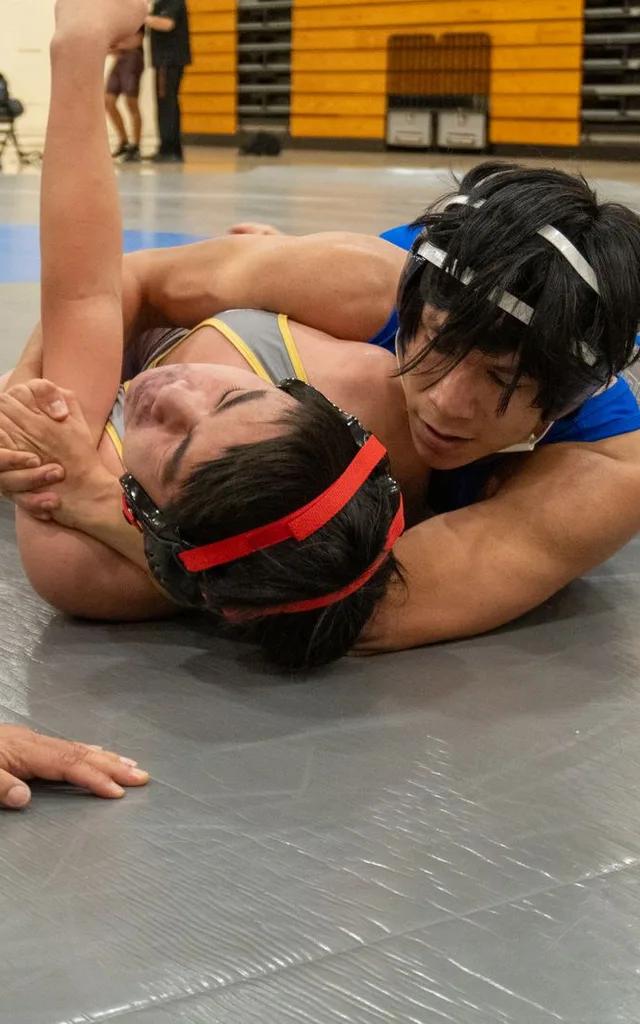 3 phases
Combat sports
Wrestling
Wrestling loads the grip, neck, shoulders and low back isometrically, nearly every day from November to March, with no rest days.
See the season map →How to read a page
Each sport, phase by phase
Every activity page opens with the same block: the training year split into phases, what recovery is for in each one, and the practical decisions that change with it. Pick a phase to filter the library above.
Not sure where your sport fits?
Take the 2-minute Modality Match quiz — tell us how you train and we'll rank the recovery modalities worth starting with, plus studios near you that run them.