Loading…
Float therapy · for anxiety
Float therapy for anxiety: sensory reduction, nervous system reset, and what the research shows
Float therapy addresses anxiety through a mechanism no other wellness modality can replicate: the near-total removal of sensory input. In a world of constant stimulation, the float tank offers something rare: a genuine withdrawal from environmental noise that the nervous system can use to reset.
279
studios listed
215
cities
Floatation REST (Restricted Environmental Stimulation Technique) works by removing the sensory streams the brain is constantly processing: light, sound, gravity, temperature differentials, spatial orientation. In a float tank filled with body-temperature Epsom salt solution, you float effortlessly, the air and water are the same temperature, and external sound and light are blocked. The sensory cortex suddenly has very little to process.
The anxiety-relevant effect is what happens when the brain is freed from processing external stimuli. Brain wave activity shifts from the alert beta-wave state toward alpha and eventually theta waves, the same state associated with deep meditation and the hypnagogic period just before sleep. The default mode network, which is hyperactive in anxiety and rumination, quiets substantially. People who struggle to meditate often find that the float tank achieves the same shift without requiring any practice.
What the research says
Floatation REST is one of the more formally researched alternative anxiety interventions. Studies from Justin Feinstein's lab at the Laureate Institute for Brain Research have used neuroimaging to show that floatation REST reduces amygdala reactivity (the brain region that drives the threat-detection and anxiety response) and that this effect persists for hours after the session. Participants with anxiety disorders reported significant relief, and the responses were often described as larger than expected.
Magnesium absorption through the skin from Epsom salt solution has been proposed as an additional mechanism (magnesium plays a role in nervous system regulation), though evidence for transdermal magnesium absorption is less established than the neurological effects of sensory reduction. The anxiety benefits are real and documented; the mechanism is primarily the REST effect, not the magnesium.
What to expect and how to prepare
- First-time anxiety: it's normal to feel anxious at the start of a float, even for people seeking anxiety relief: the unfamiliar environment triggers a brief adaptation period.
- Give it 20 minutes: most people's anxiety about floating itself resolves in the first 15–20 minutes, after which the deep relaxation state becomes available.
- Session length: 60 minutes is the standard introductory session; 90 minutes allows more time in the deeper relaxation state.
- Don't force it: if claustrophobia is a concern, many modern float tanks are large open pods, not small enclosed chambers: ask the studio before booking.
- After the float: the calm often continues for hours; some people report that a single session meaningfully interrupts a period of heightened anxiety.
Praxium organizes goal-based recovery sequencing — this is not medical advice. Check contraindications with a qualified professional before starting any modality.
Is float therapy right for you?
Float therapy is well-suited to people managing high stress, anxiety, or chronic pain, as well as anyone seeking a deep meditative experience without prior meditation training.
Wellness guidance, not medical advice.
Often a great fit if…
Athletes use it for muscle and mental recovery; creative professionals use it for focus and idea generation.
Worth a quick check first if…
Float therapy is not recommended for people with open wounds, skin infections, epilepsy, or severe claustrophobia. Individuals with kidney disease should consult a clinician, as high magnesium exposure may be a concern. Pregnant individuals should discuss float therapy with their healthcare provider before booking.
What a first session feels like
Standard sessions run 60 or 90 minutes. You'll shower before entering the tank and again immediately after. The first 10–15 minutes involve adjusting to the unusual sensation; by the 20–30 minute mark most first-timers experience a profound shift in relaxation. Tank water is filtered and sanitized between each session.
Where to try it
Try float therapy near you
279 studios listed across 215 cities.

Enhance Image Med Spa and Float Therapy
Lexington, SC
5.0· 695 Google reviews
Lexington med spa with a private float-therapy suite, pairing sensory-deprivation floats with aesthetic and massage services.
Float therapyBody sculpting
Blissful Waters Float Center
Spring, TX
5.0· 645 Google reviews
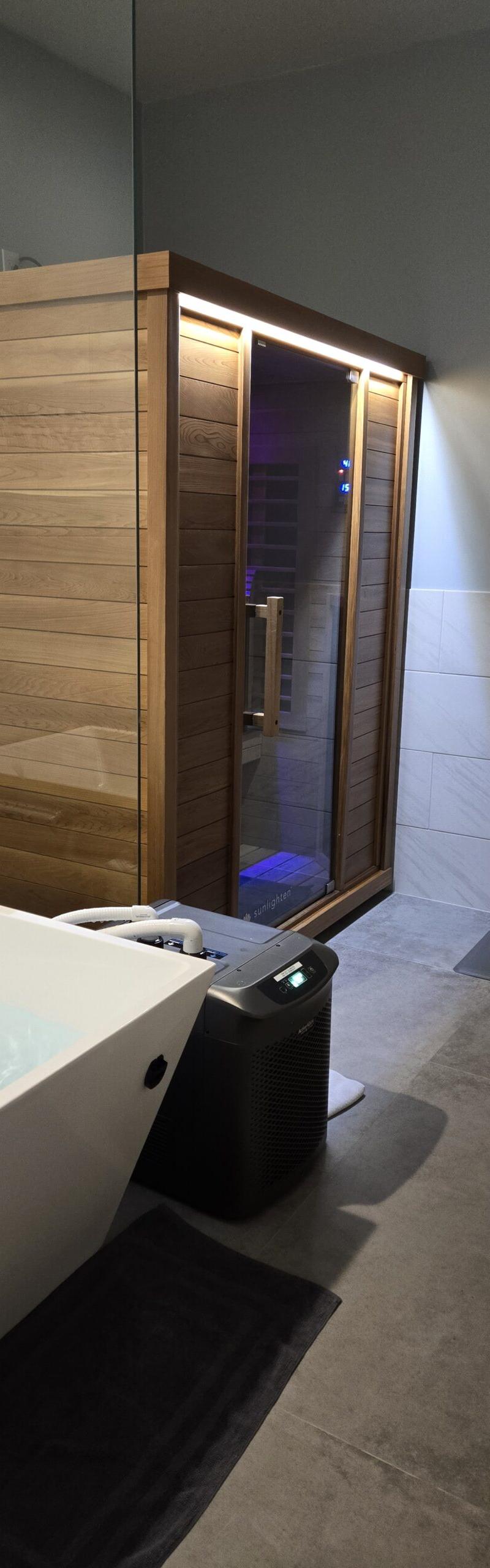
Float and recovery wellness center featuring sensory-deprivation float therapy, infrared sauna, cold plunge, and PEMF modalities for stress relief and nervous system balance.
Float therapyInfrared saunaCold plungeRed light therapy+1
iCRYO Westminster
Orchard Town Center · Westminster, CO
5.0· 517 Google reviews
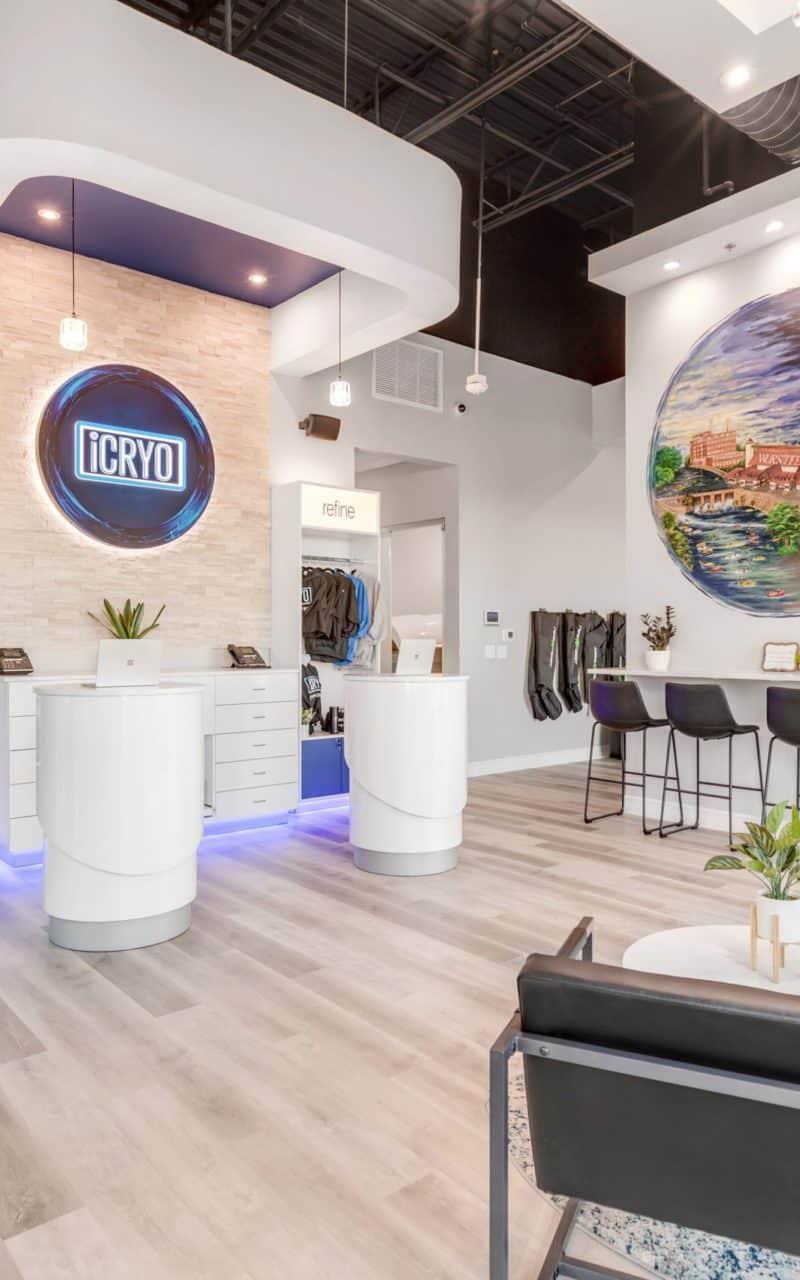
iCRYO Westminster is a recovery and wellness center offering cryotherapy, red light therapy, infrared sauna, compression, IV drip, and hyperbaric oxygen therapy.
CryotherapyRed light therapyInfrared saunaCompression therapy+3
Therapeutic Massage & Wellness, LLC.
Newtown · Newtown, CT
5.0· 469 Google reviews
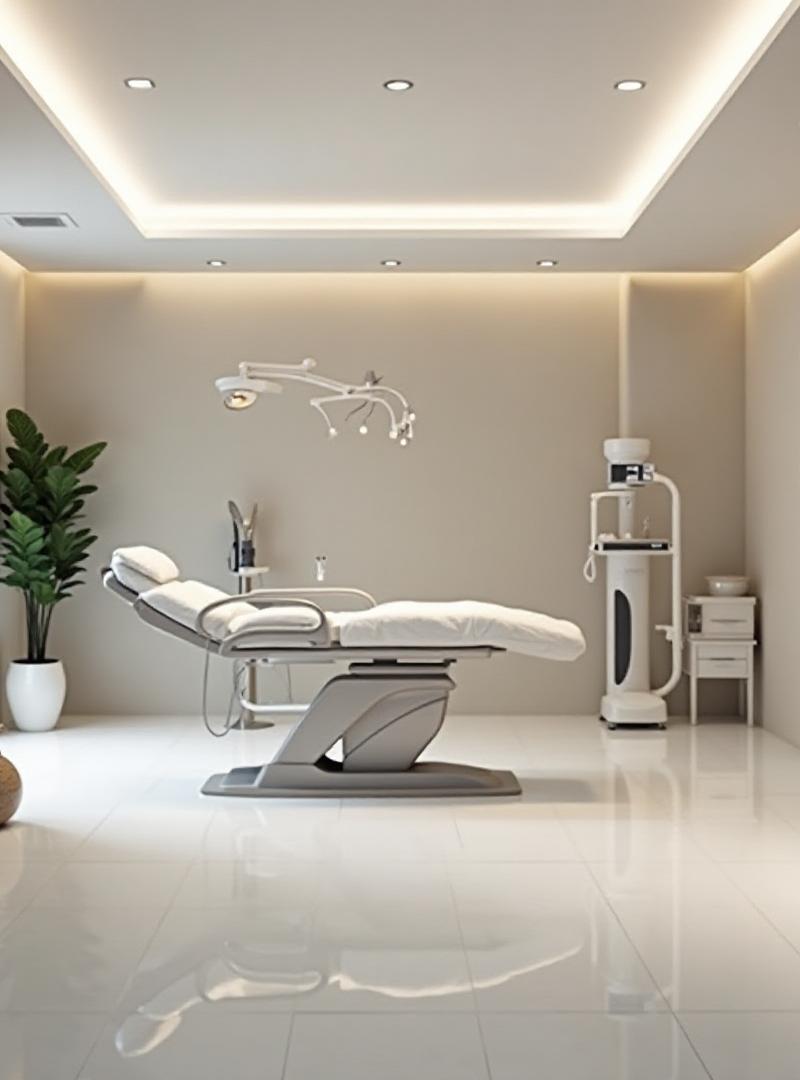
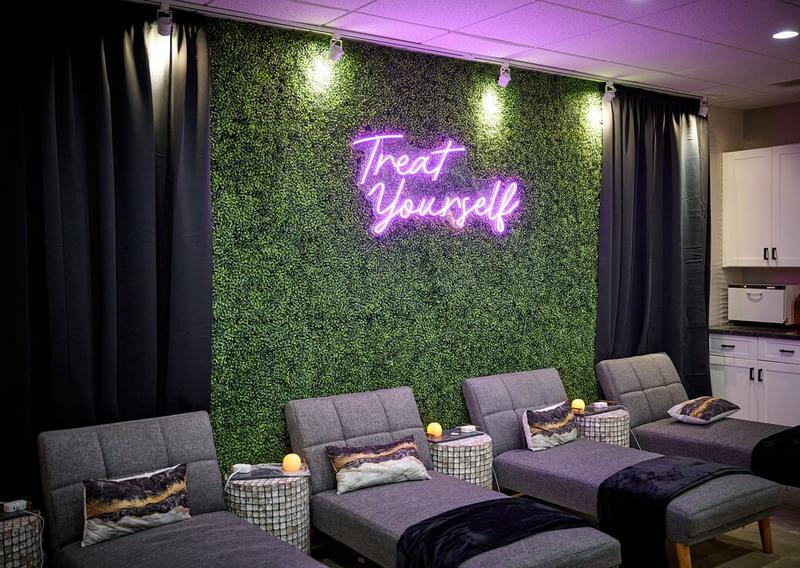
Day Spa in Newtown, CT Therapeutic Massage & Wellness
Cold plungeRed light therapyFloat therapyCompression therapy+1

The Well VB
Virginia Beach, VA
5.0· 362 Google reviews
The Well VB is a Virginia Beach wellness spa with private contrast rooms (infrared sauna plus cold plunge), sensory-deprivation float pods, red light therapy, assisted stretch, and lymphatic drainage.
Contrast therapyInfrared saunaCold plungeFloat therapy+3
Frequently asked questions
Is float therapy safe for anxiety?
Yes, for most people. Research specifically with anxiety disorder participants has shown meaningful anxiety reduction without adverse effects. The exception is severe claustrophobia, which can make the float environment uncomfortable, though many modern tanks are larger than traditional chambers, and most studios will walk you through the setup.
What do you do in a float tank for an hour?
Nothing, and that's the point. You float effortlessly in the buoyant salt solution, in the dark and quiet. Some people experience visualizations, others fall into a near-sleep state. The 'work' is simply staying in the environment and letting the sensory reduction do its job. Many people bring no agenda at all.
How long should you float for anxiety?
Sixty minutes is a reasonable starting point. It typically takes 15–20 minutes to settle into the environment, leaving 40+ minutes in the deeper relaxation state. Ninety-minute sessions are common for regular floaters who want more time in the theta-wave state. Very short sessions (under 45 minutes) may not allow enough time to reach the deepest relaxation.
How often should I float for anxiety?
Many studies and studios suggest starting with a session every one to two weeks, then adjusting based on response. Some people find a meaningful reset from occasional floats during high-stress periods; others benefit from a more regular rhythm. Because float sessions add up in cost, finding the minimum effective frequency for you is sensible.
Is float therapy good for PTSD?
Floatation REST has been studied in the context of trauma- and anxiety-related conditions, with early findings showing reduced anxiety and amygdala reactivity. It may be a supportive tool, but it is not a standalone treatment for PTSD: anyone managing PTSD should work with a qualified mental health professional and treat floating as a possible complement.
What if I feel claustrophobic in a float tank?
Many modern float environments are large open pods or room-sized cabins rather than enclosed chambers, and you remain in full control: you can leave the lid open, keep a light on, and exit whenever you want. If claustrophobia is a concern, tell the studio in advance and they'll walk you through the setup before you start.
Want float therapy as part of a full plan?
Float therapy for anxiety is one input. The quiz asks how you train and how you sleep, then puts it in an order — which modality, on which day, and what it should sit next to.