Loading…
Hyperbaric oxygen · for longevity
Hyperbaric oxygen for longevity: what the telomere research means, and what it doesn't
Hyperbaric oxygen therapy landed in longevity discussions with unusual force after Israeli researchers published findings on telomere length and senescent cells. Here's what those studies showed, what the caveats are, and how wellness-grade HBOT compares to the clinical protocols studied.
450
studios listed
319
cities
Hyperbaric oxygen therapy (HBOT) involves breathing high-concentration oxygen (typically 95%+) inside a pressurized chamber, usually at 1.3 to 2.4 atmospheres absolute (ATA). The elevated pressure allows oxygen to dissolve into blood plasma at much higher concentrations than it can at normal atmospheric pressure, delivering oxygen to tissue that standard red blood cell delivery might not reach.
The longevity interest accelerated after a 2020 study by Harchol et al. from Tel Aviv University found that healthy older adults undergoing a specific 60-session HBOT protocol showed significant increases in telomere length and decreases in senescent cells, two biomarkers associated with cellular aging. These findings were unexpected and generated substantial media coverage. The research is real; what matters is understanding what it does and doesn't tell us.
Understanding the limitations of the research
The Tel Aviv protocol used hard-shell chambers at 2.0 ATA with near-pure oxygen: a clinical-grade protocol with 60 sessions over 90 days. This is meaningfully different from the 'mild HBOT' offered in most wellness and longevity studios, which typically operates at 1.3–1.5 ATA in softer chambers with oxygen concentrations around 90–95%. Whether the telomere effects observed at 2.0 ATA translate to lower-pressure protocols is still an open question.
Telomere length is one biomarker among many for biological aging, and its relationship to health outcomes is still being characterized. The senescent cell findings are arguably more actionable, and senescent cells (cells that have stopped dividing but remain metabolically active, releasing inflammatory signals) are associated with tissue dysfunction in aging. Reducing their burden is a plausible mechanism for HBOT's potential longevity effects.
This is a fast-moving research area, and we are not at the point where HBOT can be described as a proven longevity treatment. It is a promising tool with a mechanistic rationale and some early human data, being used by a growing number of longevity-focused clinicians. It is not medical advice, and anyone considering it for longevity purposes should do so in consultation with a physician.
What longevity-focused HBOT looks like in practice
- Pressure: clinical protocols use 2.0 ATA; wellness/longevity studios typically offer 1.3–1.5 ATA (mild HBOT).
- Sessions: the studied longevity protocol was 60 sessions over 90 days, a significant commitment.
- Cost: sessions at wellness-grade HBOT studios typically run $100–250 each; clinical protocols cost more.
- Who uses it: longevity clinics, functional medicine practices, and performance-focused wellness studios increasingly offer HBOT alongside other modalities.
- Contraindications: HBOT is not appropriate for people with certain lung conditions, recent ear surgery, active infections, or claustrophobia: always complete a medical intake before your first session.
Praxium organizes goal-based recovery sequencing — this is not medical advice. Check contraindications with a qualified professional before starting any modality.
Is hyperbaric oxygen right for you?
HBOT is sought by athletes for accelerated recovery, individuals with chronic fatigue or long COVID symptoms, and longevity-focused wellness seekers.
Wellness guidance, not medical advice.
Often a great fit if…
People undergoing post-surgical recovery sometimes use wellness-grade HBOT as a complementary support tool.
Worth a quick check first if…
People with untreated pneumothorax (collapsed lung) should not use HBOT. Those with a history of ear surgery, perforated eardrums, or active ear infections should consult a clinician before use. Pregnancy, active chemotherapy, and certain lung conditions are additional considerations, always consult a healthcare provider before beginning any HBOT protocol.
What a first session feels like
A soft-chamber session lasts 60–90 minutes inside a pressurized inflatable tube (lying down), breathing oxygen through a mask. Pressure changes may cause temporary ear-popping, similar to airplane descent, which clears by swallowing or yawning. The experience is quiet and comfortable; most people read, rest, or listen to audio during the session.
Where to try it
Try hyperbaric oxygen near you
450 studios listed across 319 cities.
DOC's
Wall, NJ
5.0· 1 Google review
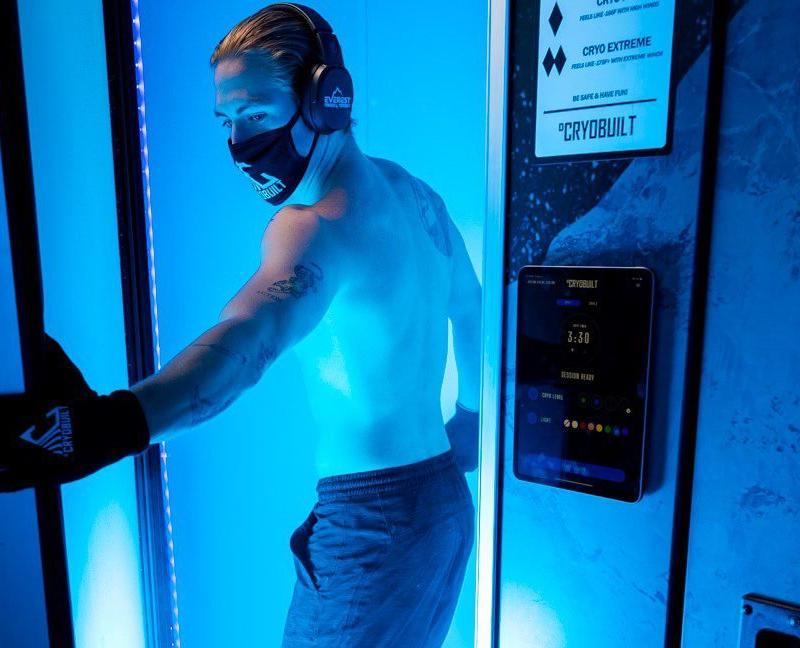
DOC's is a Wall, NJ recovery facility offering innovative holistic therapies for athletic performance and life extension — whole-body cryotherapy, hyperbaric oxygen, Normatec compression, Sunlighten infrared sauna, and Theralight red light.
CryotherapyHyperbaric oxygenCompression therapyInfrared sauna+1
Next Health
West Hollywood, CA
5.0· 2291 Google reviews
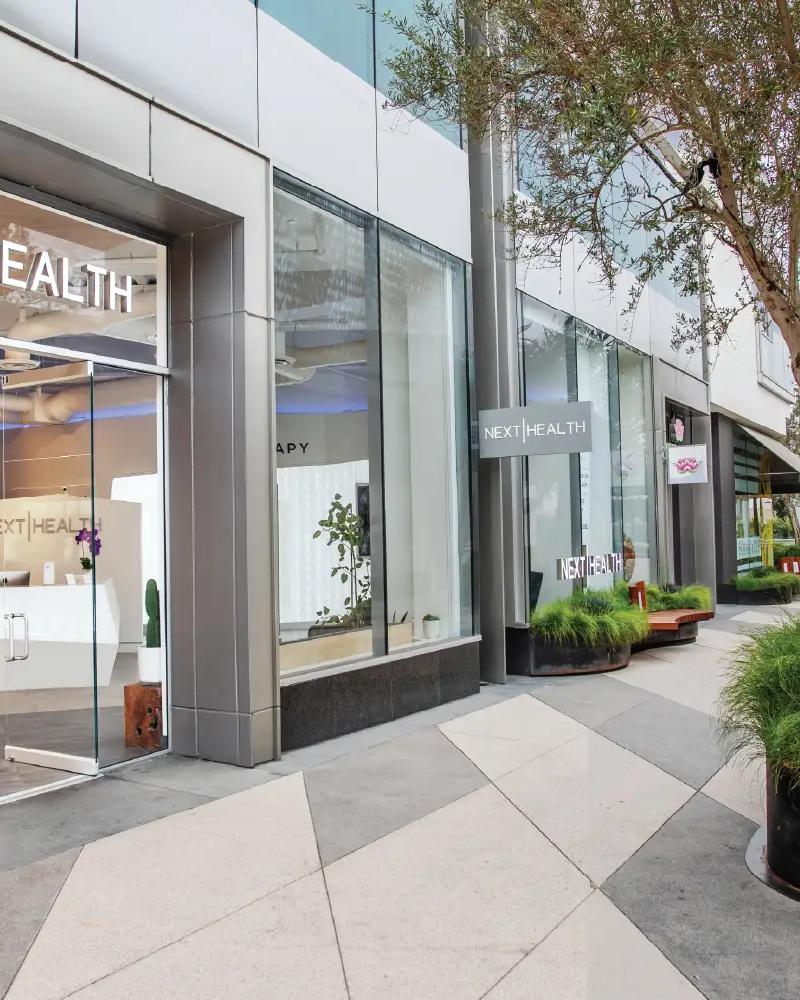
Next Health is a health and wellness center at The Sunset on Sunset Boulevard in West Hollywood.
IV & hydrationIV Hydration / Vitamin (Myers-type) TherapyCryotherapyHyperbaric oxygen+3
Next Health West Hollywood
Sunset Strip · West Hollywood, CA
5.0· 2250 Google reviews
West Hollywood wellness center for NAD+, IV drips, hormone therapy, infrared therapy, hyperbaric oxygen, EBOO ozone & plasma exchange on the Sunset Strip.
CryotherapyHyperbaric oxygenInfrared saunaRed light therapy+1

Next Health
Century City · Los Angeles, CA
5.0· 1493 Google reviews
Wellness center in Century City with IV drips, NAD+ infusions, hormone optimization, hyperbaric oxygen, infrared therapy, EBOO ozone & plasma exchange.
CryotherapyIV & hydrationHyperbaric oxygenRed light therapy
Next Health Studio City
Studio City Los Angeles, CA
5.0· 1432 Google reviews
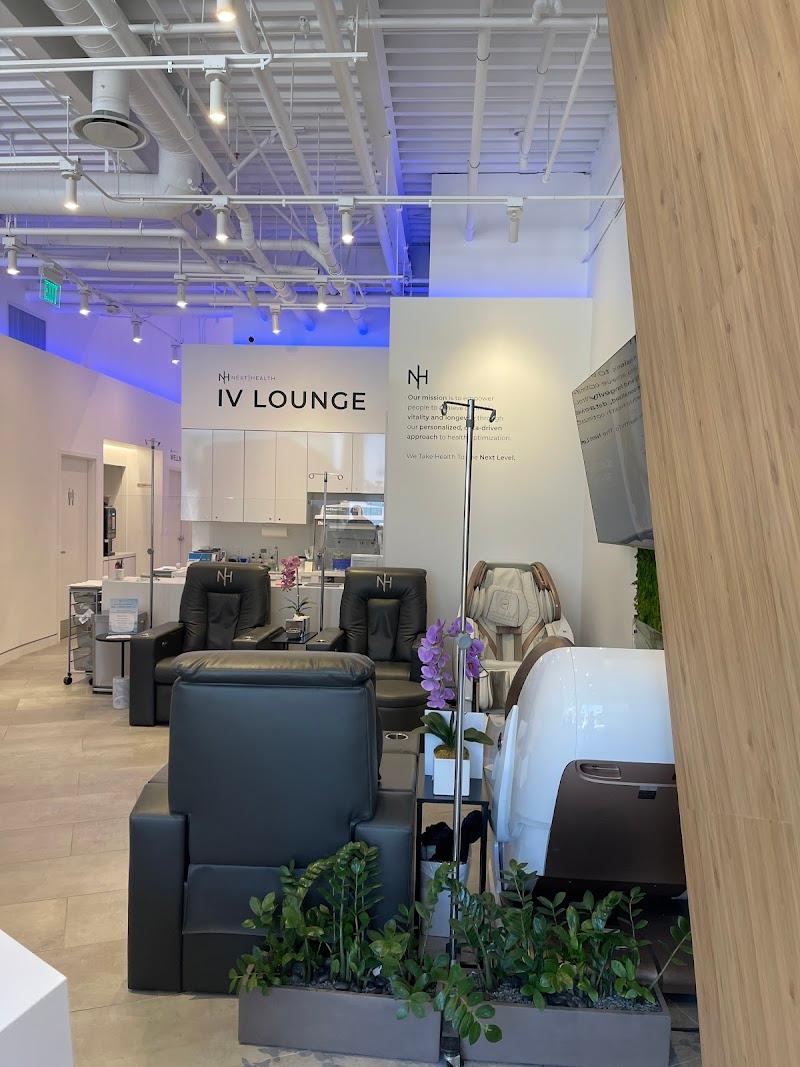
Next Health identifies its Studio City location as a health and wellness center at The Shops at Sportsmen's Lodge.
CryotherapyHyperbaric oxygenIV & hydrationNAD+ IV Infusion+2
Next Health
West Hollywood · Century City, CA
5.0· 1429 Google reviews
Next Health is a wellness and longevity center at Westfield Century City Mall in Los Angeles.
CryotherapyHyperbaric oxygenIV & hydrationNAD+ IV Infusion
Frequently asked questions
Can HBOT reverse aging?
No wellness intervention has been shown to definitively 'reverse' aging, and HBOT is no exception. What the Tel Aviv research showed is that a specific clinical HBOT protocol produced measurable improvements in two aging biomarkers (telomere length and senescent cell burden) in healthy older adults. These are meaningful findings, but they don't establish longevity outcomes in a general population. The research is promising, not conclusive.
How many HBOT sessions do I need for longevity?
The studied protocol involved 60 sessions over 90 days at 2.0 ATA, one session per day, five days a week, for three months. Most wellness-grade studios offer lower pressure (1.3–1.5 ATA), and whether shorter or lower-pressure protocols produce similar effects is still an open question. Many longevity clinics structure their own protocols of 20–40 sessions as a starting point.
What is the difference between mild HBOT and clinical HBOT for longevity?
Pressure is the primary difference. Clinical HBOT (2.0 ATA and above) achieves plasma oxygen saturation levels that mild HBOT (1.3–1.5 ATA) cannot match. The published longevity research used clinical pressures. Mild HBOT has its own documented benefits (wound support, recovery, inflammation) and may have longevity effects, but the direct extrapolation from the Tel Aviv studies to wellness-grade chambers hasn't been directly tested.
How much does HBOT for longevity cost?
Wellness-grade sessions typically run about $100–250 each, and clinical-pressure protocols cost more. Because the studied longevity protocol involved 60 sessions, the cumulative cost is significant (often several thousand dollars), which is worth factoring into any decision.
Is HBOT safe for healthy people?
For most healthy adults it's generally well tolerated, with ear pressure (barotrauma) being the most common minor issue. It's not appropriate for everyone, though: certain lung conditions, recent ear surgery, active infections, and claustrophobia are contraindications. Complete a medical intake and consult a physician before starting.
How long does an HBOT session take?
A typical session lasts about 60–90 minutes inside the chamber, not counting time to pressurize and depressurize. Longevity-oriented protocols often involve daily sessions over several weeks, so the time commitment is substantial.
More hyperbaric oxygen
Want hyperbaric oxygen as part of a full plan?
Hyperbaric oxygen for longevity is one input. The quiz asks how you train and how you sleep, then puts it in an order — which modality, on which day, and what it should sit next to.