Loading…
Lymphatic compression · for bloating
Lymphatic compression for bloating: fluid retention vs digestive gas, and why the distinction matters
Lymphatic drainage for bloating went viral on social media, and like many social media wellness claims it is partly true and partly overstated. Here's a clear-eyed look at which types of bloating respond to lymphatic work, which don't, and how limited the evidence is.
123
studios listed
98
cities
Bloating is not a single condition. The word describes at least two distinct phenomena that feel similar but have different causes. Digestive gas bloating, the kind that comes from fermentation in the gut, food intolerances, IBS, or swallowed air, is primarily a gastrointestinal issue. The abdomen is distended because of gas trapped in the intestines. Lymphatic work doesn't move gas, and it won't meaningfully address this type of bloating.
Fluid retention bloating is different. This is the puffiness in the abdomen, face, hands, and legs that many people experience from salt, alcohol, a long flight, hormonal fluctuations, or prolonged sitting. Interstitial fluid, water that has leaked from capillaries into surrounding tissue, accumulates when lymphatic flow is sluggish. Lymphatic compression, the sequential pneumatic garments listed in the Praxium modality directory, mechanically encourages that fluid to move, and some people notice a difference after one or two sessions. The evidence is real but limited: Praxium's evidence records grade compression for leg heaviness and edema comfort as limited, framed as comfort and swelling support rather than management of a medical condition.
How to tell which type you have
Fluid-retention bloating tends to be diffuse: your rings feel tighter, your face looks puffier, your ankles may hold a mild indentation when you press them. It often fluctuates with salt intake, menstrual cycle, travel, or dietary changes. This is the type that responds to lymphatic work.
Gas bloating tends to be more localized in the abdomen, may be accompanied by audible gurgling or gas, and changes with position (worse lying down or after eating). It's often accompanied by other digestive symptoms. This does not respond to lymphatic work and may need dietary evaluation or gastroenterological assessment.
What to expect from a session targeting bloating
- Many people with fluid-retention bloating report less puffiness within 24–48 hours of a session, though this is self-reported rather than trial-measured.
- Abdominal work as part of a lymphatic session may also stimulate gut motility, which can give some indirect benefit even for mild digestive bloating, but it is a secondary effect.
- A single session can be noticeably useful; some people schedule sessions before events where they want to look and feel less puffy.
- For cyclical hormonal bloating, timing sessions in the week before your period, when fluid retention tends to peak, is more useful than random scheduling.
- Sequential pneumatic compression garments cover the legs and torso for general fluid movement; hands-on abdominal lymphatic technique requires a trained therapist and is not currently a listed modality in the Praxium directory.
- Red flags come first: swelling that is sudden, one-sided, painful, or accompanied by shortness of breath needs medical evaluation rather than a compression session, and compression boots require contraindication screening.
Praxium organizes goal-based recovery sequencing — this is not medical advice. Check contraindications with a qualified professional before starting any modality.
Is lymphatic compression right for you?
Lymphatic compression is most commonly sought by people recovering from surgery, particularly cosmetic procedures that disrupt lymphatic drainage, as well as individuals with lymphedema or chronic lower-limb swelling.
Wellness guidance, not medical advice.
Often a great fit if…
Athletes, frequent travelers, and those managing persistent bloating or puffiness also use it for regular maintenance.
Worth a quick check first if…
Lymphatic compression should not be used by people with active deep vein thrombosis (DVT), acute infections, congestive heart failure, or cancers affecting the lymphatic system without medical supervision. Pregnant individuals should consult their healthcare provider. Post-surgical clients should have surgeon clearance specifying when lymphatic drainage can safely begin.
What a first session feels like
Sessions run 45–60 minutes inside a full-body compression suit that delivers gentle, sequential wave-like pressure from the extremities inward. The sensation is mild and relaxing, distinctly softer than standard compression boots. Many people fall asleep during sessions. You may notice increased urination or a lighter, less puffy feeling in the legs and abdomen following the session.
Where to try it
Try lymphatic compression near you
123 studios listed across 98 cities.
LIVE Hydration Spa Lenox
Lincoln, NE
5.0· 383 Google reviews
Lincoln IV hydration and wellness spa offering customized IV infusions, vitamin injections, and Normatec compression therapy for recovery and energy.
IV & hydrationLymphatic compressionCompression therapy

The Well VB
Virginia Beach, VA
5.0· 362 Google reviews
The Well VB is a Virginia Beach wellness spa with private contrast rooms (infrared sauna plus cold plunge), sensory-deprivation float pods, red light therapy, assisted stretch, and lymphatic drainage.
Contrast therapyInfrared saunaCold plungeFloat therapy+3
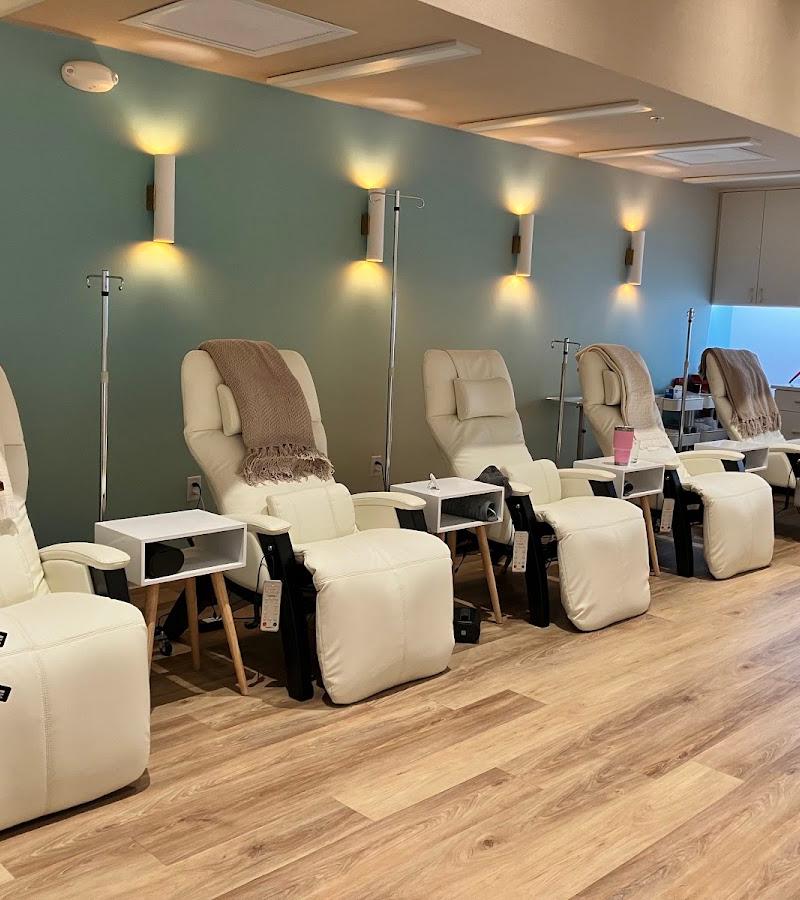
The Covery | Health - Sarasota
Sarasota, FL
5.0· 310 Google reviews
The Covery is your destination for immersive wellness and anti-aging optimization, offering advanced therapies including cryotherapy, hyperbaric oxygen, red light therapy, halotherapy, infrared sauna, PEMF, lymphatic drainage, and IV infusions to support longevity and optimal health.
Red light therapyHalotherapyCryotherapyInfrared sauna+5

Neuroathlete And Chiropractic Clinic
Monument, CO
5.0· 202 Google reviews
At NeuroAthlete & Chiropractic Clinic in Monument, CO, we provide the best care for pain management and sports injuries.
Compression therapyRed light therapyLymphatic compression
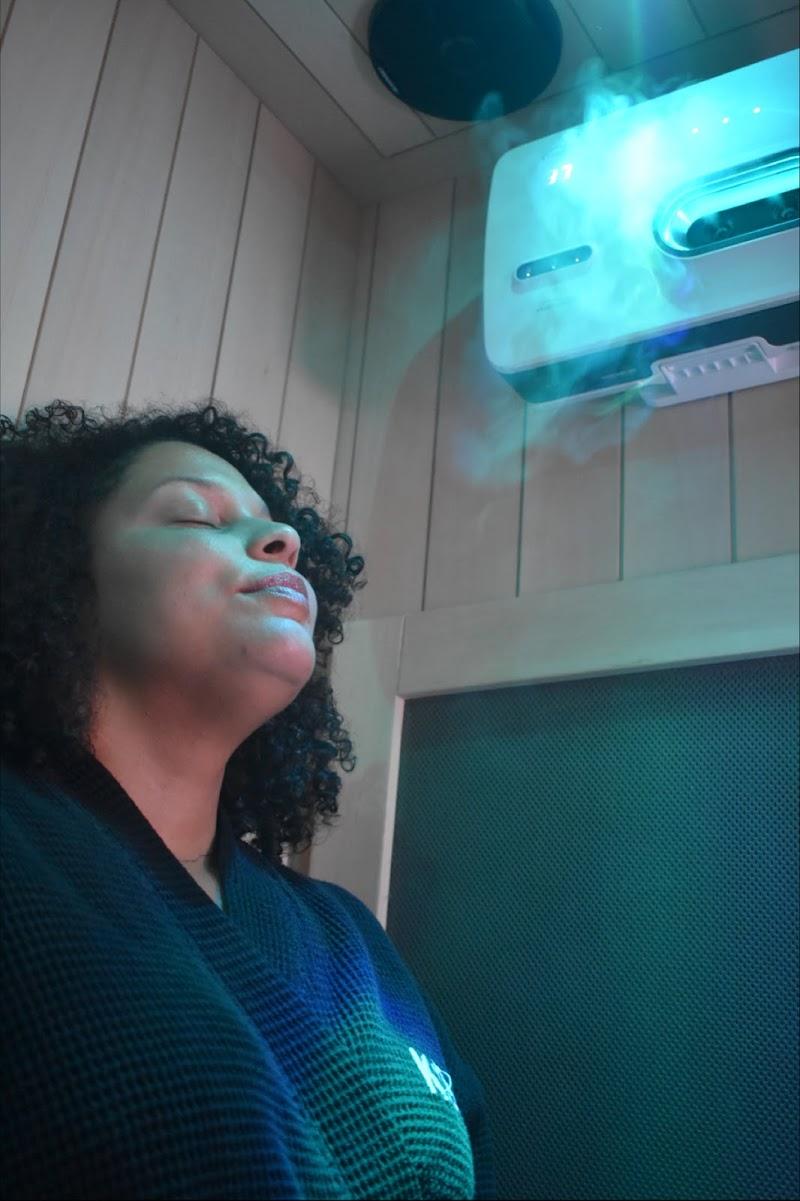
The KŌV Cryotherapy
Miami, FL
5.0· 193 Google reviews
The KŌV Cryotherapy is a wellness boutique located inside Upper Buenavista in Miami.
CryotherapyLocalized cryotherapyInfrared saunaCompression therapy+4
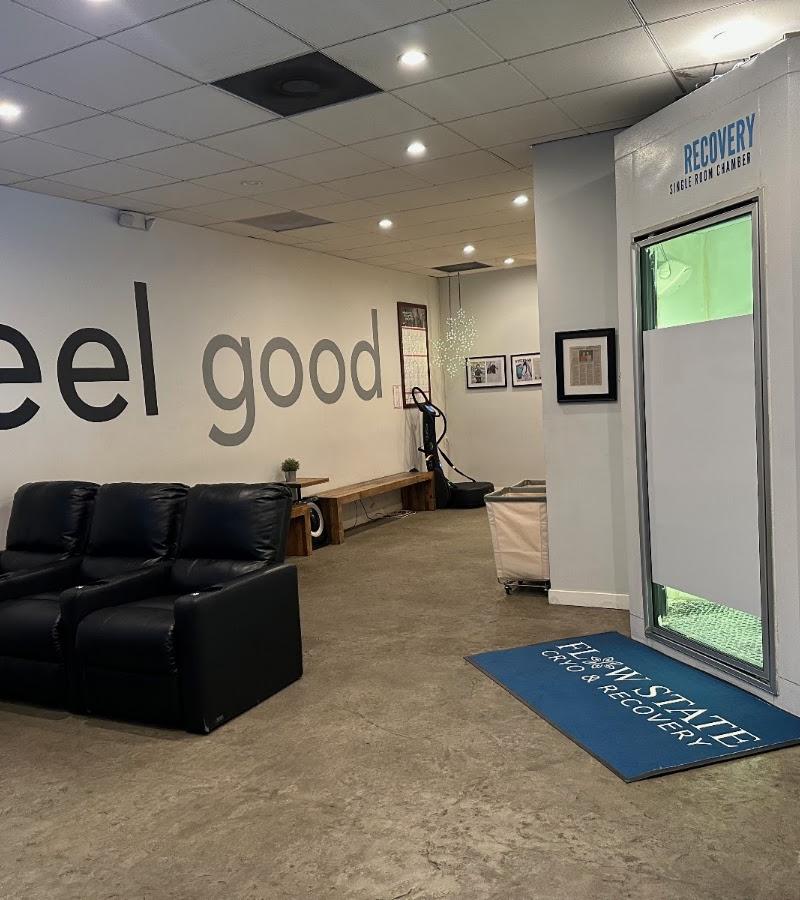
Flow State Cryo & Recovery
Studio City, CA
5.0· 191 Google reviews
Flow State Cryo & Recovery is a holistic wellness center in Studio City offering whole body cryotherapy, red light therapy, PEMF, infrared sauna, compression therapy, and advanced beauty modalities in a warm, welcoming environment.
CryotherapyRed light therapyPEMFInfrared sauna+2
Frequently asked questions
Does lymphatic drainage help with bloating?
It depends on the cause. Lymphatic compression may reduce fluid-retention bloating, the diffuse puffiness caused by accumulated interstitial fluid from salt, hormones, travel, or sluggish lymphatic flow. It is not useful for digestive gas bloating from IBS, food intolerances, or fermentation, because that type of bloating is a gut issue, not a fluid issue. The evidence for the fluid-comfort use is limited and largely self-reported.
How soon does lymphatic drainage help bloating?
For fluid-retention bloating, many people notice a reduction in puffiness within the same day or the day after a session. Once lymph is moving, fluid returns to the circulatory system where it is excreted, and that process is relatively fast.
How many sessions do I need for lymphatic drainage bloating?
For a specific event or a single episode of bloating, one session may be enough. For chronic fluid retention, 4–6 sessions over a month, combined with lifestyle factors (hydration, movement, reduced sodium), is a more sustainable approach. If bloating is frequent and severe, it's worth evaluating with a physician to rule out underlying causes.
Can you do lymphatic drainage for bloating yourself?
Gentle self-massage using light, skin-stretching strokes toward the lymph nodes (neck, armpits, groin) can help with mild fluid-retention puffiness, and many online guides demonstrate the technique. It's lower-intensity than professional work, but it's safe for everyday puffiness and can be done at home as often as you like.
Does lymphatic drainage cause weight loss?
Any drop on the scale after a session is fluid being moved and excreted, not fat loss, and it returns with normal hydration and eating. Lymphatic compression can reduce puffiness and help you feel less bloated, but it is not a weight-loss method, and detox or fat-loss marketing around lymphatic work is not supported by the evidence.
How often should you get lymphatic drainage for bloating?
For occasional bloating, a single session as needed is reasonable. For recurring fluid retention, a short series of weekly sessions alongside hydration, movement, and reduced sodium tends to be more sustainable than relying on frequent sessions alone.
Want lymphatic compression as part of a full plan?
Lymphatic compression for bloating is one input. The quiz asks how you train and how you sleep, then puts it in an order — which modality, on which day, and what it should sit next to.