Loading…
Lymphatic compression · for post-surgery
Lymphatic drainage after surgery: when to start, what to expect, and how many sessions
Post-surgical lymphatic drainage is one of the highest-commercial-intent searches in the wellness space, and for good reason. The difference between adequate and excellent lymphatic care after cosmetic or reconstructive surgery can meaningfully affect your outcome. Here's what you need to know before you book.
123
studios listed
98
cities
Surgery disrupts the lymphatic vessels in the treated area, which are responsible for draining fluid from tissue back into the circulatory system. When this drainage is impaired, as it inevitably is after procedures like liposuction, tummy tuck, Brazilian butt lift (BBL), breast augmentation, or any major reconstructive surgery, fluid accumulates in the tissue, creating swelling, firmness, and discomfort. Without intervention, this fluid can become organized into scar tissue (fibrosis), which hardens and distorts results.
Lymphatic drainage, whether manual (performed by a therapist) or mechanical (via compression devices that sequentially inflate around the limbs or torso), moves this accumulated fluid toward functioning lymph nodes where it can be processed and cleared. Done consistently in the post-operative period, it reduces swelling faster, minimizes fibrosis formation, and helps the treated tissue recover with better texture and contour.
Timing: when to start and how many sessions
Timing varies by procedure and surgeon guidance: always defer to your operating surgeon. That said, many plastic surgeons and post-surgical care specialists recommend beginning gentle lymphatic drainage as early as 48–72 hours post-procedure, once initial wound closure is stable and drainage is not a concern. Starting early, while tissue is still pliable, reduces the risk of fibrosis forming.
For liposuction and body contouring procedures, protocols of 6–12 sessions in the first 4–6 weeks post-op are common. More aggressive procedures may require 15–20 sessions over two to three months. After BBL specifically, sessions must be adapted to avoid direct pressure on the buttocks: studios experienced in post-surgical care will know this protocol.
Manual vs. machine lymphatic drainage after surgery
- Manual (MLD): performed by a certified therapist using specific light-pressure hand techniques; highly customizable to the surgical area; requires a skilled practitioner trained in post-surgical protocols.
- Machine compression (e.g., Ballancer Pro): uses garments with sequentially inflating chambers; can cover large areas uniformly; effective for general fluid reduction and comfortable for patients who prefer a consistent, predictable pressure.
- Many post-surgical specialists use both: manual for targeted areas and scar mobilization, machine for generalized fluid drainage.
- Not appropriate: any manual or machine pressure directly over open incisions, active infection, or areas where the surgeon has advised against compression.
- Always: confirm your surgeon's specific post-operative protocol before booking and share it with the studio.
Praxium organizes goal-based recovery sequencing — this is not medical advice. Check contraindications with a qualified professional before starting any modality.
Is lymphatic compression right for you?
Lymphatic compression is most commonly sought by people recovering from surgery, particularly cosmetic procedures that disrupt lymphatic drainage, as well as individuals with lymphedema or chronic lower-limb swelling.
Wellness guidance, not medical advice.
Often a great fit if…
Athletes, frequent travelers, and those managing persistent bloating or puffiness also use it for regular maintenance.
Worth a quick check first if…
Lymphatic compression should not be used by people with active deep vein thrombosis (DVT), acute infections, congestive heart failure, or cancers affecting the lymphatic system without medical supervision. Pregnant individuals should consult their healthcare provider. Post-surgical clients should have surgeon clearance specifying when lymphatic drainage can safely begin.
What a first session feels like
Sessions run 45–60 minutes inside a full-body compression suit that delivers gentle, sequential wave-like pressure from the extremities inward. The sensation is mild and relaxing, distinctly softer than standard compression boots. Many people fall asleep during sessions. You may notice increased urination or a lighter, less puffy feeling in the legs and abdomen following the session.
Where to try it
Try lymphatic compression near you
123 studios listed across 98 cities.
LIVE Hydration Spa Lenox
Lincoln, NE
5.0· 383 Google reviews
Lincoln IV hydration and wellness spa offering customized IV infusions, vitamin injections, and Normatec compression therapy for recovery and energy.
IV & hydrationLymphatic compressionCompression therapy

The Well VB
Virginia Beach, VA
5.0· 362 Google reviews
The Well VB is a Virginia Beach wellness spa with private contrast rooms (infrared sauna plus cold plunge), sensory-deprivation float pods, red light therapy, assisted stretch, and lymphatic drainage.
Contrast therapyInfrared saunaCold plungeFloat therapy+3
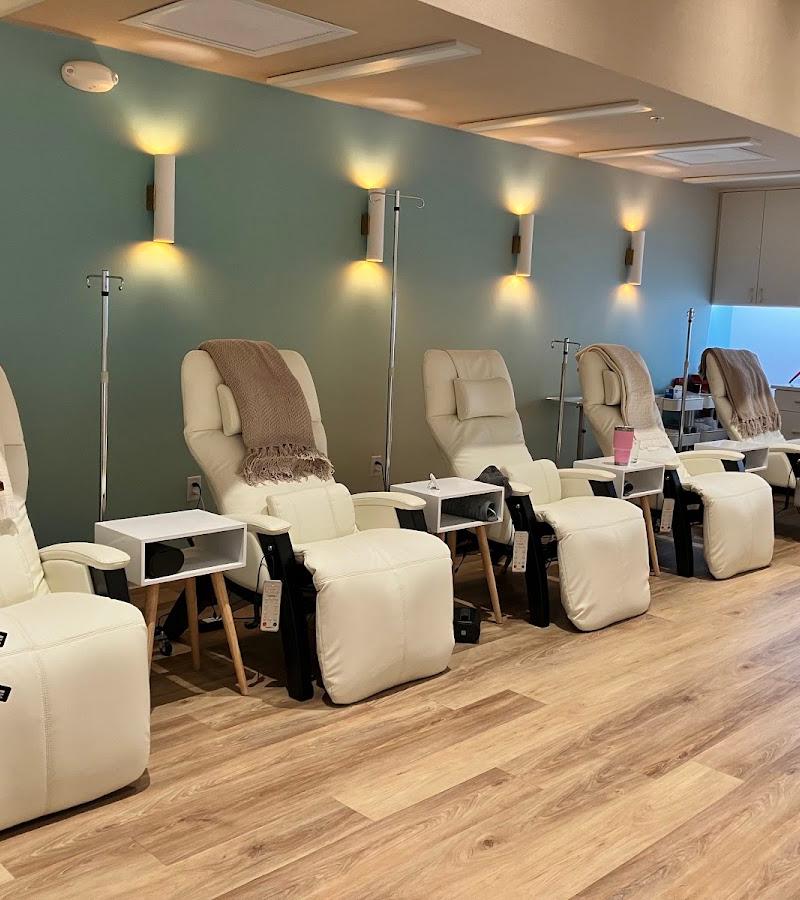
The Covery | Health - Sarasota
Sarasota, FL
5.0· 310 Google reviews
The Covery is your destination for immersive wellness and anti-aging optimization, offering advanced therapies including cryotherapy, hyperbaric oxygen, red light therapy, halotherapy, infrared sauna, PEMF, lymphatic drainage, and IV infusions to support longevity and optimal health.
Red light therapyHalotherapyCryotherapyInfrared sauna+5

Neuroathlete And Chiropractic Clinic
Monument, CO
5.0· 202 Google reviews
At NeuroAthlete & Chiropractic Clinic in Monument, CO, we provide the best care for pain management and sports injuries.
Compression therapyRed light therapyLymphatic compression
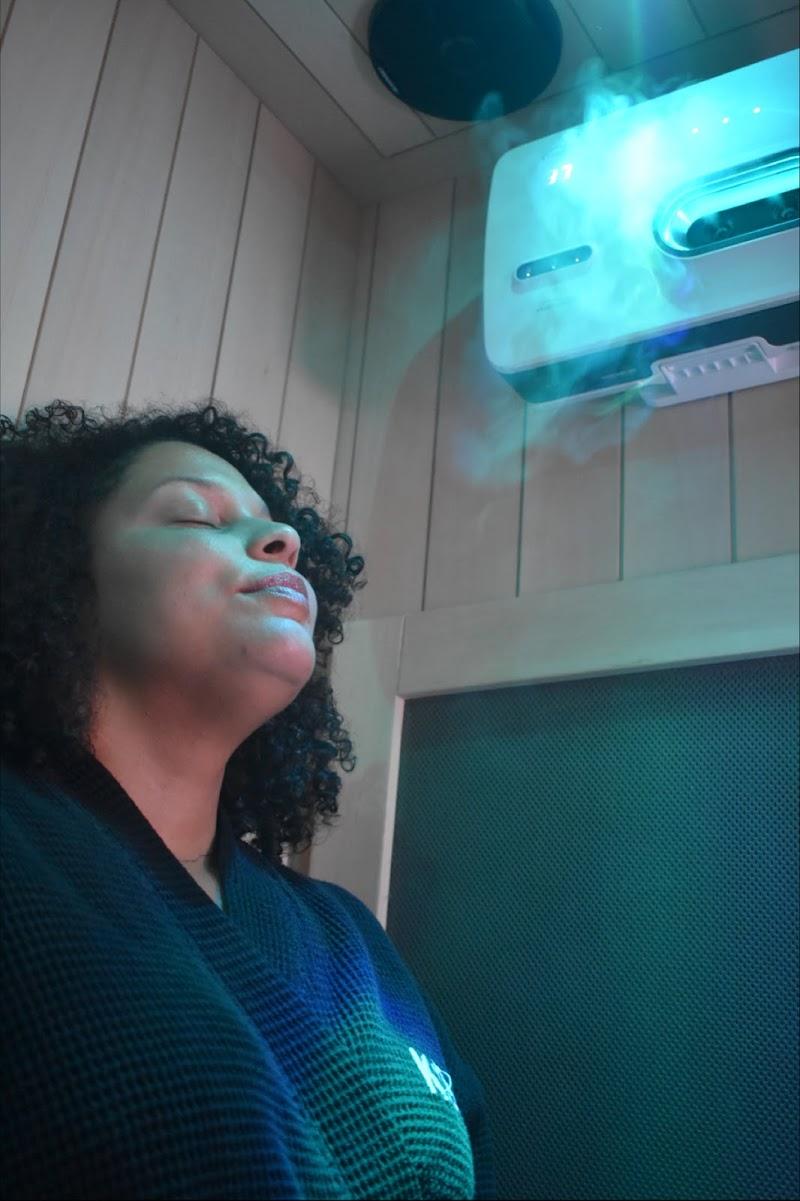
The KŌV Cryotherapy
Miami, FL
5.0· 193 Google reviews
The KŌV Cryotherapy is a wellness boutique located inside Upper Buenavista in Miami.
CryotherapyLocalized cryotherapyInfrared saunaCompression therapy+4
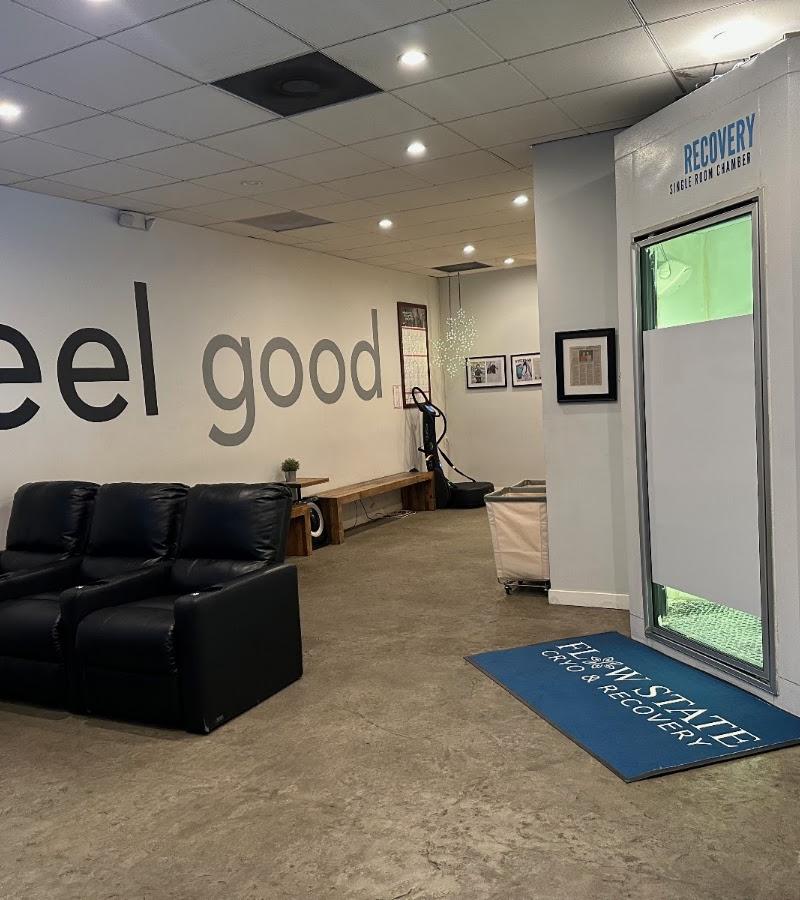
Flow State Cryo & Recovery
Studio City, CA
5.0· 191 Google reviews
Flow State Cryo & Recovery is a holistic wellness center in Studio City offering whole body cryotherapy, red light therapy, PEMF, infrared sauna, compression therapy, and advanced beauty modalities in a warm, welcoming environment.
CryotherapyRed light therapyPEMFInfrared sauna+2
Frequently asked questions
When can I get lymphatic drainage after surgery?
Most surgeons allow gentle lymphatic drainage starting 48–72 hours post-procedure, once incisions are stable. Some recommend waiting longer depending on the extent of the procedure. Always get explicit clearance from your operating surgeon before your first session, and share your surgical details with the lymphatic therapist.
How many sessions do I need after liposuction?
Typical protocols range from 6 to 12 sessions in the first four to six weeks post-liposuction, sometimes extending to 20 sessions over two to three months for larger procedures. The exact number depends on the extent of the treatment area, how much fluid is accumulating, and your body's individual healing rate.
Is machine or manual lymphatic drainage better after surgery?
Both are effective, and many post-surgical recovery specialists use both. Manual therapy is more adaptable to specific surgical areas and allows a therapist to feel tissue texture and adjust technique in real time. Machine compression (like Ballancer Pro) offers consistent, full-area drainage with less physical effort from the patient. For most cosmetic procedure recovery, starting with manual therapy from a post-surgical specialist is recommended, then supplementing with machine sessions.
Can I do lymphatic drainage on myself after surgery?
Light self-massage is sometimes recommended between professional sessions, but only with your surgeon's and therapist's guidance: incorrect technique or pressure near healing incisions can do harm. In the early post-operative period, professional manual lymphatic drainage from a specialist trained in your specific procedure is the safer choice.
What happens if you skip lymphatic drainage after liposuction?
Many people heal adequately without it, but skipping drainage raises the risk of prolonged swelling, fluid pockets (seromas), and fibrosis: hardened, organized scar tissue that can distort the final contour. Consistent drainage in the early weeks is intended to reduce these risks and support a smoother result.
How long after surgery is lymphatic drainage still beneficial?
The greatest benefit is in the first several weeks while tissue is pliable and fibrosis can still be prevented. Drainage can remain useful for months if swelling or firmness persists, and it's also used to help soften early fibrosis. Your surgeon's guidance on your specific timeline should take precedence.
Want lymphatic compression as part of a full plan?
Lymphatic compression for post-surgery is one input. The quiz asks how you train and how you sleep, then puts it in an order — which modality, on which day, and what it should sit next to.