Loading…
Red light therapy · for muscle recovery
Red light therapy for muscle recovery: why timing it before training may matter more
Most people assume recovery tools are used after training. For red light therapy, the evidence suggests pre-workout application may actually be more effective for both performance and recovery. Here's why, and how to think about using RLT in your training schedule.
1338
studios listed
676
cities
When red or near-infrared light is applied to muscle tissue before exercise, it appears to prime cellular energy systems: increasing mitochondrial ATP production, reducing pre-exercise oxidative stress, and improving the tissue's capacity to handle the metabolic demands of training. The result in several trials has been measurably reduced fatigue, better peak force output, and lower markers of muscle damage (creatine kinase, lactate) during and immediately after training.
This pre-treatment effect is distinct from what most recovery modalities do. Cold, compression, and massage all primarily intervene after damage has occurred. RLT before training appears to reduce the extent of damage in the first place: a fundamentally different mechanism.
Post-workout RLT: still useful, different mechanism
Applied after training, red light therapy reduces inflammatory markers and DOMS in a manner similar to other anti-inflammatory interventions, but without the potential downside of blunting the anabolic adaptive signal (a concern with immediate post-workout cold immersion). If you're training for hypertrophy and want a recovery tool that doesn't interfere with the adaptive stimulus, RLT is a reasonable choice over cold plunge in the immediate post-workout window.
The effect on delayed-onset muscle soreness is well-documented across multiple trials. Subjects receiving RLT after eccentric exercise (the type that causes the most soreness) consistently report lower DOMS scores and show better functional recovery in the 24–72 hour window.
Practical protocol for muscle recovery
- Pre-workout: 10–15 minutes of near-infrared (810–850nm) applied to the muscles you'll train, 15–30 minutes before your session.
- Post-workout: 10–20 minutes immediately after training for anti-inflammatory and soreness-reduction effects.
- Full-body beds: most studios offer full-body exposure, no need to target specific muscles.
- Frequency: match to your training frequency; 4–5 sessions per week for high-volume athletes is reasonable.
- Stack with contrast therapy: some athletes use RLT pre-workout, then contrast therapy (sauna/cold) post-workout for additive recovery effects.
Praxium organizes goal-based recovery sequencing — this is not medical advice. Check contraindications with a qualified professional before starting any modality.
Is red light therapy right for you?
Red light therapy is popular with people seeking skin improvements (anti-aging, acne, collagen support), athletes managing muscle soreness or joint pain, and individuals exploring recovery and wellness optimization.
Wellness guidance, not medical advice.
Often a great fit if…
Those experiencing hair thinning also frequently seek scalp-targeted RLT, which has meaningful supportive evidence.
Worth a quick check first if…
People with photosensitivity disorders or taking photosensitizing medications should consult a clinician before starting red light therapy. RLT should not be applied directly to the eyes, studios provide protective eyewear. Pregnant individuals should discuss use with a healthcare provider, as specific applications have not been well studied in pregnancy.
What a first session feels like
Studio sessions typically last 10–20 minutes with a full-body panel. The experience is painless, you may notice mild warmth but no discomfort. Most people integrate RLT with other modalities in the same visit. Consistent use over weeks is generally needed before visible skin or recovery improvements are noticeable.
Where to try it
Try red light therapy near you
1338 studios listed across 676 cities.
DOC's
Wall, NJ
5.0· 1 Google review
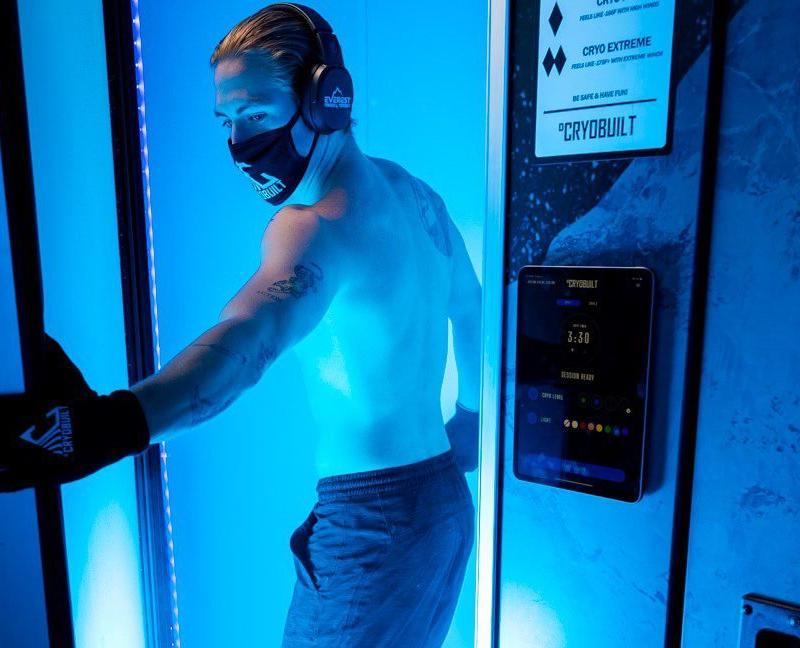
DOC's is a Wall, NJ recovery facility offering innovative holistic therapies for athletic performance and life extension — whole-body cryotherapy, hyperbaric oxygen, Normatec compression, Sunlighten infrared sauna, and Theralight red light.
CryotherapyHyperbaric oxygenCompression therapyInfrared sauna+1
Next Health West Hollywood
Sunset Strip · West Hollywood, CA
5.0· 2250 Google reviews
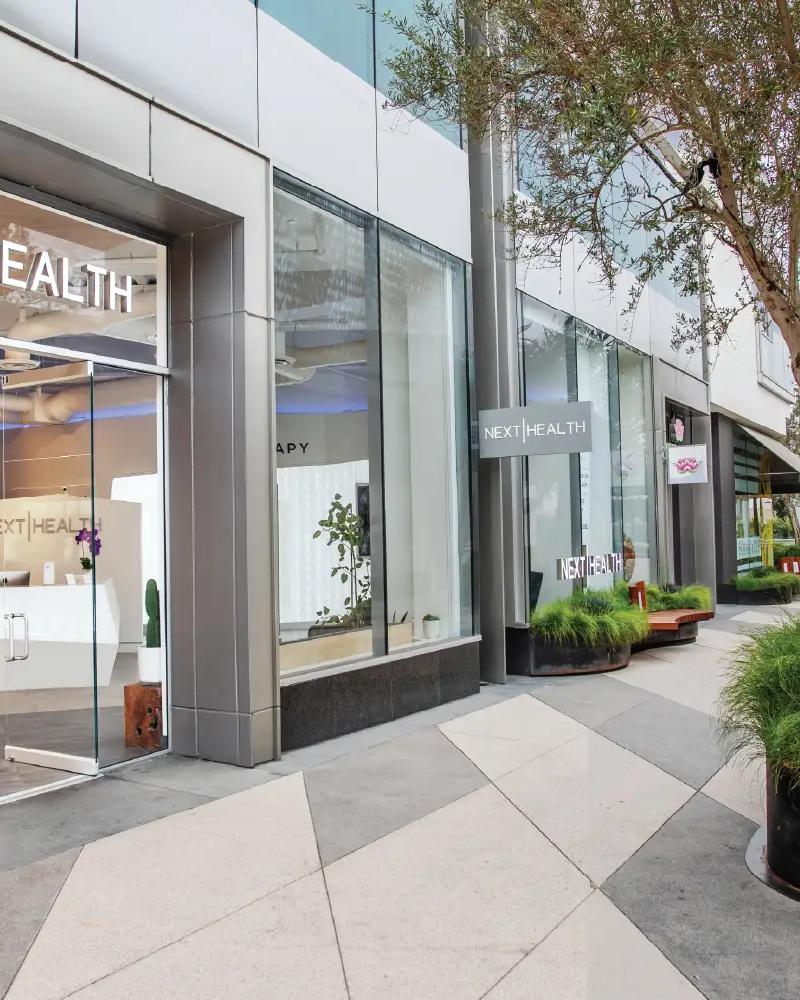
West Hollywood wellness center for NAD+, IV drips, hormone therapy, infrared therapy, hyperbaric oxygen, EBOO ozone & plasma exchange on the Sunset Strip.
CryotherapyHyperbaric oxygenInfrared saunaRed light therapy+1

Next Health
Century City · Los Angeles, CA
5.0· 1493 Google reviews
Wellness center in Century City with IV drips, NAD+ infusions, hormone optimization, hyperbaric oxygen, infrared therapy, EBOO ozone & plasma exchange.
CryotherapyIV & hydrationHyperbaric oxygenRed light therapy
Next Health Studio City
Studio City Los Angeles, CA
5.0· 1432 Google reviews
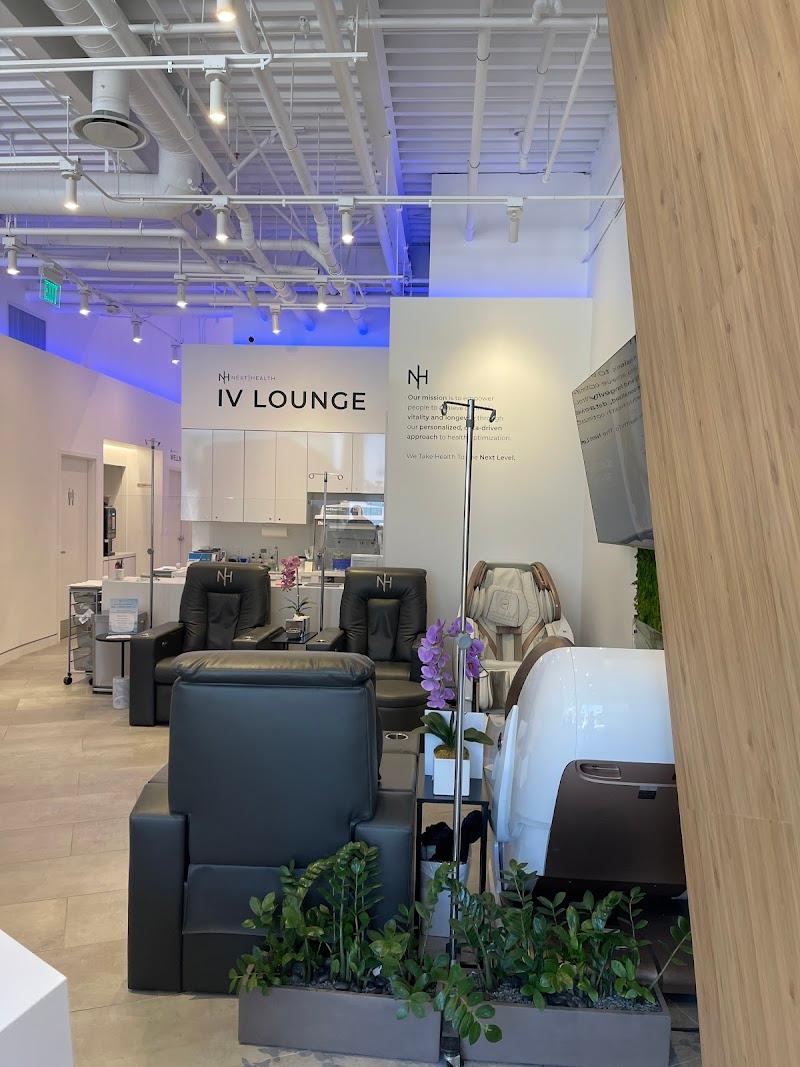
Next Health identifies its Studio City location as a health and wellness center at The Shops at Sportsmen's Lodge.
CryotherapyHyperbaric oxygenIV & hydrationNAD+ IV Infusion+2
Next Health
New York, NY
5.0· 1217 Google reviews
Next Health offers IV therapy, cryotherapy, and hyperbaric oxygen treatments at their wellness center on Madison Avenue, specializing in advanced regenerative medicine and longevity optimization.
CryotherapyIV & hydrationHyperbaric oxygenInfrared sauna+1
Restore Hyper Wellness
Houston, TX
5.0· 1168 Google reviews
Restore Hyper Wellness is a wellness studio in West University, Houston, at 2715 Bissonnet St., Suite 140.
CryotherapyRed light therapyInfrared saunaCompression therapy+4
Frequently asked questions
Should I do red light therapy before or after a workout?
Both have evidence, but the pre-workout timing has a compelling case for performance and damage prevention, not just recovery. If your primary goal is reducing soreness and inflammation after training, post-workout application also works. Many athletes use both: RLT pre-workout and then a different modality (sauna or cold) post-workout.
How long does red light therapy take to help with muscle recovery?
Acute effects on soreness and inflammation markers appear within 24–48 hours of a post-workout session. For the performance and damage-prevention effects of pre-workout application, you may notice reduced fatigue within the same session. Sustained benefits accumulate over weeks of consistent use.
Does red light therapy help DOMS?
Yes. Multiple trials show reduced delayed-onset muscle soreness scores and better functional recovery in the 24–72 hour window post-exercise when RLT is applied after training. The effect is consistent enough that some physiotherapy and sports medicine settings now incorporate it routinely.
How often should I use red light therapy for muscle recovery?
Matching your training frequency works well: roughly 4–5 sessions per week for high-volume athletes, fewer if you train less. Sessions of 10–20 minutes on the targeted muscles, or full-body exposure in a studio bed, are typical. Daily use is generally safe within sensible dose limits.
Is red light therapy or cold plunge better after a workout?
It depends on your goal. Cold plunge reduces acute inflammation quickly but may blunt muscle-building adaptation if used immediately after lifting. Red light therapy reduces soreness without dampening that anabolic signal, making it a better immediate-post-workout choice when hypertrophy matters. Many athletes use red light pre-workout and cold or sauna afterward.
Does red light therapy actually work for recovery?
The evidence for reduced DOMS and improved functional recovery is reasonably strong and consistent across multiple trials, especially after the type of eccentric exercise that causes the most soreness. Results depend heavily on device quality, wavelength, and adequate dose: an underpowered panel for a few minutes won't deliver the same effect as a clinical-grade setup.
Want red light therapy as part of a full plan?
Red light therapy for muscle recovery is one input. The quiz asks how you train and how you sleep, then puts it in an order — which modality, on which day, and what it should sit next to.