Loading…
Red light therapy · for inflammation
Red light therapy for inflammation: how light modulates the inflammatory cascade
Of all red light therapy's proposed benefits, its anti-inflammatory effects have some of the most mechanistically coherent science behind them. Here's how photobiomodulation interacts with inflammation pathways, and what this means practically.
1338
studios listed
676
cities
Inflammation is a cascade: injury or stress triggers cells to release pro-inflammatory signaling molecules (cytokines like IL-1β, IL-6, and TNF-α), which recruit immune cells, increase vascular permeability, and create the classic signs of inflammation: swelling, redness, heat, pain. This process is necessary for healing but becomes counterproductive when excessive or chronic.
Red and near-infrared light at the right wavelengths appear to modulate this cascade at multiple points. The primary mechanism starts in the mitochondria: photobiomodulation reduces mitochondrial oxidative stress, which is one of the upstream triggers for NF-κB, the master regulator of inflammatory gene expression. When mitochondrial reactive oxygen species are lowered, the inflammatory signaling they drive is also dampened.
Near-infrared vs red for deeper inflammation
For surface-level inflammatory conditions (skin redness, rosacea, wound inflammation), 630–660nm red light is appropriate because it penetrates the epidermis and upper dermis. For deeper inflammation in muscles, tendons, joints, or subdermal tissue, 810–850nm near-infrared is necessary because these wavelengths penetrate further into tissue without being absorbed at the surface.
Many clinical-grade full-body beds offer both wavelengths simultaneously. For joint pain, muscle inflammation, or inflammatory conditions that are clearly below the skin's surface, near-infrared alone or in combination is likely more effective.
Where evidence is strongest
- Musculoskeletal inflammation: joints, tendons, and muscles: the evidence base here is substantial, and RLT is used therapeutically in physical therapy and sports medicine settings.
- Post-exercise inflammation: similar mechanisms to muscle recovery, with reduced inflammatory markers after RLT application.
- Arthritis: several trials show reduced pain and inflammatory markers in both osteoarthritis and rheumatoid arthritis, though it's a complement, not a replacement, for disease management.
- Neuropathic inflammation: emerging evidence in nerve tissue inflammation; less established than musculoskeletal.
- Outside red light's physical reach: inflammatory bowel disease and systemic autoimmune conditions involve depths light doesn't penetrate, so these aren't candidates for this mechanism.
Praxium organizes goal-based recovery sequencing — this is not medical advice. Check contraindications with a qualified professional before starting any modality.
Is red light therapy right for you?
Red light therapy is popular with people seeking skin improvements (anti-aging, acne, collagen support), athletes managing muscle soreness or joint pain, and individuals exploring recovery and wellness optimization.
Wellness guidance, not medical advice.
Often a great fit if…
Those experiencing hair thinning also frequently seek scalp-targeted RLT, which has meaningful supportive evidence.
Worth a quick check first if…
People with photosensitivity disorders or taking photosensitizing medications should consult a clinician before starting red light therapy. RLT should not be applied directly to the eyes, studios provide protective eyewear. Pregnant individuals should discuss use with a healthcare provider, as specific applications have not been well studied in pregnancy.
What a first session feels like
Studio sessions typically last 10–20 minutes with a full-body panel. The experience is painless, you may notice mild warmth but no discomfort. Most people integrate RLT with other modalities in the same visit. Consistent use over weeks is generally needed before visible skin or recovery improvements are noticeable.
Where to try it
Try red light therapy near you
1338 studios listed across 676 cities.
DOC's
Wall, NJ
5.0· 1 Google review
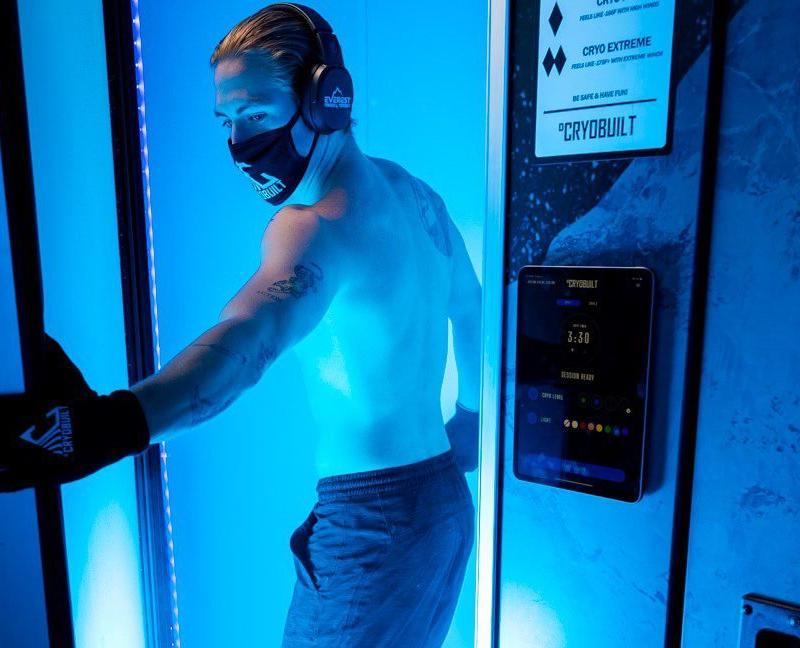
DOC's is a Wall, NJ recovery facility offering innovative holistic therapies for athletic performance and life extension — whole-body cryotherapy, hyperbaric oxygen, Normatec compression, Sunlighten infrared sauna, and Theralight red light.
CryotherapyHyperbaric oxygenCompression therapyInfrared sauna+1
Next Health West Hollywood
Sunset Strip · West Hollywood, CA
5.0· 2250 Google reviews
West Hollywood wellness center for NAD+, IV drips, hormone therapy, infrared therapy, hyperbaric oxygen, EBOO ozone & plasma exchange on the Sunset Strip.
CryotherapyHyperbaric oxygenInfrared saunaRed light therapy+1

Next Health
Century City · Los Angeles, CA
5.0· 1493 Google reviews
Wellness center in Century City with IV drips, NAD+ infusions, hormone optimization, hyperbaric oxygen, infrared therapy, EBOO ozone & plasma exchange.
CryotherapyIV & hydrationHyperbaric oxygenRed light therapy
Next Health Studio City
Studio City Los Angeles, CA
5.0· 1432 Google reviews
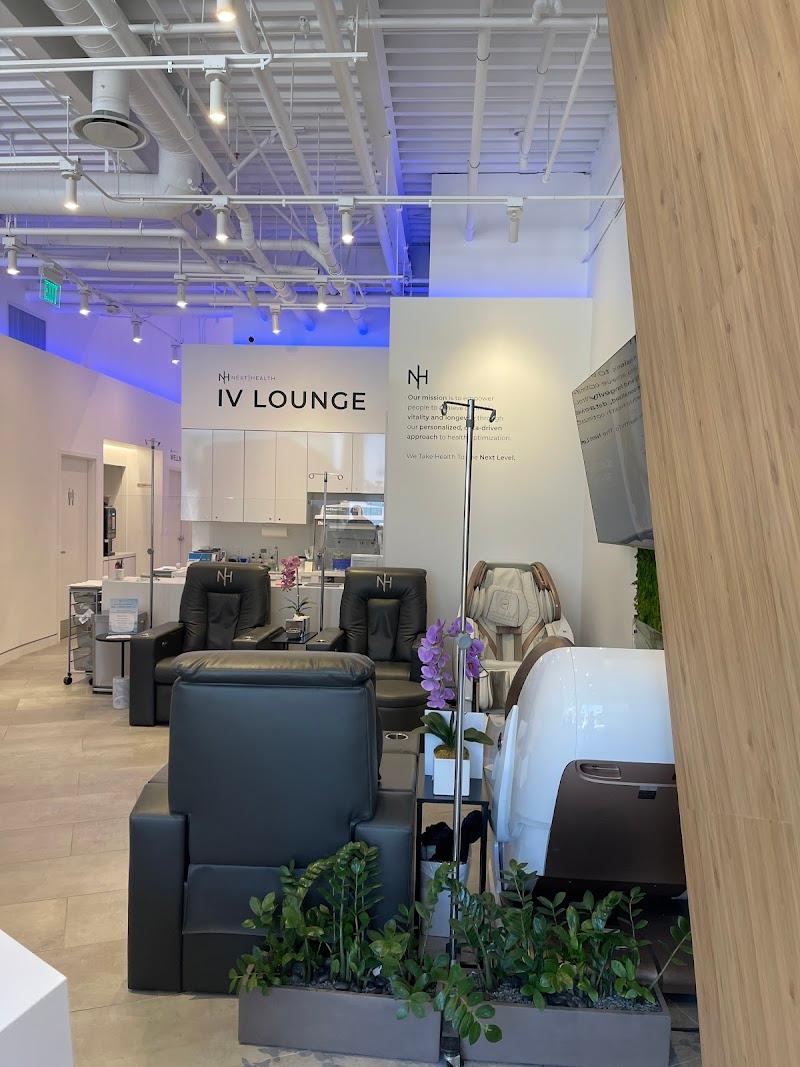
Next Health identifies its Studio City location as a health and wellness center at The Shops at Sportsmen's Lodge.
CryotherapyHyperbaric oxygenIV & hydrationNAD+ IV Infusion+2
Next Health
New York, NY
5.0· 1217 Google reviews
Next Health offers IV therapy, cryotherapy, and hyperbaric oxygen treatments at their wellness center on Madison Avenue, specializing in advanced regenerative medicine and longevity optimization.
CryotherapyIV & hydrationHyperbaric oxygenInfrared sauna+1
Restore Hyper Wellness
Houston, TX
5.0· 1168 Google reviews
Restore Hyper Wellness is a wellness studio in West University, Houston, at 2715 Bissonnet St., Suite 140.
CryotherapyRed light therapyInfrared saunaCompression therapy+4
Frequently asked questions
Does red light therapy reduce inflammation?
Yes, through well-characterized mechanisms: reduction of mitochondrial oxidative stress, downregulation of NF-κB inflammatory signaling, and decreased pro-inflammatory cytokine production. The effect is best established for musculoskeletal and localized inflammation; evidence for systemic inflammatory conditions is more limited.
What wavelength of red light is best for inflammation?
For surface inflammation (skin, superficial tissue): 630–660nm. For deeper structures (muscles, tendons, joints): 810–850nm near-infrared. For comprehensive use across depths, full-spectrum devices combining both are most versatile. The key variable is whether the light can actually reach the inflamed tissue.
Can red light therapy help with arthritis?
There is meaningful clinical evidence supporting RLT for both osteoarthritis and rheumatoid arthritis: specifically for pain reduction and improved function. It's not a disease-modifying treatment for RA and should be used alongside, not instead of, appropriate medical management. For osteoarthritis, particularly in accessible joints like the knee, the evidence is quite reasonable.
Can red light therapy help with joint pain?
Yes: joint pain is one of the better-supported uses, particularly for accessible joints like knees, elbows, and hands. Near-infrared wavelengths (810–850nm) penetrate deeply enough to reach joint tissue, where they reduce inflammatory signaling and pain. It works best as a complement to, not a replacement for, appropriate medical care.
How often should I use red light therapy for inflammation?
Three to five sessions per week is a common cadence, with each session lasting about 10–20 minutes on the affected area. For acute flare-ups some protocols use it daily for a short period; consistency over several weeks is what tends to produce noticeable change.
Is red light therapy or PEMF better for inflammation?
Both target inflammation through different mechanisms: red light works at the mitochondrial level, while PEMF uses electromagnetic fields to influence cellular signaling and circulation. Neither is universally 'better,' and some people use them together. Red light has more direct evidence for surface and musculoskeletal inflammation specifically.
Want red light therapy as part of a full plan?
Red light therapy for inflammation is one input. The quiz asks how you train and how you sleep, then puts it in an order — which modality, on which day, and what it should sit next to.