Loading…
Red light therapy · for skin
Red light therapy for skin: the science behind the collagen and anti-aging claims
Skin is one of the best-studied applications for red light therapy, and the evidence is stronger than for most wellness technologies. Here's what wavelengths do what, what realistic timelines look like, and what to look for in a studio session.
1338
studios listed
676
cities
Red light therapy (also called photobiomodulation, or PBM) uses specific wavelengths of red and near-infrared light to stimulate cellular processes in skin tissue. At 630–660 nanometers, red light penetrates the epidermis and upper dermis, where it's absorbed by cytochrome c oxidase, a key enzyme in the mitochondrial energy chain. This absorption increases ATP (cellular energy) production, which gives skin cells more resources to carry out their natural repair and regeneration functions.
The most documented skin effect is collagen synthesis. Fibroblasts (the cells that produce collagen and elastin) are particularly responsive to red light. Multiple controlled trials have shown increased collagen density, reduced wrinkle depth, and improved skin elasticity with consistent red light exposure at the right wavelengths and doses. This isn't the collagen production from heat (as with sauna); it's direct photochemical stimulation of the cells themselves.
Wavelength matters more than most people realize
Not all 'red light' is equivalent. The 630–660nm range is optimal for surface skin: wrinkles, texture, tone, and surface inflammation like redness from rosacea. Wavelengths in the 810–850nm near-infrared range penetrate deeper (into the dermis and subcutaneous tissue) where they're more effective for inflammation and wound healing but contribute less to the collagen-production effect at the skin surface.
Studio devices run the spectrum from consumer-grade panels to clinical-grade full-body beds with multiple wavelength settings. For skin-specific goals, prioritize studios using 630–660nm red light at appropriate energy densities (irradiance). A ten-minute session at an underpowered device won't deliver the same dose as a clinical setup.
What to expect and when
- Timeline: most people notice skin texture improvements in 4–6 weeks of consistent use; deeper collagen changes take 8–12+ weeks.
- Frequency: 3–5 sessions per week is common for skin goals; daily use is generally safe.
- Session length: 10–20 minutes per area at a proper clinical-grade device.
- Don't overdo it: very high doses or extremely long sessions can produce a paradoxical inhibitory effect: more is not always better.
- Who benefits most: people in their 30s–50s noticing early collagen decline typically see the most meaningful visible results.
Praxium organizes goal-based recovery sequencing — this is not medical advice. Check contraindications with a qualified professional before starting any modality.
Is red light therapy right for you?
Red light therapy is popular with people seeking skin improvements (anti-aging, acne, collagen support), athletes managing muscle soreness or joint pain, and individuals exploring recovery and wellness optimization.
Wellness guidance, not medical advice.
Often a great fit if…
Those experiencing hair thinning also frequently seek scalp-targeted RLT, which has meaningful supportive evidence.
Worth a quick check first if…
People with photosensitivity disorders or taking photosensitizing medications should consult a clinician before starting red light therapy. RLT should not be applied directly to the eyes, studios provide protective eyewear. Pregnant individuals should discuss use with a healthcare provider, as specific applications have not been well studied in pregnancy.
What a first session feels like
Studio sessions typically last 10–20 minutes with a full-body panel. The experience is painless, you may notice mild warmth but no discomfort. Most people integrate RLT with other modalities in the same visit. Consistent use over weeks is generally needed before visible skin or recovery improvements are noticeable.
Where to try it
Try red light therapy near you
1338 studios listed across 676 cities.
DOC's
Wall, NJ
5.0· 1 Google review
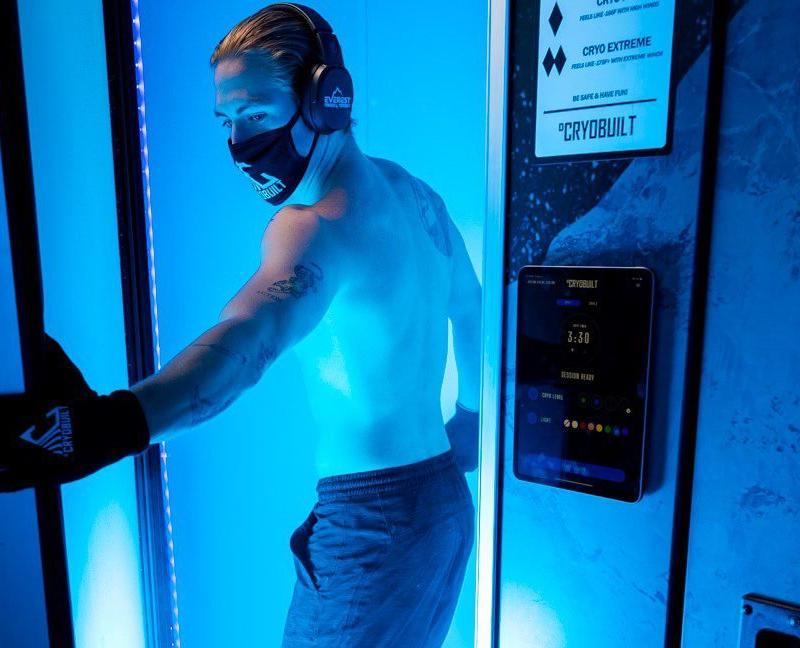
DOC's is a Wall, NJ recovery facility offering innovative holistic therapies for athletic performance and life extension — whole-body cryotherapy, hyperbaric oxygen, Normatec compression, Sunlighten infrared sauna, and Theralight red light.
CryotherapyHyperbaric oxygenCompression therapyInfrared sauna+1
Next Health West Hollywood
Sunset Strip · West Hollywood, CA
5.0· 2250 Google reviews
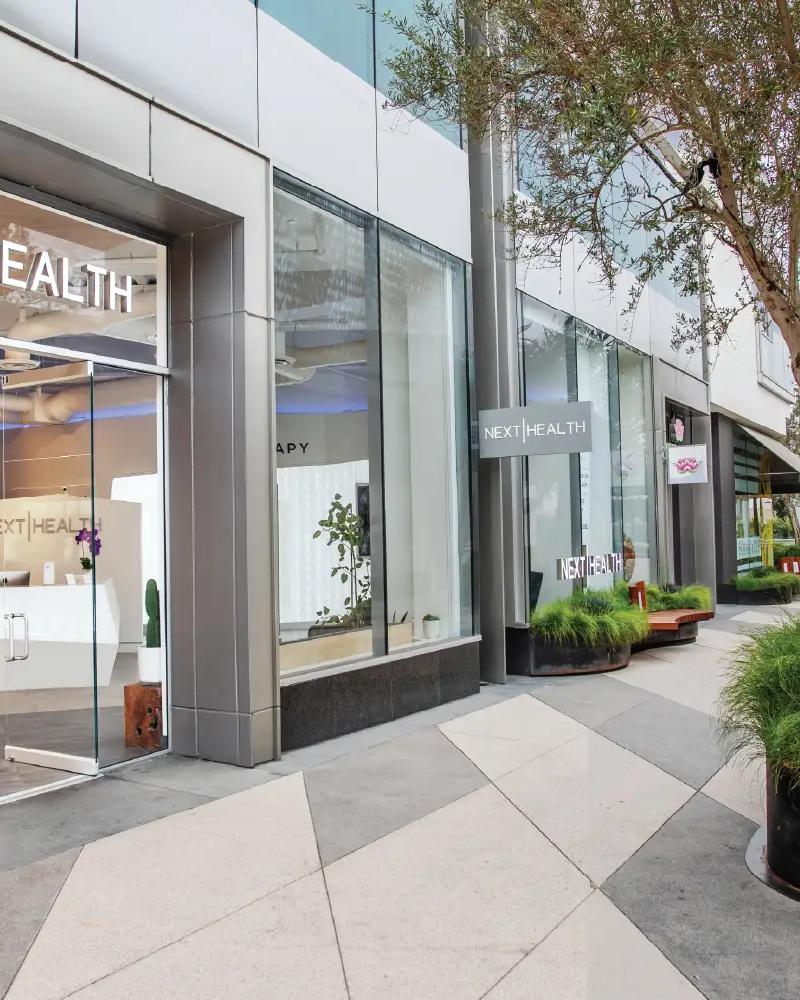
West Hollywood wellness center for NAD+, IV drips, hormone therapy, infrared therapy, hyperbaric oxygen, EBOO ozone & plasma exchange on the Sunset Strip.
CryotherapyHyperbaric oxygenInfrared saunaRed light therapy+1

Next Health
Century City · Los Angeles, CA
5.0· 1493 Google reviews
Wellness center in Century City with IV drips, NAD+ infusions, hormone optimization, hyperbaric oxygen, infrared therapy, EBOO ozone & plasma exchange.
CryotherapyIV & hydrationHyperbaric oxygenRed light therapy
Next Health Studio City
Studio City Los Angeles, CA
5.0· 1432 Google reviews
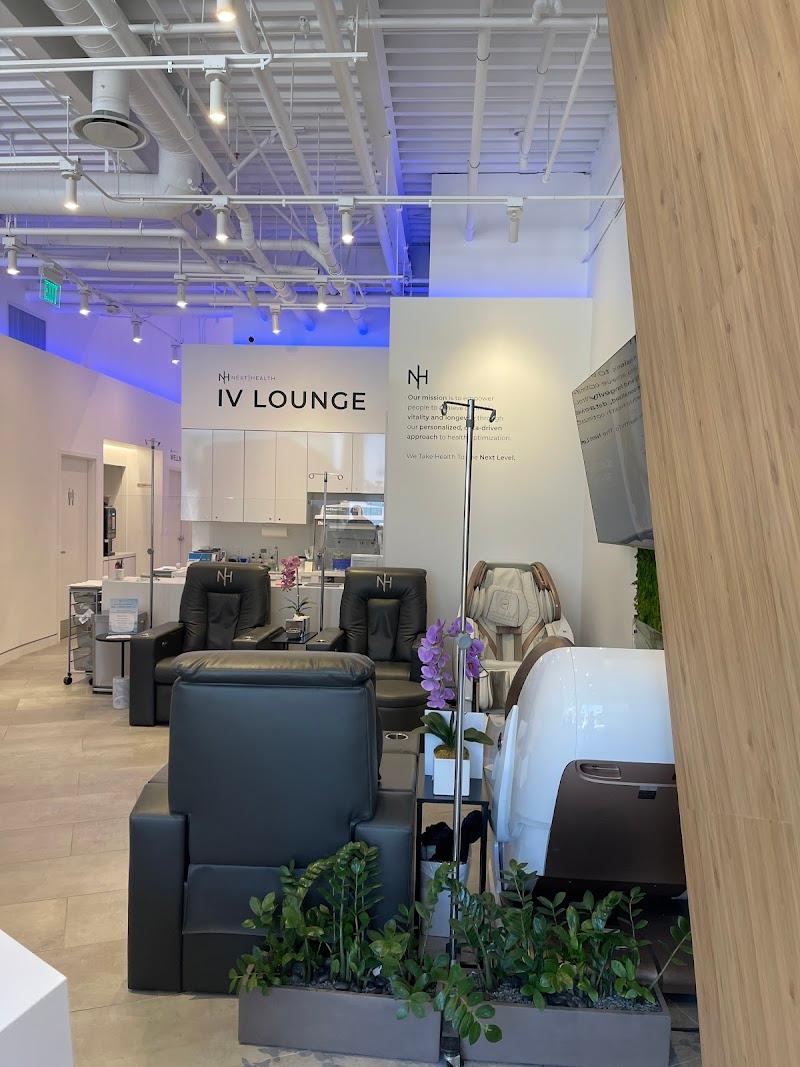
Next Health identifies its Studio City location as a health and wellness center at The Shops at Sportsmen's Lodge.
CryotherapyHyperbaric oxygenIV & hydrationNAD+ IV Infusion+2
Next Health
New York, NY
5.0· 1217 Google reviews
Next Health offers IV therapy, cryotherapy, and hyperbaric oxygen treatments at their wellness center on Madison Avenue, specializing in advanced regenerative medicine and longevity optimization.
CryotherapyIV & hydrationHyperbaric oxygenInfrared sauna+1
Restore Hyper Wellness
Houston, TX
5.0· 1168 Google reviews
Restore Hyper Wellness is a wellness studio in West University, Houston, at 2715 Bissonnet St., Suite 140.
CryotherapyRed light therapyInfrared saunaCompression therapy+4
Frequently asked questions
How long does red light therapy take to work for skin?
Most people notice improvements in tone and texture within 4–6 weeks of regular sessions (3–5 per week). Meaningful wrinkle reduction and collagen density changes typically require 8–12 weeks of consistent sessions. Results depend heavily on device quality and wavelength accuracy.
Does red light therapy tighten skin?
It can improve skin firmness by stimulating collagen and elastin production. This is different from the mechanical tightening of procedures like radiofrequency or ultrasound: red light works by giving skin cells the energy to produce more structural proteins. The effect is real but gradual.
Can you overdo red light therapy for skin?
Yes. There's an optimal dose window, and very high energy densities or very long sessions can trigger a biphasic (inhibitory) response where cellular stimulation plateaus or reverses. Most studio devices are calibrated to avoid this, but daily sessions beyond 20 minutes per area are generally unnecessary and could be counterproductive.
What wavelength of red light is best for skin?
The 630–660nm range is optimal for surface skin concerns (wrinkles, texture, tone, and surface redness) because it's absorbed in the epidermis and upper dermis where fibroblasts produce collagen. Some devices add 810–850nm near-infrared for deeper effects, but for skin-specific goals the red range is the priority.
Is red light therapy safe to use on your face?
Yes, the face is one of the most common areas treated, and red light is non-ionizing and doesn't damage skin the way UV does. Keep your eyes closed or use the goggles a studio provides, since the bright light can be uncomfortable, and follow the device's recommended distance and session length.
Are there side effects of red light therapy for skin?
Side effects are uncommon and usually minor: temporary redness, warmth, or mild eye strain from the brightness. The main rule is not to overdo dose or duration, since excessive exposure can be counterproductive rather than harmful. People taking photosensitizing medications should check with a doctor first.
Want red light therapy as part of a full plan?
Red light therapy for skin is one input. The quiz asks how you train and how you sleep, then puts it in an order — which modality, on which day, and what it should sit next to.