Loading…
Recovery directory · Doylestown
Red light therapy in Doylestown
Light panels and LED beds in Doylestown: the shortlisted studios and first-visit offers below come from the operators' own listings.
3
listed studios
5.0
median Google rating · 3 rated
Figures on this page are observations from the 3 studios listed below, as of 2 Sept 2026.
Red light therapy in Doylestown, measured
All observations here come from the 3 light-therapy studios below, never from an industry average.
Median Google rating
5.0
highest Recover Cold Plunge Contrast Therapy Float Spa & Infrared Sauna at 5.0
from 3 listed studios
Companion services
Also listed: Cold plunge and Infrared sauna
Every contributing studio here also lists Cold plunge; the services below each appear on at least two listings. Operator-listed, not a recommendation.
from 3 listed studios
Cold plunge
3 studios
Recover Cold Plunge Contrast Therapy Float Spa & Infrared Sauna, Degree Wellness, relax: Float Spa
Infrared sauna
3 studios
Recover Cold Plunge Contrast Therapy Float Spa & Infrared Sauna, Degree Wellness, relax: Float Spa
Operator-listed hours
Hours at Recover Cold Plunge Contrast Therapy Float Spa & Infrared Sauna and Degree Wellness
Degree Wellness opens earliest at 7am; Recover Cold Plunge Contrast Therapy Float Spa & Infrared Sauna runs latest, to 3pm. Every schedule below posts weekend hours. Confirm current hours directly with the studio before you go.
from 3 listed studios
- Recover Cold Plunge Contrast Therapy Float Spa & Infrared Sauna
- Mon-Wed 10am-7pm; Thu by appointment only; Fri-Sat 10am-5pm; Sun 10pm-3pm
- Degree Wellness
- Mon-Fri 7am-7pm; Sat-Sun 10am-5pm
- relax: Float Spa
- Tue-Fri 12-7pm; Sat 9am-7pm; Sun-Mon by appointment
Operator-listed intro offers
Intro offers at Degree Wellness and relax: Float Spa
Both offers are shown in each operator's own words. Confirm terms and eligibility with the studio before you book.
from 2 listed studios
- Degree Wellness
- First Session $20
- relax: Float Spa
- Summer special: massage bookings (60-90 min) include one complimentary wellness upgrade—free red light therapy, 30% off float therapy & infrared sauna, or 50% off contrast therapy.
Doylestown’s red light therapy shortlist
Recover Cold Plunge Contrast Therapy Float Spa & Infrared Sauna leads on Google rating, ahead of Degree Wellness.
New to red light therapy?
The guide covers what a light session involves; worth a look before you compare the 3 listings here.
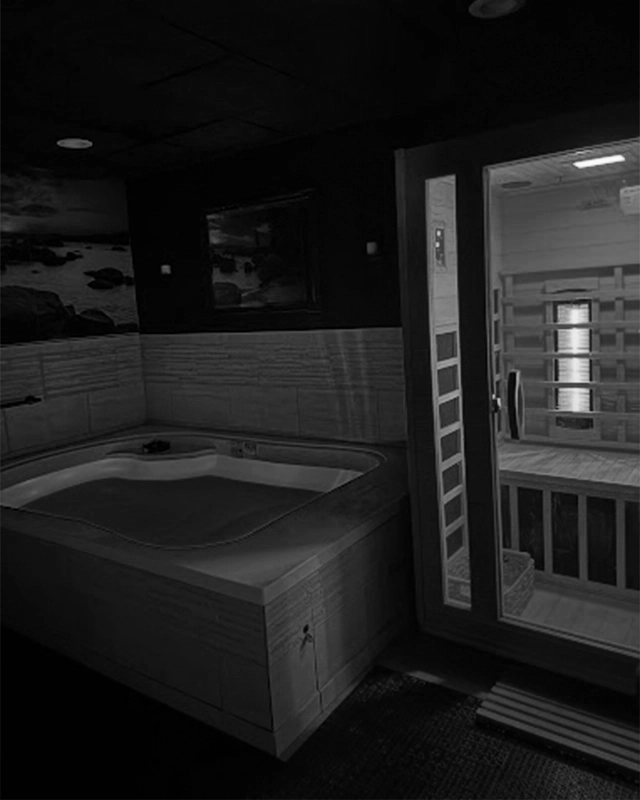
Recover Cold Plunge Contrast Therapy Float Spa & Infrared Sauna
Doylestown, PA
5.0· 199 Google reviews
Doylestown PA Recovery And Health Spa, 18901 | Recover Cold Plunge Contrast Therapy Float Spa and Infrared Sauna serves Doylestown PA.
Cold plungeInfrared saunaRed light therapyContrast therapy+1
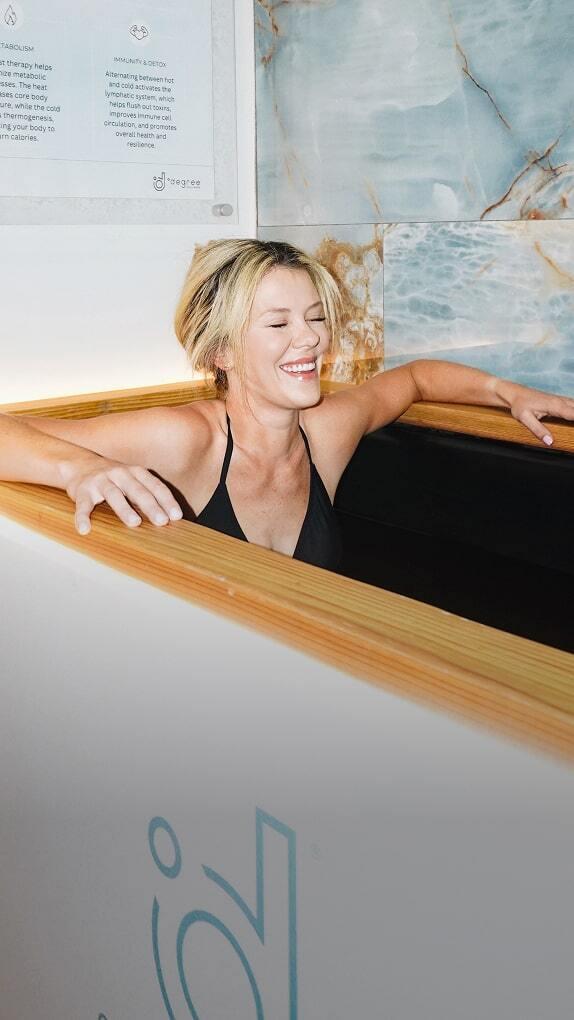
02
Degree Wellness
Doylestown, PA
5.0· 48 Google reviews
CryotherapyInfrared saunaCold plungeRed light therapy+3
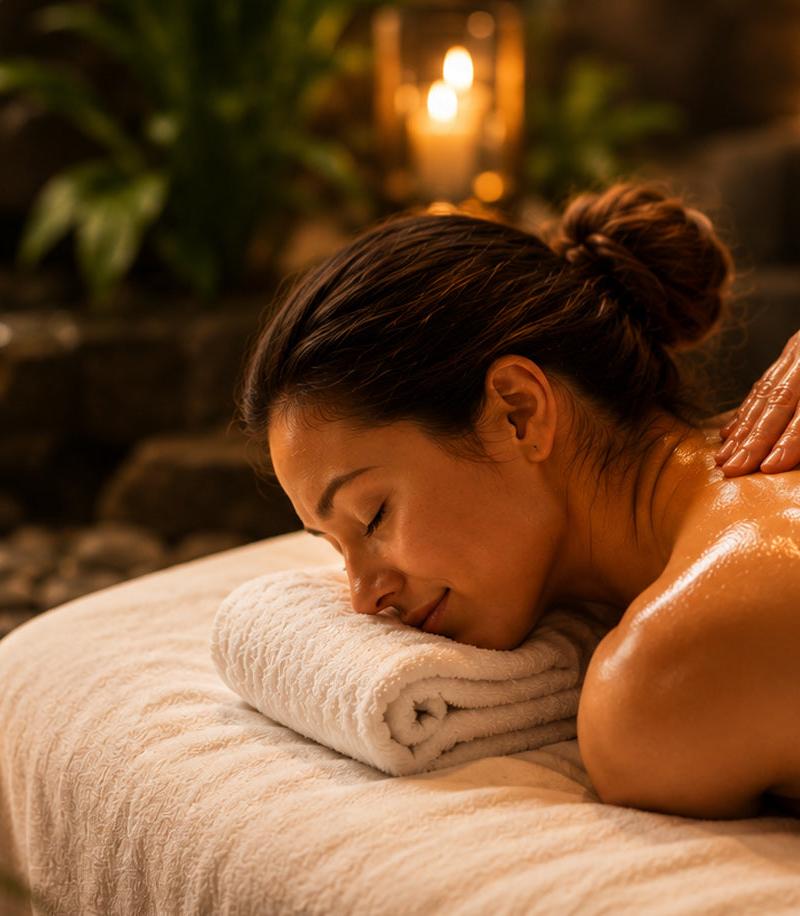
03
relax: Float Spa
Doylestown, PA
4.9· 132 Google reviews
Float therapyInfrared saunaContrast therapyCold plunge+1
Compare Doylestown’s red light therapy studios
Recover Cold Plunge Contrast Therapy Float Spa & Infrared Sauna, Degree Wellness and 1 more fill every column; dashes mark details we haven’t verified yet.
| Studio | Google rating | Price | Booking |
|---|---|---|---|
| Recover Cold Plunge Contrast Therapy Float Spa & Infrared Sauna | 5.0★ (199) | $$ | (267) 346-4357 |
| Degree Wellness | 5.0★ (48) | $$ | Book online ↗ |
| relax: Float Spa | 4.9★ (132) | $$$ | Book online ↗ |