Loading…
Recovery directory · Salt Lake City
Red light therapy in Salt Lake City
Light panels and LED beds in Salt Lake City: the shortlisted studios and first-visit offers below come from the operators' own listings.
4
listed studios
Foothill
most listings · 1 here
5.0
median Google rating · 4 rated
Figures on this page are observations from the 4 studios listed below, as of 2 Sept 2026.
Red light therapy in Salt Lake City, measured
All observations here come from the 4 light-therapy studios below, never from an industry average.
Median Google rating
5.0
highest Foothill Wellness & Recovery at 5.0
from 4 listed studios
Listed in Foothill and Sugar House
No area repeats: each of the 2 named areas of Salt Lake City holds exactly one listing, counted from what these studios publish.
from 2 listed studios
- Foothill
- 1 listing
- Sugar House
- 1 listing
Companion services
Also listed: Infrared sauna and Cryotherapy
Every contributing studio here also lists Infrared sauna; the services below each appear on at least two listings. Operator-listed, not a recommendation.
from 4 listed studios
Operator-listed hours
Hours at Foothill Wellness & Recovery and iCRYO
Foothill Wellness & Recovery posts both the earliest open (8am) and the latest close (7pm) here. Every schedule below posts weekend hours. Confirm current hours directly with the studio before you go.
from 3 listed studios
- Foothill Wellness & Recovery
- Mon–Sat 8am–7pm
- iCRYO — Foothill, Salt Lake City
- Mon - Fri 8:00am -7:00pm; Sat - 9:00am - 5:00pm; Sun - 9:00am - 3:00pm
- Us Cryotherapy
- Mon–Thu 11am–7pm · Fri 11am–6pm · Sat 11am–5pm · Sun Closed
Operator-listed intro offers
Intro offers at Foothill Wellness & Recovery and Elemntal Wellness
First-visit terms below also come from Us Cryotherapy, in each operator’s own words; confirm eligibility before you book.
from 3 listed studios
- Foothill Wellness & Recovery
- Get $50 off your first visit for new guests
- Elemntal Wellness
- Your First Sauna Visit is FREE!
- Us Cryotherapy
- $40 first-time customer offer includes up to 3 services
Salt Lake City’s red light therapy shortlist
Foothill Wellness & Recovery leads on Google rating, ahead of iCRYO.
New to red light therapy?
The guide covers what a light session involves; worth a look before you compare the 4 listings here.
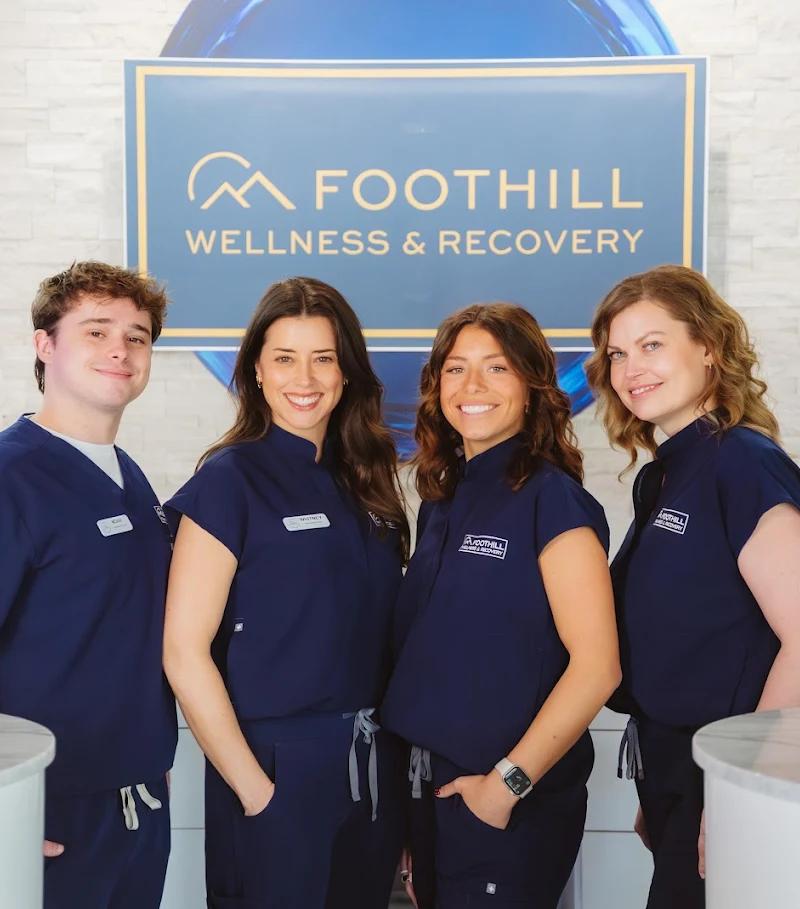
Foothill Wellness & Recovery
Foothill · Salt Lake City, UT
5.0· 317 Google reviews
Foothill Wellness helps adults in Salt Lake City, Draper, Sandy & Murray reduce pain, heal faster, lose weight & look refreshed.
CryotherapyInfrared saunaRed light therapyCompression therapy+2
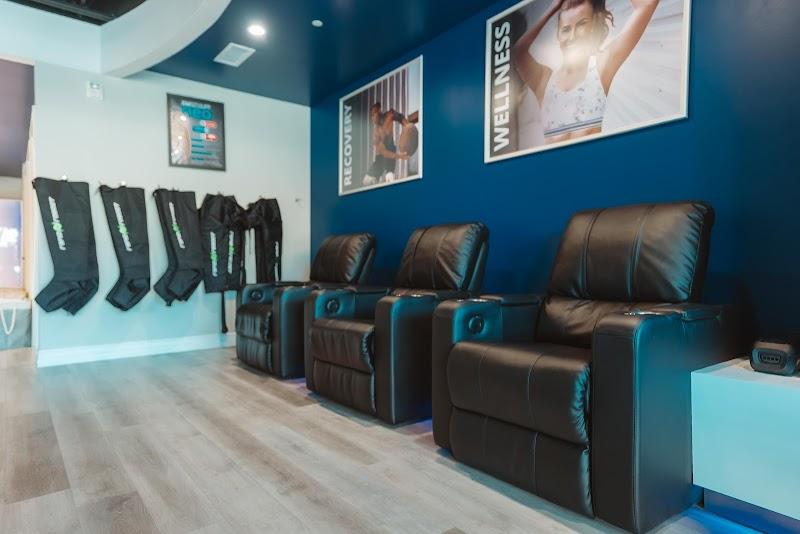
02
iCRYO — Foothill, Salt Lake City
Salt Lake City, UT
5.0· 317 Google reviews
BIA Body CompositionCompression therapyCryotherapyHIFEM / EMSCULPT-Class Body Contouring+6
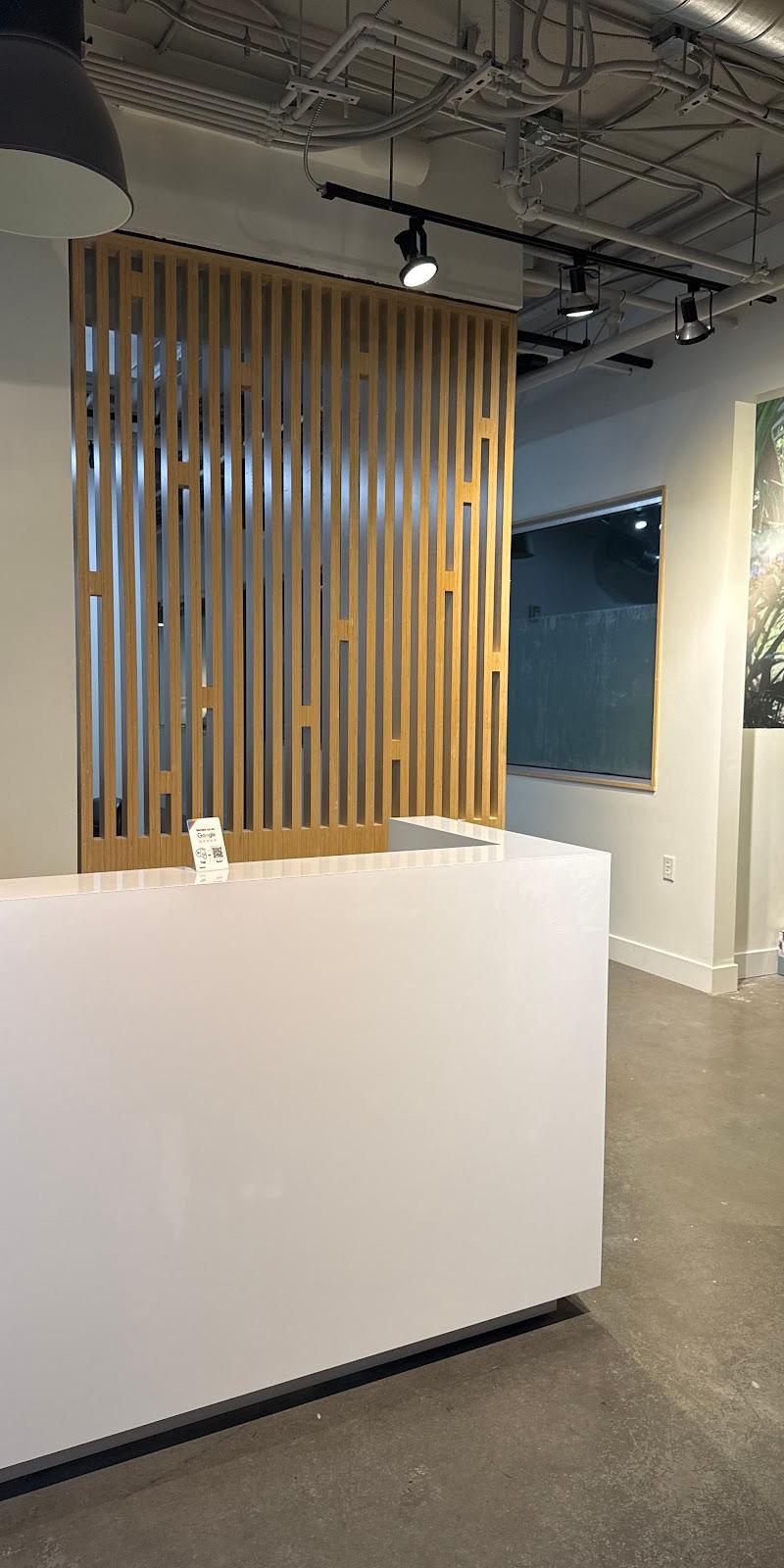
03
Elemntal Wellness
Salt Lake City, UT
5.0· 87 Google reviews
Infrared saunaCold plungeRed light therapy
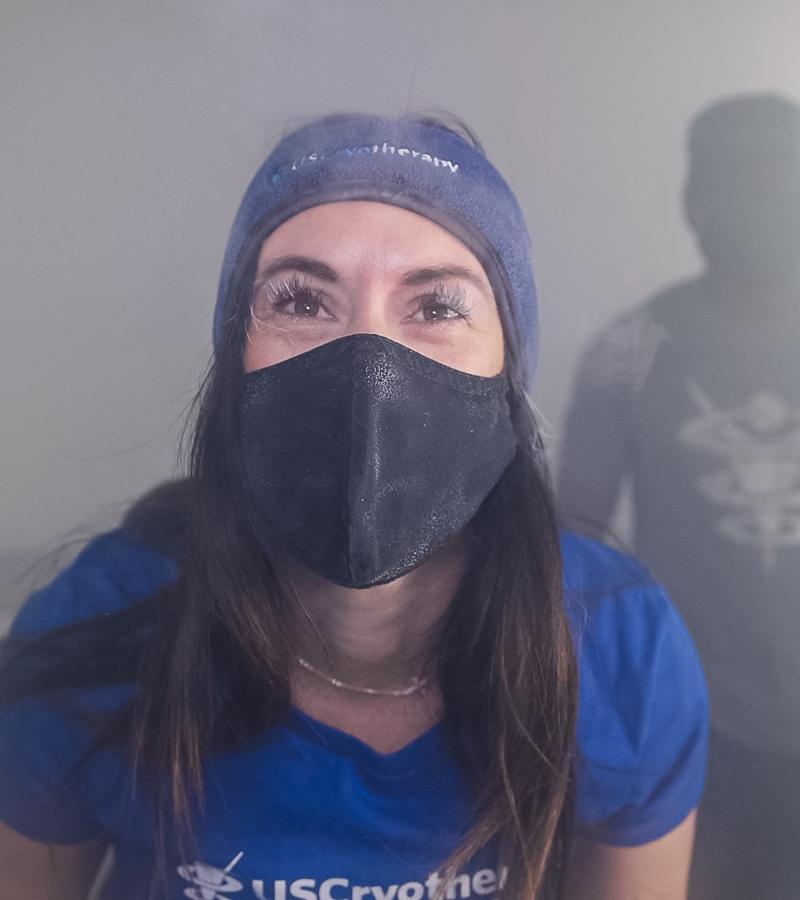
04
Us Cryotherapy
Sugar House · Salt Lake City, UT
4.8· 55 Google reviews
CryotherapyLocalized cryotherapyInfrared saunaRed light therapy+3
Compare Salt Lake City’s red light therapy studios
Only Us Cryotherapy fills every column today; a dash is a detail we haven’t verified yet.
| Studio | Neighborhood | Google rating | Price | Booking |
|---|---|---|---|---|
| Foothill Wellness & Recovery | Foothill | 5.0★ (317) | — | Book online ↗ |
| iCRYO — Foothill, Salt Lake City | — | 5.0★ (317) | — | (801) 784-0095 |
| Elemntal Wellness | — | 5.0★ (87) | $$$ | (801) 573-6923 |
| Us Cryotherapy | Sugar House | 4.8★ (55) | $ | Book online ↗ |