Should I choose a BIA scan or a DXA scan?
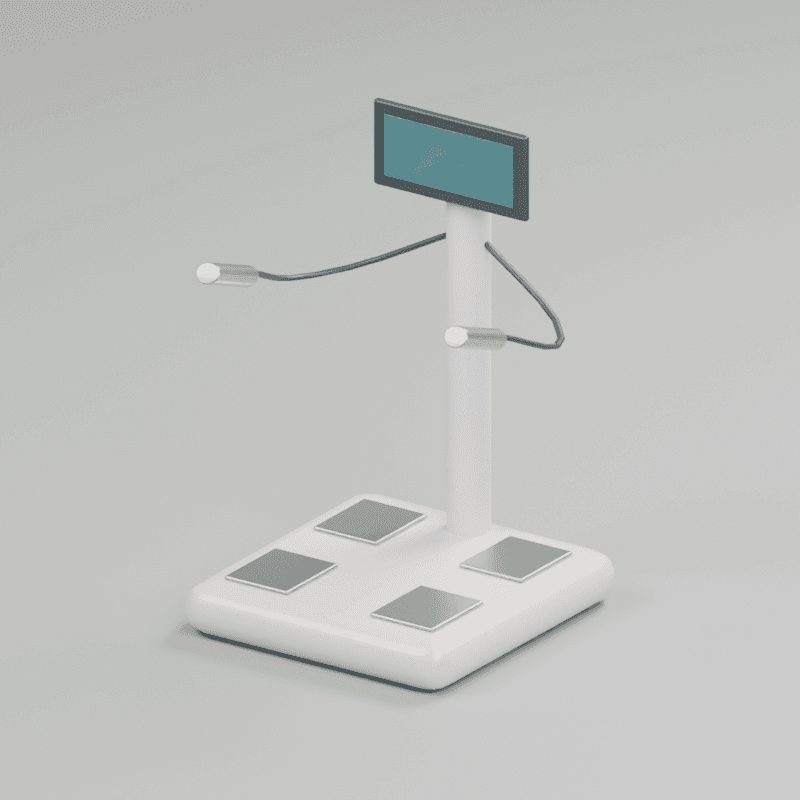
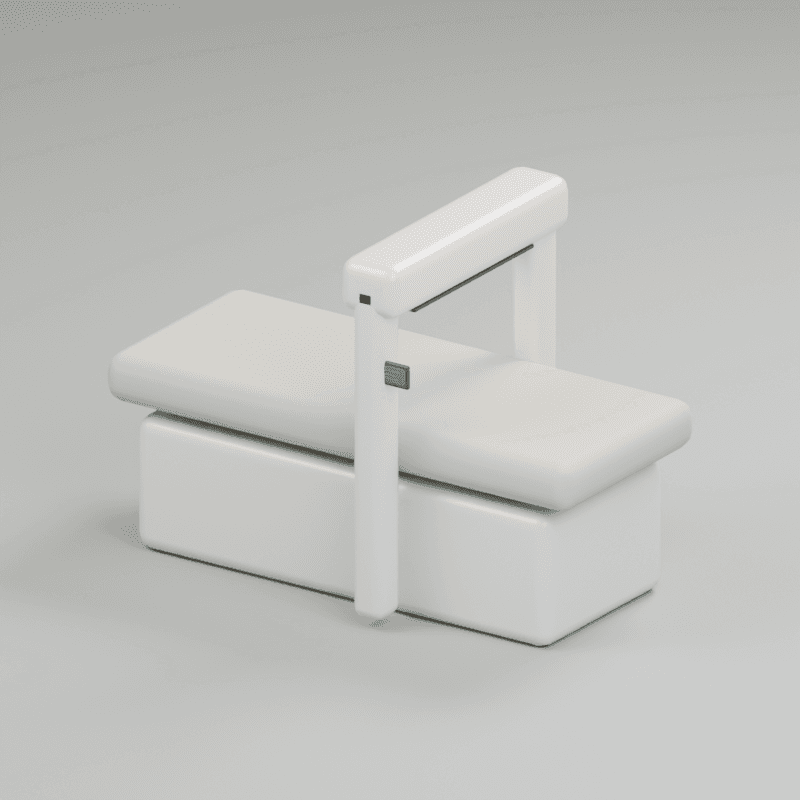
It depends on what you want the number for. BIA is fast, cheap, involves no radiation, and is widely available in studios, which makes it well suited to frequent check-ins on the same machine. DXA is more precise and repeatable, gives a regional breakdown and bone-mineral data, and is the better choice if you want a single authoritative baseline or if you need to compare results across a long gap. The one thing you should not do is mix them: a BIA reading and a DXA reading are not interchangeable, and switching devices mid-program will produce a change that reflects the equipment rather than your body.
How accurate is my InBody or smart-scale body-fat percentage?
Accurate enough to sort most people into a broad band, not accurate enough to treat as a precise figure. A 2026 systematic review of 12 studies comparing BIA against a four-compartment reference model in healthy adults found average bias was modest, ranging from -3.5 to +4.4 percentage points, but the limits of agreement typically spanned 15 to 20 percentage points of body fat. The authors concluded that BIA devices are not clinically equivalent to the reference at the individual level. A 2025 review of 28 pediatric studies found BIA consistently underestimated fat mass against DXA. Compare a device to itself over time rather than to someone else's number from a different machine.
How should I prepare so my scans are actually comparable?
Standardize everything you can control. Same device and ideally the same operator, same time of day, similar hydration, at least three to four hours since a substantial meal, no hard training session, sauna, or alcohol beforehand, empty bladder, and for women it is worth noting where you are in your cycle since fluid shifts move BIA numbers. Remove shoes, socks, and jewelry. If any of those conditions are different on the day, tell the operator so the comparison can be interpreted with that in mind rather than treated as a real change.
How often should I retest?
Every 8 to 12 weeks is a common cadence inside a structured program, which is roughly the interval over which a real change in fat or lean mass becomes larger than the measurement noise. Weekly scanning mostly measures hydration and meal timing. There is a formal version of this idea in densitometry practice called the least significant change, calculated as 2.77 times the site's precision error at 95 percent confidence; a good DXA provider can tell you what that threshold is on their specific machine, and any movement smaller than it should not be interpreted as progress or regression.
Is the visceral-fat number reliable?
Less so than the other figures, and it is worth knowing that before you react to it. A reliability study of weight-stable adults on a GE iDXA found coefficients of variation under two percent for the main compartments but about 16 percent for visceral adipose tissue on same-day repeat scans and roughly 42 percent over three months. The same authors recommended that visceral-fat mass only be interpreted in people with a BMI of 25 or above or a visceral-fat mass above 500 g. BIA-derived visceral estimates are indirect and inherit the same caution. Treat it as a directional signal across several measurements, not as a precise value.
Is a body-composition scan a medical test?
No. An elective wellness scan is a measurement service, not a diagnosis, and the staff running it are usually not the right people to interpret a clinical finding. It cannot diagnose obesity, osteoporosis, sarcopenia, or metabolic disease. A whole-body DXA performed for body composition is also not the same examination as a diagnostic bone-density DXA of the hip and spine. If a result surprises you, if your weight or body composition is changing without explanation, or if bone health is your actual concern, take it to a clinician rather than to the scan report.