Loading…
Infrared sauna · for muscle recovery
Infrared sauna for muscle recovery: why heat is sometimes the smarter choice than cold
Cold plunges get most of the attention for muscle recovery, but heat works through a fundamentally different mechanism, and in some situations a more useful one. Here's when infrared sauna is the better recovery choice, how to use it alongside other modalities, and what the evidence does and doesn't show.
1935
studios listed
826
cities
Cold immersion is the acute intervention: get in fast, reduce swelling and soreness, move on. Infrared sauna is the sustained-repair tool. The key difference is what heat does to muscle tissue. Where cold constricts blood vessels to limit swelling, heat dilates them, delivering more oxygen, glucose, and the amino acids needed to rebuild damaged fibers.
This vasodilation effect is most useful in the 24–48 hour window after hard training, once acute inflammation has peaked and the repair process needs fuel. A sauna session on a rest day or the day after heavy training is a sensible way to support that phase. It is worth being straight about the evidence, though: most of the supporting research is on passive heat and traditional sauna rather than full-cabin infrared, and Praxium's evidence records note that direct infrared-cabin trial data is thin.
Heat shock proteins: the cellular repair story
Heat stress triggers the production of heat shock proteins (HSPs), a class of molecular chaperones that refold and clear damaged proteins inside cells. Hard training leaves a significant protein-damage burden in muscle, and HSPs are the cleanup crew. Regular heat exposure appears to upregulate HSP production, which is the mechanism most often cited for heat as a recovery aid. Broad sauna reviews (Laukkanen, Laukkanen and Kunutsor, Mayo Clinic Proceedings, 2018) describe cardiovascular benefits and reductions in inflammatory markers with regular sauna bathing, though that body of work is largely traditional Finnish sauna rather than infrared cabins.
Heat also has a meaningful effect on muscle tension. Unlike cold, which stiffens tissue, heat reduces resting muscle tone and increases tissue extensibility. For athletes dealing with chronic tightness or restricted range of motion as a recovery bottleneck, this can translate directly to a faster return to full training capacity.
Infrared sauna vs cold plunge for recovery: how to choose
- Acute soreness (0–6 hours post-training): cold plunge is the better tool, reducing the inflammatory load right away.
- Sub-acute repair phase (24–72 hours post-training): infrared sauna is the better tool, supporting blood flow and heat-shock protein activity.
- Muscle tension as the primary problem: infrared sauna, since heat relaxes tissue while cold tightens it.
- Endurance season with back-to-back training days: contrast therapy (alternating hot and cold) can deliver both effects, and is listed in the Praxium directory as its own modality.
- Hypertrophy phase: consider sauna over cold immediately post-lift. Cold-water immersion straight after resistance training attenuated strength and hypertrophy adaptations in controlled work (Roberts et al., The Journal of Physiology, 2015), and heat does not carry that concern.
- Hydration and heat tolerance are the limiting factors for sauna use, and anyone with cardiovascular conditions or who is pregnant should clear heat exposure with a physician first.
Praxium organizes goal-based recovery sequencing — this is not medical advice. Check contraindications with a qualified professional before starting any modality.
Is infrared sauna right for you?
Infrared sauna appeals broadly to athletes, office workers with chronic stress or tension, and individuals managing mild chronic pain or stiffness.
Wellness guidance, not medical advice.
Often a great fit if…
People who find traditional steam saunas too hot or claustrophobic often prefer the lower ambient temperature of infrared cabins.
Worth a quick check first if…
People who are pregnant, have cardiovascular conditions, uncontrolled blood pressure, or take medications that affect heat regulation should consult a clinician before using an infrared sauna. Those feeling acutely ill, with active skin infections, or who have consumed alcohol should avoid sessions.
What a first session feels like
Sessions typically run 30–45 minutes at 120–150°F. You'll sweat noticeably within the first 10–15 minutes; studios provide towels and water is strongly recommended before, during, and after. Many people feel deeply relaxed immediately afterward, with energy and mood often improving over the following hour.
Where to try it
Try infrared sauna near you
1935 studios listed across 826 cities.
DOC's
Wall, NJ
5.0· 1 Google review
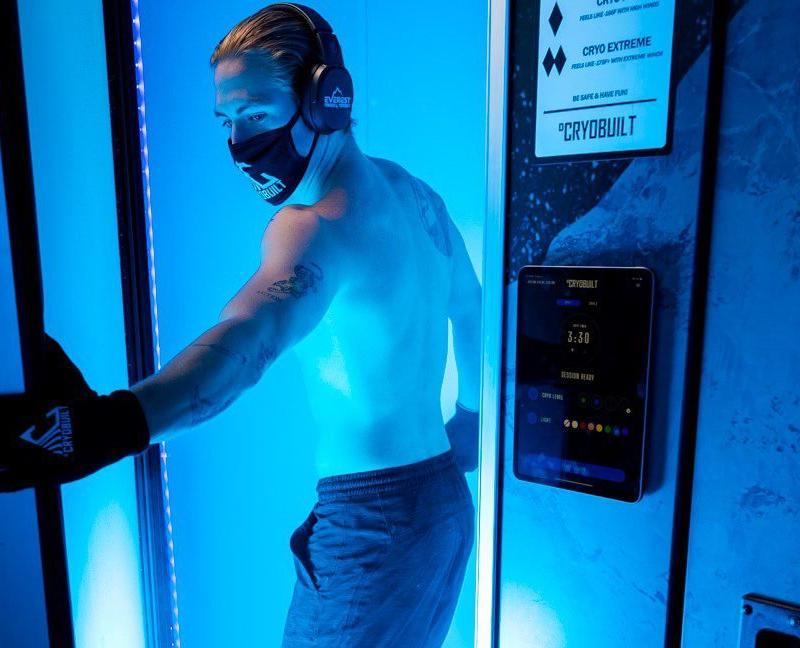
DOC's is a Wall, NJ recovery facility offering innovative holistic therapies for athletic performance and life extension — whole-body cryotherapy, hyperbaric oxygen, Normatec compression, Sunlighten infrared sauna, and Theralight red light.
CryotherapyHyperbaric oxygenCompression therapyInfrared sauna+1
Next Health
West Hollywood, CA
5.0· 2291 Google reviews
Next Health is a health and wellness center at The Sunset on Sunset Boulevard in West Hollywood.
IV & hydrationIV Hydration / Vitamin (Myers-type) TherapyCryotherapyHyperbaric oxygen+3

Next Health West Hollywood
Sunset Strip · West Hollywood, CA
5.0· 2250 Google reviews
West Hollywood wellness center for NAD+, IV drips, hormone therapy, infrared therapy, hyperbaric oxygen, EBOO ozone & plasma exchange on the Sunset Strip.
CryotherapyHyperbaric oxygenInfrared saunaRed light therapy+1
Next Health
New York, NY
5.0· 1217 Google reviews
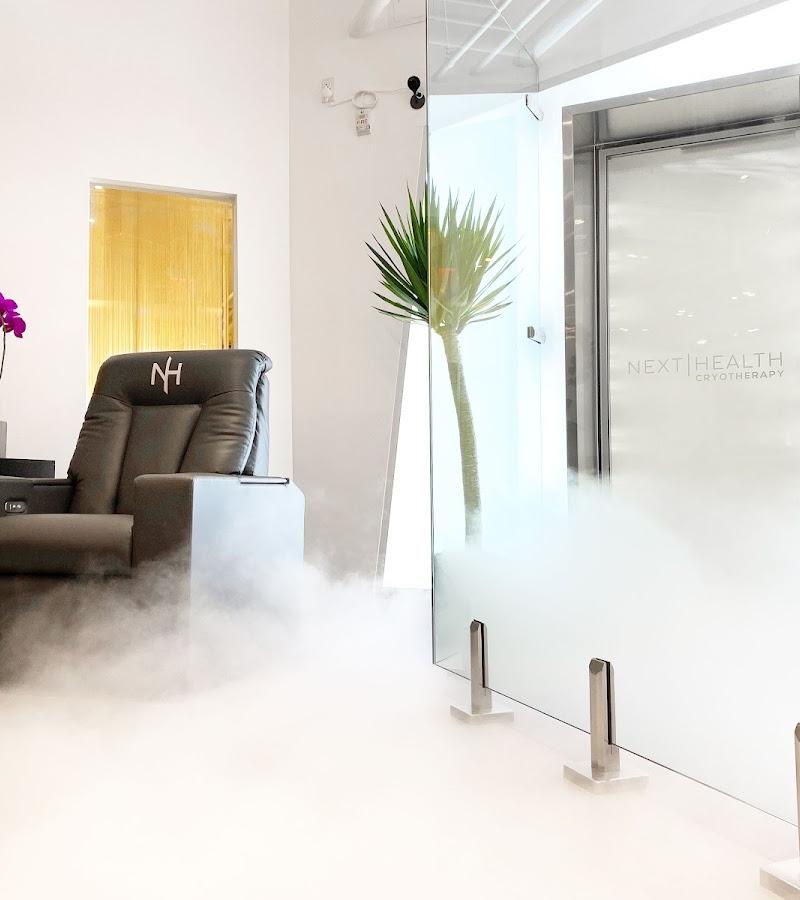
Next Health offers IV therapy, cryotherapy, and hyperbaric oxygen treatments at their wellness center on Madison Avenue, specializing in advanced regenerative medicine and longevity optimization.
CryotherapyIV & hydrationHyperbaric oxygenInfrared sauna+1

Restore Hyper Wellness
Houston, TX
5.0· 1168 Google reviews
Restore Hyper Wellness is a wellness studio in West University, Houston, at 2715 Bissonnet St., Suite 140.
CryotherapyRed light therapyInfrared saunaCompression therapy+4
Restore Hyper Wellness - Houston, TX - West University
West University · Houston, TX
5.0· 1163 Google reviews
Personalized, science-backed recovery therapies in Houston West University including whole-body cryotherapy, red light therapy, infrared sauna, compression, IV drip therapy, and mild hyperbaric oxygen therapy to decrease inflammation, optimize sleep, and boost energy.
CryotherapyRed light therapyInfrared saunaCompression therapy+2
Frequently asked questions
Is infrared sauna good for muscle recovery?
It is a reasonable recovery tool. Infrared sauna raises blood flow to muscle, supports heat shock protein activity, and reduces muscle tension, all relevant to recovery. It is most useful in the 24–48 hour repair window after training rather than immediately post-workout. Direct trial evidence for infrared cabins specifically is limited, and most of the supporting research is on passive heat and traditional sauna.
Infrared sauna vs cold plunge for muscle recovery: which is better?
Both work, and they work through different mechanisms. Cold is better for reducing acute inflammation and soreness immediately after training. Infrared sauna is better suited to the sustained repair phase 24–48 hours later. Many serious athletes use both at different points in their recovery cycle, sometimes in the same session as contrast therapy.
How long should I use an infrared sauna for muscle recovery?
Twenty to forty minutes at 130–150°F is the typical range. Sessions under 15 minutes may not raise core temperature enough to get much of the heat-adaptation response.
When should I use an infrared sauna relative to my workout?
For recovery, the 24–48 hour window after hard training is when heat's vasodilation and repair support are most useful, so a rest-day or next-day session. Sauna immediately post-workout is fine for relaxation, and unlike cold immersion it is not associated with blunting the muscle-building adaptive signal, which makes it a reasonable choice even right after lifting.
How often should I use an infrared sauna for recovery?
Three to five sessions per week aligns well with most training schedules and lets the heat-adaptation response accumulate. High-volume athletes may use it more frequently; the main limiters are hydration and overall fatigue rather than a hard frequency cap.
Can I combine infrared sauna and cold plunge for recovery?
Yes. Alternating heat and cold is contrast therapy, a separate modality in the Praxium directory, and many athletes use both to capture each modality's benefits. A common approach is cold first to reduce acute inflammation, then sauna for blood flow and relaxation, though sequencing can be adjusted to your goal.
Want infrared sauna as part of a full plan?
Infrared sauna for muscle recovery is one input. The quiz asks how you train and how you sleep, then puts it in an order — which modality, on which day, and what it should sit next to.