Loading…
Infrared sauna · for sleep
Infrared sauna for sleep: how to time it for maximum benefit
An infrared sauna session one to two hours before bed is a well-reasoned way to prime your body for deep sleep, and it works through the same core-temperature mechanism that makes a hot bath before bed helpful. Here's how to use it intentionally, and how strong the evidence behind it is.
1935
studios listed
826
cities
The core temperature drop is the key. Your body begins to lower core temperature as part of sleep initiation, one of the clearest physiological signals that sleep is near. Infrared sauna raises core temperature significantly during the session (typically 1–3°F), and the body's aggressive rewarming response triggers a sharper-than-normal compensatory drop when you step out and cool down. That drop, arriving in the hour after a session, reinforces the body's readiness for sleep. The strongest evidence for this mechanism comes from water-based passive body heating: a systematic review and meta-analysis of warm showers and baths before bedtime (Haghayegh et al., Sleep Medicine Reviews, 2019) found that heating 1 to 2 hours before bed shortened the time it took to fall asleep and improved self-reported sleep quality.
Infrared sauna is well suited to this use case compared with a traditional sauna: the lower ambient air temperature (130–150°F, versus roughly 180–200°F for a Finnish-style room) is more tolerable for evening sessions, and far-infrared wavelengths penetrate tissue more deeply, producing core-temperature effects with less surface discomfort. Both appear in the Praxium directory as separate modalities, Infrared sauna and Traditional sauna. One honest caveat: direct trial evidence for full-cabin infrared saunas and sleep does not yet exist. Praxium's evidence records note that the supporting sleep studies are on passive heating and on far-infrared wearables and blankets rather than infrared cabins.
The nervous system effect
Heat exposure triggers a parasympathetic shift after the initial thermal stress response. Heart rate slows, muscles relax, and the brain's stress-response circuits quiet down. Regular sauna users often report feeling deeply drowsy within thirty minutes of stepping out, a state many describe as similar to the relaxation that follows a long massage.
Cortisol patterns also appear to shift. While acute heat stress briefly elevates cortisol during the session, regular sauna use has been associated with lower evening cortisol over time. Lower evening cortisol is one of the hallmarks of good sleep architecture, since it is what allows melatonin to rise unimpeded. This association comes largely from traditional sauna research, summarized in the sauna evidence review by Laukkanen, Laukkanen and Kunutsor (Mayo Clinic Proceedings, 2018), rather than from infrared-specific trials.
How to time it
- Ideal window: finish your session 60–90 minutes before your target bedtime, matching the 1 to 2 hour window in the passive-heating meta-analysis.
- Duration: 20–40 minutes at 130–150°F is typical for sleep-oriented sessions.
- Hydrate: the sweating involved means you need fluid replacement, and even mild dehydration disrupts sleep.
- Cool gradually: don't rush from sauna to a cold shower if sleep is the goal; let the temperature drop happen on its own.
- Skip stimulants: caffeine after 2 pm and alcohol post-sauna both undercut the sleep benefit.
Praxium organizes goal-based recovery sequencing — this is not medical advice. Check contraindications with a qualified professional before starting any modality.
Is infrared sauna right for you?
Infrared sauna appeals broadly to athletes, office workers with chronic stress or tension, and individuals managing mild chronic pain or stiffness.
Wellness guidance, not medical advice.
Often a great fit if…
People who find traditional steam saunas too hot or claustrophobic often prefer the lower ambient temperature of infrared cabins.
Worth a quick check first if…
People who are pregnant, have cardiovascular conditions, uncontrolled blood pressure, or take medications that affect heat regulation should consult a clinician before using an infrared sauna. Those feeling acutely ill, with active skin infections, or who have consumed alcohol should avoid sessions.
What a first session feels like
Sessions typically run 30–45 minutes at 120–150°F. You'll sweat noticeably within the first 10–15 minutes; studios provide towels and water is strongly recommended before, during, and after. Many people feel deeply relaxed immediately afterward, with energy and mood often improving over the following hour.
Where to try it
Try infrared sauna near you
1935 studios listed across 826 cities.
DOC's
Wall, NJ
5.0· 1 Google review
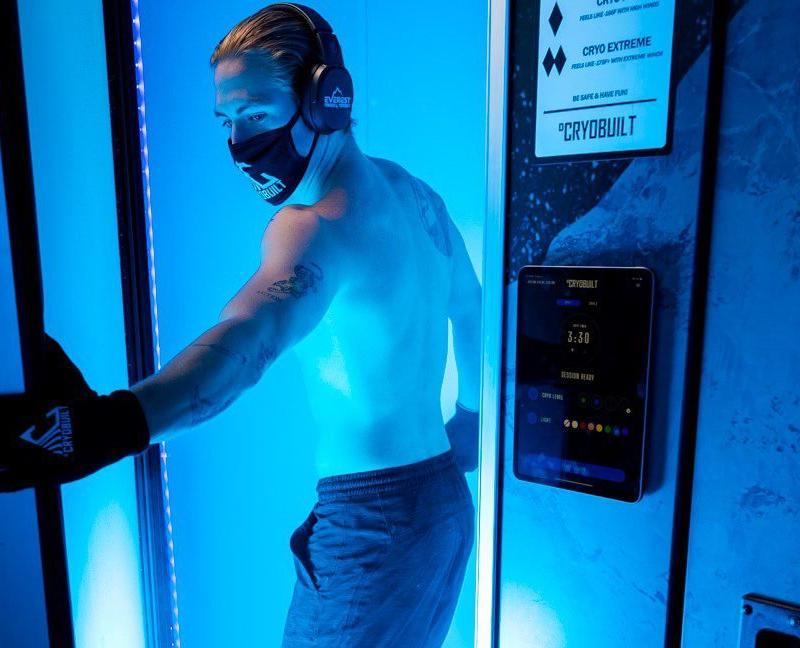
DOC's is a Wall, NJ recovery facility offering innovative holistic therapies for athletic performance and life extension — whole-body cryotherapy, hyperbaric oxygen, Normatec compression, Sunlighten infrared sauna, and Theralight red light.
CryotherapyHyperbaric oxygenCompression therapyInfrared sauna+1
Next Health
West Hollywood, CA
5.0· 2291 Google reviews
Next Health is a health and wellness center at The Sunset on Sunset Boulevard in West Hollywood.
IV & hydrationIV Hydration / Vitamin (Myers-type) TherapyCryotherapyHyperbaric oxygen+3

Next Health West Hollywood
Sunset Strip · West Hollywood, CA
5.0· 2250 Google reviews
West Hollywood wellness center for NAD+, IV drips, hormone therapy, infrared therapy, hyperbaric oxygen, EBOO ozone & plasma exchange on the Sunset Strip.
CryotherapyHyperbaric oxygenInfrared saunaRed light therapy+1
Next Health
New York, NY
5.0· 1217 Google reviews
Next Health offers IV therapy, cryotherapy, and hyperbaric oxygen treatments at their wellness center on Madison Avenue, specializing in advanced regenerative medicine and longevity optimization.
CryotherapyIV & hydrationHyperbaric oxygenInfrared sauna+1

Restore Hyper Wellness
Houston, TX
5.0· 1168 Google reviews
Restore Hyper Wellness is a wellness studio in West University, Houston, at 2715 Bissonnet St., Suite 140.
CryotherapyRed light therapyInfrared saunaCompression therapy+4
Restore Hyper Wellness - Houston, TX - West University
West University · Houston, TX
5.0· 1163 Google reviews
Personalized, science-backed recovery therapies in Houston West University including whole-body cryotherapy, red light therapy, infrared sauna, compression, IV drip therapy, and mild hyperbaric oxygen therapy to decrease inflammation, optimize sleep, and boost energy.
CryotherapyRed light therapyInfrared saunaCompression therapy+2
Frequently asked questions
Is infrared sauna before bed good for sleep?
For most people, yes, if you time it 60–90 minutes before bed. The session raises core temperature, and the subsequent drop as you cool down is a strong sleep-onset signal. Finishing too close to bedtime (within 30 minutes) can leave you still too warm to fall asleep easily. The timing evidence comes from warm bath and shower studies (Haghayegh et al., Sleep Medicine Reviews, 2019) rather than from sauna cabins specifically.
How long before bed should I use an infrared sauna?
Aim to finish your session at least 60 minutes before you want to sleep, ideally 90. This gives your body time to complete the core temperature drop that triggers drowsiness.
Can an infrared sauna help with insomnia?
Some people find regular evening sauna sessions improve how quickly they fall asleep and how rested they feel. The mechanisms (core temperature modulation, cortisol patterns, muscle relaxation) are all relevant. There are no full-cabin infrared sauna trials in insomnia, though, and persistent insomnia has many causes that often need clinical evaluation. Sauna is best used as a supportive tool within a broader sleep hygiene strategy.
How often should I use an infrared sauna for sleep?
Three to four evening sessions per week is a common cadence for sleep support, and daily use is generally well tolerated by healthy, well-hydrated people. As with most sauna effects, the sleep and cortisol benefits accumulate with consistency rather than coming from any single session.
Is infrared or traditional sauna better for sleep?
For evening sleep sessions, infrared has practical advantages: the lower ambient air temperature (130–150°F versus 180–200°F) is more comfortable to relax in before bed, and far-infrared warms the body's core with less surface discomfort. Both rely on the same core-temperature-drop mechanism, so either can work; infrared is simply easier to tolerate at night. Both are listed separately in the Praxium modality directory.
What temperature should an infrared sauna be for sleep?
Most sleep-oriented infrared sessions run 130–150°F for 20–40 minutes. You want enough heat to meaningfully raise core temperature without overstimulating yourself right before bed, so there's no need to push to the hottest setting.
Want infrared sauna as part of a full plan?
Infrared sauna for sleep is one input. The quiz asks how you train and how you sleep, then puts it in an order — which modality, on which day, and what it should sit next to.