Loading…
Infrared sauna · for skin
Infrared sauna for skin: the collagen, circulation, and pore-clearing case
The skin benefits of infrared sauna are some of the most consistent user-reported outcomes, and there's legitimate physiology behind them. Here's what's happening to your skin during and after a session, and how to maximize the benefit.
1935
studios listed
826
cities
Infrared wavelengths (particularly near-infrared) penetrate the dermis, the deeper layer of skin where collagen and elastin fibers live. This thermal stimulation activates fibroblasts, the cells responsible for producing collagen. Collagen production is what gives skin structure, elasticity, and a plump appearance; its decline with age is the primary driver of wrinkles and sagging.
The heat also significantly increases circulation throughout the skin. More blood flow means more oxygen and nutrients delivered to skin cells, and more efficient removal of metabolic waste. People who use infrared sauna regularly often notice a characteristic 'glow' in the hours after a session: this is the same vascular flush that gives skin a healthy pink tint.
Sweating and pore health
Infrared sauna produces substantial sweating at lower ambient temperatures than a traditional sauna: the infrared heat creates a deep-tissue thermal effect without the extreme air temperature. This deep sweating flushes debris from pores more thoroughly than a surface shower. For people who struggle with congested skin or mild acne, this is often the most immediately noticeable effect.
The important caveat: sweat itself isn't antibacterial, and if you don't shower promptly after a session, the bacteria on your skin can proliferate in the warm, moist environment. Always shower within 20–30 minutes of finishing.
Building a skin-focused sauna practice
- Near-infrared emphasis: if the studio offers a choice, near-infrared wavelengths penetrate more specifically to the collagen-producing dermis.
- Frequency: 3–5 sessions per week is a typical recommendation for noticeable skin changes over 8–12 weeks.
- Remove makeup before: cosmetics trap sweat against skin and reduce pore-clearing benefit.
- Hydrate: dehydrated skin doesn't sweat efficiently and doesn't benefit as fully from the circulation increase.
- Don't skip the shower: post-session showering is essential to remove debris and bacteria before they cause issues.
Praxium organizes goal-based recovery sequencing — this is not medical advice. Check contraindications with a qualified professional before starting any modality.
Is infrared sauna right for you?
Infrared sauna appeals broadly to athletes, office workers with chronic stress or tension, and individuals managing mild chronic pain or stiffness.
Wellness guidance, not medical advice.
Often a great fit if…
People who find traditional steam saunas too hot or claustrophobic often prefer the lower ambient temperature of infrared cabins.
Worth a quick check first if…
People who are pregnant, have cardiovascular conditions, uncontrolled blood pressure, or take medications that affect heat regulation should consult a clinician before using an infrared sauna. Those feeling acutely ill, with active skin infections, or who have consumed alcohol should avoid sessions.
What a first session feels like
Sessions typically run 30–45 minutes at 120–150°F. You'll sweat noticeably within the first 10–15 minutes; studios provide towels and water is strongly recommended before, during, and after. Many people feel deeply relaxed immediately afterward, with energy and mood often improving over the following hour.
Where to try it
Try infrared sauna near you
1935 studios listed across 826 cities.
DOC's
Wall, NJ
5.0· 1 Google review
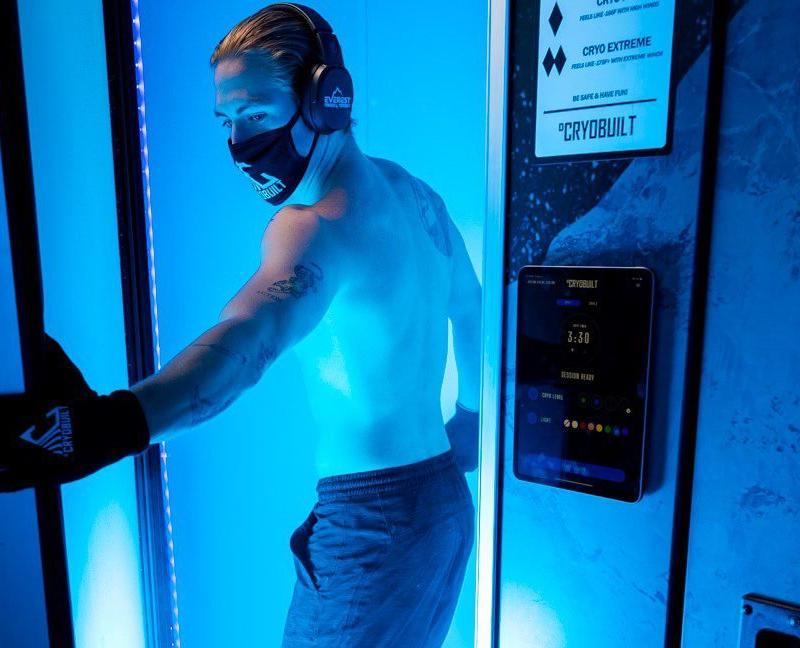
DOC's is a Wall, NJ recovery facility offering innovative holistic therapies for athletic performance and life extension — whole-body cryotherapy, hyperbaric oxygen, Normatec compression, Sunlighten infrared sauna, and Theralight red light.
CryotherapyHyperbaric oxygenCompression therapyInfrared sauna+1
Next Health
West Hollywood, CA
5.0· 2291 Google reviews
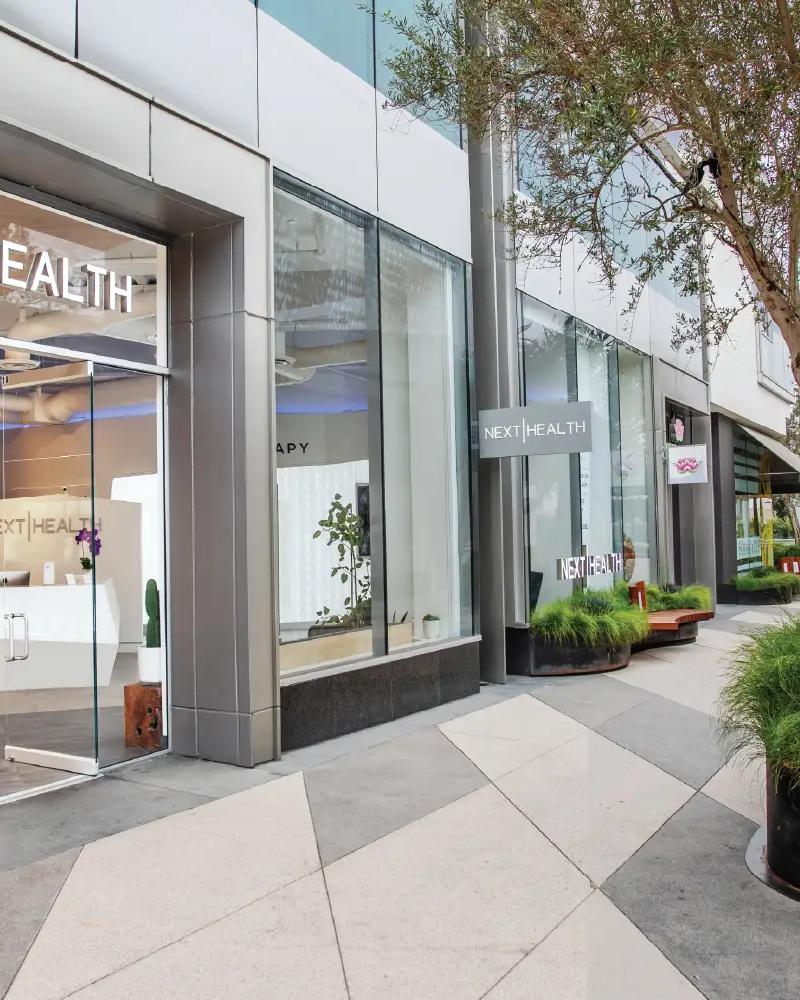
Next Health is a health and wellness center at The Sunset on Sunset Boulevard in West Hollywood.
IV & hydrationIV Hydration / Vitamin (Myers-type) TherapyCryotherapyHyperbaric oxygen+3
Next Health West Hollywood
Sunset Strip · West Hollywood, CA
5.0· 2250 Google reviews
West Hollywood wellness center for NAD+, IV drips, hormone therapy, infrared therapy, hyperbaric oxygen, EBOO ozone & plasma exchange on the Sunset Strip.
CryotherapyHyperbaric oxygenInfrared saunaRed light therapy+1
Next Health
New York, NY
5.0· 1217 Google reviews
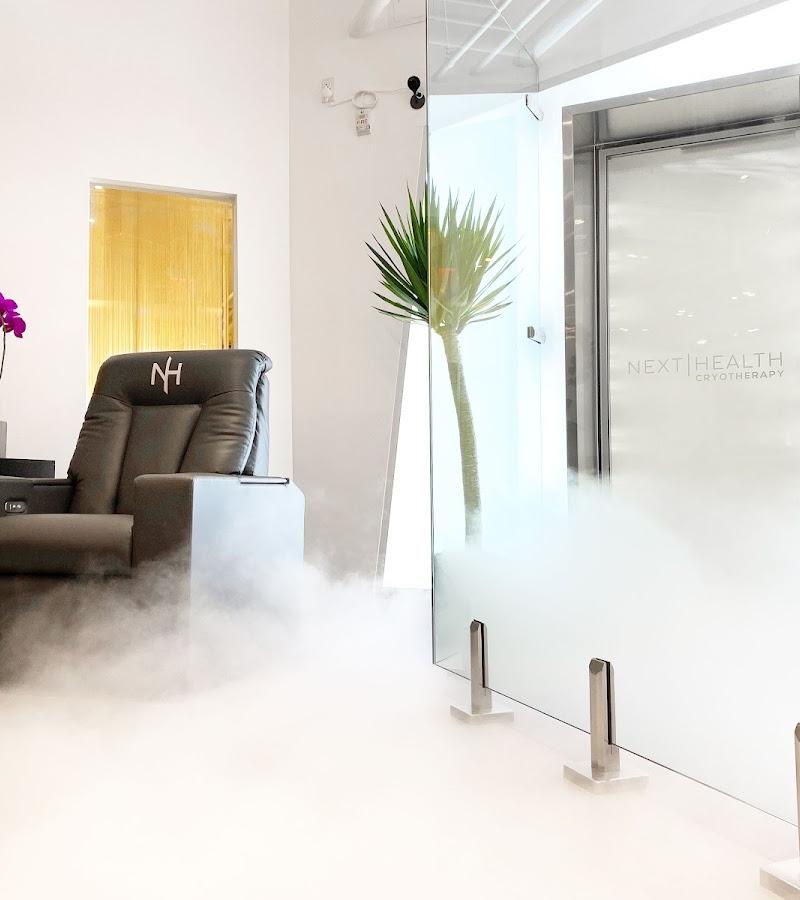
Next Health offers IV therapy, cryotherapy, and hyperbaric oxygen treatments at their wellness center on Madison Avenue, specializing in advanced regenerative medicine and longevity optimization.
CryotherapyIV & hydrationHyperbaric oxygenInfrared sauna+1

Restore Hyper Wellness
Houston, TX
5.0· 1168 Google reviews
Restore Hyper Wellness is a wellness studio in West University, Houston, at 2715 Bissonnet St., Suite 140.
CryotherapyRed light therapyInfrared saunaCompression therapy+4
Restore Hyper Wellness - Houston, TX - West University
West University · Houston, TX
5.0· 1163 Google reviews
Personalized, science-backed recovery therapies in Houston West University including whole-body cryotherapy, red light therapy, infrared sauna, compression, IV drip therapy, and mild hyperbaric oxygen therapy to decrease inflammation, optimize sleep, and boost energy.
CryotherapyRed light therapyInfrared saunaCompression therapy+2
Frequently asked questions
Does infrared sauna improve skin?
Yes, through multiple mechanisms: increased circulation delivers nutrients to skin cells, deep sweating clears pores, and near-infrared stimulation activates collagen-producing fibroblasts. Most people notice improvements in skin texture, tone, and glow with regular use over several weeks.
Is infrared sauna good for acne?
The pore-clearing and circulation benefits can help with some forms of acne, particularly congestion-type breakouts. However, results vary depending on the cause of your acne, and for inflammatory or hormonal acne, sauna alone is unlikely to be sufficient. If you have active inflammatory acne, try a few sessions to see how your skin responds.
How often should I use infrared sauna for skin benefits?
Three to five sessions per week is commonly cited for noticeable skin improvement. Consistency over 8–12 weeks shows the most meaningful collagen and texture changes. One or two sessions per week will still offer some benefit, particularly the post-session glow from improved circulation.
Does infrared sauna help with anti-aging and wrinkles?
By stimulating collagen-producing fibroblasts and improving circulation to the skin, regular infrared sauna use can support firmer texture and a healthier appearance over time. The effect is gradual and best thought of as one input among many (sun protection, hydration, sleep) rather than a dedicated anti-aging treatment.
Is infrared sauna or red light therapy better for skin?
They work differently and can be complementary. Infrared sauna improves skin through heat-driven circulation and deep sweating that clears pores, while red light therapy uses specific wavelengths to directly stimulate collagen at the cellular level. For targeted collagen and wrinkle goals, red light has the stronger direct evidence; sauna adds circulation and pore-clearing benefits.
Can infrared sauna cause skin problems?
For most people it's well tolerated, but heat and sweat can aggravate certain conditions like rosacea or active inflammatory acne in some individuals. Always shower promptly afterward to remove sweat and bacteria, and if you have a chronic skin condition, try a few short sessions to see how your skin responds.
Want infrared sauna as part of a full plan?
Infrared sauna for skin is one input. The quiz asks how you train and how you sleep, then puts it in an order — which modality, on which day, and what it should sit next to.