Loading…
Cold plunge · for anxiety
Cold plunge for anxiety: nervous system training in practice
Cold plunging for anxiety isn't about the cold itself: it's about what happens when you choose to stay in it. The practice is drawing real interest from mental health researchers, and the mechanism makes physiological sense. Here's what's actually going on.
814
studios listed
443
cities
Stepping into cold water triggers one of the body's most primitive threat responses: a surge of norepinephrine, accelerated breathing, heightened alertness. For someone who already lives with anxiety, that might sound alarming. But the therapeutic case for cold exposure is precisely that the experience is controllable (you can choose when to get in and when to get out) while the physiological response is unmistakably real.
Researchers describe this as 'stress inoculation.' Repeated voluntary exposure to a manageable stressor teaches the nervous system that activation doesn't have to spiral. You practice staying calm inside a storm. Over time, some people report that ordinary anxiety triggers feel less overwhelming, the same way a practiced deep-water swimmer doesn't panic at a wave.
What happens neurochemically
The norepinephrine spike during a cold plunge is substantial: some research suggests it can rise by 200–300% above baseline. Norepinephrine plays a dual role: in excess (uncontrolled stress) it feeds anxiety, but in the context of voluntary exposure and controlled breathing, it appears to drive mood elevation and a sense of accomplishment post-plunge.
Dopamine is the other piece. Cold exposure reliably raises dopamine (the neurotransmitter associated with motivation, reward, and positive affect) and the elevation is more sustained than from most other stimuli. Many frequent plungers report a genuine lift in mood and reduction in anxiety that lasts several hours after a session. This isn't placebo; the neurochemistry is measurable.
It's worth being clear about what we don't know. The research on cold immersion as an anxiety intervention is still young, with most studies being small and not randomized controlled trials. Cold plunging may support anxiety management, but it is not a replacement for therapy, medication, or other evidence-based treatment. If anxiety is significantly affecting your life, please work with a qualified mental health professional.
How to approach your first anxiety-focused session
- Start warm, go slow: many studios let you ease in rather than submerge abruptly, use the ramp.
- Breathe deliberately: slow exhales activate the parasympathetic system and counteract the initial panic impulse.
- Set a modest target: 2 minutes is enough for a first session. Success builds the neural confidence that keeps you coming back.
- Don't go alone if anxiety is severe: having a studio attendant or a friend present is completely normal.
- Notice the after: the mood shift post-plunge is often the most convincing argument for a second session.
Praxium organizes goal-based recovery sequencing — this is not medical advice. Check contraindications with a qualified professional before starting any modality.
Is cold plunge right for you?
Cold plunge is popular with athletes and active individuals managing post-workout soreness, as well as people seeking a natural mood boost, stress adaptation, or mental resilience tool.
Wellness guidance, not medical advice.
Often a great fit if…
Anyone curious about deliberate cold exposure as a wellness practice will find a studio cold plunge is the cleanest and most controlled way to start.
Worth a quick check first if…
People with cardiovascular disease, Raynaud's disease, uncontrolled hypertension, or who are pregnant should consult a clinician before cold plunging. Those who are acutely ill or have open wounds should avoid cold-water immersion until cleared by a healthcare provider.
What a first session feels like
A typical studio session lasts two to ten minutes at water temperatures between 45°F and 59°F. The first thirty seconds are the most challenging, an intense cold shock and strong urge to exit, which subsides as breathing normalizes and the body adjusts. Most people notice a sustained energy lift and sense of calm within minutes of finishing.
Where to try it
Try cold plunge near you
814 studios listed across 443 cities.
PLUNJ Salt Lake
South Salt Lake, UT
5.0· 699 Google reviews
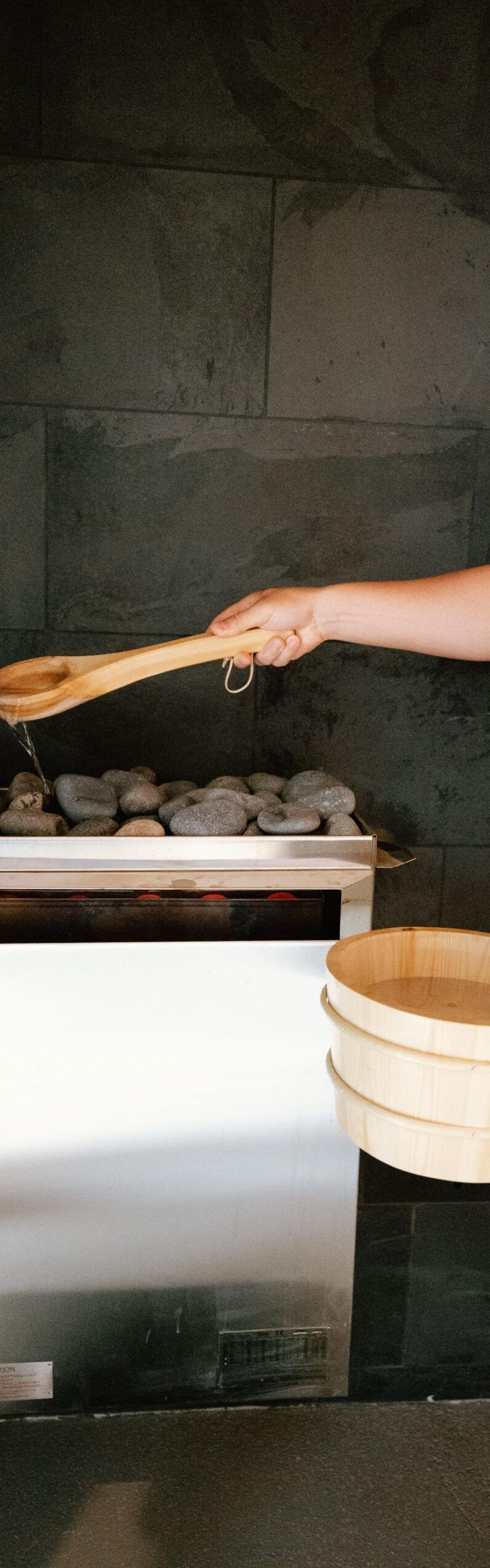
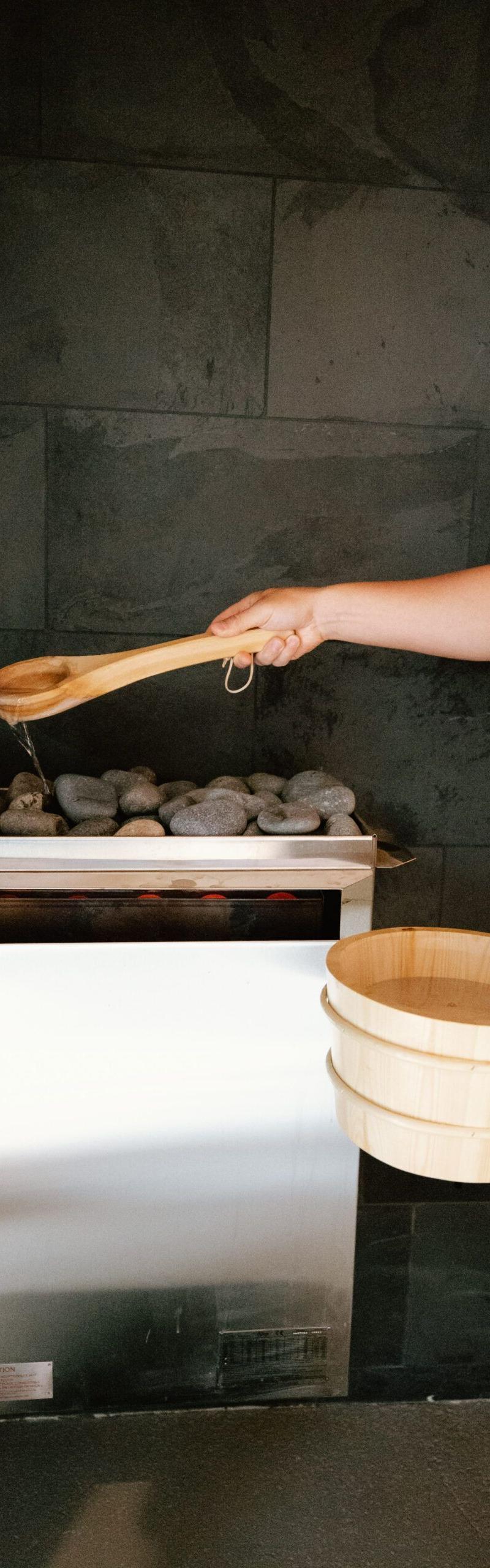
Nordic-inspired contrast therapy studio featuring a 194º F dry sauna and 50º F cold plunge pool, with Scandinavian bucket showers and communal lounge areas for group or private sessions.
Cold plungeInfrared sauna
Blissful Waters Float Center
Spring, TX
5.0· 645 Google reviews
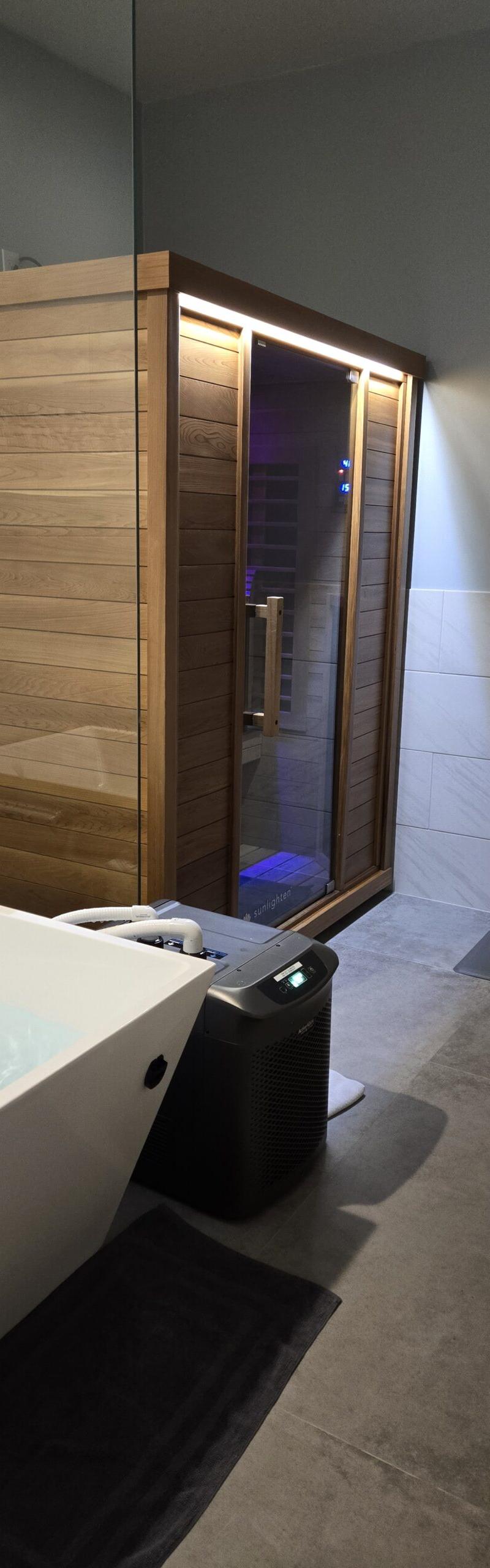
Float and recovery wellness center featuring sensory-deprivation float therapy, infrared sauna, cold plunge, and PEMF modalities for stress relief and nervous system balance.
Float therapyInfrared saunaCold plungeRed light therapy+1
Huemn Optimization + Cryo Recovery
Vintage Park · Houston, TX
5.0· 599 Google reviews
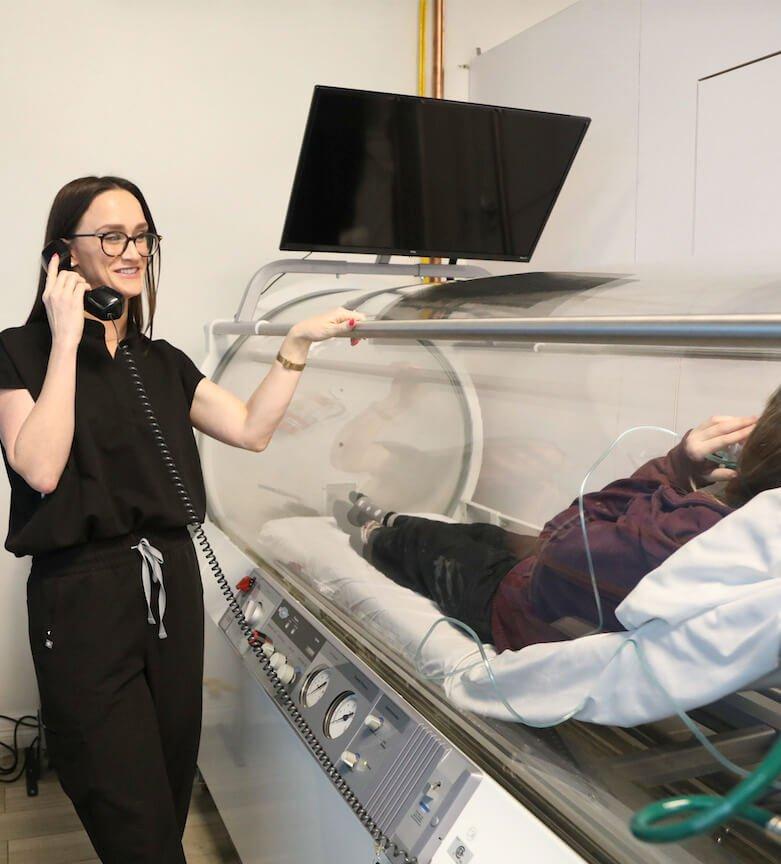
Functional medicine in Houston at Huemn.
Cold plungeCryotherapyInfrared saunaRed light therapy+5
Restart Longevity Spa
Lewisville, TX
5.0· 534 Google reviews
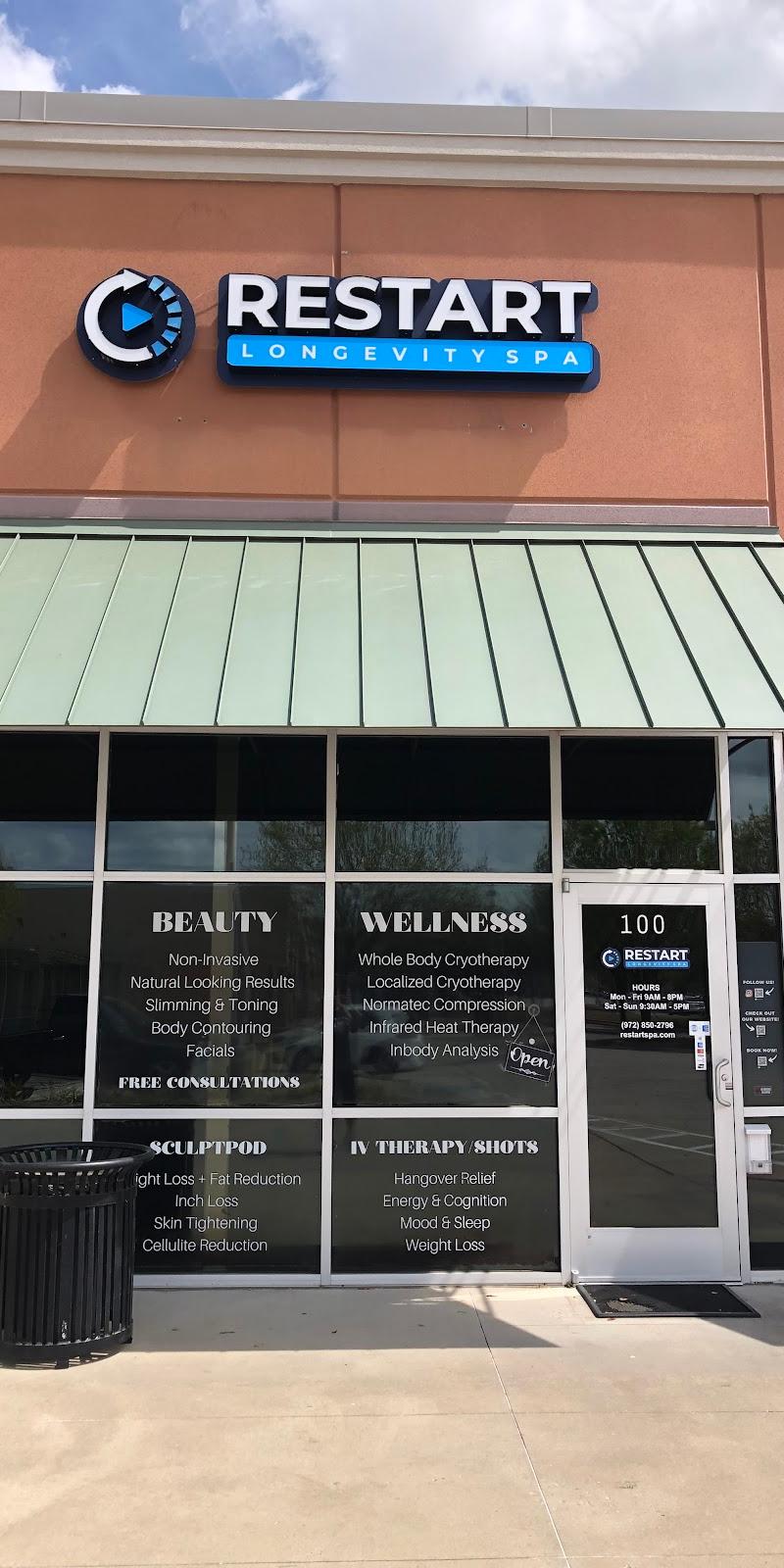
Guided weight loss, real recovery, and longevity care at Restart Lewisville.
CryotherapyInfrared saunaCold plungeCompression therapy+3
PLUNJ Provo
Provo, UT
5.0· 530 Google reviews
Nordic-inspired contrast therapy studio combining sauna and cold plunge experiences to help you feel better.
Cold plungeInfrared sauna
Therapeutic Massage & Wellness, LLC.
Newtown · Newtown, CT
5.0· 469 Google reviews
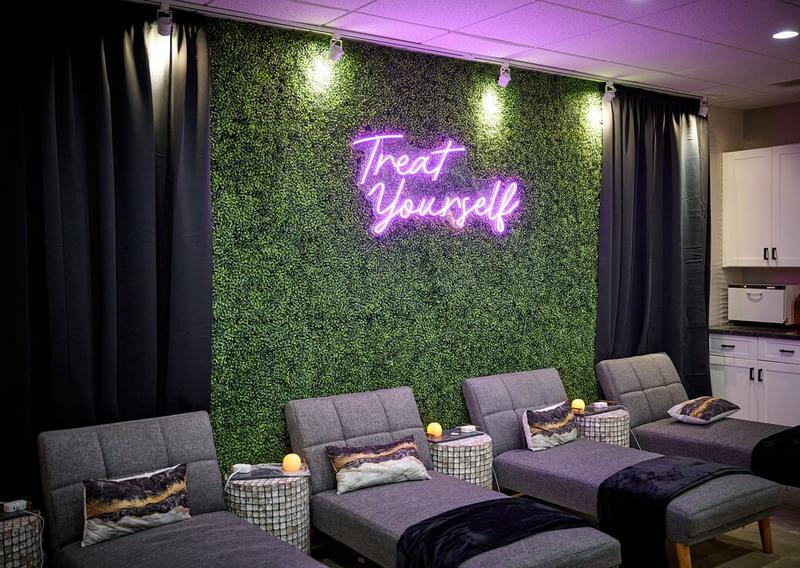
Day Spa in Newtown, CT Therapeutic Massage & Wellness
Cold plungeRed light therapyFloat therapyCompression therapy+1
Frequently asked questions
Is cold water immersion good for anxiety?
Early evidence and anecdotal reports are encouraging. The practice may help by training the nervous system to tolerate stress responses and by raising dopamine and norepinephrine. It's not a standalone treatment, but many people find it a useful complement to other anxiety-management tools. As with any health practice, consult a professional if anxiety is significantly impacting your daily life.
How does a cold plunge affect cortisol?
Cold exposure causes an acute cortisol spike during the session, a normal stress response. With regular practice, some people experience lower baseline cortisol levels over time, likely because the nervous system becomes better calibrated. The short-term spike is not harmful in healthy people, but those with cortisol-related conditions should check with a doctor before starting.
How long should I cold plunge for mental health benefits?
Two to four minutes, two to four times a week, is the range most practitioners describe for mood and anxiety benefits. Longer or colder doesn't automatically mean more benefit for mental health: consistency over weeks matters more than single-session duration.
Can cold plunging help with depression?
Some people report mood improvements that may help with low mood, likely via the sustained dopamine elevation and stress-inoculation effect. The research is early and mostly anecdotal, however, and cold plunging is not a treatment for clinical depression: anyone experiencing depression should work with a qualified mental health professional.
What breathing technique should I use during a cold plunge?
Slow, controlled breathing with long exhales is the key. The cold triggers a gasp reflex and rapid breathing; consciously slowing your breath, especially extending the exhale, activates the parasympathetic system and helps you stay calm. Avoid hyperventilation or breath-holding techniques while submerged, which can be dangerous in water.
Does cold plunging release endorphins?
Cold exposure reliably raises dopamine and norepinephrine, and many people describe a post-plunge mood lift consistent with endorphin and catecholamine release. This neurochemical shift is one of the most commonly reported reasons people return to the practice for stress and anxiety management.
Want cold plunge as part of a full plan?
Cold plunge for anxiety is one input. The quiz asks how you train and how you sleep, then puts it in an order — which modality, on which day, and what it should sit next to.