Loading…
Cold plunge · for inflammation
Cold plunge for inflammation: acute vs. chronic, and what cold actually does
Cold immersion has a real anti-inflammatory effect, but the type of inflammation matters enormously. Understanding the difference between post-exercise acute inflammation and chronic systemic inflammation changes how you should think about using a cold plunge.
814
studios listed
443
cities
Inflammation is not a single process. Acute inflammation, the redness, swelling, and heat after an injury or intense workout, is the body's repair crew arriving on scene. Chronic, low-grade systemic inflammation is a different thing entirely: a background simmer driven by factors like poor sleep, stress, diet, and metabolic dysfunction. Cold water relates to these two very differently.
For acute inflammation, the mechanism is straightforward. Vasoconstriction reduces blood flow to the affected area, limiting the accumulation of inflammatory mediators. This is why ice on a sprained ankle has been standard practice for generations. Cold-water immersion applies the same principle body-wide, which is why athletes use it after training to reduce swelling and speed functional recovery. The Cochrane review of cold-water immersion for muscle soreness after exercise (Bleakley et al., Cochrane Database of Systematic Reviews, 2012, CD008262) found reduced soreness after immersion compared with rest, while rating the underlying trials as low quality.
The norepinephrine connection
Cold exposure causes a significant release of norepinephrine, a catecholamine that acts as both a neurotransmitter and a hormone. Among its effects, norepinephrine has documented anti-inflammatory signaling properties. It suppresses the production of certain pro-inflammatory cytokines and may reduce activity in inflammatory pathways.
This is the mechanism most often cited for cold plunging's effect on systemic inflammation markers such as C-reactive protein. Some regular cold-plunge practitioners show lower CRP and IL-6 levels over time. These are associations rather than settled cause and effect: the standing review of voluntary cold-water exposure (Esperland, de Weerd and Mercer, International Journal of Circumpolar Health, 2022) describes much of this literature as small, heterogeneous, and confounded by lifestyle differences, and concludes the health effects remain a subject of debate. Cold plunging is not therapy for a chronic inflammatory condition. Anyone managing one, such as arthritis, IBD, or an autoimmune condition, should talk with their physician before adding cold exposure.
Where cold plunge fits in an anti-inflammatory approach
- Best documented use: post-exercise inflammation (DOMS, acute swelling, tissue repair after training).
- Plausible but less well established: reducing low-grade systemic inflammatory markers as part of a consistent cold-exposure practice.
- Not a substitute for: addressing root causes of chronic inflammation, including sleep, diet, stress, and underlying conditions.
- Use caution with: severe acute tissue injury in the first 24 hours, open wounds, and certain cardiovascular conditions.
- Safety first: Praxium's evidence records rate cold-shock and cardiovascular stress from cold-water immersion as a strong-evidence concern, and rate combining hyperventilation or breath-holding with immersion as something to never do.
Praxium organizes goal-based recovery sequencing — this is not medical advice. Check contraindications with a qualified professional before starting any modality.
Is cold plunge right for you?
Cold plunge is popular with athletes and active individuals managing post-workout soreness, as well as people seeking a natural mood boost, stress adaptation, or mental resilience tool.
Wellness guidance, not medical advice.
Often a great fit if…
Anyone curious about deliberate cold exposure as a wellness practice will find a studio cold plunge is the cleanest and most controlled way to start.
Worth a quick check first if…
People with cardiovascular disease, Raynaud's disease, uncontrolled hypertension, or who are pregnant should consult a clinician before cold plunging. Those who are acutely ill or have open wounds should avoid cold-water immersion until cleared by a healthcare provider.
What a first session feels like
A typical studio session lasts two to ten minutes at water temperatures between 45°F and 59°F. The first thirty seconds are the most challenging, an intense cold shock and strong urge to exit, which subsides as breathing normalizes and the body adjusts. Most people notice a sustained energy lift and sense of calm within minutes of finishing.
Where to try it
Try cold plunge near you
814 studios listed across 443 cities.
PLUNJ Salt Lake
South Salt Lake, UT
5.0· 699 Google reviews
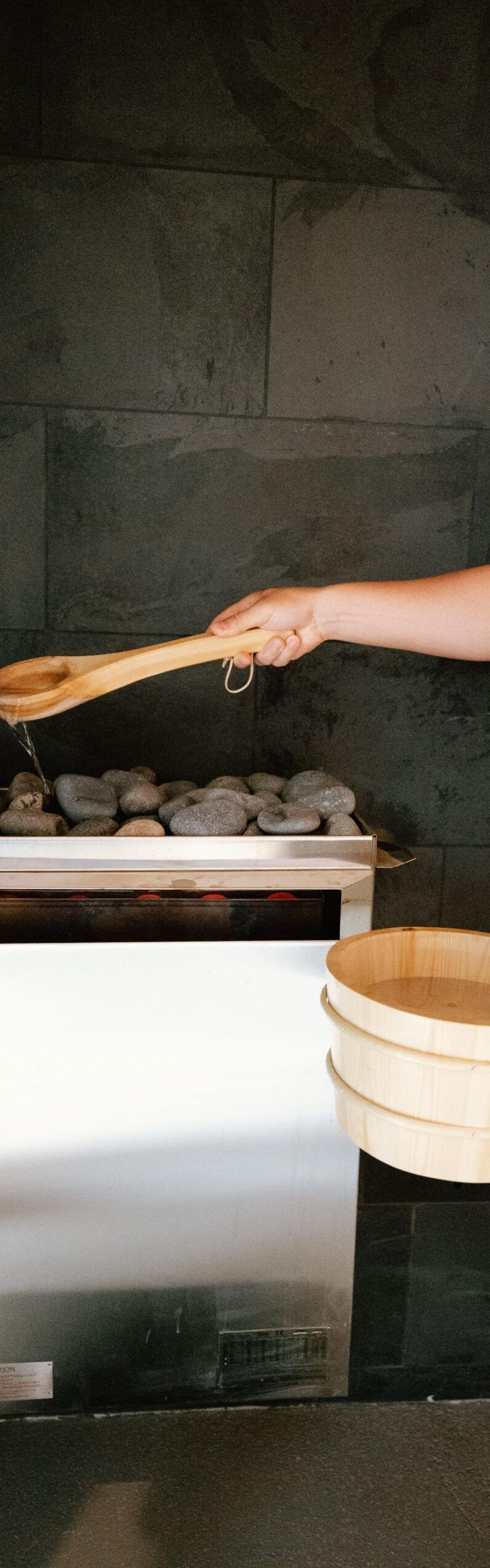
Nordic-inspired contrast therapy studio featuring a 194º F dry sauna and 50º F cold plunge pool, with Scandinavian bucket showers and communal lounge areas for group or private sessions.
Cold plungeInfrared sauna
Blissful Waters Float Center
Spring, TX
5.0· 645 Google reviews
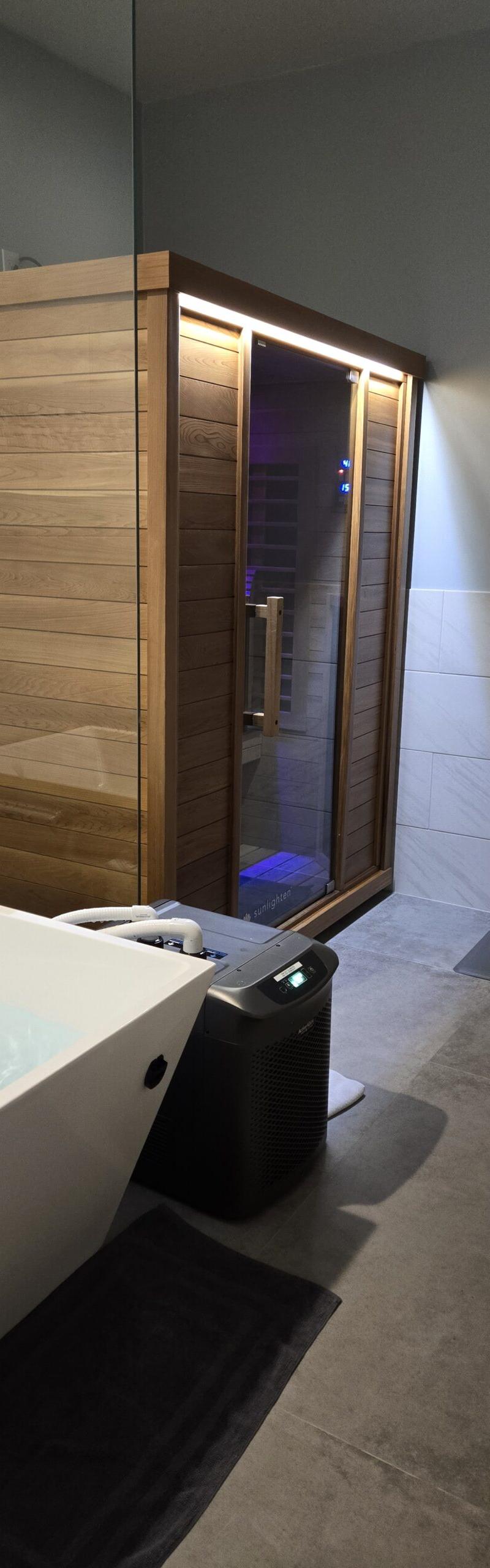
Float and recovery wellness center featuring sensory-deprivation float therapy, infrared sauna, cold plunge, and PEMF modalities for stress relief and nervous system balance.
Float therapyInfrared saunaCold plungeRed light therapy+1
Huemn Optimization + Cryo Recovery
Vintage Park · Houston, TX
5.0· 599 Google reviews
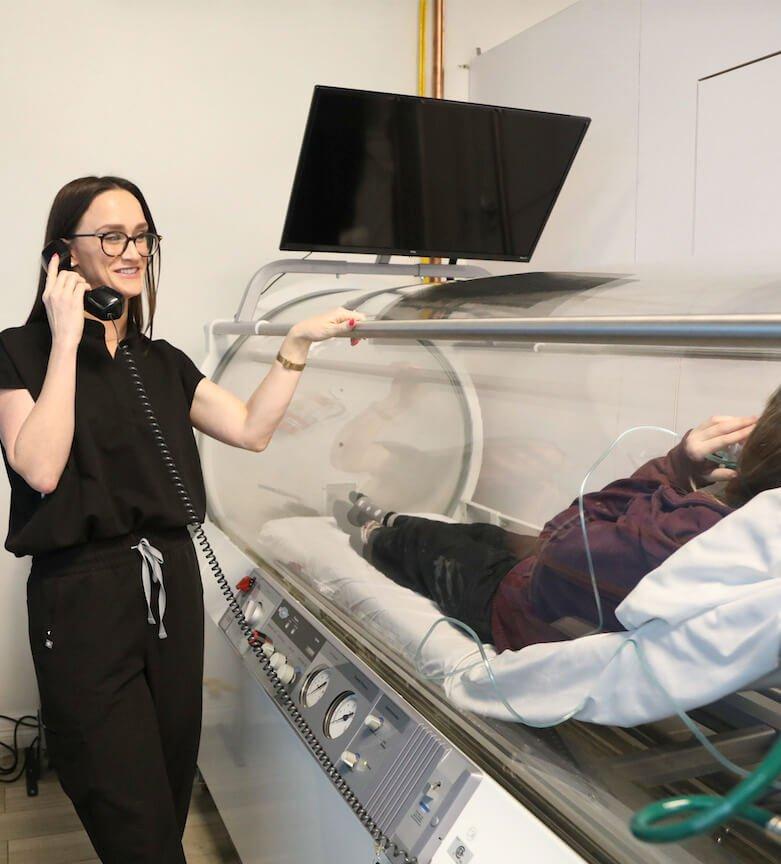
Functional medicine in Houston at Huemn.
Cold plungeCryotherapyInfrared saunaRed light therapy+5
Restart Longevity Spa
Lewisville, TX
5.0· 534 Google reviews
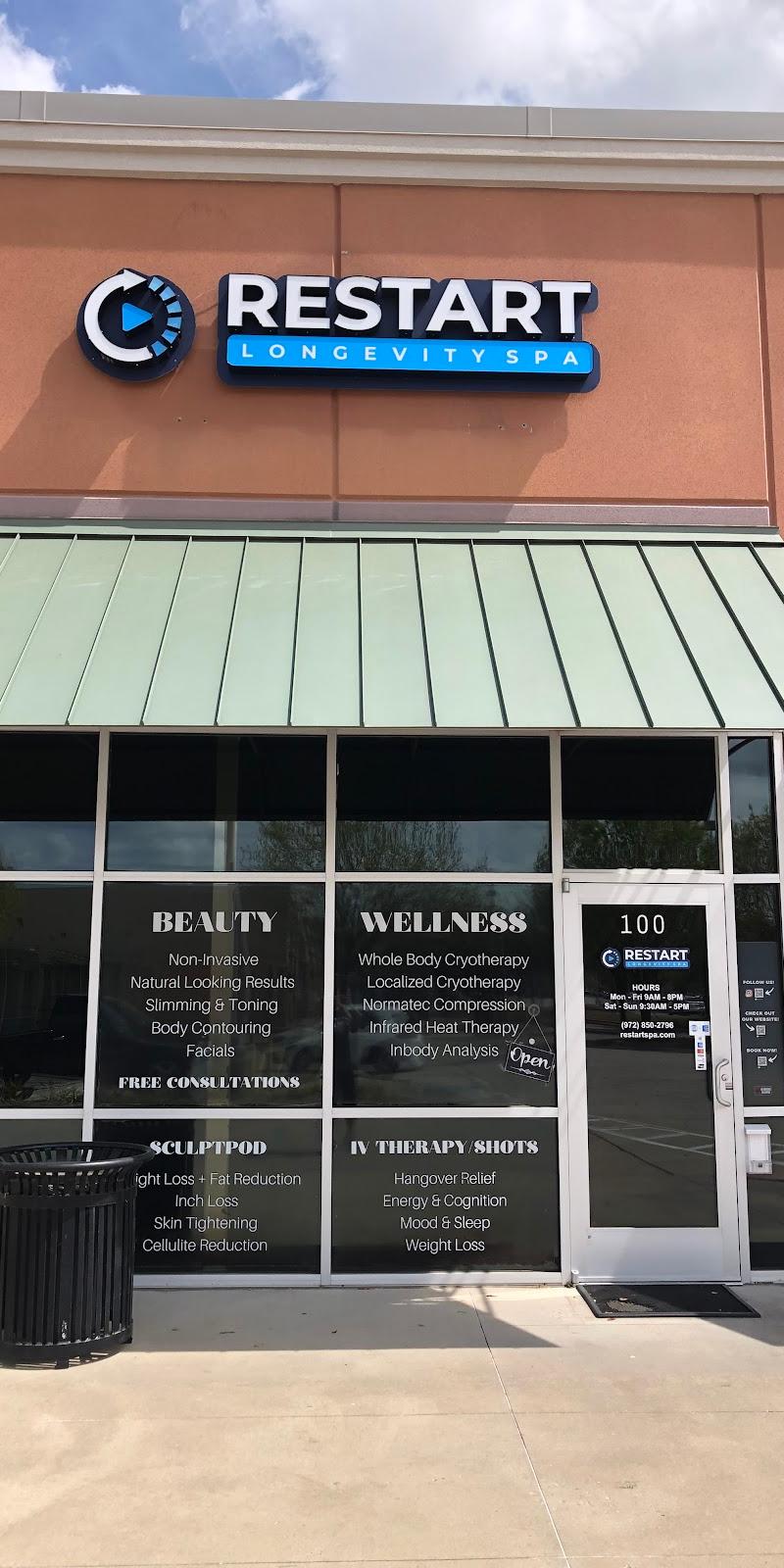
Guided weight loss, real recovery, and longevity care at Restart Lewisville.
CryotherapyInfrared saunaCold plungeCompression therapy+3
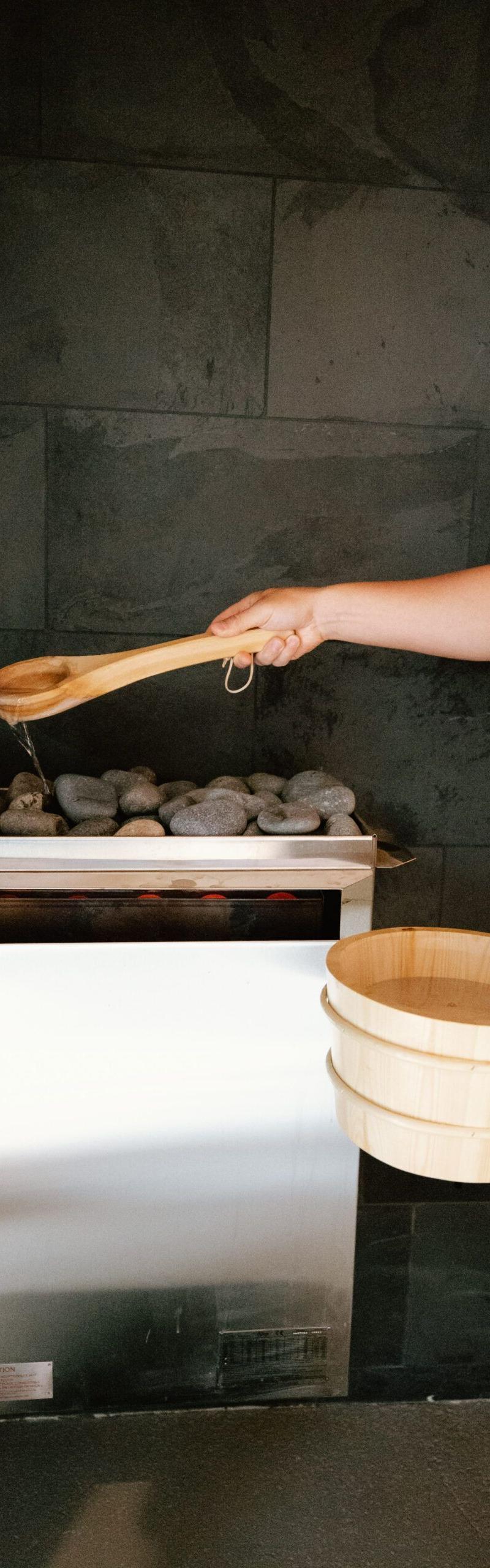
PLUNJ Provo
Provo, UT
5.0· 530 Google reviews
Nordic-inspired contrast therapy studio combining sauna and cold plunge experiences to help you feel better.
Cold plungeInfrared sauna
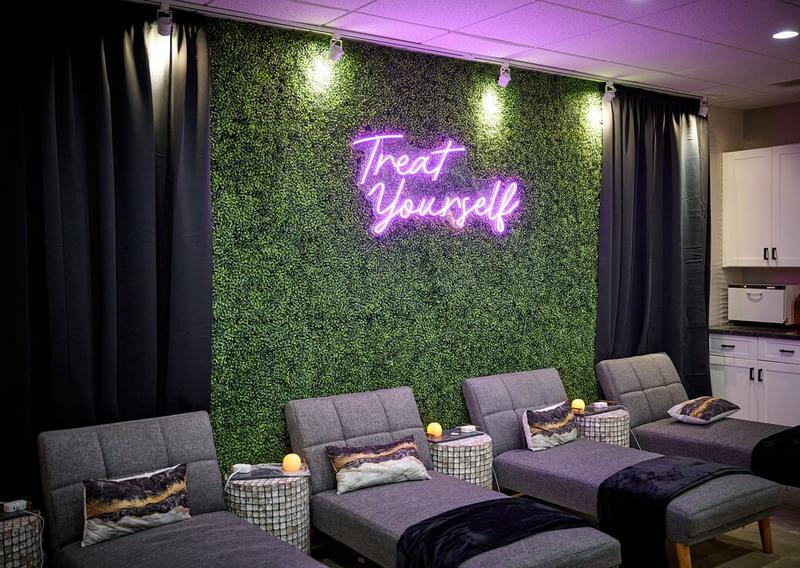
Therapeutic Massage & Wellness, LLC.
Newtown · Newtown, CT
5.0· 469 Google reviews
Day Spa in Newtown, CT Therapeutic Massage & Wellness
Cold plungeRed light therapyFloat therapyCompression therapy+1
Frequently asked questions
Does cold water reduce inflammation?
Yes for acute post-exercise inflammation: vasoconstriction and reduced accumulation of pro-inflammatory mediators are well described, and the 2012 Cochrane review (Bleakley et al., CD008262) found reduced soreness versus rest, on low-quality trial evidence. For chronic systemic inflammation the evidence is more preliminary. Regular cold exposure may lower some inflammatory markers, but it is not therapy for an inflammatory condition.
Is cold plunge anti-inflammatory?
It has anti-inflammatory properties, primarily through vasoconstriction and norepinephrine signaling. These effects are most reliable for exercise-induced inflammation. Cold immersion is not a substitute for medical care of an inflammatory condition.
How long should I cold plunge for inflammation?
For post-exercise inflammation, 10–15 minutes at 50–59°F is the range most often used in athlete recovery protocols. For general wellness, 2–5 minutes at typical studio temperatures (45–55°F) captures most of the acute nervous-system response.
Can cold plunging help with arthritis pain?
Cold can temporarily reduce joint pain and swelling through vasoconstriction and a numbing effect, which is why cold application is long-standing practice for inflamed joints. That is symptom relief rather than disease management, so anyone with arthritis should use cold therapy alongside, not instead of, their physician's plan.
Does cold plunging boost the immune system?
Some studies associate regular cold exposure with modest changes in immune cell activity and fewer self-reported sick days, but the evidence is preliminary and the 2022 International Journal of Circumpolar Health review considers the area unsettled. Any immune effect is likely a downstream result of reduced inflammation and stress adaptation rather than a direct immune 'boost.'
Are there side effects of cold plunging for inflammation?
For most healthy people, side effects are minor: cold shock, numbness, or shivering if sessions run too long. The main caution is for people with cardiovascular conditions or Raynaud's, since cold causes a sharp blood-pressure and heart-rate response. Check with a physician before starting if you have any heart or circulatory condition, and never combine breath-holding or hyperventilation with immersion.
Want cold plunge as part of a full plan?
Cold plunge for inflammation is one input. The quiz asks how you train and how you sleep, then puts it in an order — which modality, on which day, and what it should sit next to.