Loading…
Cold plunge · for muscle recovery
Cold plunge for muscle recovery: the benefits, the timing trade-off, and what athletes should know
Cold-water immersion is a go-to recovery tool for athletes and gym-goers, but the timing question has a real answer that most people get wrong. Here's the physiology, the evidence, and how to use it based on what your training actually demands.
814
studios listed
443
cities
When you train hard, muscle fibers develop microtears and flood the surrounding tissue with inflammatory signals. That inflammation is a necessary part of adaptation, but the side effects (soreness, stiffness, reduced range of motion) can slow your next session. Cold water addresses the symptoms by constricting blood vessels, reducing fluid accumulation in the tissue, and blunting the acute pain response.
The rewarming phase matters as much as the cold itself. As your body drives blood back to the muscles to restore core temperature, metabolic byproducts such as lactate and the markers of muscle damage clear more efficiently. The net result for most people is reduced DOMS severity and a faster return to full training load. This is the best-supported use of cold plunging: the Cochrane review of cold-water immersion for muscle soreness after exercise (Bleakley et al., Cochrane Database of Systematic Reviews, 2012, CD008262) found reduced soreness compared with rest across the included trials, while rating those trials as low quality.
The hypertrophy trade-off: when NOT to cold plunge after a workout
Here's where the science gets nuanced. The same inflammatory cascade that causes soreness also signals muscle protein synthesis, the process that makes you stronger and bigger. Controlled research found that cold-water immersion immediately after resistance training attenuated acute anabolic signaling and long-term strength and hypertrophy adaptations (Roberts et al., The Journal of Physiology, 2015).
For athletes primarily chasing strength or muscle size, many coaches now recommend waiting at least four to six hours after a lifting session before plunging, or reserving cold immersion for non-lifting days. For endurance athletes such as runners, cyclists, and triathletes, where hypertrophy is secondary to recovery speed, plunging sooner after training is generally the right call. Praxium's evidence records file this as a timing- and goal-specific caution rather than a reason to skip cold plunging altogether, since it does not negate the short-term soreness relief.
Practical protocol for recovery-focused plunging
- Temperature: 50–59°F (10–15°C) is the sweet spot most cited in recovery research; colder is not necessarily more effective.
- Duration: 10–15 minutes at the higher end of the temperature range, or 5–10 minutes at colder temperatures.
- Timing: for endurance training, within 30 minutes post-session; for strength training, consider a rest day or an evening session several hours later.
- Frequency: 2–4 times per week aligned with your hardest training days.
- Do not: stretch aggressively immediately before or during a plunge, since cold tissue is less pliable and more injury-prone.
- Never combine hyperventilation or breath-holding with immersion, and screen for cardiovascular conditions first. Praxium's evidence records rate both cold-shock cardiovascular stress and the breath-holding rule as strong-evidence safety points.
Praxium organizes goal-based recovery sequencing — this is not medical advice. Check contraindications with a qualified professional before starting any modality.
Is cold plunge right for you?
Cold plunge is popular with athletes and active individuals managing post-workout soreness, as well as people seeking a natural mood boost, stress adaptation, or mental resilience tool.
Wellness guidance, not medical advice.
Often a great fit if…
Anyone curious about deliberate cold exposure as a wellness practice will find a studio cold plunge is the cleanest and most controlled way to start.
Worth a quick check first if…
People with cardiovascular disease, Raynaud's disease, uncontrolled hypertension, or who are pregnant should consult a clinician before cold plunging. Those who are acutely ill or have open wounds should avoid cold-water immersion until cleared by a healthcare provider.
What a first session feels like
A typical studio session lasts two to ten minutes at water temperatures between 45°F and 59°F. The first thirty seconds are the most challenging, an intense cold shock and strong urge to exit, which subsides as breathing normalizes and the body adjusts. Most people notice a sustained energy lift and sense of calm within minutes of finishing.
Where to try it
Try cold plunge near you
814 studios listed across 443 cities.
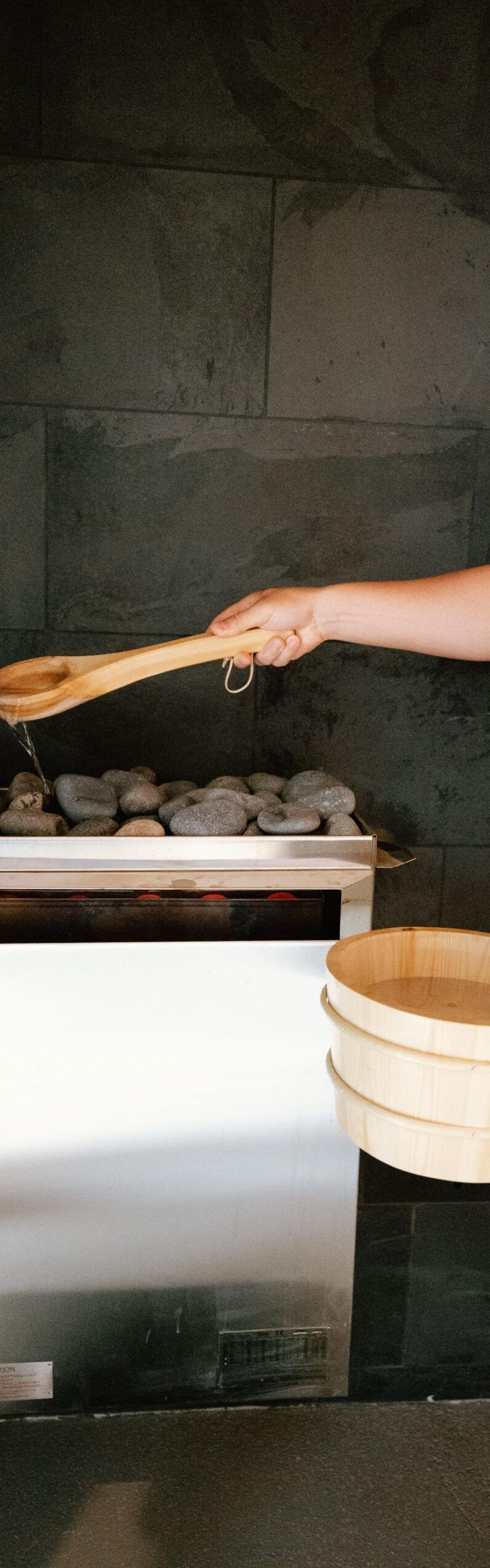
PLUNJ Salt Lake
South Salt Lake, UT
5.0· 699 Google reviews
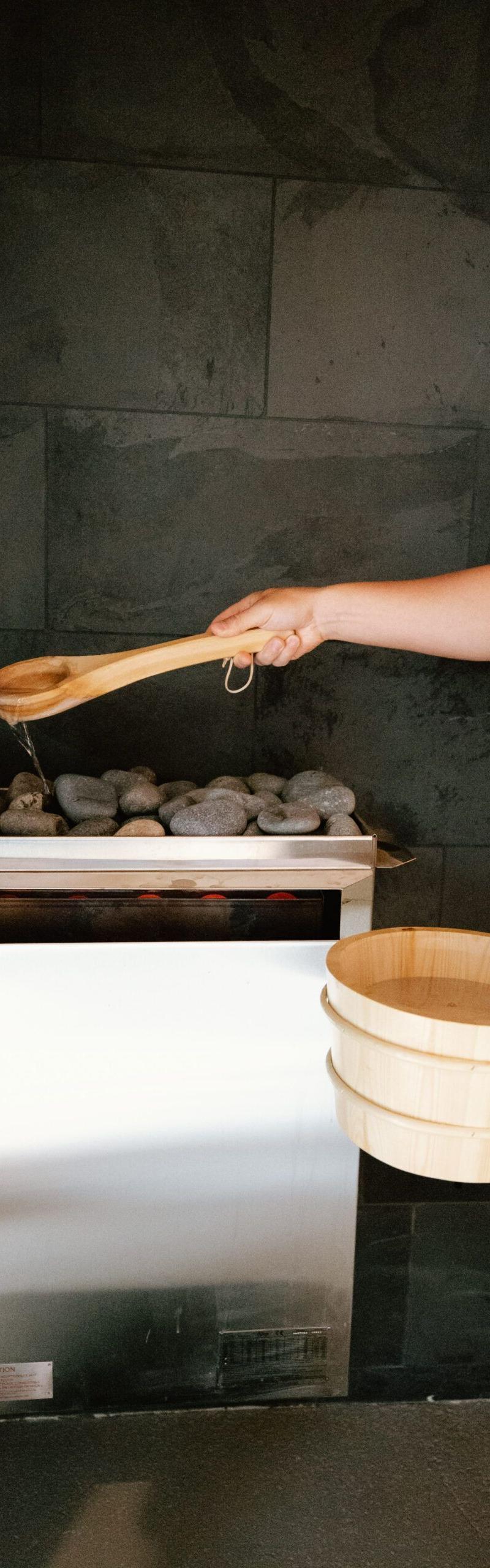
Nordic-inspired contrast therapy studio featuring a 194º F dry sauna and 50º F cold plunge pool, with Scandinavian bucket showers and communal lounge areas for group or private sessions.
Cold plungeInfrared sauna
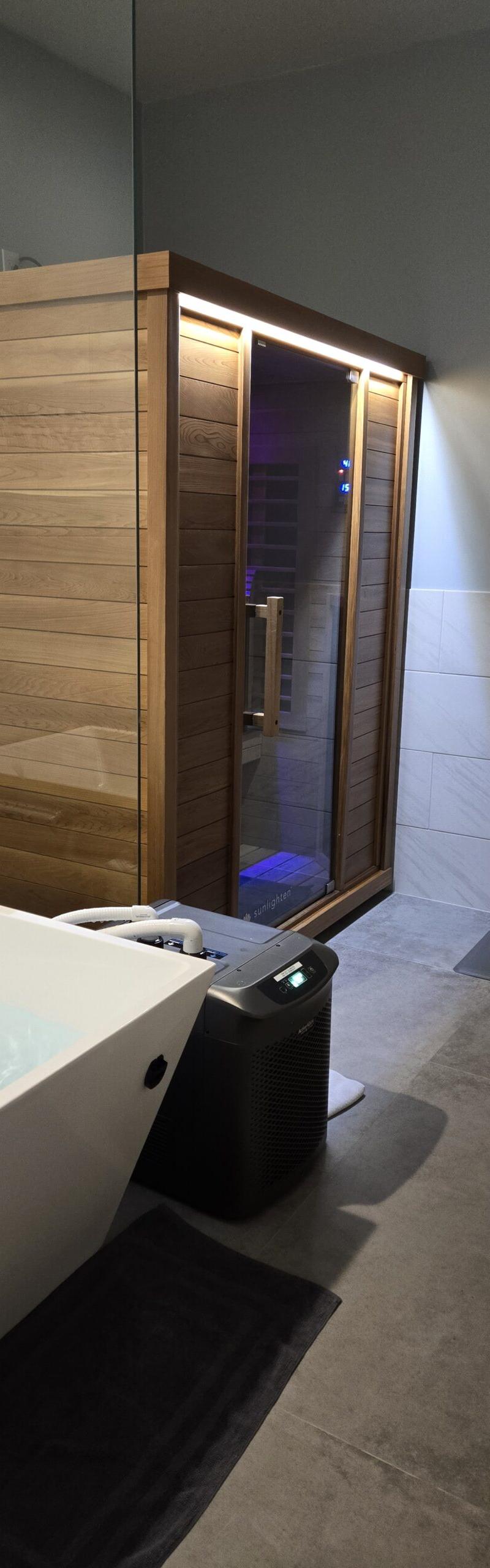
Blissful Waters Float Center
Spring, TX
5.0· 645 Google reviews
Float and recovery wellness center featuring sensory-deprivation float therapy, infrared sauna, cold plunge, and PEMF modalities for stress relief and nervous system balance.
Float therapyInfrared saunaCold plungeRed light therapy+1
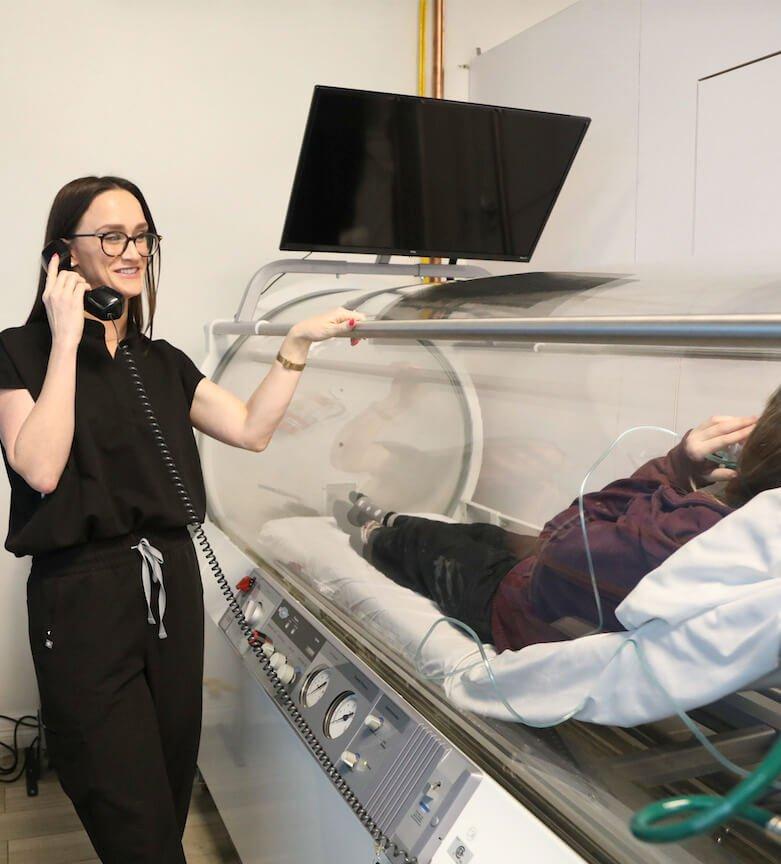
Huemn Optimization + Cryo Recovery
Vintage Park · Houston, TX
5.0· 599 Google reviews
Functional medicine in Houston at Huemn.
Cold plungeCryotherapyInfrared saunaRed light therapy+5
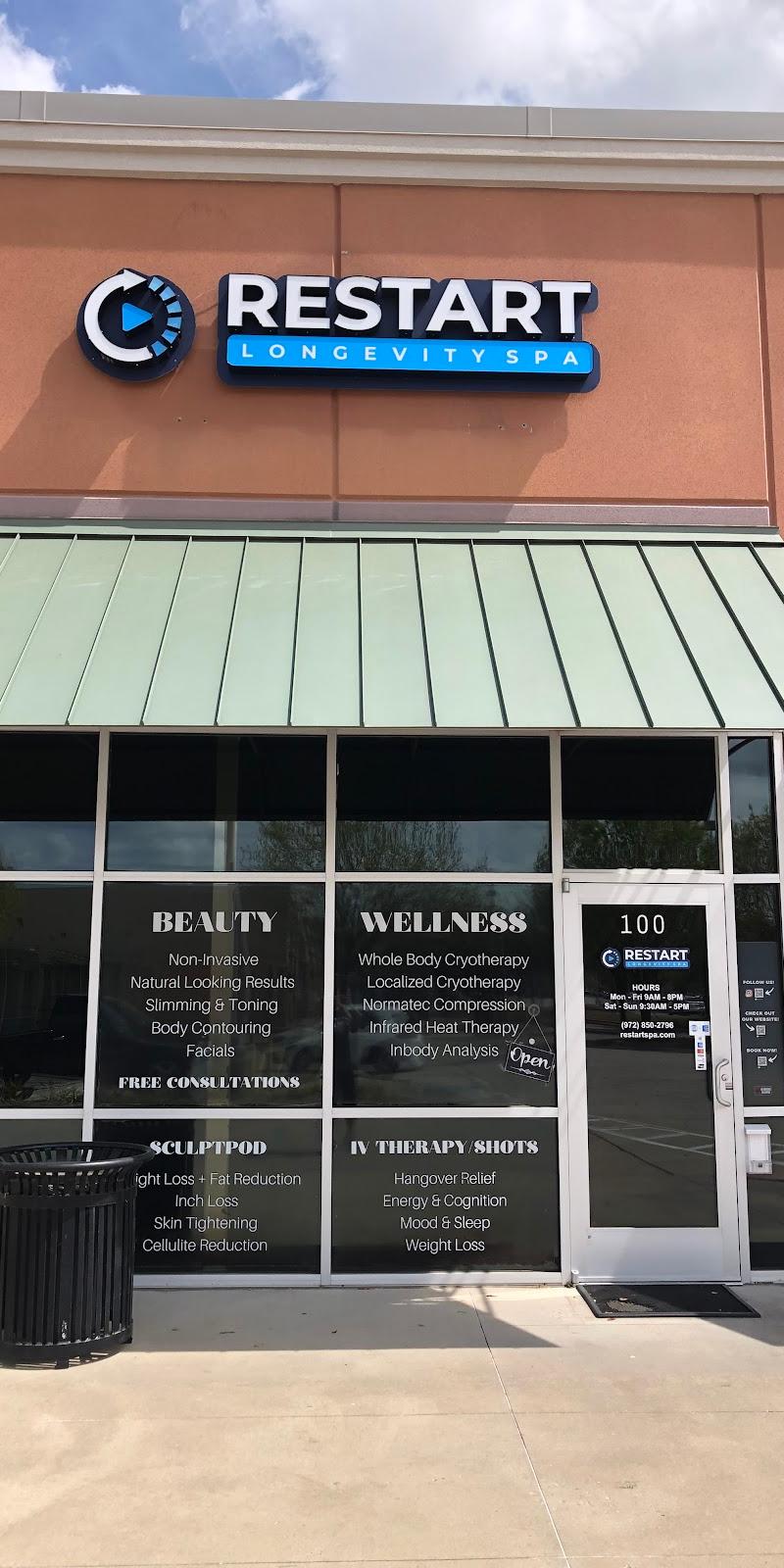
Restart Longevity Spa
Lewisville, TX
5.0· 534 Google reviews
Guided weight loss, real recovery, and longevity care at Restart Lewisville.
CryotherapyInfrared saunaCold plungeCompression therapy+3
PLUNJ Provo
Provo, UT
5.0· 530 Google reviews
Nordic-inspired contrast therapy studio combining sauna and cold plunge experiences to help you feel better.
Cold plungeInfrared sauna
Therapeutic Massage & Wellness, LLC.
Newtown · Newtown, CT
5.0· 469 Google reviews
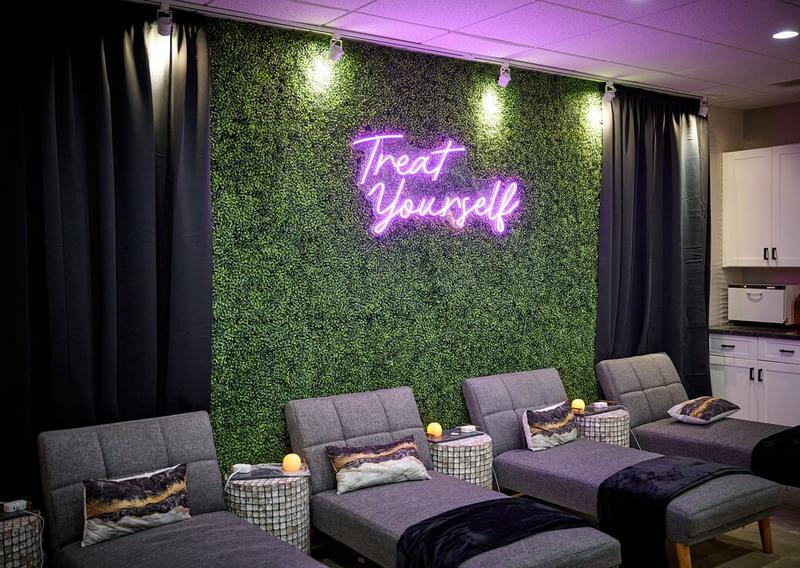
Day Spa in Newtown, CT Therapeutic Massage & Wellness
Cold plungeRed light therapyFloat therapyCompression therapy+1
Frequently asked questions
Does cold plunge help with DOMS?
Yes. Cold-water immersion reduces delayed-onset muscle soreness compared with passive rest across the trials pooled in the 2012 Cochrane review (Bleakley et al., CD008262), although that review rated the underlying trial quality as low. The effect is most reliable for endurance-type exercise; the picture is more mixed for heavy strength training, where adaptation signals matter.
Should I cold plunge before or after a workout?
For muscle recovery, after, though the timing depends on your goal. Endurance athletes can plunge soon after finishing. Strength athletes aiming for hypertrophy may do better to wait several hours or plunge on a rest day, to avoid blunting the signals that drive muscle growth (Roberts et al., The Journal of Physiology, 2015).
How cold should the water be for muscle recovery?
Most recovery-focused protocols target 50–59°F (10–15°C). Very cold water (below 46°F) doesn't produce meaningfully better results and increases the risk of cold shock and discomfort that shortens session duration.
How long should I stay in a cold plunge for recovery?
For recovery, 10–15 minutes at 50–59°F or 5–10 minutes at colder temperatures is typical. The goal is cumulative cold exposure, not maximum discomfort, and there's no recovery advantage to pushing well past these ranges.
How many times a week should I cold plunge for recovery?
Two to four sessions per week, aligned with your hardest training days, is a common approach. More frequent plunging is generally well tolerated but offers diminishing returns, and strength athletes should be mindful of plunging too soon after every lifting session.
What is the 11-minute cold plunge protocol?
The figure of roughly 11 minutes per week of total cold exposure, spread across several sessions, comes from a body of cold-exposure research popularized by neuroscientist Andrew Huberman. It's a weekly volume target rather than a single-session length, for example three to four plunges of 2–4 minutes each. Read it as a rule of thumb drawn from small and observational studies rather than a validated dose.
Want cold plunge as part of a full plan?
Cold plunge for muscle recovery is one input. The quiz asks how you train and how you sleep, then puts it in an order — which modality, on which day, and what it should sit next to.