Loading…
Cold plunge · for sleep
Cold plunge for sleep: what the science says, and how to time it
Cold-water immersion is one of the most-searched recovery tools for better sleep, but timing matters more than most people realize. Here's how it works and how to use it without backfiring on your night.
814
studios listed
443
cities
The connection between cold exposure and sleep runs through your nervous system and core body temperature. A cold plunge triggers a sharp sympathetic ('fight or flight') response: a spike in norepinephrine, faster breathing, heightened alertness. That sounds like the opposite of sleep, and immediately after a plunge, it is.
The sleep benefit comes later. After the initial jolt, the body works to rewarm, and core temperature drops in the hours that follow. A falling core temperature is one of the strongest physiological cues for sleep onset: it's the same mechanism behind why a warm bath before bed helps you fall asleep faster.
The best time of day to cold plunge for sleep
For most people, morning or early-afternoon plunges support sleep best: you get the alertness benefit when you want it, and the downstream core-temperature drop lands by bedtime.
Plunging within an hour or two of bed is more individual. The acute adrenaline spike can keep some people wired, while others find the rebound relaxation helps them wind down. If you plunge at night, keep it short and finish with enough time to fully rewarm and calm down before lying down.
How to actually do it
- Temperature: most studios run cold plunges between 45–55°F (7–13°C).
- Duration: 2–5 minutes is typical; you do not need to push to discomfort for the nervous-system effect.
- Frequency: 3–5 sessions a week is a common cadence for recovery and sleep support.
- Pair it: many people stack a cold plunge with sauna (contrast therapy), ending on cold for alertness, or ending on heat closer to bed for wind-down.
Praxium organizes goal-based recovery sequencing — this is not medical advice. Check contraindications with a qualified professional before starting any modality.
Is cold plunge right for you?
Cold plunge is popular with athletes and active individuals managing post-workout soreness, as well as people seeking a natural mood boost, stress adaptation, or mental resilience tool.
Wellness guidance, not medical advice.
Often a great fit if…
Anyone curious about deliberate cold exposure as a wellness practice will find a studio cold plunge is the cleanest and most controlled way to start.
Worth a quick check first if…
People with cardiovascular disease, Raynaud's disease, uncontrolled hypertension, or who are pregnant should consult a clinician before cold plunging. Those who are acutely ill or have open wounds should avoid cold-water immersion until cleared by a healthcare provider.
What a first session feels like
A typical studio session lasts two to ten minutes at water temperatures between 45°F and 59°F. The first thirty seconds are the most challenging, an intense cold shock and strong urge to exit, which subsides as breathing normalizes and the body adjusts. Most people notice a sustained energy lift and sense of calm within minutes of finishing.
Where to try it
Try cold plunge near you
814 studios listed across 443 cities.
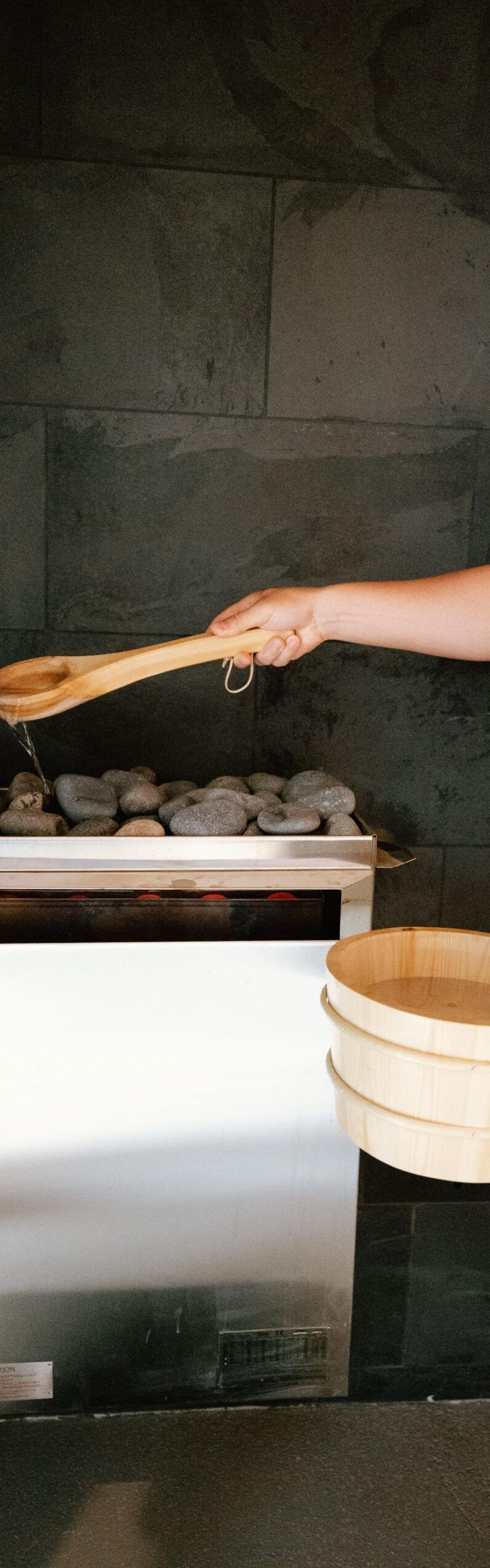
PLUNJ Salt Lake
South Salt Lake, UT
5.0· 699 Google reviews
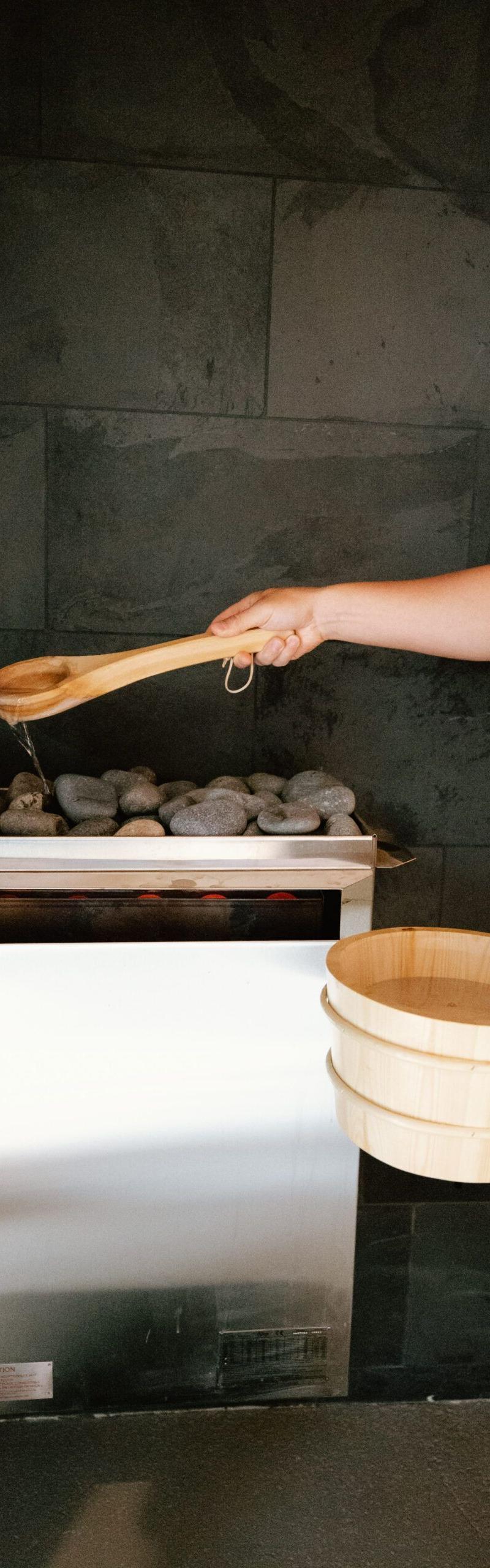
Nordic-inspired contrast therapy studio featuring a 194º F dry sauna and 50º F cold plunge pool, with Scandinavian bucket showers and communal lounge areas for group or private sessions.
Cold plungeInfrared sauna
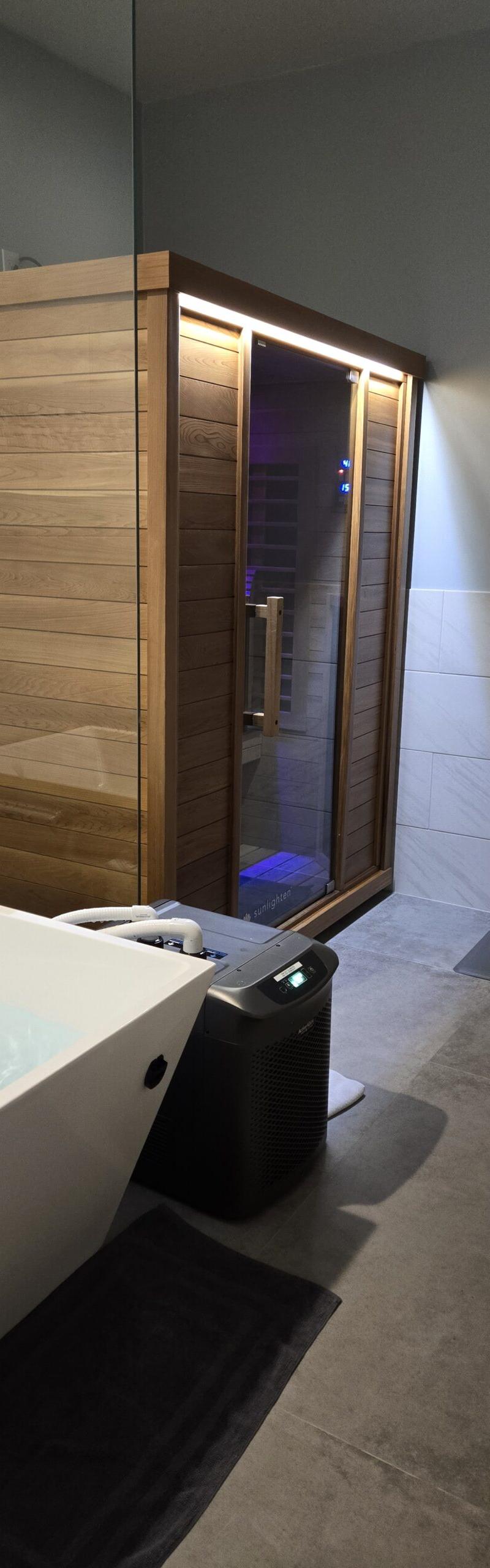
Blissful Waters Float Center
Spring, TX
5.0· 645 Google reviews
Float and recovery wellness center featuring sensory-deprivation float therapy, infrared sauna, cold plunge, and PEMF modalities for stress relief and nervous system balance.
Float therapyInfrared saunaCold plungeRed light therapy+1
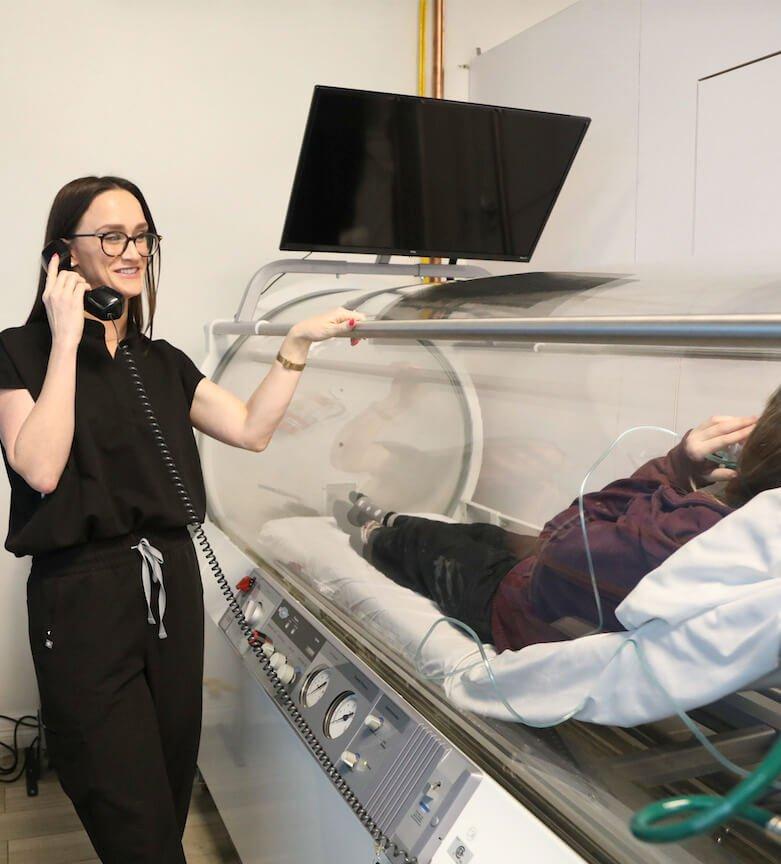
Huemn Optimization + Cryo Recovery
Vintage Park · Houston, TX
5.0· 599 Google reviews
Functional medicine in Houston at Huemn.
Cold plungeCryotherapyInfrared saunaRed light therapy+5
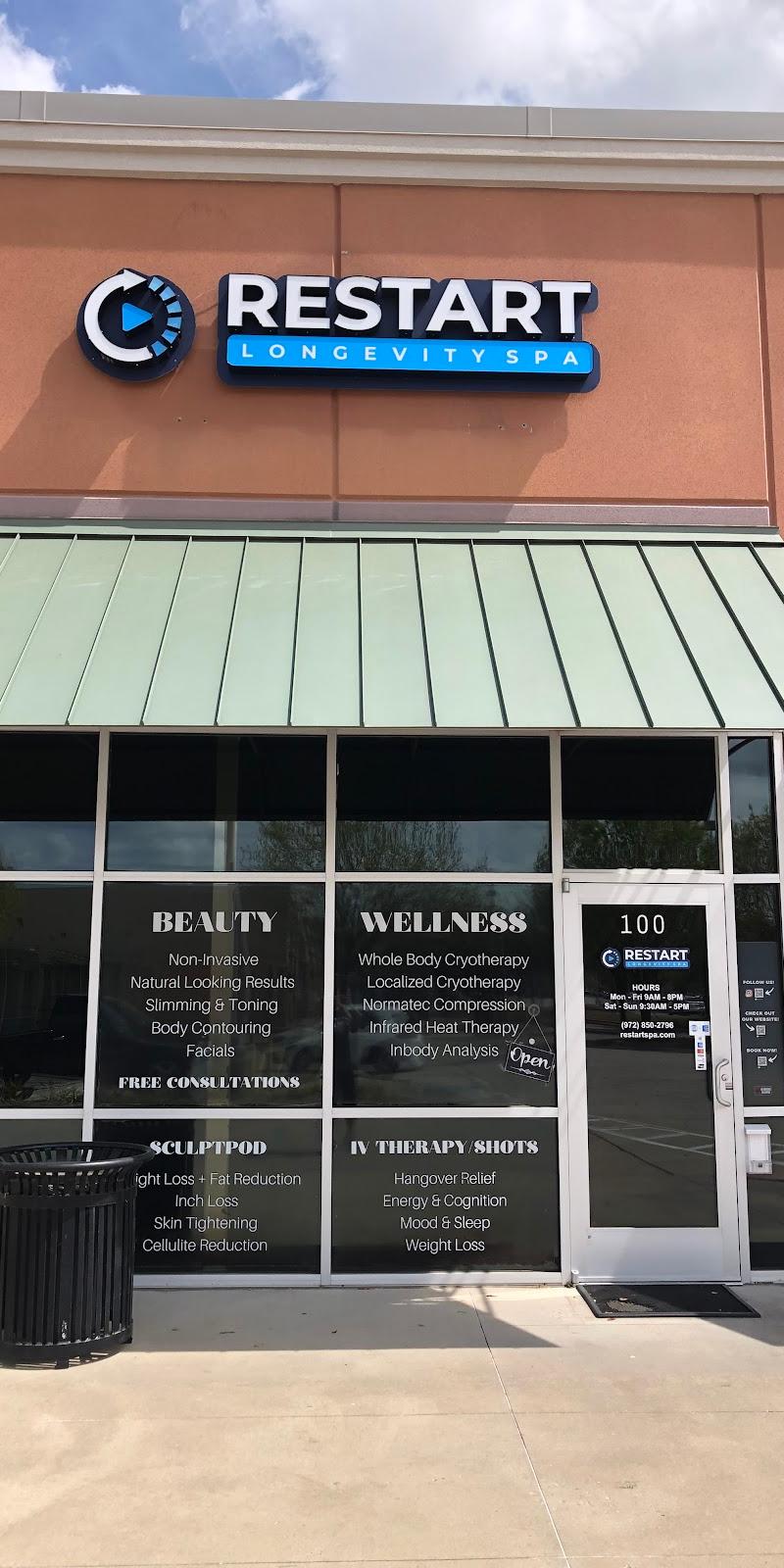
Restart Longevity Spa
Lewisville, TX
5.0· 534 Google reviews
Guided weight loss, real recovery, and longevity care at Restart Lewisville.
CryotherapyInfrared saunaCold plungeCompression therapy+3
PLUNJ Provo
Provo, UT
5.0· 530 Google reviews
Nordic-inspired contrast therapy studio combining sauna and cold plunge experiences to help you feel better.
Cold plungeInfrared sauna
Therapeutic Massage & Wellness, LLC.
Newtown · Newtown, CT
5.0· 469 Google reviews
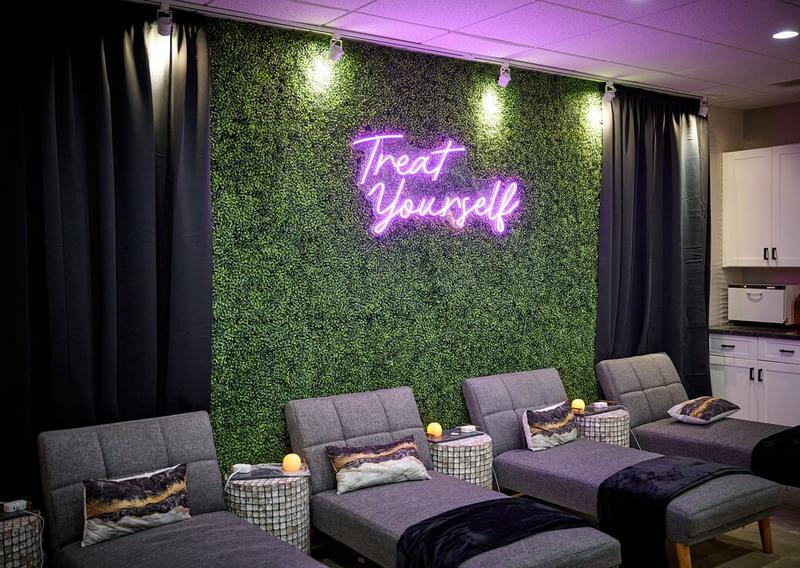
Day Spa in Newtown, CT Therapeutic Massage & Wellness
Cold plungeRed light therapyFloat therapyCompression therapy+1
Frequently asked questions
Does cold plunging before bed help or hurt sleep?
It depends on the person. The delayed drop in core body temperature can promote sleep, but the immediate adrenaline spike keeps some people alert. If you plunge at night, keep it brief and leave time to rewarm and relax before bed.
How long should a cold plunge be for sleep benefits?
Two to five minutes at 45–55°F is typical. The nervous-system and temperature effects don't require extreme durations, and longer isn't necessarily better.
Is a cold plunge or a warm bath better for sleep?
Both work via core-temperature drop. A warm bath is gentler and closer to bedtime; a cold plunge adds a daytime alertness and mood benefit. Many people use warm baths at night and cold plunges earlier in the day.
Should I cold plunge every day for better sleep?
Daily plunging is safe for most healthy people, but it isn't required for sleep benefits. Three to five sessions a week is a common cadence, and consistency over time matters more than daily frequency. Listen to your body: if a session leaves you wired into the evening, scale back or shift it earlier in the day.
How long until cold plunge sleep benefits kick in?
Some people notice better sleep the same night, driven by the post-plunge core-temperature drop. More consistent improvements in sleep quality typically build over a few weeks of regular practice as your nervous system adapts.
What happens to your body during a cold plunge?
Cold water triggers an immediate sympathetic 'fight or flight' response (a norepinephrine spike, faster breathing, and heightened alertness) followed by vasoconstriction. After you get out, the body rewarms and core temperature gradually falls, which is the mechanism most relevant to sleep.
Want cold plunge as part of a full plan?
Cold plunge for sleep is one input. The quiz asks how you train and how you sleep, then puts it in an order — which modality, on which day, and what it should sit next to.