Breathing oxygen-enriched air during exercise improves acute exercise performance
In a meta-analysis of 51 studies, exercising while breathing hyperoxic gas at sea level improved acute exercise performance across modes, with a large effect on time to exhaustion (g = 0.89), small-to-moderate effects on time trials (g = 0.56) and graded exercise tests (g = 0.40), and a small effect on dynamic muscle function (g = 0.28). An inspired oxygen fraction of 0.30 was sufficient.
How strong the finding is
Systematic review and meta-analysis of 51 manuscripts with consistent direction across four test modalities and a dose relationship (r = 0.47 to 0.63) between oxygen fraction and performance gain in most tests.
How it may work
Haemoglobin in a healthy person at sea level is already close to saturated, so added oxygen mostly raises the amount dissolved in plasma. During exercise this increases oxygen delivered to working muscle and reduces ventilatory drive at a given workload, which delays the point at which effort becomes intolerable.
What complicates this
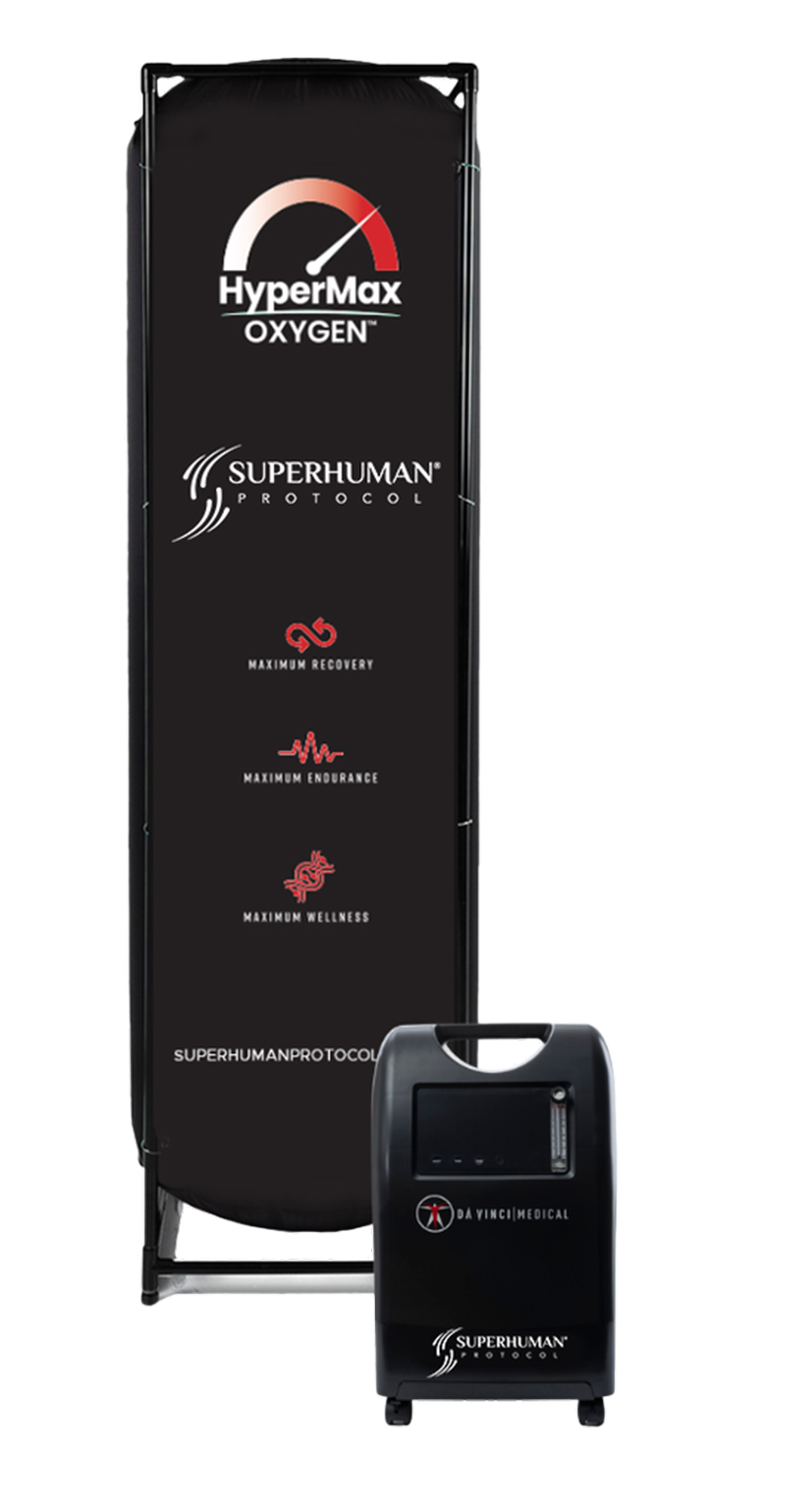
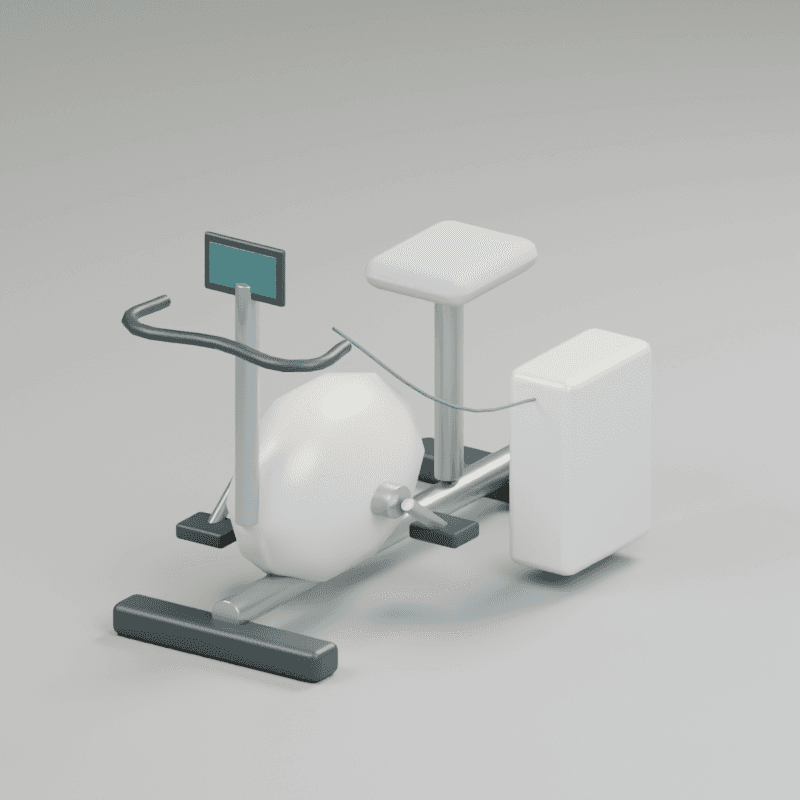
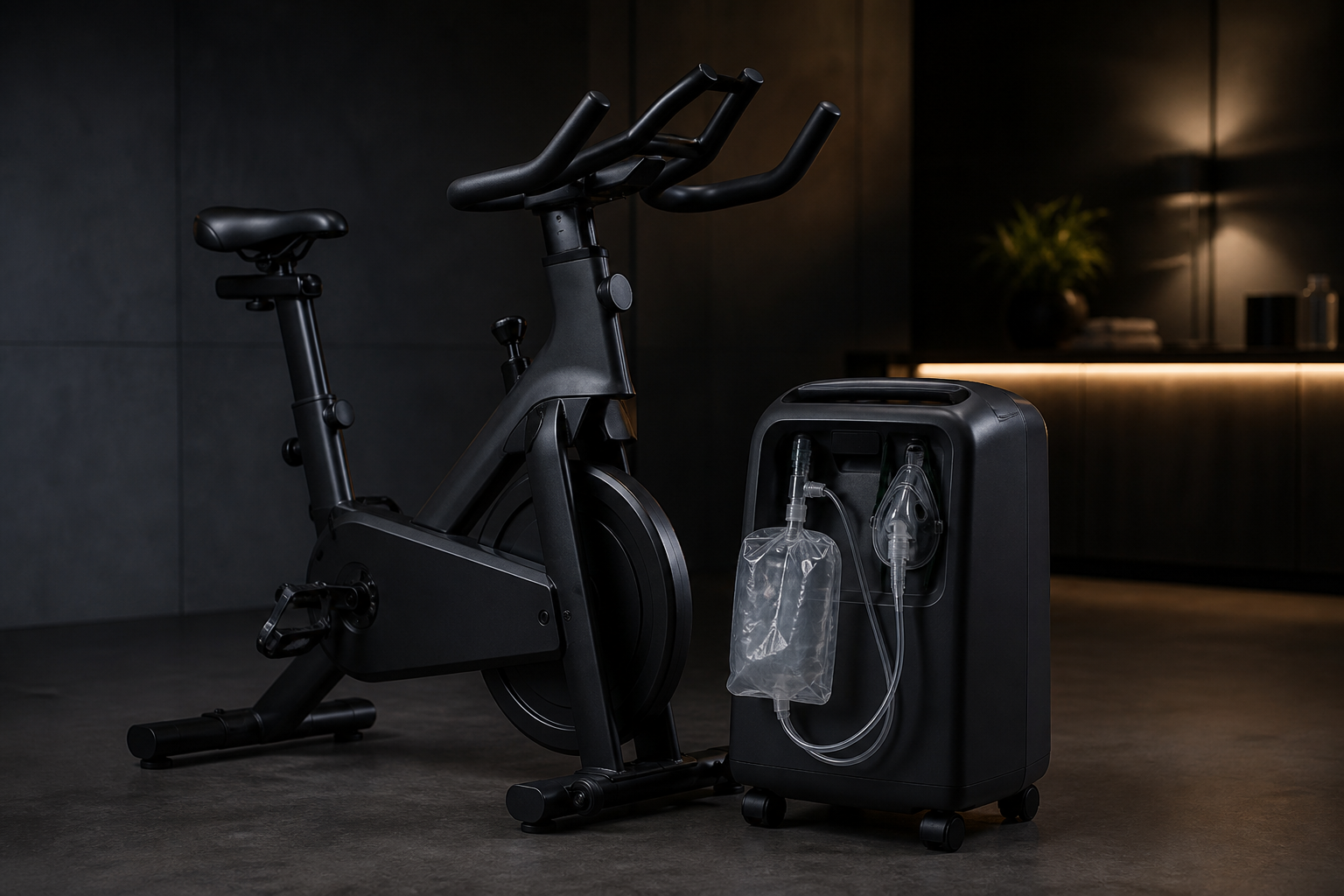
The effect is within-session, not an adaptation. It was measured in laboratory conditions with controlled inspired oxygen fraction. Studio EWOT delivers an unmeasured fraction through a bag-and-mask system, and effect sizes varied by test mode, with muscle function benefiting least.
Safety notes
Supports describing an EWOT session as feeling easier at a given workload. It does not support any claim about fitness gained, recovery accelerated, or health outcomes changed.
Source
The Effects of Hyperoxia on Sea-Level Exercise Performance, Training, and Recovery: A Meta-Analysis — Sports Medicine · 2018-01-01