Sham-controlled HIFEM plus radiofrequency increases abdominal muscle thickness and reduces local fat thickness on imaging
In a sham-controlled randomized trial of 72 adults, three weekly abdominal sessions of synchronized radiofrequency plus HIFEM produced a 20.5 percent reduction in adipose tissue thickness and a 21.5 percent increase in rectus abdominis thickness at one month, rising to 28.3 percent and 24.2 percent at three months, while the sham group showed no significant change.
How strong the finding is
One sham-controlled randomized trial plus a supporting single-arm MRI study. The sham comparison is what raises this above the single-arm evidence typical of studio devices, but follow-up is short, the anatomical site is single, and there are no patient-reported outcomes.
How it may work
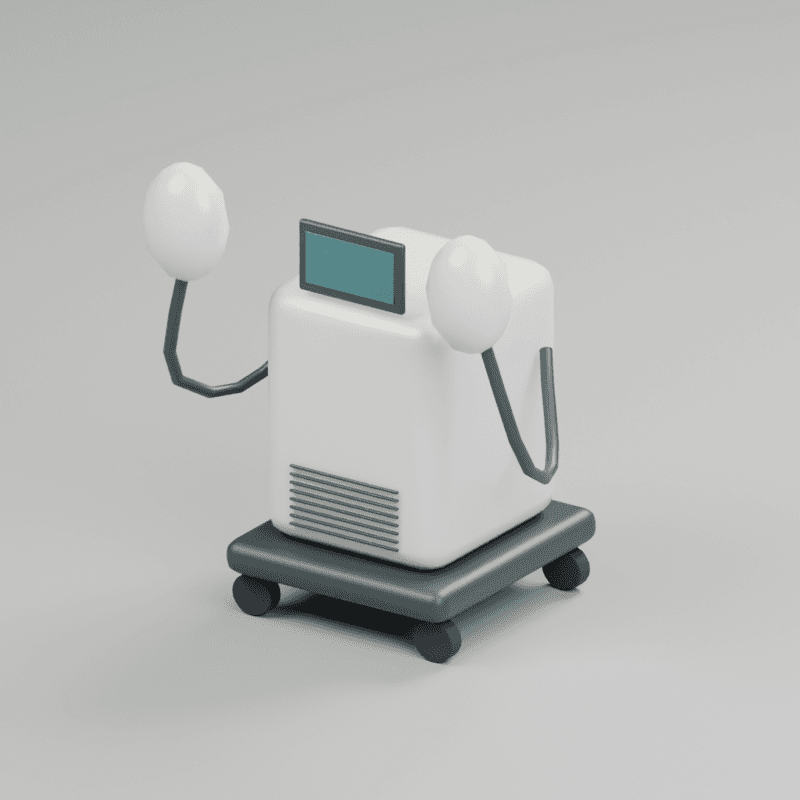
The pulsed magnetic field depolarizes motor neurons under the applicator, producing involuntary contractions stronger and more frequent than voluntary effort can generate; the radiofrequency component warms the subcutaneous layer at the same time. Both effects are confined to the tissue beneath the applicator.
What complicates this
The GRADE-assessed systematic review of 15 studies found much smaller pooled absolute effects (about 5.5 mm fat and 2 mm muscle) and noted two studies with marginal or no benefit. Percentage figures and millimetre figures describe the same literature very differently.
Safety notes
No serious adverse events were reported in the randomized trial. Standard device screening for implanted electronics, metal in the field, pregnancy, and hernia still applies.
Sources (2)
Samuels, Katz & Weiss 2022 — Simultaneous radiofrequency and HIFEM: first sham-controlled randomized trial (PMID 35259147) — PubMed / Plastic and Reconstructive Surgery · 2022-05-01
Kinney & Lozanova 2019 — MRI evaluation of HIFEM abdominal body shaping (PMID 30302767) — PubMed / Lasers in Surgery and Medicine · 2019-01-01