Loading…
Modality comparison
IV hydration vs hyperbaric oxygen: two very different ways to 'refuel'
Both get marketed as recovery and performance tools, but an IV drip and a hyperbaric chamber do almost nothing alike. One delivers fluids and nutrients into your bloodstream; the other pressurizes oxygen into your tissues. Here's how to choose.
Quick verdict
Choose IV & hydration if…
IV hydration is sought by athletes needing rapid recovery after intense training or competition, individuals managing dehydration from illness or hangover, and wellness optimizers pursuing NAD+ or micronutrient protocols.
IV & hydration guide →Choose hyperbaric oxygen if…
HBOT is sought by athletes for accelerated recovery, individuals with chronic fatigue or long COVID symptoms, and longevity-focused wellness seekers.
Hyperbaric oxygen guide →| Aspect | IV & hydration | Hyperbaric oxygen |
|---|---|---|
| Mechanism | Fluids, electrolytes, and selected vitamins delivered intravenously | 100% oxygen breathed under pressure (1.3–2.4 ATA) to hyperoxygenate plasma and tissue |
| Session length | 30–60 min | 60–90 min |
| Best for | Rehydration, hangover recovery, acute energy/immune support, post-event refuel | Wound recovery, post-surgical and neurological recovery, longevity protocols |
| Onset | Fast, effects often felt same day | Gradual, typically a protocol of multiple sessions |
| Clinical vs. wellness | Administered by clinical staff; quality and formulas vary by provider | Medical-adjacent; higher-pressure protocols need supervision |
| Typical cost | $100–$300 / session | $100–$300 / session (wellness-grade) |
The breakdown
What IV hydration does
IV hydration therapy delivers fluids and electrolytes, often with added vitamins like B-complex or vitamin C, directly into your bloodstream, bypassing digestion. Because it skips the gut, hydration and nutrient levels can be restored quickly, which is why the most common use cases are rehydration, hangover recovery, post-event refueling, and acute energy or immune support.
The honest caveat: for a healthy, well-hydrated person, oral fluids and a balanced diet accomplish most of what an IV does. IV therapy shines when you're genuinely depleted (after illness, intense exertion, travel, or a hard night) and want a fast, measurable reset. Provider quality and formula transparency vary, so the credentials of the clinic matter.
What hyperbaric oxygen therapy does
In HBOT, you breathe 100% oxygen inside a pressurized chamber (typically 1.3–2.4 ATA). Under pressure, oxygen dissolves directly into plasma rather than relying only on hemoglobin, dramatically increasing oxygen delivery to hypoxic or damaged tissue. It has strong FDA-cleared indications for wound care, carbon monoxide poisoning, decompression sickness, and radiation injury.
In wellness settings, mild HBOT (soft chambers around 1.3 ATA) is used for athletic recovery, longevity, and post-illness symptoms: promising but less definitive than the clinical evidence. Unlike a one-off IV, HBOT typically works as a protocol of multiple sessions, and the time commitment (60–90 minutes each) is real.
Which to choose by goal
Choose IV hydration when you want a fast, same-day reset from a depleted state: dehydration, a hangover, post-event recovery, or feeling run-down. It's quick and the effect is immediate when you actually need it.
Choose HBOT when you're addressing tissue that involves poor oxygenation or damage (chronic wounds, post-surgical or neurological recovery), or when you're pursuing a deliberate longevity protocol and have the time and budget for a multi-session course.
They serve different jobs and don't substitute for one another. For everyday wellness, IV hydration is the more practical occasional tool; HBOT is the bigger commitment reserved for specific recovery or longevity goals.
Try both, decide yourself
Run the experiment yourself
Studios running both IV & hydration and hyperbaric oxygen — verified partners lead. Book a session of each and let your own recovery decide.
01
Next Health
West Hollywood, CA
5.0· 2291 Google reviews
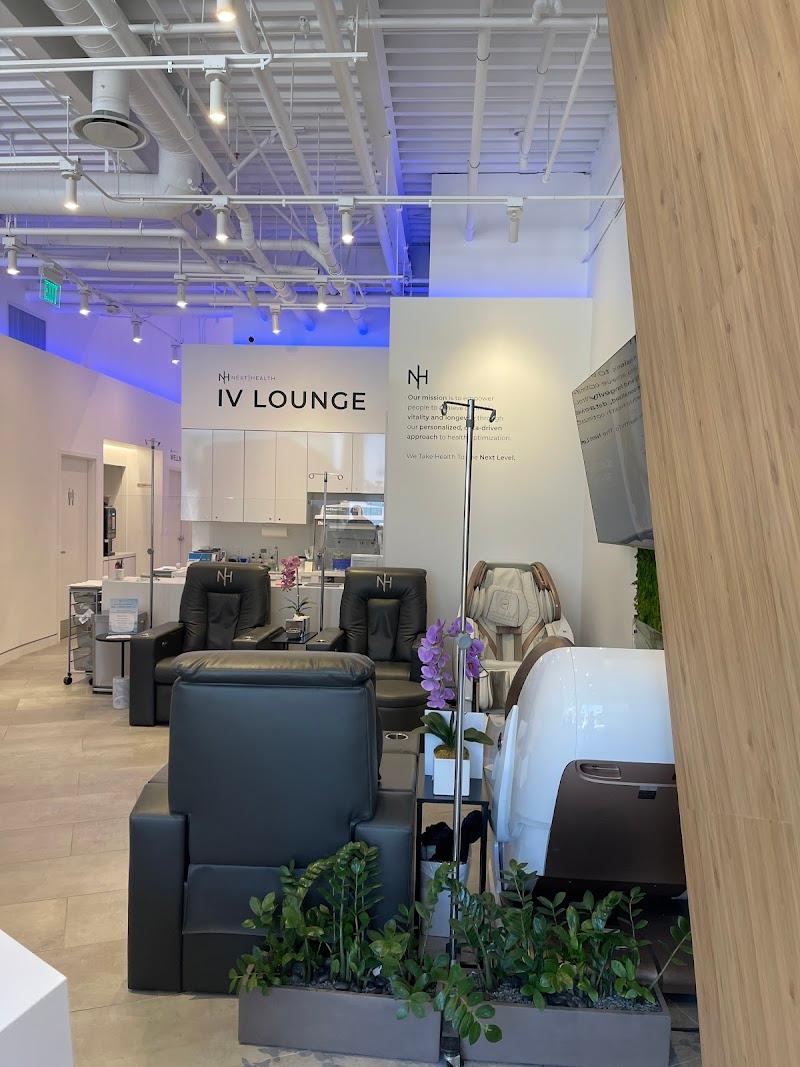
Next Health is a health and wellness center at The Sunset on Sunset Boulevard in West Hollywood.
IV & hydrationIV Hydration / Vitamin (Myers-type) TherapyCryotherapyHyperbaric oxygen+3

02
Next Health West Hollywood
Sunset Strip · West Hollywood, CA
5.0· 2250 Google reviews
West Hollywood wellness center for NAD+, IV drips, hormone therapy, infrared therapy, hyperbaric oxygen, EBOO ozone & plasma exchange on the Sunset Strip.
CryotherapyHyperbaric oxygenInfrared saunaRed light therapy+1

03
Next Health
Century City · Los Angeles, CA
5.0· 1493 Google reviews
Wellness center in Century City with IV drips, NAD+ infusions, hormone optimization, hyperbaric oxygen, infrared therapy, EBOO ozone & plasma exchange.
CryotherapyIV & hydrationHyperbaric oxygenRed light therapy
04
Next Health Studio City
Studio City Los Angeles, CA
5.0· 1432 Google reviews
Next Health identifies its Studio City location as a health and wellness center at The Shops at Sportsmen's Lodge.
CryotherapyHyperbaric oxygenIV & hydrationNAD+ IV Infusion+2
05
Next Health
West Hollywood · Century City, CA
5.0· 1429 Google reviews
Next Health is a wellness and longevity center at Westfield Century City Mall in Los Angeles.
CryotherapyHyperbaric oxygenIV & hydrationNAD+ IV Infusion
Questions
Frequently asked questions
Is IV hydration or HBOT better for recovery?
It depends on what you're recovering from. IV hydration is better for fast rehydration and refueling after exertion, illness, or a hangover: same-day relief when you're depleted. HBOT is better for tissue-level recovery involving poor oxygenation or damage (wounds, post-surgical, neurological) and works over a course of multiple sessions rather than one.
Does insurance cover IV hydration or hyperbaric oxygen?
Wellness-grade IV drips are generally out-of-pocket. HBOT may be covered by insurance for specific FDA-approved medical indications (such as certain wounds or carbon monoxide poisoning) when medically prescribed, but wellness or longevity use of mild HBOT is typically not covered. Check directly with the provider and your insurer.
Can you do IV hydration and HBOT together?
There's no general contraindication, and some clinics that offer both may combine them within a recovery or longevity protocol. Because HBOT involves a pressurized environment and IV therapy involves a line and fluids, sequencing and safety should be coordinated by the facility's clinical staff rather than self-managed.
References
- Intravenous micronutrient therapy (Myers' Cocktail) for fibromyalgia: a placebo-controlled pilot study
- Interventions for preventing or treating alcohol hangover: systematic review of randomised controlled trials
- Effect of High-Dose Vitamin C Infusion in a Glucose-6-Phosphate Dehydrogenase-Deficient Patient
- Efficacy and safety of hyperbaric oxygen therapy for fibromyalgia: a systematic review and meta-analysis
- Ten sessions of hyperbaric oxygen versus sham treatment in patients with long covid (HOT-LoCO): a randomised, placebo-controlled, double-blind, phase II trial
- Effectiveness of Hyperbaric Oxygen for Fibromyalgia: A Meta-Analysis of Randomized Controlled Trials
- Hyperbaric oxygen therapy compared to pharmacological intervention in fibromyalgia patients following traumatic brain injury: a randomized, controlled trial
- Hyperbaric oxygen therapy vs. pharmacological intervention in adults with fibromyalgia related to childhood sexual abuse: a randomized controlled trial
Keep exploring
The full guides
More head-to-heads
Contrast therapy vs cryotherapy →PEMF vs compression therapy →Lymphatic compression vs compression therapy →Red light therapy vs cryotherapy →Infrared sauna vs cold plunge →Cryotherapy vs cold plunge →PEMF vs red light therapy →Hyperbaric oxygen vs red light therapy →Contrast therapy vs cold plunge →Infrared sauna vs red light therapy →Cryotherapy vs infrared sauna →Compression therapy vs cold plunge →