Loading…
Modality comparison
Hyperbaric oxygen vs red light therapy: different paths to cellular health
HBOT and red light therapy both claim to support cellular energy and recovery, but they arrive there through entirely different mechanisms, and serve meaningfully different use cases. Here's how they actually compare.
Quick verdict
Choose hyperbaric oxygen if…
HBOT is sought by athletes for accelerated recovery, individuals with chronic fatigue or long COVID symptoms, and longevity-focused wellness seekers.
Hyperbaric oxygen guide →Choose red light therapy if…
Red light therapy is popular with people seeking skin improvements (anti-aging, acne, collagen support), athletes managing muscle soreness or joint pain, and individuals exploring recovery and wellness optimization.
Red light therapy guide →| Aspect | Hyperbaric oxygen | Red light therapy |
|---|---|---|
| Mechanism | Pressurized O₂ (1.3–2.4 ATA) → hyperoxygenation of plasma and tissues | Photons (660nm/850nm) absorbed by mitochondria → ATP production increase |
| Session length | 60–90 min | 10–20 min |
| Best for | Wound recovery, TBI, long COVID, post-surgical recovery, longevity | Skin, inflammation, muscle recovery, joint pain, hair loss |
| Typical cost | $100–$300 / session (wellness-grade) | $20–$60 / session |
| Clinical vs. wellness | Medical-adjacent; requires supervised protocols at higher pressures | Widely available at wellness studios and as home devices |
| Research base | Strong for specific clinical indications (wounds, CO poisoning, radiation injury) | Growing; strongest for skin and musculoskeletal applications |
The breakdown
What hyperbaric oxygen therapy does
In an HBOT session, you breathe 100% oxygen inside a pressurized chamber (typically 1.3–2.4 ATA, that is, 1.3 to 2.4 times normal atmospheric pressure). At higher pressure, oxygen dissolves directly into plasma rather than binding only to hemoglobin, dramatically increasing the amount of oxygen reaching hypoxic or damaged tissue.
HBOT has strong FDA-cleared indications for wound care, carbon monoxide poisoning, decompression sickness, and radiation injury: serious medical conditions. In wellness settings, people use mild HBOT (soft chambers at ~1.3 ATA) for longevity, athletic recovery, and post-COVID symptoms. The wellness-grade evidence is promising but less definitive than the clinical evidence.
What red light therapy does
Red light therapy (photobiomodulation) uses specific light wavelengths to stimulate mitochondria. Red (660nm) penetrates to the skin and superficial tissue; near infrared (850nm) reaches several inches deeper. The photons are absorbed by cytochrome c oxidase in the mitochondrial electron transport chain, increasing ATP production and reducing oxidative stress.
The result is faster cellular repair, reduced local inflammation, improved collagen production, and, with consistent use, meaningful skin health benefits. It's faster, cheaper, and more accessible than HBOT, but it doesn't deliver oxygen to tissue the way HBOT does and is less suited to deep systemic or neurological applications.
When each wins, and who should prioritize which
Choose HBOT when: you're dealing with a condition that directly involves hypoxic or damaged tissue: chronic wounds, post-surgical recovery, neurological recovery, long COVID, or if you're pursuing an aggressive longevity protocol and have the budget. The time commitment (60–90 min) and cost ($100–300/session) are real considerations.
Choose red light therapy when: the goal is skin health, surface inflammation, muscle recovery, or general mitochondrial support. It's faster, significantly cheaper, widely available at studios and at home, and well-supported for these applications. For most everyday wellness goals, red light therapy is the more practical starting point.
The two don't compete for the same exact space; it's less 'one or the other' and more about which condition or goal you're addressing first.
Try both, decide yourself
Run the experiment yourself
Studios running both hyperbaric oxygen and red light therapy — verified partners lead. Book a session of each and let your own recovery decide.
DOC's
Wall, NJ
5.0· 1 Google review
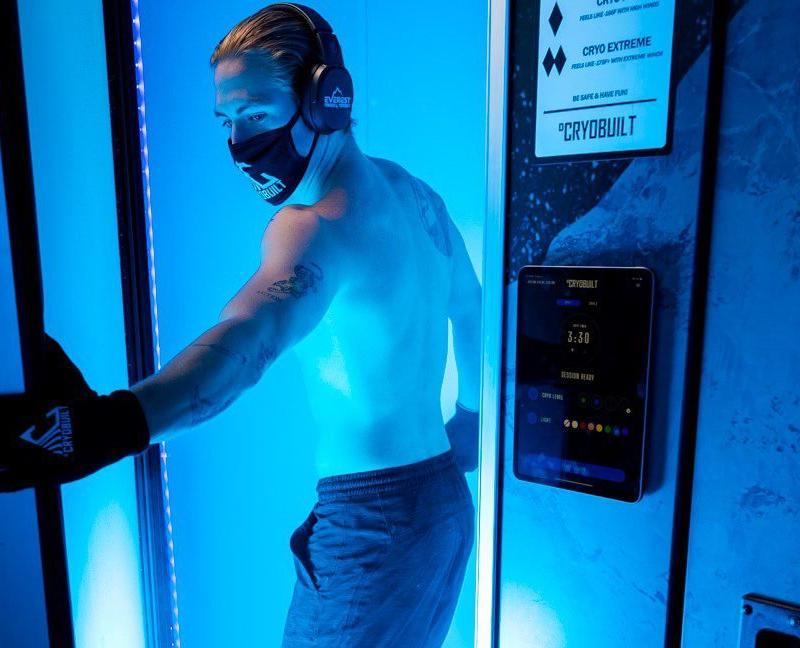
DOC's is a Wall, NJ recovery facility offering innovative holistic therapies for athletic performance and life extension — whole-body cryotherapy, hyperbaric oxygen, Normatec compression, Sunlighten infrared sauna, and Theralight red light.
CryotherapyHyperbaric oxygenCompression therapyInfrared sauna+1

01
Next Health West Hollywood
Sunset Strip · West Hollywood, CA
5.0· 2250 Google reviews
West Hollywood wellness center for NAD+, IV drips, hormone therapy, infrared therapy, hyperbaric oxygen, EBOO ozone & plasma exchange on the Sunset Strip.
CryotherapyHyperbaric oxygenInfrared saunaRed light therapy+1

02
Next Health
Century City · Los Angeles, CA
5.0· 1493 Google reviews
Wellness center in Century City with IV drips, NAD+ infusions, hormone optimization, hyperbaric oxygen, infrared therapy, EBOO ozone & plasma exchange.
CryotherapyIV & hydrationHyperbaric oxygenRed light therapy
03
Next Health Studio City
Studio City Los Angeles, CA
5.0· 1432 Google reviews
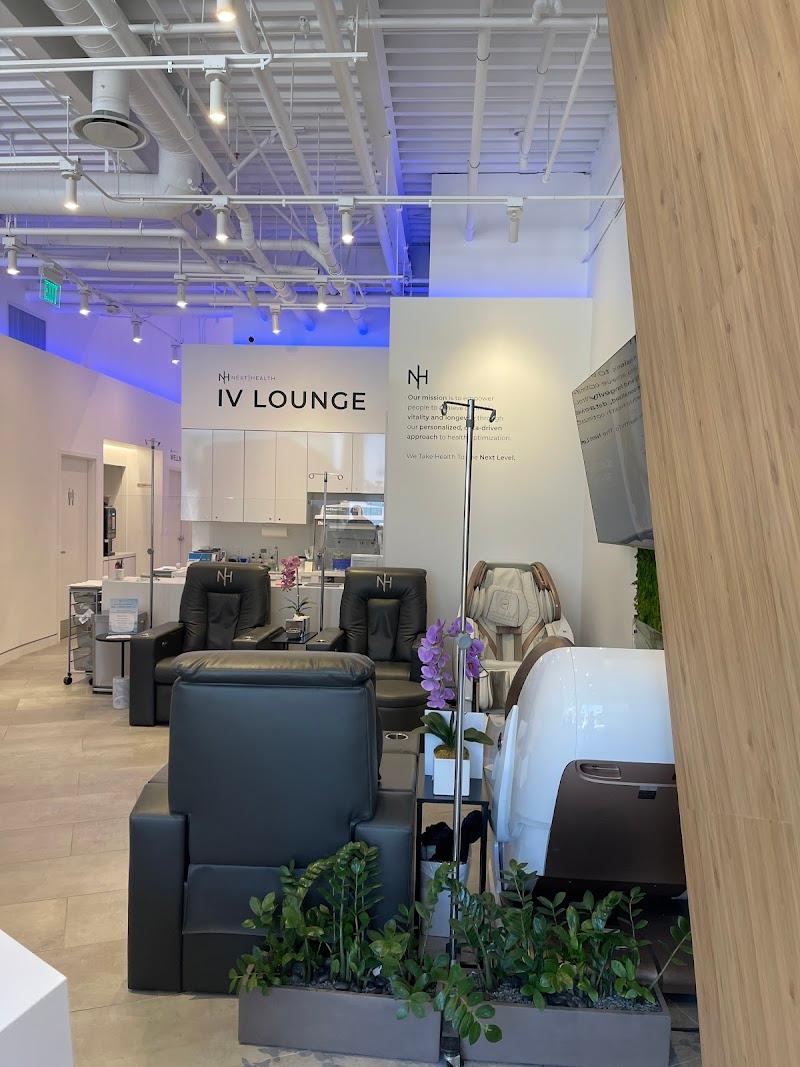
Next Health identifies its Studio City location as a health and wellness center at The Shops at Sportsmen's Lodge.
CryotherapyHyperbaric oxygenIV & hydrationNAD+ IV Infusion+2
04
Next Health
New York, NY
5.0· 1217 Google reviews
Next Health offers IV therapy, cryotherapy, and hyperbaric oxygen treatments at their wellness center on Madison Avenue, specializing in advanced regenerative medicine and longevity optimization.
CryotherapyIV & hydrationHyperbaric oxygenInfrared sauna+1
Questions
Frequently asked questions
Is hyperbaric oxygen therapy the same as red light therapy?
No: they work through completely different mechanisms. HBOT pressurizes oxygen to flood tissues with O₂; red light therapy uses photons to stimulate mitochondrial ATP production. Both claim to support cellular health, but via different physics and with different strength-of-evidence profiles for different conditions.
Does red light therapy or HBOT work faster for recovery?
For muscle recovery and everyday soreness, red light therapy is faster to access and shows results within 4–8 weeks of consistent use. HBOT for post-surgical or wound recovery can show results over a protocol of 10–40 sessions (several weeks). For serious injury or neurological recovery, HBOT's effect can be more decisive.
Can you do HBOT and red light therapy on the same day?
Yes: they work via different mechanisms and have no known contraindication when combined. Studios or clinics that offer both may recommend ordering (e.g., red light before HBOT to pre-sensitize tissue), but there's no strong consensus. Check with the practitioner at the facility you visit.
References
- Efficacy and safety of hyperbaric oxygen therapy for fibromyalgia: a systematic review and meta-analysis
- Ten sessions of hyperbaric oxygen versus sham treatment in patients with long covid (HOT-LoCO): a randomised, placebo-controlled, double-blind, phase II trial
- Effectiveness of Hyperbaric Oxygen for Fibromyalgia: A Meta-Analysis of Randomized Controlled Trials
- Hyperbaric oxygen therapy compared to pharmacological intervention in fibromyalgia patients following traumatic brain injury: a randomized, controlled trial
- Hyperbaric oxygen therapy vs. pharmacological intervention in adults with fibromyalgia related to childhood sexual abuse: a randomized controlled trial
- Controlled red/NIR skin appearance and collagen-density trial
- High-fluence LED red-light skin safety: two randomized trials
- Low-level laser device for male and female pattern hair loss
- Targeted PBM for symptomatic knee osteoarthritis: positive RCT
- PBM added to strengthening exercise for knee osteoarthritis: null RCT
- Mixed-wavelength PBM after eccentric exercise: positive RCT
- 808 nm PBM before exercise: null crossover RCT
- PBM for high-dose-methotrexate oral mucositis: phase II RCT
Keep exploring
The full guides
More head-to-heads
Contrast therapy vs cold plunge →Infrared sauna vs red light therapy →Cryotherapy vs infrared sauna →Compression therapy vs cold plunge →Float therapy vs red light therapy →Infrared sauna vs halotherapy →IV hydration vs hyperbaric oxygen →Contrast therapy vs cryotherapy →PEMF vs compression therapy →Lymphatic compression vs compression therapy →Red light therapy vs cryotherapy →Infrared sauna vs cold plunge →