Loading…
Modality comparison
PEMF vs red light therapy: two passive modalities, two different mechanisms
PEMF and red light therapy are both 'lie still and let the device do the work' modalities, but they work through completely different physics. Understanding the difference helps you pick the right tool, or use both intentionally.
Quick verdict
Choose PEMF if…
PEMF appeals to individuals managing chronic pain, joint stiffness, or post-injury recovery, as well as biohackers and wellness optimizers exploring non-thermal, non-invasive recovery tools.
PEMF guide →Choose red light therapy if…
Red light therapy is popular with people seeking skin improvements (anti-aging, acne, collagen support), athletes managing muscle soreness or joint pain, and individuals exploring recovery and wellness optimization.
Red light therapy guide →| Aspect | PEMF | Red light therapy |
|---|---|---|
| Mechanism | Pulsed magnetic fields stimulate cellular electrical charge and ion transport | Photons at 660nm/850nm are absorbed by mitochondria, boosting ATP production |
| Primary targets | Bone, deep tissue, joints, cellular voltage | Skin, surface muscle, mitochondria across tissue layers |
| Session length | 20–40 min | 10–20 min |
| Best for | Chronic pain, arthritis, bone recovery, sleep regulation | Skin and anti-aging, inflammation, muscle recovery, hair |
| Typical cost | $30–$80 / session at a studio | $20–$60 / session at a studio |
| Home use | PEMF mats widely available ($200–$2,000) | Red light panels widely available ($150–$600) |
The breakdown
What PEMF does
PEMF therapy uses a coil or mat to deliver pulsed electromagnetic fields through the body. The theory (backed by a reasonable body of research, particularly for bone recovery and pain) is that these fields restore the electrical charge on cell membranes, improving ion transport and cellular function. The FDA has cleared PEMF devices for bone fracture recovery and as adjunct therapy for depression.
In wellness settings, PEMF is most often used for chronic pain, arthritis, joint stiffness, and as a sleep support tool. Sessions are passive: you lie on a mat or wear a wrap while the device runs. It penetrates deeply, which is why it's useful for joints and bone rather than surface tissue.
What red light therapy does
Red light therapy (also called photobiomodulation or PBM) uses specific wavelengths, typically 660nm (red, skin-deep) and 850nm (near infrared, penetrates several inches), to stimulate mitochondria in target tissue. The proposed mechanism is that the photons are absorbed by cytochrome c oxidase, an enzyme in the mitochondrial electron transport chain, which increases ATP production and reduces oxidative stress.
Red light therapy has the strongest evidence base in skin applications: wound repair, collagen production, and acne. The sports recovery and musculoskeletal evidence base is growing but more mixed. Sessions are short (10–20 minutes), and the modality is now widely available at wellness studios.
Using PEMF and red light therapy together
They address different mechanisms, so they don't compete: some studios and advanced biohackers use both in the same session or across the same day. PEMF is typically the choice when the goal is deep tissue, joint, or bone work; red light therapy leads when the goal is skin, surface inflammation, or mitochondrial support.
If you can only pick one at a studio, the honest answer is: choose PEMF for pain and chronic joint issues, red light therapy for skin health and muscle recovery. Neither is a universal winner.
Try both, decide yourself
Run the experiment yourself
Studios running both PEMF and red light therapy — verified partners lead. Book a session of each and let your own recovery decide.
01
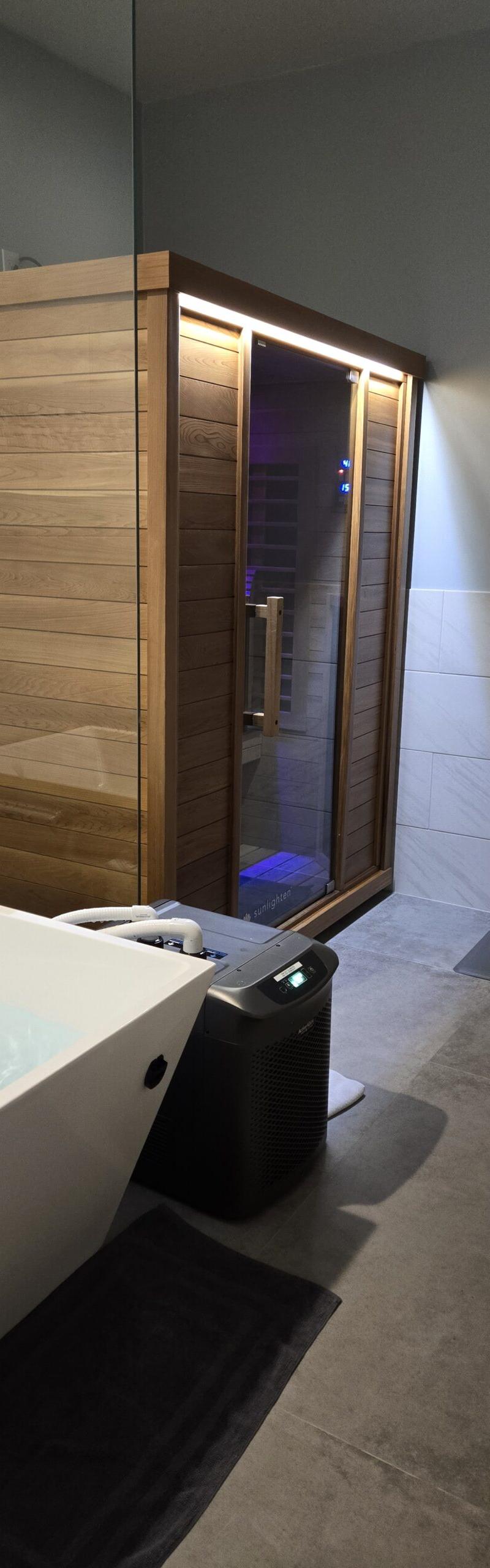
Blissful Waters Float Center
Spring, TX
5.0· 645 Google reviews
Float and recovery wellness center featuring sensory-deprivation float therapy, infrared sauna, cold plunge, and PEMF modalities for stress relief and nervous system balance.
Float therapyInfrared saunaCold plungeRed light therapy+1
02
Huemn Optimization + Cryo Recovery
Vintage Park · Houston, TX
5.0· 599 Google reviews
Functional medicine in Houston at Huemn.
Cold plungeCryotherapyInfrared saunaRed light therapy+5

03
Coast Physical Medicine
Fountain Valley, CA
5.0· 534 Google reviews
Coast Physical Medicine - Fountain Valley is a chiropractic clinic at 10956 Warner Ave in Fountain Valley, California.
PEMFRed light therapyPhysical therapy
04
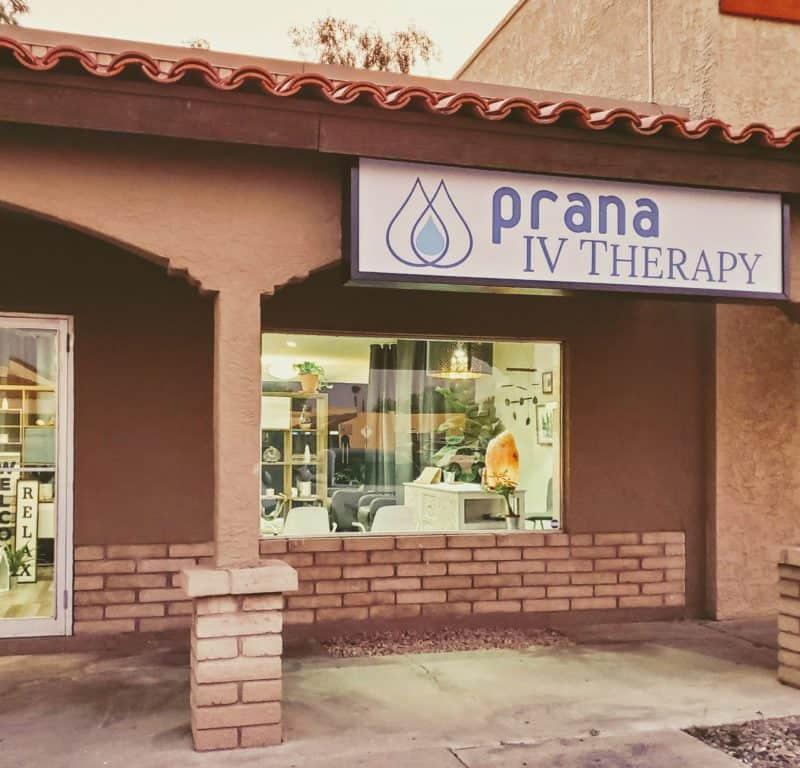
Prana Iv Therapy
Scottsdale, AZ
5.0· 517 Google reviews
Phoenix IV therapy service delivers wellness near you!
Infrared saunaRed light therapyPEMFIV & hydration+1

05
Balanced Aesthetics + Wellness
Brookhaven · Atlanta, GA
5.0· 514 Google reviews
Atlanta medspa offering Botox, fillers, laser, peptide therapy, HRT, IV therapy & weight loss.
Hyperbaric oxygenRed light therapyPEMF
Questions
Frequently asked questions
Which is better, PEMF or red light therapy?
It depends on the goal. PEMF is better supported for chronic pain, arthritis, bone recovery, and sleep. Red light therapy has stronger evidence for skin health, wound repair, and collagen production. For muscle recovery, both have supporting data. They work through different mechanisms and can complement each other.
Can you use PEMF and red light therapy together?
Yes: they work via different physics (electromagnetic fields vs. photons) and don't interfere with each other. Some studios offer combined sessions. The main limiting factor is time and cost, not any contraindication between the modalities.
How long does it take for PEMF to work vs red light therapy?
Red light therapy effects on skin can be visible in 4–8 weeks of consistent use. PEMF for pain often shows noticeable effect within a few sessions, but chronic conditions may require 4–8 weeks of regular use. Neither is an overnight fix. Consistency matters more than modality choice for long-term results.
References
- The Efficacy of Pulsed Electromagnetic Fields on Pain, Stiffness, and Physical Function in Osteoarthritis: A Systematic Review and Meta-Analysis
- A follow-up study of the in-practice results of pulsed electromagnetic field therapy in the management of nonunion fractures
- Efficacy of pulsed electromagnetic field on pain and physical function in patients with low back pain: A systematic review and meta-analysis
- Controlled red/NIR skin appearance and collagen-density trial
- High-fluence LED red-light skin safety: two randomized trials
- Low-level laser device for male and female pattern hair loss
- Targeted PBM for symptomatic knee osteoarthritis: positive RCT
- PBM added to strengthening exercise for knee osteoarthritis: null RCT
- Mixed-wavelength PBM after eccentric exercise: positive RCT
- 808 nm PBM before exercise: null crossover RCT
- PBM for high-dose-methotrexate oral mucositis: phase II RCT
Keep exploring
The full guides
More head-to-heads
Hyperbaric oxygen vs red light therapy →Contrast therapy vs cold plunge →Infrared sauna vs red light therapy →Cryotherapy vs infrared sauna →Compression therapy vs cold plunge →Float therapy vs red light therapy →Infrared sauna vs halotherapy →IV hydration vs hyperbaric oxygen →Contrast therapy vs cryotherapy →PEMF vs compression therapy →Lymphatic compression vs compression therapy →Red light therapy vs cryotherapy →