Loading…
Modality comparison
Contrast therapy vs cold plunge: does adding heat change the equation?
A cold plunge is one piece of the contrast therapy protocol. The question worth asking is whether alternating heat and cold gives you meaningfully more benefit than cold alone, or whether it's just more time and more complexity.
Quick verdict
Choose contrast therapy if…
Contrast therapy is popular with athletes at all levels seeking faster recovery, wellness enthusiasts exploring Scandinavian thermal bathing traditions, and individuals who find either heat or cold alone too intense and prefer the balanced relief of alternating temperatures.
Contrast therapy guide →Choose cold plunge if…
Cold plunge is popular with athletes and active individuals managing post-workout soreness, as well as people seeking a natural mood boost, stress adaptation, or mental resilience tool.
Cold plunge guide →| Aspect | Contrast therapy | Cold plunge |
|---|---|---|
| What it is | Alternating hot (sauna/steam) and cold (plunge) in repeated cycles | Cold water immersion alone at 45–55°F |
| Time required | 30–90 min for a full protocol (multiple cycles) | 2–10 min |
| Primary benefit | Vascular 'pumping' effect + all cold benefits + heat relaxation | Vasoconstriction, norepinephrine spike, acute recovery, alertness |
| Best for | Circulation, full-body recovery, when you want to end calm or energized by choice | Time-compressed recovery, immediate post-workout, daily habit |
| Complexity | Requires both a sauna/steam and a cold plunge: more studio access needed | Single modality: easier to build as a daily habit |
| Typical cost | $50–$120 (combined sauna + plunge access) | $20–$50 / session |
The breakdown
What contrast therapy adds
Contrast therapy (alternating hot and cold exposure in cycles) creates a vascular pumping effect. Heat drives vasodilation (blood vessels expand); cold drives vasoconstriction (they contract). Cycling between them repeatedly moves blood and lymph more actively than either modality alone.
People who use contrast therapy regularly often report reduced total-body soreness, improved mood, and a sense of full-body flushing that doesn't happen with cold alone. The hot phase also provides its own benefits: relaxation, heat-shock protein activation, and a lower-stress entry point before re-entering the cold.
When cold plunge alone is enough
If time is the constraint, or if you're trying to build a consistent daily habit, a cold plunge alone delivers the core physiological response: vasoconstriction, norepinephrine release, cortisol normalization, and reduced acute inflammation. You don't need the full contrast protocol to benefit from cold.
Cold plunge also makes sense when the goal is specifically alertness and energy. Finishing a contrast session on cold leaves you energized, but finishing on heat leaves you relaxed. If you don't have that choice (e.g., you only have time for cold), a standalone plunge always lands in the energized direction.
How to sequence contrast therapy
A common protocol is 10–15 minutes of heat, 2–3 minutes of cold, repeated for 3–4 cycles. Ending on cold is energizing and better for daytime use or post-workout; ending on heat is relaxing and better for winding down in the evening.
The 'hot or cold last' question is one of the most frequently asked, and the answer is simply: it depends on what you want to feel afterward. Neither order is 'wrong.'
Try both, decide yourself
Run the experiment yourself
Studios running both contrast therapy and cold plunge — verified partners lead. Book a session of each and let your own recovery decide.
01
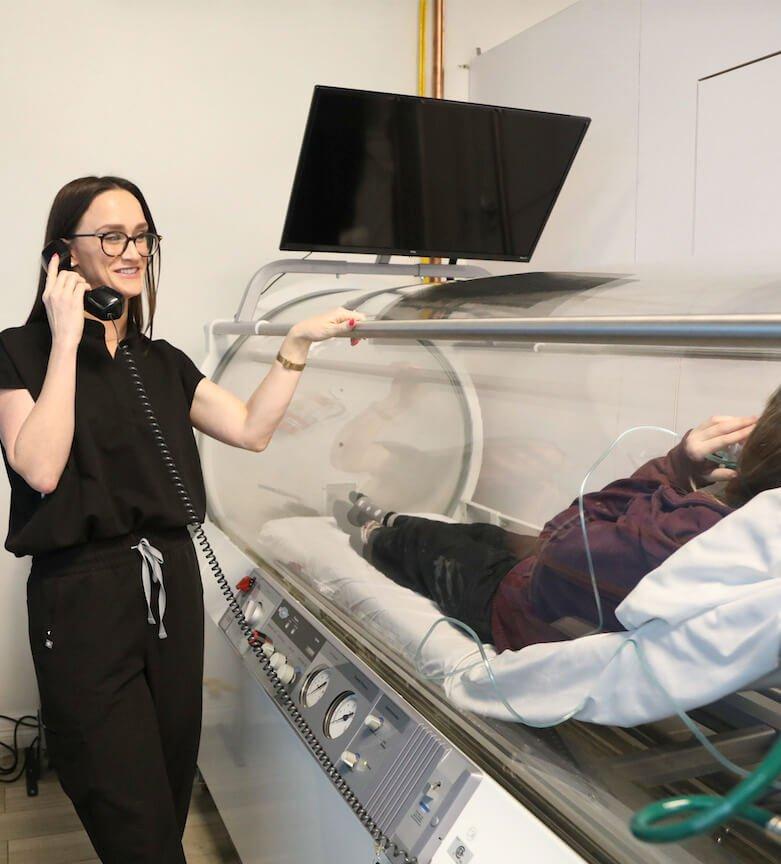
Huemn Optimization + Cryo Recovery
Vintage Park · Houston, TX
5.0· 599 Google reviews
Functional medicine in Houston at Huemn.
Cold plungeCryotherapyInfrared saunaRed light therapy+5
02
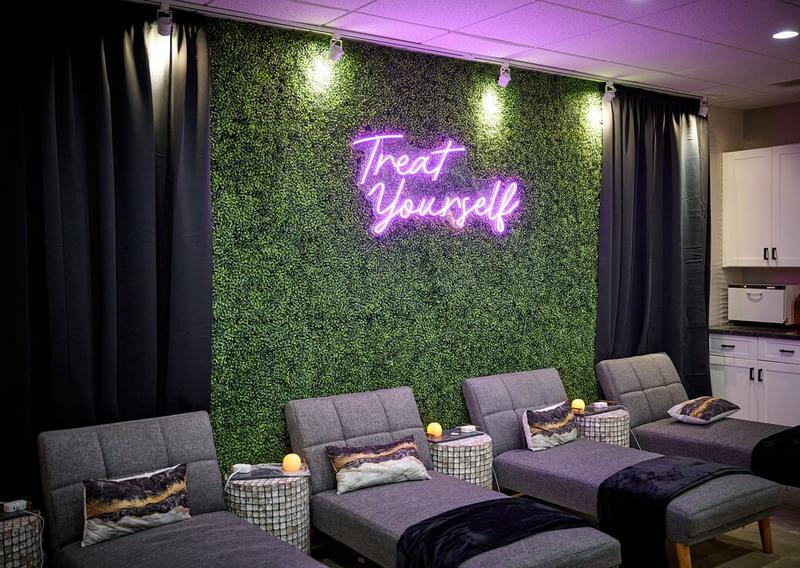
Therapeutic Massage & Wellness, LLC.
Newtown · Newtown, CT
5.0· 469 Google reviews
Day Spa in Newtown, CT Therapeutic Massage & Wellness
Cold plungeRed light therapyFloat therapyCompression therapy+1
03
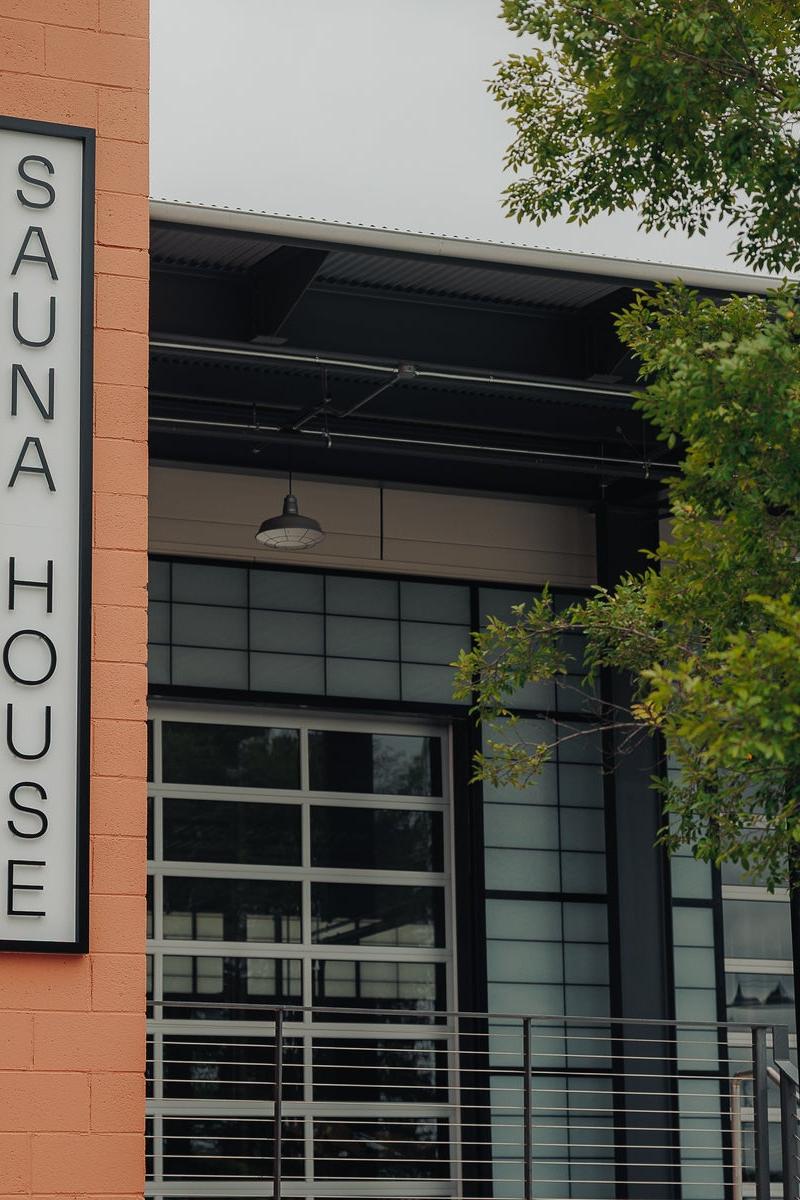
Sauna House Greenville
Downtown · Greenville, SC
5.0· 415 Google reviews
Nordic-style communal sauna and cold-plunge contrast bathhouse in downtown Greenville, with self-guided hot/cold cycles, walk-ins, and memberships.
Cold plungeContrast therapyInfrared saunaHalotherapy
04
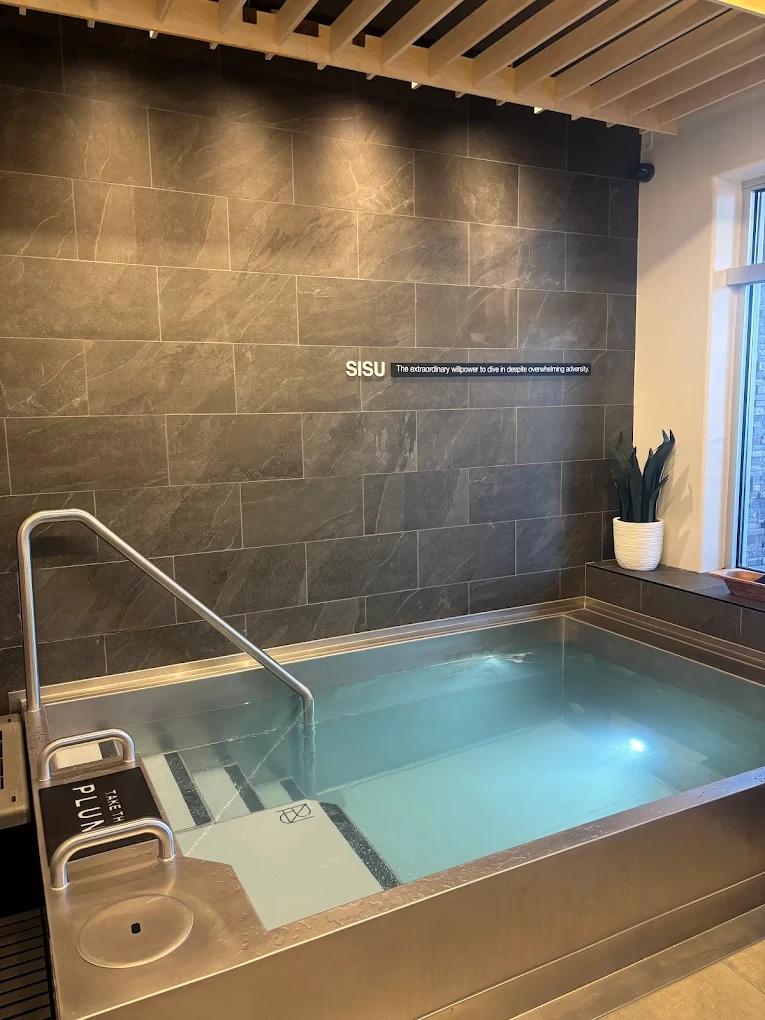
PLUNJ St. George
St. George, UT
5.0· 412 Google reviews
PLUNJ St.
Traditional saunaCold plungeContrast therapy
05
Othership Williamsburg
Brooklyn, NY
5.0· 395 Google reviews
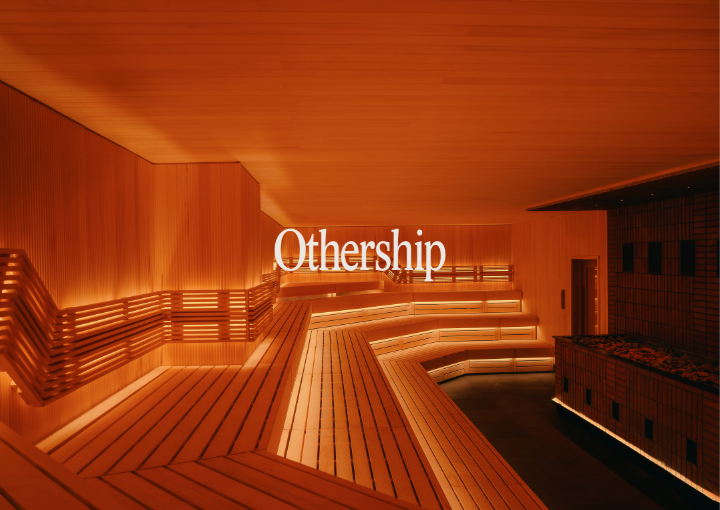
Othership Williamsburg combines guided sauna and ice bath contrast therapy with breathwork in a social wellness setting, located steps from Domino Park in Williamsburg.
Cold plungeContrast therapy
Questions
Frequently asked questions
Do you end contrast therapy on hot or cold?
Both are used intentionally. Finishing on cold leaves you alert and energized: better for daytime use or right after a workout. Finishing on heat is more calming: better for evening recovery or before sleep. Choose based on what you want to feel, not a fixed rule.
What's better, contrast therapy or just a cold plunge?
For time-constrained recovery or building a daily habit, cold plunge alone delivers most of the key benefits. Contrast therapy adds a vascular pumping effect and gives you more control over how you feel at the end (energized vs. relaxed). If you have 60–90 minutes and access to both modalities, contrast therapy is worth the extra effort.
How many rounds is optimal for contrast therapy?
Three to four cycles of hot-to-cold is a common protocol, with each heat phase lasting 10–15 minutes and each cold phase lasting 2–3 minutes. There's no universal 'optimal': intensity and tolerance vary. Most practitioners suggest starting with two cycles and building up.
References
- Contrast Water Therapy and Exercise Induced Muscle Damage: A Systematic Review and Meta-Analysis
- Effect of Cold and Heat Therapies on Pain Relief in Patients with Delayed Onset Muscle Soreness: A Network Meta-Analysis
- Contrast therapy: a systematic review
- Cold-water immersion (cryotherapy) for preventing and treating muscle soreness after exercise
- Effects of cold-water immersion on health and wellbeing: A systematic review and meta-analysis
- Post-exercise cold water immersion attenuates acute anabolic signalling and long-term adaptations in muscle to strength training
Keep exploring
The full guides
More head-to-heads
Infrared sauna vs red light therapy →Cryotherapy vs infrared sauna →Compression therapy vs cold plunge →Float therapy vs red light therapy →Infrared sauna vs halotherapy →IV hydration vs hyperbaric oxygen →Contrast therapy vs cryotherapy →PEMF vs compression therapy →Lymphatic compression vs compression therapy →Red light therapy vs cryotherapy →Infrared sauna vs cold plunge →Cryotherapy vs cold plunge →