Loading…
Modality comparison
Lymphatic compression vs compression therapy: same machine, different intent
These two overlap so much that people often use the terms interchangeably, and the hardware can look identical. The real difference is in the goal, the pressure pattern, and who it's designed for. Here's how to tell them apart.
Quick verdict
Choose lymphatic compression if…
Lymphatic compression is most commonly sought by people recovering from surgery, particularly cosmetic procedures that disrupt lymphatic drainage, as well as individuals with lymphedema or chronic lower-limb swelling.
Lymphatic compression guide →Choose compression therapy if…
Compression therapy is popular with endurance athletes, runners, cyclists, triathletes, team sport athletes managing DOMS, and people with occupational leg fatigue (shift workers, healthcare workers, long-haul travelers).
Compression therapy guide →| Aspect | Lymphatic compression | Compression therapy |
|---|---|---|
| Primary goal | Move lymphatic fluid: reduce swelling, puffiness, post-procedure fluid retention | Athletic recovery: flush metabolic waste, reduce DOMS, ease tired limbs |
| Typical pressure | Gentler, lymph-focused, wave-like sequencing | Firmer, recovery-focused sequential compression |
| Best for | Swelling, bloating, post-surgical/aesthetic recovery, circulation, heaviness | Post-workout legs, DOMS, endurance recovery, general muscle fatigue |
| Session length | 30–60 min | 20–30 min |
| Typical setting | Med-spas, wellness and aesthetic studios, lymphatic specialists | Recovery studios, gyms, athletic training rooms |
| Typical cost | $40–$100 / session | $20–$60 / session |
The breakdown
What lymphatic compression does
Lymphatic compression uses garments (full-body suits, leg sleeves, or abdominal wraps) that inflate in gentle, wave-like sequences designed to encourage lymphatic flow. The lymphatic system has no central pump of its own, so the goal is to mechanically nudge fluid toward the body's natural drainage points, reducing swelling, puffiness, and that heavy, fluid-retentive feeling.
It's most often used for swelling, bloating, circulation, and recovery after aesthetic or surgical procedures (always on a provider's timeline and clearance). The emphasis is on gentle fluid movement rather than aggressive muscle recovery. Note that for diagnosed conditions like lymphedema, this is a medical matter and should be guided by a qualified clinician, not a wellness session.
What compression therapy does
Compression therapy in the athletic sense (pneumatic boots and sleeves like NormaTec) applies firmer, sequential pressure from the extremities toward the torso to flush metabolic byproducts and reduce soreness after training. It mimics the muscle pump of exercise and is tuned for recovery performance rather than gentle lymphatic drainage.
The result is reduced fluid accumulation in fatigued muscles, faster clearance of waste products, and a measurable drop in perceived DOMS after hard sessions. It's the staple of the post-workout recovery room: comfortable, passive, and aimed at getting tired legs ready for the next session.
The overlap, and how to choose
The hardware overlaps heavily; many devices can do both jobs depending on the program and pressure settings. The practical distinction is intent: lymphatic compression prioritizes gentle fluid movement for swelling, puffiness, and post-procedure recovery; athletic compression prioritizes firmer flushing for muscle fatigue and DOMS.
Choose lymphatic compression when the goal is swelling, bloating, circulation, or recovery after a procedure. Choose athletic compression therapy when the goal is post-workout muscle recovery. If you're unsure, the studio can usually set the same machine to the right mode for either goal, and for any post-surgical use, get clearance and timing from your provider first.
Try both, decide yourself
Run the experiment yourself
Studios running both lymphatic compression and compression therapy — verified partners lead. Book a session of each and let your own recovery decide.
01
LIVE Hydration Spa Lenox
Lincoln, NE
5.0· 383 Google reviews
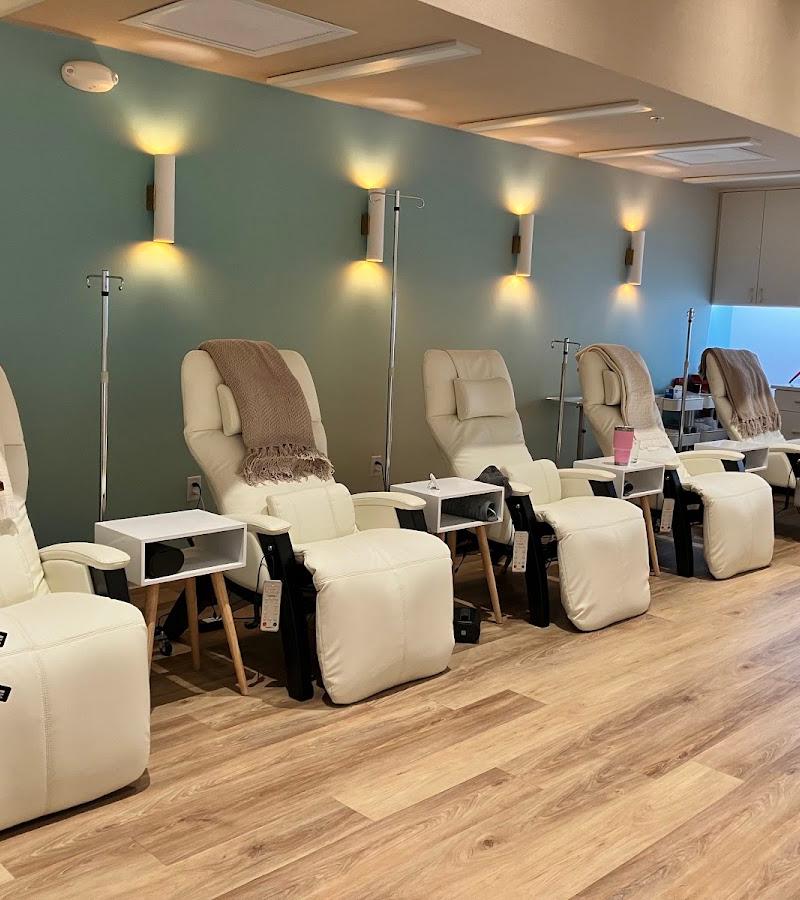
Lincoln IV hydration and wellness spa offering customized IV infusions, vitamin injections, and Normatec compression therapy for recovery and energy.
IV & hydrationLymphatic compressionCompression therapy
02
The Covery | Health - Sarasota
Sarasota, FL
5.0· 310 Google reviews
The Covery is your destination for immersive wellness and anti-aging optimization, offering advanced therapies including cryotherapy, hyperbaric oxygen, red light therapy, halotherapy, infrared sauna, PEMF, lymphatic drainage, and IV infusions to support longevity and optimal health.
Red light therapyHalotherapyCryotherapyInfrared sauna+5

03
Neuroathlete And Chiropractic Clinic
Monument, CO
5.0· 202 Google reviews
At NeuroAthlete & Chiropractic Clinic in Monument, CO, we provide the best care for pain management and sports injuries.
Compression therapyRed light therapyLymphatic compression

04
The KŌV Cryotherapy
Miami, FL
5.0· 193 Google reviews
The KŌV Cryotherapy is a wellness boutique located inside Upper Buenavista in Miami.
CryotherapyLocalized cryotherapyInfrared saunaCompression therapy+4
05
Flow State Cryo & Recovery
Studio City, CA
5.0· 191 Google reviews
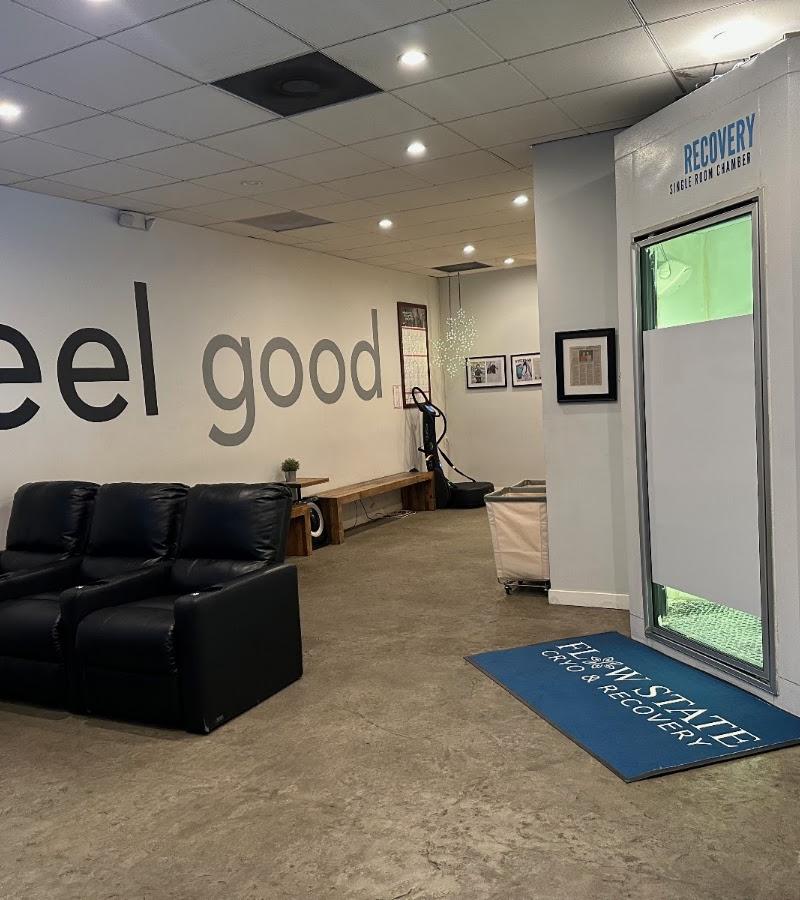
Flow State Cryo & Recovery is a holistic wellness center in Studio City offering whole body cryotherapy, red light therapy, PEMF, infrared sauna, compression therapy, and advanced beauty modalities in a warm, welcoming environment.
CryotherapyRed light therapyPEMFInfrared sauna+2
Questions
Frequently asked questions
What's the difference between lymphatic compression and compression therapy?
Mostly intent and pressure. Lymphatic compression uses gentler, wave-like sequencing aimed at moving lymphatic fluid to reduce swelling and puffiness. Athletic compression therapy uses firmer sequential pressure aimed at flushing metabolic waste and reducing muscle soreness after training. The devices often overlap: the difference is the program and the goal.
Is lymphatic compression good after surgery?
It's commonly used to help manage post-procedure swelling and fluid retention, but only on your provider's timeline and with their clearance. After surgery, the appropriate type, timing, and pressure should be directed by your surgeon or a qualified lymphatic specialist. Don't self-prescribe a wellness session in the early recovery window. For diagnosed lymphedema, treatment is a medical matter.
Can I use compression boots for lymphatic drainage?
Many pneumatic compression devices can run a gentler, lymphatic-focused program in addition to a firmer recovery mode, so the same boots may serve both purposes. The key is matching the pressure and sequencing to the goal: lighter and wave-like for fluid movement, firmer for muscle recovery. Ask the studio to set the mode that fits what you're after.
References
- Intermittent Pneumatic Compression Dosage for Adults and Children with Lymphedema: A Systematic Review
- Effects of lower-limb intermittent pneumatic compression on sports recovery: A systematic review and meta-analysis
- Manual lymphatic drainage treatment for lymphedema: a systematic review of the literature
- Level I of evidence does not support manual lymphatic drainage for total knee arthroplasty: a meta-analysis
- Intermittent pneumatic compression for treating venous leg ulcers
- Intermittent pneumatic compression for prolonged standing workers with leg edema and pain
- Combined intermittent pneumatic leg compression and pharmacological prophylaxis for prevention of venous thromboembolism
Keep exploring
The full guides
More head-to-heads
Red light therapy vs cryotherapy →Infrared sauna vs cold plunge →Cryotherapy vs cold plunge →PEMF vs red light therapy →Hyperbaric oxygen vs red light therapy →Contrast therapy vs cold plunge →Infrared sauna vs red light therapy →Cryotherapy vs infrared sauna →Compression therapy vs cold plunge →Float therapy vs red light therapy →Infrared sauna vs halotherapy →IV hydration vs hyperbaric oxygen →