Loading…
Modality comparison
Infrared sauna vs cold plunge: which should you do?
Heat and cold sit at opposite ends of the recovery spectrum, and the honest answer is that they do different jobs. Here's how infrared sauna and cold plunge compare, and why the best protocol often uses both.
Quick verdict
Choose infrared sauna if…
Infrared sauna appeals broadly to athletes, office workers with chronic stress or tension, and individuals managing mild chronic pain or stiffness.
Infrared sauna guide →Choose cold plunge if…
Cold plunge is popular with athletes and active individuals managing post-workout soreness, as well as people seeking a natural mood boost, stress adaptation, or mental resilience tool.
Cold plunge guide →| Aspect | Infrared sauna | Cold plunge |
|---|---|---|
| Primary effect | Vasodilation, heat-shock response, relaxation | Vasoconstriction, adrenaline spike, alertness |
| Best for | Cardiovascular load, relaxation, sleep wind-down | Acute recovery, mood, alertness, inflammation |
| Typical session | 20–45 min at 120–150°F | 2–5 min at 45–55°F |
| After-feel | Calm, loose, sleepy | Energized, sharp, euphoric |
| Typical cost | $30–$70 / session | $20–$50 / session |
The breakdown
What infrared sauna does
An infrared sauna heats your body directly with radiant light rather than heating the air around you, so it runs cooler than a traditional sauna while still raising core temperature. The result is vasodilation (widened blood vessels), a mild cardiovascular load that some research likens to light exercise, and a strong relaxation response.
What cold plunge does
A cold plunge does the opposite: cold-water immersion drives vasoconstriction, a sharp release of norepinephrine, and a jolt of alertness. People reach for it for acute recovery, mood, and a feeling of resilience.
Why not both? (Contrast therapy)
Because they work through opposite mechanisms, sauna and cold plunge are frequently used together: alternating heat and cold is called contrast therapy. A common pattern is to finish on cold for an energizing daytime session, or finish on heat to wind down toward sleep.
This is also why the two are rarely an either/or in practice: most multi-modality recovery studios offer both, so you can experiment with sequencing.
Try both, decide yourself
Run the experiment yourself
Studios running both infrared sauna and cold plunge — verified partners lead. Book a session of each and let your own recovery decide.
01
PLUNJ Salt Lake
South Salt Lake, UT
5.0· 699 Google reviews
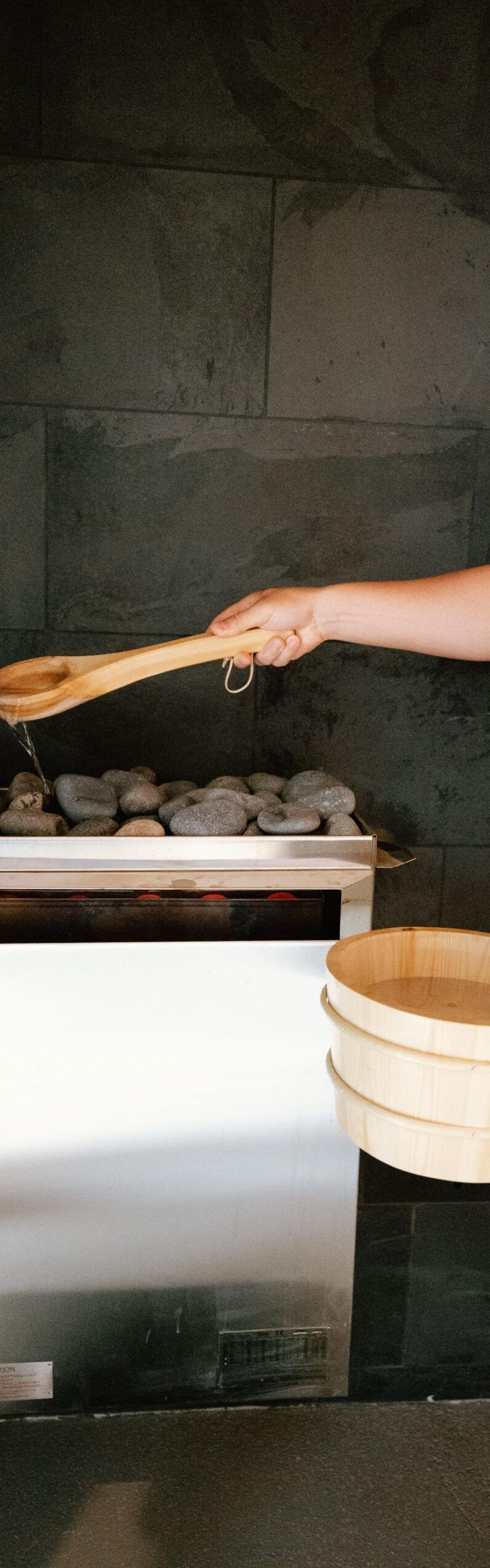
Nordic-inspired contrast therapy studio featuring a 194º F dry sauna and 50º F cold plunge pool, with Scandinavian bucket showers and communal lounge areas for group or private sessions.
Cold plungeInfrared sauna
02
Blissful Waters Float Center
Spring, TX
5.0· 645 Google reviews
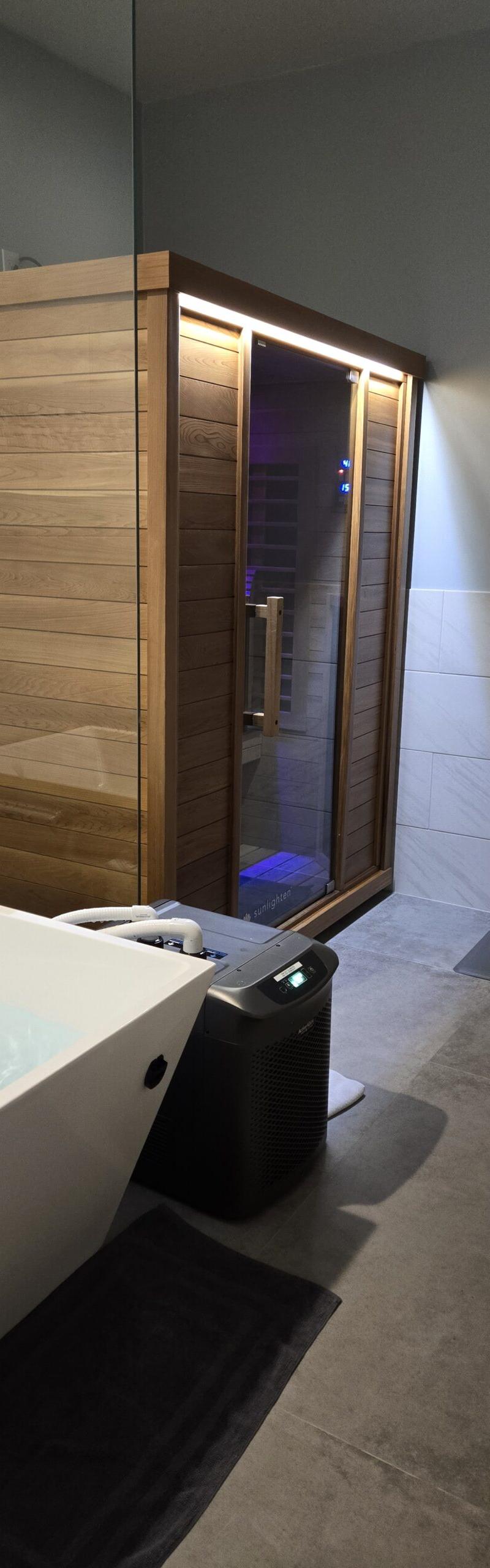
Float and recovery wellness center featuring sensory-deprivation float therapy, infrared sauna, cold plunge, and PEMF modalities for stress relief and nervous system balance.
Float therapyInfrared saunaCold plungeRed light therapy+1
03
Huemn Optimization + Cryo Recovery
Vintage Park · Houston, TX
5.0· 599 Google reviews
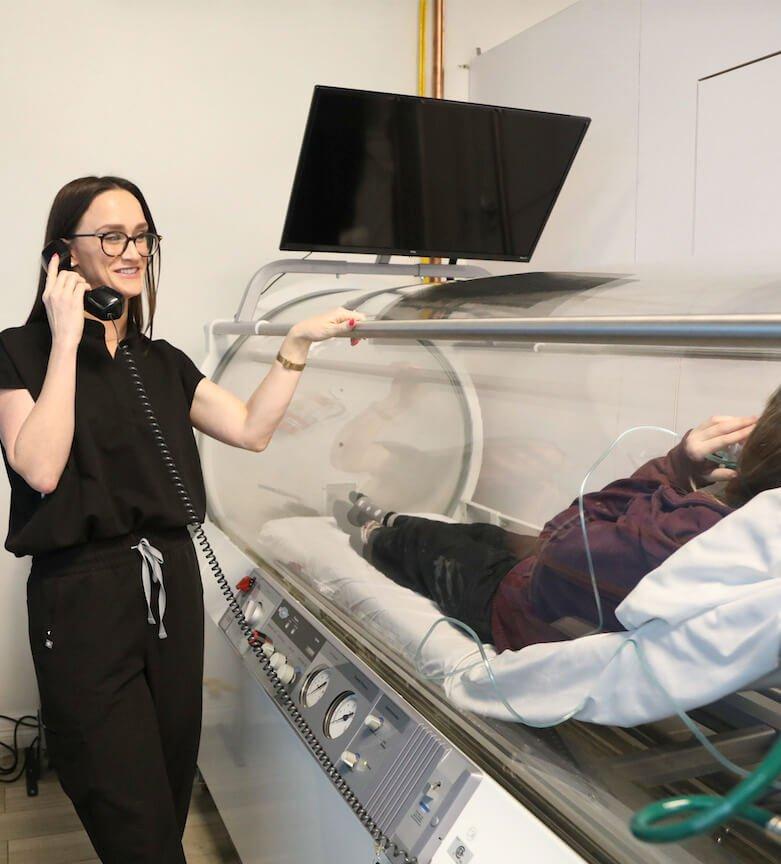
Functional medicine in Houston at Huemn.
Cold plungeCryotherapyInfrared saunaRed light therapy+5
04
Restart Longevity Spa
Lewisville, TX
5.0· 534 Google reviews
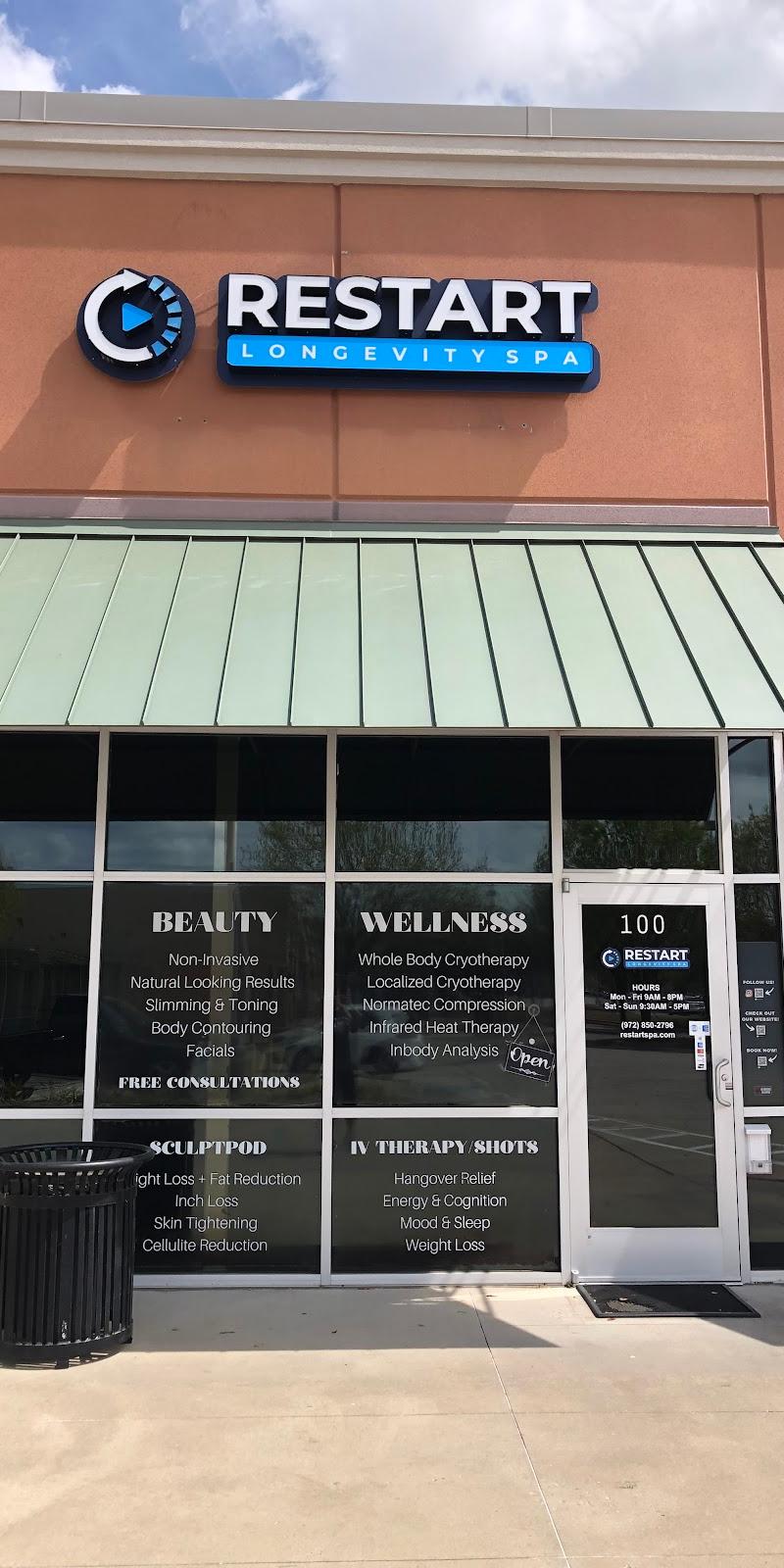
Guided weight loss, real recovery, and longevity care at Restart Lewisville.
CryotherapyInfrared saunaCold plungeCompression therapy+3
05
PLUNJ Provo
Provo, UT
5.0· 530 Google reviews
Nordic-inspired contrast therapy studio combining sauna and cold plunge experiences to help you feel better.
Cold plungeInfrared sauna
Questions
Frequently asked questions
Should I do cold plunge before or after sauna?
Both orders are used. Finishing on cold leaves you energized and alert; finishing on heat is more relaxing and better for winding down before sleep. There's no single 'correct' order: it depends on your goal.
Is infrared sauna or cold plunge better for muscle recovery?
They help differently. Cold reduces acute soreness and inflammation immediately after hard training; heat supports circulation and relaxation. Many athletes use cold right after intense sessions and heat on rest days.
Can I do both on the same day?
Yes: alternating them (contrast therapy) on the same day is common and is the basis of most recovery-studio protocols.
References
- Efficacy of Waon therapy for fibromyalgia
- The effects of repeated thermal therapy for patients with chronic pain
- Waon Therapy for Managing Chronic Heart Failure: results from the multicenter prospective randomized WAON-CHF study
- Non-acute effects of passive heating interventions on cardiometabolic risk and vascular health: systematic review and meta-analysis of randomized controlled trials
- Clinical Effects of Regular Dry Sauna Bathing: A Systematic Review
- Far-infrared saunas for treatment of cardiovascular risk factors: summary of published evidence
- Cold-water immersion (cryotherapy) for preventing and treating muscle soreness after exercise
- Effects of cold-water immersion on health and wellbeing: A systematic review and meta-analysis
- Post-exercise cold water immersion attenuates acute anabolic signalling and long-term adaptations in muscle to strength training
Keep exploring
The full guides
More head-to-heads
Cryotherapy vs cold plunge →PEMF vs red light therapy →Hyperbaric oxygen vs red light therapy →Contrast therapy vs cold plunge →Infrared sauna vs red light therapy →Cryotherapy vs infrared sauna →Compression therapy vs cold plunge →Float therapy vs red light therapy →Infrared sauna vs halotherapy →IV hydration vs hyperbaric oxygen →Contrast therapy vs cryotherapy →PEMF vs compression therapy →