Loading…
Modality comparison
Red light therapy vs cryotherapy: warm photons or a fast freeze?
Both get used for recovery and inflammation, but they sit at opposite ends of the spectrum: one stimulates your cells with light, the other shocks your body with extreme cold. Here's how red light therapy and cryotherapy actually compare.
Quick verdict
Choose red light therapy if…
Red light therapy is popular with people seeking skin improvements (anti-aging, acne, collagen support), athletes managing muscle soreness or joint pain, and individuals exploring recovery and wellness optimization.
Red light therapy guide →Choose cryotherapy if…
Cryotherapy is popular with competitive athletes, active individuals managing post-workout inflammation or chronic joint pain, and people seeking fast-acting wellness interventions.
Cryotherapy guide →| Aspect | Red light therapy | Cryotherapy |
|---|---|---|
| Mechanism | Photons (660nm/850nm) absorbed by mitochondria → increased ATP, less oxidative stress | -200°F nitrogen vapor → vasoconstriction and a norepinephrine spike |
| Session length | 10–20 min | 2–4 min |
| Primary effect | Targeted cellular repair, collagen, local inflammation reduction | Whole-body anti-inflammatory reset and energy boost |
| After-feel | Neutral, no acute sensation; effects accrue over weeks | Alert, energized, sharp |
| Best for | Skin, anti-aging, hair, muscle recovery, joint and surface inflammation | Acute inflammation, soreness, time-efficient cold exposure, energy |
| Typical cost | $20–$60 / session | $50–$100 / session |
The breakdown
What red light therapy does
Red light therapy (photobiomodulation) uses red (660nm) and near-infrared (850nm) wavelengths absorbed by cytochrome c oxidase in your mitochondria, increasing ATP production and reducing oxidative stress in the treated tissue. There's no heat and no acute sensation: the value is targeted, cumulative cellular change.
Its strongest evidence is in the skin: collagen production, wound repair, and acne. The muscle-recovery and joint-pain evidence is growing but more mixed. Sessions are short, painless, cheap, and widely available at studios and as home devices. It's a daily-habit modality where consistency over weeks drives the results.
What cryotherapy does
Whole-body cryotherapy surrounds you in nitrogen vapor cooled to -200°F or below for 2–4 minutes. Skin-surface temperature drops fast, triggering vasoconstriction and a sharp norepinephrine release: the energized 'cryo rush.' Because air conducts heat slowly, the sensation is extreme but your core temperature barely changes.
Its appeal is a fast, whole-body anti-inflammatory and energy reset: no wet gear, under 10 minutes start to finish, and an alert feeling afterward. It's a popular post-training or busy-day tool. Unlike red light therapy, the effect is acute and in-the-moment rather than something that accrues with daily use.
Which to choose by goal
Choose red light therapy when the goal is skin, anti-aging, hair, or cumulative recovery and surface inflammation support: anything where you're willing to invest in a consistent habit for results that build over weeks. It's also the cheaper, more accessible option.
Choose cryotherapy when you want a fast, whole-body anti-inflammatory hit and an energy boost in a few minutes, especially after training or on a tight schedule. It delivers an immediate effect rather than a slow build.
They work through entirely different mechanisms and don't compete. Studios that offer both make it easy to pair them: cryo for a quick energizing reset, red light as your ongoing skin-and-recovery routine.
Try both, decide yourself
Run the experiment yourself
Studios running both red light therapy and cryotherapy — verified partners lead. Book a session of each and let your own recovery decide.
DOC's
Wall, NJ
5.0· 1 Google review
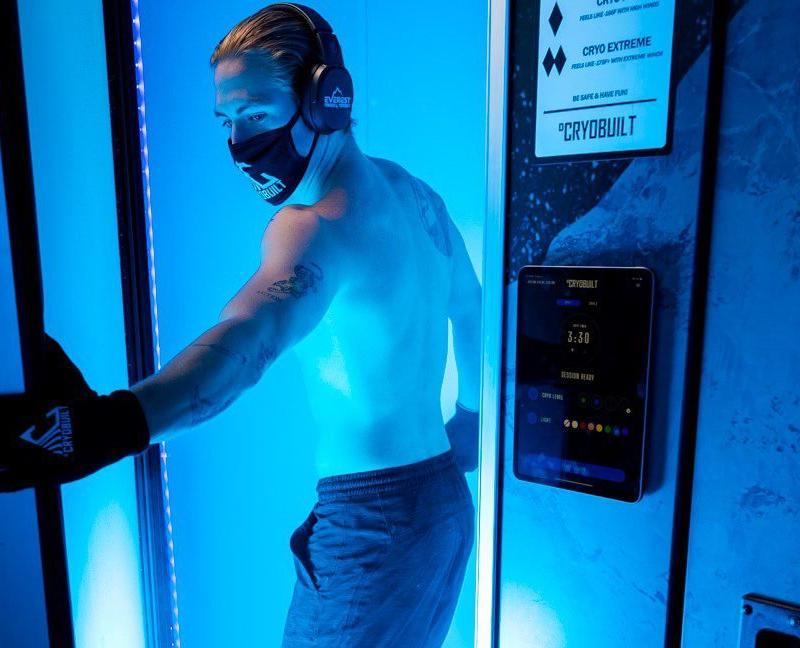
DOC's is a Wall, NJ recovery facility offering innovative holistic therapies for athletic performance and life extension — whole-body cryotherapy, hyperbaric oxygen, Normatec compression, Sunlighten infrared sauna, and Theralight red light.
CryotherapyHyperbaric oxygenCompression therapyInfrared sauna+1
01
Next Health West Hollywood
Sunset Strip · West Hollywood, CA
5.0· 2250 Google reviews
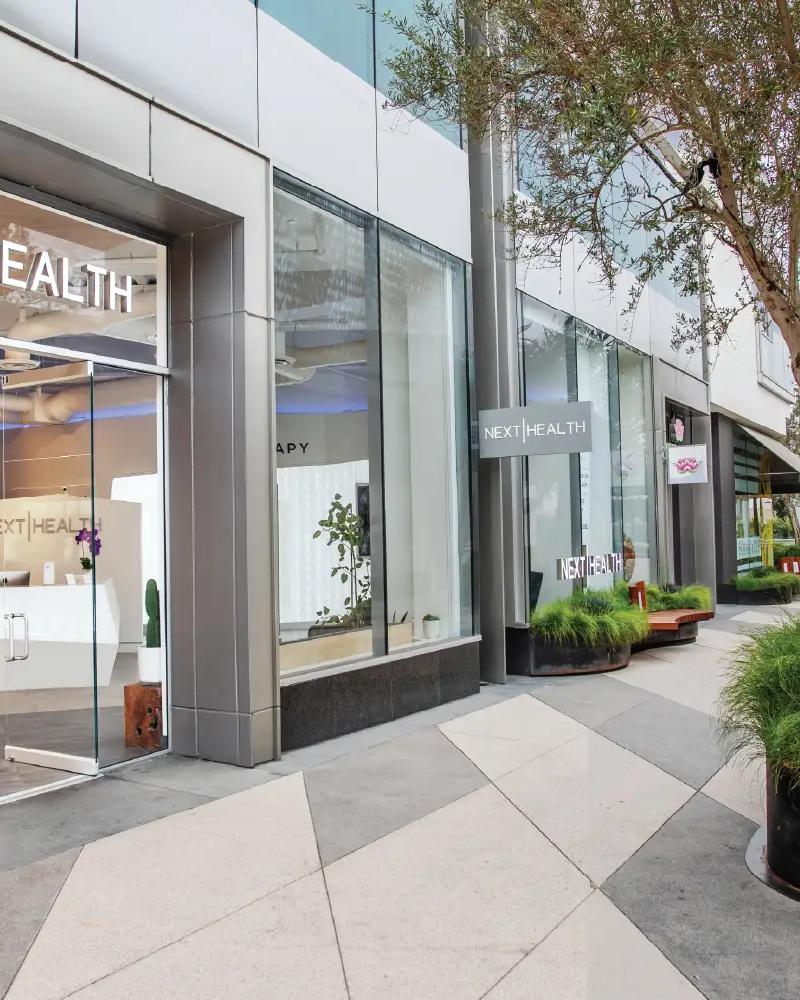
West Hollywood wellness center for NAD+, IV drips, hormone therapy, infrared therapy, hyperbaric oxygen, EBOO ozone & plasma exchange on the Sunset Strip.
CryotherapyHyperbaric oxygenInfrared saunaRed light therapy+1

02
Next Health
Century City · Los Angeles, CA
5.0· 1493 Google reviews
Wellness center in Century City with IV drips, NAD+ infusions, hormone optimization, hyperbaric oxygen, infrared therapy, EBOO ozone & plasma exchange.
CryotherapyIV & hydrationHyperbaric oxygenRed light therapy
03
Next Health Studio City
Studio City Los Angeles, CA
5.0· 1432 Google reviews
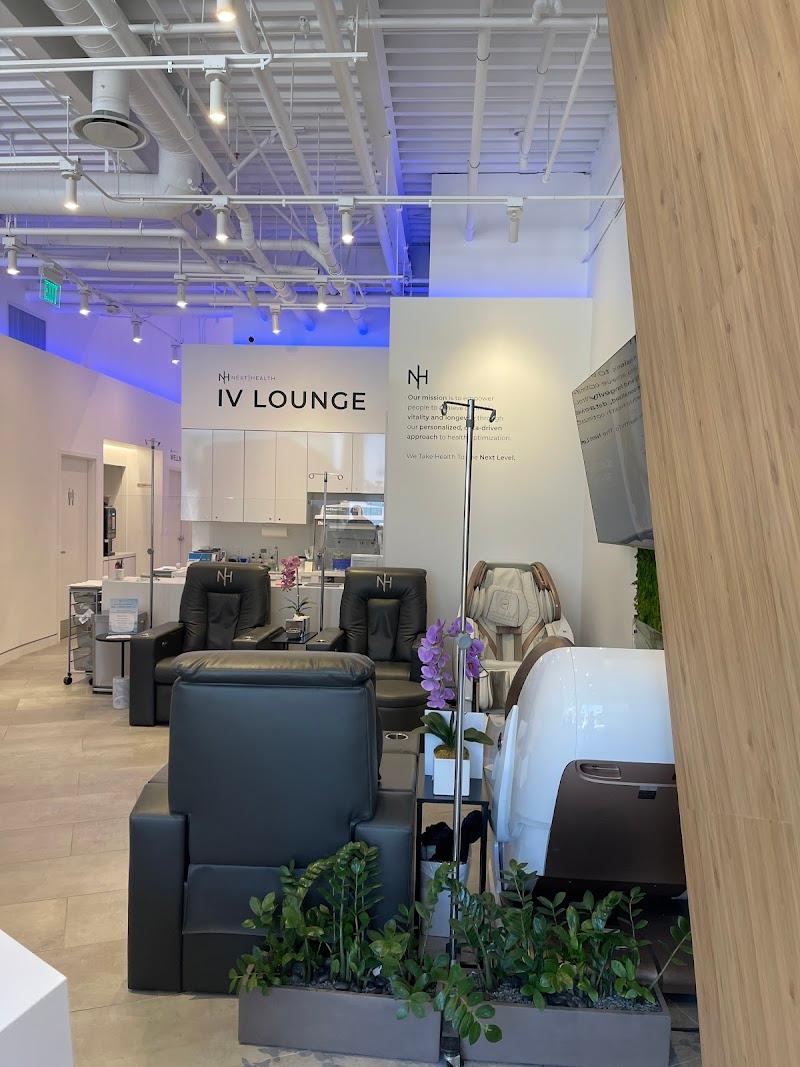
Next Health identifies its Studio City location as a health and wellness center at The Shops at Sportsmen's Lodge.
CryotherapyHyperbaric oxygenIV & hydrationNAD+ IV Infusion+2
04
Next Health
New York, NY
5.0· 1217 Google reviews
Next Health offers IV therapy, cryotherapy, and hyperbaric oxygen treatments at their wellness center on Madison Avenue, specializing in advanced regenerative medicine and longevity optimization.
CryotherapyIV & hydrationHyperbaric oxygenInfrared sauna+1
Questions
Frequently asked questions
Is red light therapy or cryotherapy better for inflammation?
They reduce inflammation differently. Cryotherapy gives a fast, whole-body anti-inflammatory reset that's felt immediately and suits acute soreness. Red light therapy targets local inflammation at the cellular level with effects that build over weeks of consistent use. For an immediate post-training hit, cryo; for ongoing, targeted support, red light therapy.
Can you do red light therapy and cryotherapy on the same day?
Yes: they work through completely different mechanisms (light versus cold) with no contraindication. Some people do cryo for a quick energizing reset and red light as a separate routine. Order isn't critical; what matters most is consistency with red light over time and using cryo when you want its acute effect.
Which is cheaper, red light therapy or cryotherapy?
Red light therapy is typically cheaper ($20–60 per session) and is also widely available as a home device, whereas cryotherapy runs $50–100 per session and requires a specialized chamber. Over time, red light therapy is the more affordable option, especially since it's designed for frequent, consistent use.
References
- Controlled red/NIR skin appearance and collagen-density trial
- High-fluence LED red-light skin safety: two randomized trials
- Low-level laser device for male and female pattern hair loss
- Targeted PBM for symptomatic knee osteoarthritis: positive RCT
- PBM added to strengthening exercise for knee osteoarthritis: null RCT
- Mixed-wavelength PBM after eccentric exercise: positive RCT
- 808 nm PBM before exercise: null crossover RCT
- PBM for high-dose-methotrexate oral mucositis: phase II RCT
- Impact of different cryotherapy interventions on post-exercise acute delayed-onset muscle soreness, athletic performance, and inflammatory biomarkers: a systematic review and network meta-analysis
- Whole-body cryotherapy can reduce the inflammatory response in humans: a meta-analysis based on 11 randomized controlled trials
- Is whole-body cryostimulation an effective add-on treatment in individuals with fibromyalgia and obesity? A randomized controlled clinical trial
- Efficacy of whole-body cryotherapy as add-on therapy to pharmacological treatment of depression: a randomized controlled trial
Keep exploring
The full guides
More head-to-heads
Infrared sauna vs cold plunge →Cryotherapy vs cold plunge →PEMF vs red light therapy →Hyperbaric oxygen vs red light therapy →Contrast therapy vs cold plunge →Infrared sauna vs red light therapy →Cryotherapy vs infrared sauna →Compression therapy vs cold plunge →Float therapy vs red light therapy →Infrared sauna vs halotherapy →IV hydration vs hyperbaric oxygen →Contrast therapy vs cryotherapy →