Loading…
Modality comparison
Float therapy vs red light therapy: two very different reasons to lie still
Both ask you to relax and do nothing for a while, but a float tank and a red light panel are chasing different outcomes. One quiets your nervous system; the other works at the cellular level. Here's how to tell which fits your goal.
Quick verdict
Choose float therapy if…
Float therapy is well-suited to people managing high stress, anxiety, or chronic pain, as well as anyone seeking a deep meditative experience without prior meditation training.
Float therapy guide →Choose red light therapy if…
Red light therapy is popular with people seeking skin improvements (anti-aging, acne, collagen support), athletes managing muscle soreness or joint pain, and individuals exploring recovery and wellness optimization.
Red light therapy guide →| Aspect | Float therapy | Red light therapy |
|---|---|---|
| What it is | Floating in skin-temperature water saturated with Epsom salt, in a quiet, dark tank | Lying near LEDs emitting red (660nm) and near-infrared (850nm) light |
| Primary effect | Deep nervous-system downregulation, sensory rest, mental calm | Mitochondrial stimulation, increased ATP, reduced local inflammation |
| Session length | 60–90 min | 10–20 min |
| Best for | Stress, anxiety, mental reset, sleep, chronic pain relief | Skin, anti-aging, hair, muscle recovery, surface inflammation |
| After-feel | Calm, spacey, deeply rested | Neutral, no acute sensation; effects accrue over weeks |
| Typical cost | $60–$100 / session | $20–$60 / session |
The breakdown
What float therapy does
Float therapy (floatation REST, Reduced Environmental Stimulation Therapy) puts you in a tank of water heated to skin temperature and saturated with hundreds of pounds of Epsom salt, so you float effortlessly. With light, sound, and gravity largely removed, the nervous system has very little to process, and most people drop into a deeply relaxed, sometimes meditative state.
The most consistent reasons people float are stress, anxiety, mental reset, and sleep. Some also use it for chronic pain, since the weightless environment takes load off joints and muscles. It's an experiential, whole-mind modality: the value is in the down-regulation, not in any localized tissue effect.
What red light therapy does
Red light therapy (photobiomodulation) uses specific wavelengths, typically 660nm and 850nm, absorbed by cytochrome c oxidase in your mitochondria, which increases ATP production and reduces oxidative stress in the tissue being treated. There's no heat, no relaxation requirement, and no real sensation during the session.
Its strongest evidence is in the skin: collagen production, wound repair, and acne. The muscle-recovery and joint-pain evidence is growing but more mixed. The point is targeted, cumulative cellular change, not the in-the-moment mental experience a float delivers.
Which to choose by goal
If your goal is stress, anxiety, mental clarity, or sleep, float therapy is the natural fit: it's built around quieting an overloaded nervous system. If your goal is skin health, anti-aging, hair, or muscle recovery, red light therapy is the targeted tool, and it's far quicker and cheaper per session.
They don't really compete: they barely overlap. Some studios offer both, and a float to unwind plus a regular red light habit for skin or recovery is a perfectly reasonable stack rather than an either/or.
Try both, decide yourself
Run the experiment yourself
Studios running both float therapy and red light therapy — verified partners lead. Book a session of each and let your own recovery decide.
01
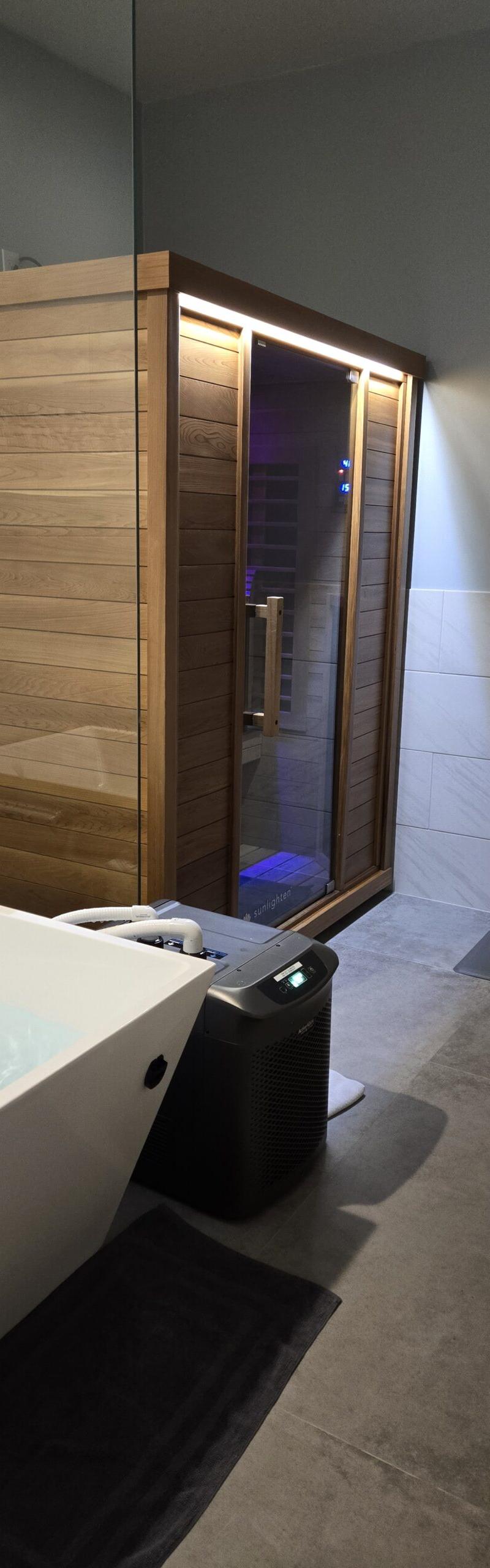
Blissful Waters Float Center
Spring, TX
5.0· 645 Google reviews
Float and recovery wellness center featuring sensory-deprivation float therapy, infrared sauna, cold plunge, and PEMF modalities for stress relief and nervous system balance.
Float therapyInfrared saunaCold plungeRed light therapy+1
02
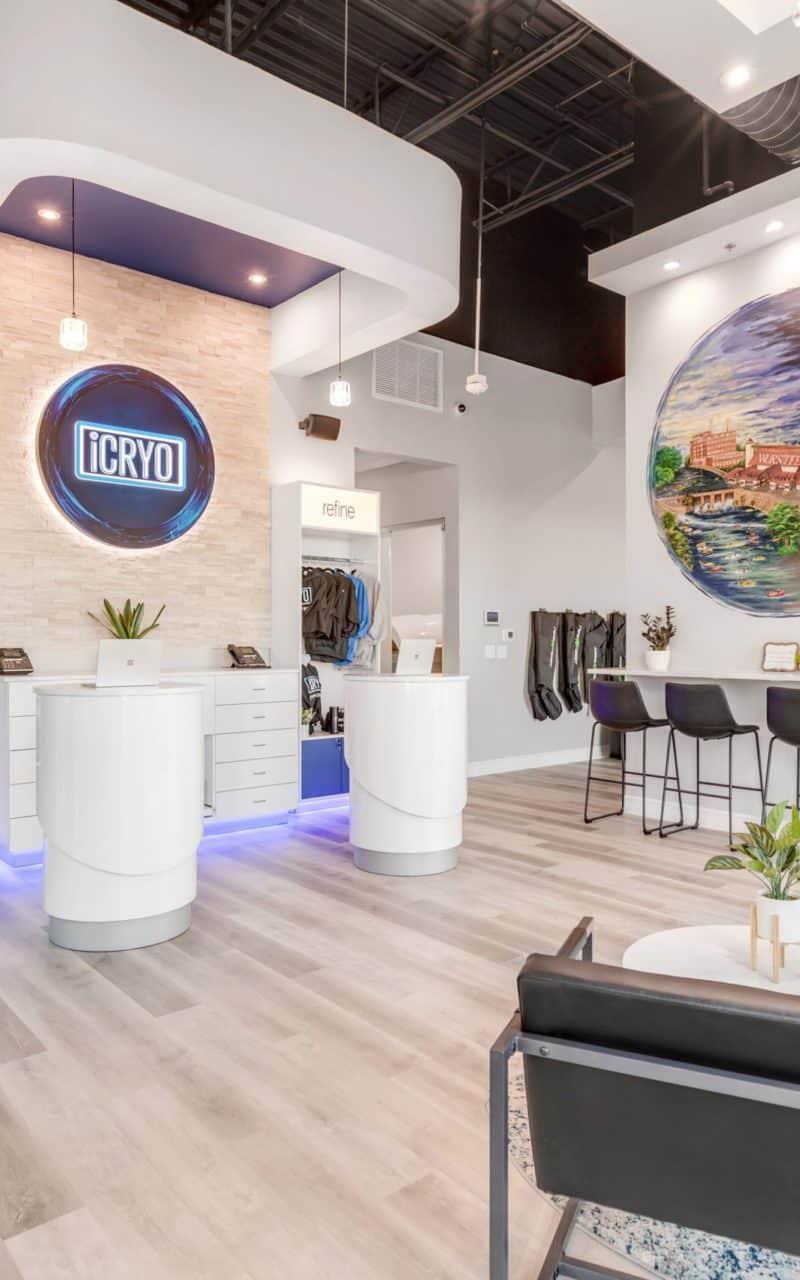
iCRYO Westminster
Orchard Town Center · Westminster, CO
5.0· 517 Google reviews
iCRYO Westminster is a recovery and wellness center offering cryotherapy, red light therapy, infrared sauna, compression, IV drip, and hyperbaric oxygen therapy.
CryotherapyRed light therapyInfrared saunaCompression therapy+3
04
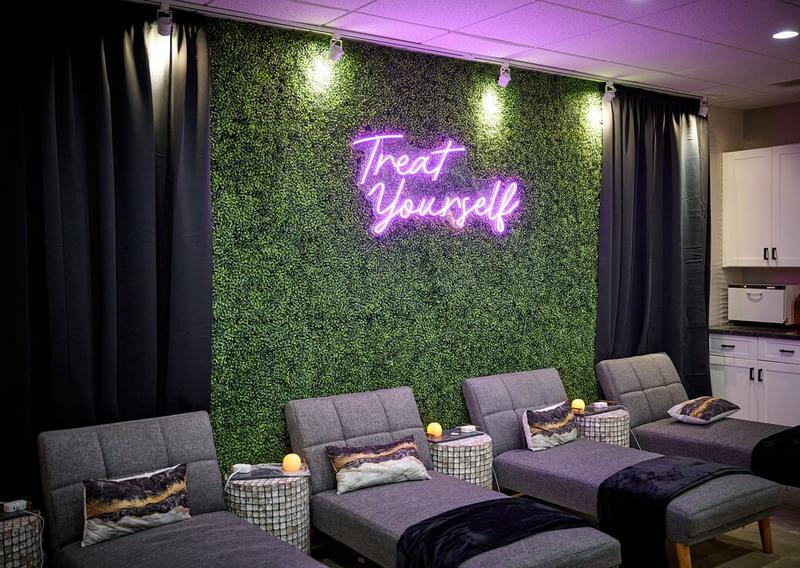
Therapeutic Massage & Wellness, LLC.
Newtown · Newtown, CT
5.0· 469 Google reviews
Day Spa in Newtown, CT Therapeutic Massage & Wellness
Cold plungeRed light therapyFloat therapyCompression therapy+1

05
The Well VB
Virginia Beach, VA
5.0· 362 Google reviews
The Well VB is a Virginia Beach wellness spa with private contrast rooms (infrared sauna plus cold plunge), sensory-deprivation float pods, red light therapy, assisted stretch, and lymphatic drainage.
Contrast therapyInfrared saunaCold plungeFloat therapy+3
Questions
Frequently asked questions
Is float therapy or red light therapy better for stress?
Float therapy is the stronger choice for stress and anxiety: the whole modality is designed to reduce sensory input and down-regulate the nervous system. Red light therapy isn't a relaxation tool; its effects are cellular and cumulative, aimed at skin, recovery, and inflammation rather than in-the-moment calm.
Can you do float therapy and red light therapy on the same day?
Yes: they work through entirely different mechanisms and have no contraindication together. A common pattern is a quick red light session for skin or recovery and a longer float to unwind. Order doesn't matter much; consistency with red light and regularity with floating matter more.
Which is cheaper, floating or red light therapy?
Red light therapy is typically cheaper per session ($20–60) and much shorter (10–20 minutes). Float therapy runs $60–100 for a 60–90 minute session. They're priced differently because they deliver different things: a longer experiential reset versus a quick targeted session.
References
- A systematic review of flotation-restricted environmental stimulation therapy (REST)
- Promising effects of treatment with flotation-REST as an intervention for generalized anxiety disorder (GAD): a randomized controlled pilot trial
- A randomized controlled safety and feasibility trial of floatation-REST in anxious and depressed individuals
- Flotation Restricted Environmental Stimulation Therapy for Chronic Pain: A Randomized Clinical Trial
- Effects of Daytime Floatation-REST on Nocturnal Cardiovascular Physiology, Sleep, and Subjective Recovery in Collegiate Student-Athletes
- Controlled red/NIR skin appearance and collagen-density trial
- High-fluence LED red-light skin safety: two randomized trials
- Low-level laser device for male and female pattern hair loss
- Targeted PBM for symptomatic knee osteoarthritis: positive RCT
- PBM added to strengthening exercise for knee osteoarthritis: null RCT
- Mixed-wavelength PBM after eccentric exercise: positive RCT
- 808 nm PBM before exercise: null crossover RCT
- PBM for high-dose-methotrexate oral mucositis: phase II RCT
Keep exploring
The full guides
More head-to-heads
Infrared sauna vs halotherapy →IV hydration vs hyperbaric oxygen →Contrast therapy vs cryotherapy →PEMF vs compression therapy →Lymphatic compression vs compression therapy →Red light therapy vs cryotherapy →Infrared sauna vs cold plunge →Cryotherapy vs cold plunge →PEMF vs red light therapy →Hyperbaric oxygen vs red light therapy →Contrast therapy vs cold plunge →Infrared sauna vs red light therapy →