Recovery protocol

The pre-event priming protocol: getting ready to perform, not to recover

Priming before an event is the opposite job from recovering after one. The goal is to arrive warm, mobile, and primed — not relaxed or deeply cooled. That flips the usual recovery advice: some modalities that excel afterward can hurt performance if used too close to the start. Here's how to prime correctly in the hours before competition.

Cold plungeCompression therapyInfrared saunaPercussion therapyRed light therapy

The protocol, step by step

  1. 01

    Night before: prioritize sleep, keep modalities gentle

    The most valuable pre-event input is a good night's sleep. Keep the evening before low-key: a short, relaxing sauna for wind-down is fine, but avoid anything new, intense, or unfamiliar. Never debut a modality on event eve — the day before competition is not the time to test how your body reacts to something for the first time.

  2. 02

    Morning of: gentle heat or movement to raise core temperature

    A warm, slightly elevated core temperature improves muscle contraction speed and flexibility — the basis of why warm-ups work. Light movement is the primary tool; a brief, gentle sauna can supplement it but should not leave you fatigued or dehydrated. The aim is primed and loose, not sweated-out. Hydrate well afterward.

  3. 03

    30–60 min before: percussion and red light to activate, not fatigue

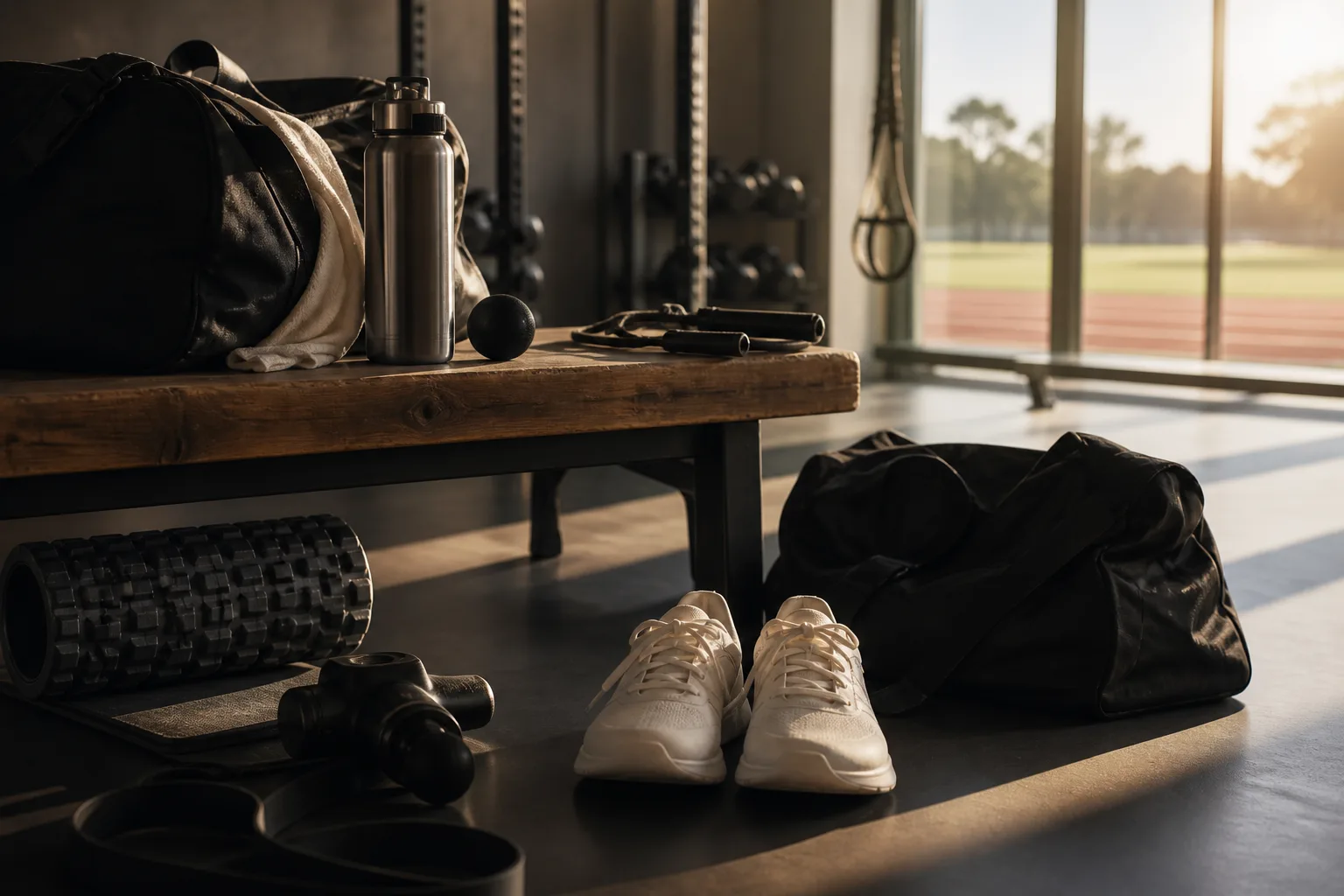
    Short bursts of percussion therapy (around 30 seconds per muscle group, not minutes) can acutely improve range of motion and activation without the strength loss that prolonged deep massage can cause. Red light is a low-stress addition some use for activation. Keep all of it brief — the goal is to switch muscles on, not to work them.

  4. 04

    Avoid: cold plunge and prolonged static work right before power events

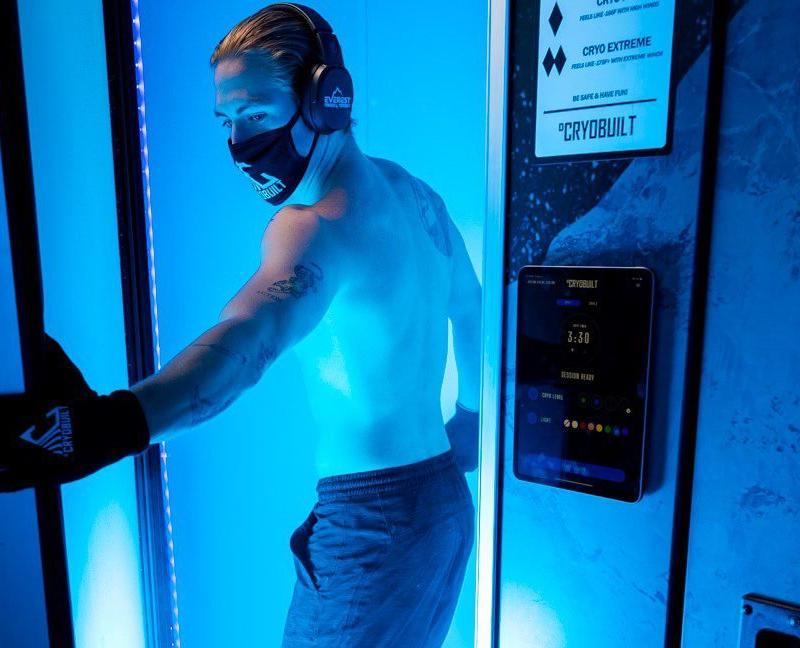
    This is the most important don't. Cold-water immersion shortly before explosive or strength events can reduce muscle temperature and acutely impair power, sprint speed, and force output. Save cold for after the event as a recovery tool, not before as a priming tool. Likewise, avoid long static stretching immediately before power efforts — it can transiently reduce output.

  5. 05

    After the event: compression and cold for recovery

    Once you've competed, the job switches back to recovery. Compression boots support circulation in fatigued legs, and cold plunge or cryotherapy can reduce soreness when another effort is coming within 24–48 hours. This is the right time for cold — afterward, when fast recovery beats long-term adaptation, not before when you need power.

Why pre-event flips the cold advice on its head

Most recovery content treats cold as a hero modality, and after intense or competitive efforts it earns that — it blunts soreness when you need to recover fast. But pre-event, cold becomes a liability. Cooling muscle tissue shortly before an explosive, sprint, or maximal-strength effort reduces muscle temperature, slows contraction velocity, and acutely impairs power output. The same plunge that helps you recover tonight can cost you watts or seconds if you take it an hour before the gun.

The mental model is simple: before an event you want warm, primed, and activated; after an event you want recovery. Heat and brief activation work before; cold and compression work after. Getting the timing wrong — cold before, or a fatiguing sauna too close to the start — is how well-intentioned recovery habits sabotage performance.

Do and don't for the final hours

  • Do: light movement and a gentle core-temperature rise; short percussion bursts (~30s/muscle) for activation; thorough hydration.
  • Do: keep everything familiar — only use modalities you've already tested in training, never something new on event day.
  • Don't: cold plunge or cryotherapy shortly before explosive or strength events — it can impair power.
  • Don't: long static stretching or a fatiguing, sweat-heavy sauna right before the start — save the bigger sessions for after.

Goal-based recovery sequencing, not medical advice — check contraindications with a professional before starting any modality.

Frequently asked questions

Should I cold plunge before a race or competition?

Generally no, not shortly before an explosive, sprint, or strength event. Cooling muscle tissue beforehand reduces muscle temperature and can acutely impair power and force output. Cold is a recovery tool — use it after the event when fast soreness reduction matters, not before when you need warm, primed muscles. The exception is endurance events in extreme heat, where pre-cooling is a specialized, separate strategy.

Is sauna good before a workout or competition?

A brief, gentle sauna can supplement a warm-up by raising core temperature, which supports muscle flexibility and contraction speed. The caution is dose: a long, sweat-heavy session can leave you fatigued and dehydrated, which hurts performance. Keep it short and prioritize active movement as the main warm-up, then hydrate well.

How should I use a massage gun before an event?

In short bursts — roughly 30 seconds per muscle group — to acutely improve range of motion and activation. Avoid prolonged deep percussion right before performance, since extended treatment can transiently reduce strength and power, similar to over-doing static stretching. Brief and activating is the goal pre-event; longer, deeper work belongs in recovery afterward.

Build this protocol into your routine

Take the Protocol Match and get a personalized version with local studios that offer each modality.