Loading…
Recovery protocol
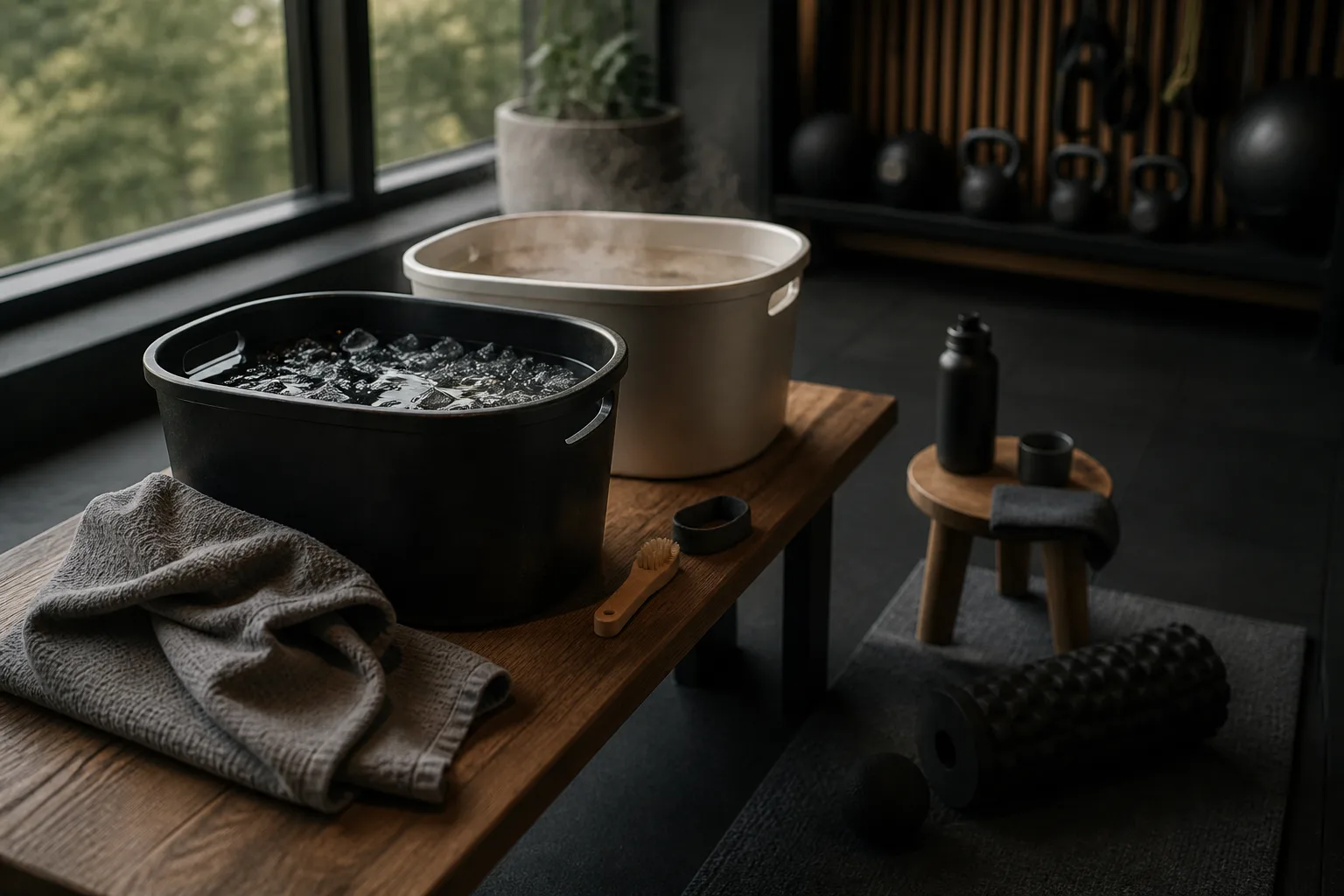
The contrast therapy protocol — rounds, ratios, and whether to end hot or cold
Contrast therapy (alternating heat and cold) is one of the most asked-about recovery methods and one of the least precisely explained. The order, ratio, number of rounds, and which modality you finish on all change the outcome, and some of those choices rest on firmer evidence than others. Here's what you actually need to know.
The visit
Run it as a studio visit
Arrival to departure — every duration is a range plus the rule that moves you within it, never a fixed clock.
Visit envelope
35–69 min
Cadence
Most members settle into one to three contrast sessions a week, spaced out rather than stacked; adapt that with staff based on how you recover, not as a quota. Book a morning or midday slot when you want the cold finish; book evenings to end on heat, timed so the session wraps up at least a couple of hours before bed.
Member checklist
Before your visit
- Drink about 500 ml of water in the hour before you arrive; a full contrast circuit sweats out more than a sauna sit alone.
- Eat something light in the previous couple of hours and skip alcohol today; real heat plus real cold on an empty or alcohol-affected system leaves a lot of people light-headed.
- Decide the goal when you book: morning or midday if you want to walk out sharp on a cold finish, evening if this is a wind-down, and an evening slot should end at least two hours before your bedtime.
- Bring or borrow swimwear and two towels: one for between rounds, one dry for the end.
Member checklist
After your visit
- Rehydrate with water or an electrolyte drink; the circuit pulls a lot of fluid.
- Give yourself 15–20 minutes before driving off into anything intense; heart rate and blood pressure need time to settle after the cycling.
- If you finished on heat for an evening wind-down, keep the rest of the night dim and quiet. That is the point of ending warm.
- Notice how you sleep and how sharp you feel tomorrow, and tell us next visit — that is how we set your round count and your finish.
Station by station
Sauna: opening heat
10–15 minWhere you land in the range
10 minutes for a first visit or anyone new to heat; toward 15 once heat feels familiar. In a traditional hot room, which runs hotter than an infrared cabin, stay toward the short end. This is the longest heat phase of the visit: the later rounds ride on it, so it is not the place to prove anything.
- Temp
- 120–150 °F
Settings basis: published commercial practice
Operator · staff-facing
Staff cue
Confirm the goal before they start: daytime alertness means the last round ends in the plunge, an evening wind-down ends in the heat. Water bottle goes in with them, and first-timers get a knock at the halfway mark. Light-headed or nauseous means out now, seated, water — the circuit can wait.
Screen for — route away if
- pregnancy
- uncontrolled high blood pressure
- cardiac history or arrhythmia
- fever or active illness
- alcohol today
- medication that impairs sweating or heat tolerance
~2 min changeover to the next station
Cold plunge: first cold
3–5 minWhere you land in the range
3 minutes for anyone new to cold; toward 5 once tolerance is established. Keep the rhythm at roughly three minutes of heat for every minute of cold; the contrast between real heat and real cold is the whole stimulus, so a shorter confident plunge beats a long miserable one.
- Temp
- 45–59 °F
Settings basis: published commercial practice
Operator · staff-facing
Staff cue
Quick rinse of the sauna sweat before they get in; it keeps the water clean. First plunge? Two to three minutes is a win, I'll stay close, and getting out early is always the right call. Nobody plunges alone; hard shivering, numb hands, or clumsy movement means time to get out.
Screen for — route away if
- uncontrolled high blood pressure
- cardiac history or arrhythmia
- Raynaud's or cold urticaria
- pregnancy
- fever or active illness
- open wounds
~2 min changeover to the next station
Rounds two and three
13–40 min · 1-2 more rounds, about 3:1 heat to coldWhere you land in the range
One more round is the default — that completes the two-round minimum the circuit needs to deliver its vascular pumping effect. Add a third only once both temperatures feel familiar; on a depleted day, a late booking, or a first visit, stop after round two. The floor here is one shorter round (about 10 minutes heat, 3 cold); the ceiling is two full rounds (15 heat, 5 cold each).
- Temp
- 50–59 °F
Settings basis: operator convention — verify against your device
Operator · staff-facing
Staff cue
Keep the 3:1 rhythm and hand them sips of water between rounds. Confirm the finish before the last round starts: heat for an evening booking, cold if they want to leave sharp. Anyone dragging or dizzy after round two is done for today; a third round is earned across visits, not owed in this one.
Screen for — route away if
- light-headedness, nausea, or unusual fatigue during the earlier rounds
- pregnancy
- uncontrolled high blood pressure
- cardiac history or arrhythmia
- fever or active illness
~5 min to change and head out
Operator · running this on the floor
Stations at peak
2
running concurrently
When a member asks what this is
“It's the classic hot-and-cold circuit: a few rounds between the sauna and the plunge, and we set whether you finish warm and wound down or cold and wide awake depending on what your day needs. Most people are done inside an hour.”
This visit is a template a studio reviews and adapts — ranges, order, and screening flex to the equipment and staff on the floor. It is goal-based recovery guidance, not medical advice.
The sequence
The protocol, step by step
Round structure: 2–4 rounds for most people
One round equals one heat session followed by one cold session. Most protocols use 2–4 rounds. Fewer than 2 rounds under-delivers the vascular pumping effect; more than 4 rounds often produces diminishing returns and fatigue rather than recovery. Start with 2 rounds and build from there. The specific round count is practitioner convention, not a dose-tested number from a trial.
Hot:cold ratio: 3:1 is the standard starting point
A 3:1 ratio means 3 minutes of heat for every 1 minute of cold, for example, 15 minutes in the sauna followed by 5 minutes in the cold plunge. Some protocols run longer heat phases (20 min) with shorter cold (3 min). The ratio is meant to cycle blood between core and periphery: the underlying 'vascular pump' mechanism is a plausible, widely taught explanation for contrast effects, but it is not conclusively demonstrated by direct blood-flow measurement, so treat the specific ratio as a sensible starting convention rather than a validated dose.
Temperature targets: real heat and real cold
For meaningful contrast, sauna should reach 150–185°F (65–85°C) and cold plunge should be 50–59°F (10–15°C). Warmer cold or cooler saunas reduce the stimulus. The vasodilation from real heat and vasoconstriction from real cold is the mechanism: that temperature delta is what you're working with.
Finishing: end on cold for alertness, end on heat for sleep
This is the most practically important decision in a contrast session. Ending on cold (your last round finishes in the cold plunge) activates the sympathetic nervous system. You'll feel alert, sharp, and energized. Ending on heat (finishing in the sauna) shifts toward parasympathetic tone: better for wind-down, relaxation, and sleep preparation. Neither is superior; they serve different goals, and the choice follows from the separately-studied acute effects of heat and cold rather than from a trial of the combined finish.
Post-session
Hydrate and allow 15–20 min to normalize
Contrast therapy drives significant fluid and electrolyte loss through sweat. Hydrate with water or an electrolyte drink afterward. Allow 15–20 minutes of rest before returning to intense activity: blood pressure and heart rate need time to normalize after the cardiovascular stimulus. If your goal is muscle growth, note that the cold phase of contrast carries the same hypertrophy-timing caveat as cold plunge alone: regular use right after resistance training can blunt long-term strength and size gains, so save contrast sessions for non-lifting days or separate them from lifting by several hours.
The nuance
Contrast therapy vs. just doing cold plunge: what's actually different
Cold plunge alone gives you cold-induced catecholamine release, vasoconstriction, and a soreness-relief effect. What contrast adds is the cyclical vasodilation-vasoconstriction effect: blood vessels act like pumps as you cycle between heat and cold, which many practitioners describe as improving circulation throughout the body ('training the vasculature'). That mechanism is plausible and widely taught, but direct evidence of meaningful blood-flow flux from the cycling itself is limited, so treat it as a reasonable working theory rather than an established fact. Heat also induces heat-shock proteins, a commonly cited research finding tied to sauna's proposed role in cellular stress-resistance and repair, adding a distinct mechanism beyond what cold alone provides.
For pure acute soreness reduction, cold plunge alone is faster and simpler, and the meta-analytic evidence for contrast doesn't show it beating cold alone or other recovery methods outright. For broader recovery, performance adaptation, and the circulation benefit, contrast therapy earns its extra time on plausible mechanism and modest positive trial data, even if the trials behind that data carry a high risk of bias.
Sleep vs. performance: choosing your finishing modality
- Finish on cold if: it's a morning or midday session, you need to be alert and functional afterward, or you're building cold tolerance over time.
- Finish on heat if: it's an evening session, sleep quality is your primary goal, or you're doing contrast as part of a wind-down protocol.
- When in doubt, finish on heat: the parasympathetic benefit of heat-ending is generally harder to replicate than the alertness benefit of cold-ending.
What's evidence and what's convention
What's solid here: the acute autonomic effects of heat and cold individually, and a meta-analysis showing contrast beats passive rest on soreness and strength-loss measures (with high risk of bias noted by the reviewers). What's convention: the specific round count, the 3:1 ratio, and the exact multi-modality ordering, none of which have been tested against alternatives in a trial of the combined protocol. The vascular-pump explanation for why contrast works is plausible and mechanistically consistent with the individual heat and cold literatures, but it remains a proposed mechanism, not a demonstrated one.
Goal-based recovery sequencing, not medical advice — check contraindications with a professional before starting any modality.
Where to run it
Where to find these modalities
Studios offering the modalities in this sequence — check each menu for the full stack.
2060
studios with these modalities
DOC's
Wall, NJ
5.0· 1 Google review
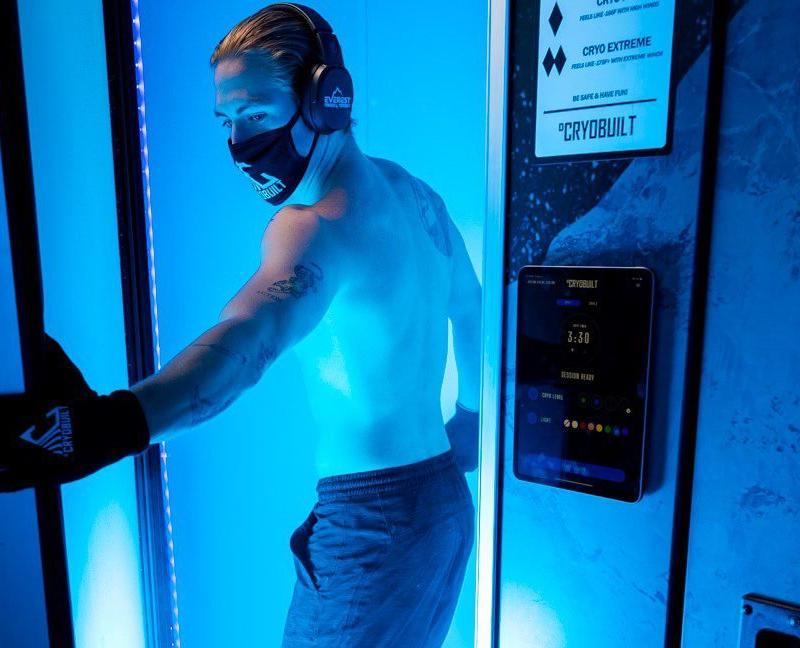
DOC's is a Wall, NJ recovery facility offering innovative holistic therapies for athletic performance and life extension — whole-body cryotherapy, hyperbaric oxygen, Normatec compression, Sunlighten infrared sauna, and Theralight red light.
CryotherapyHyperbaric oxygenCompression therapyInfrared sauna+1
01
Next Health
West Hollywood, CA
5.0· 2291 Google reviews
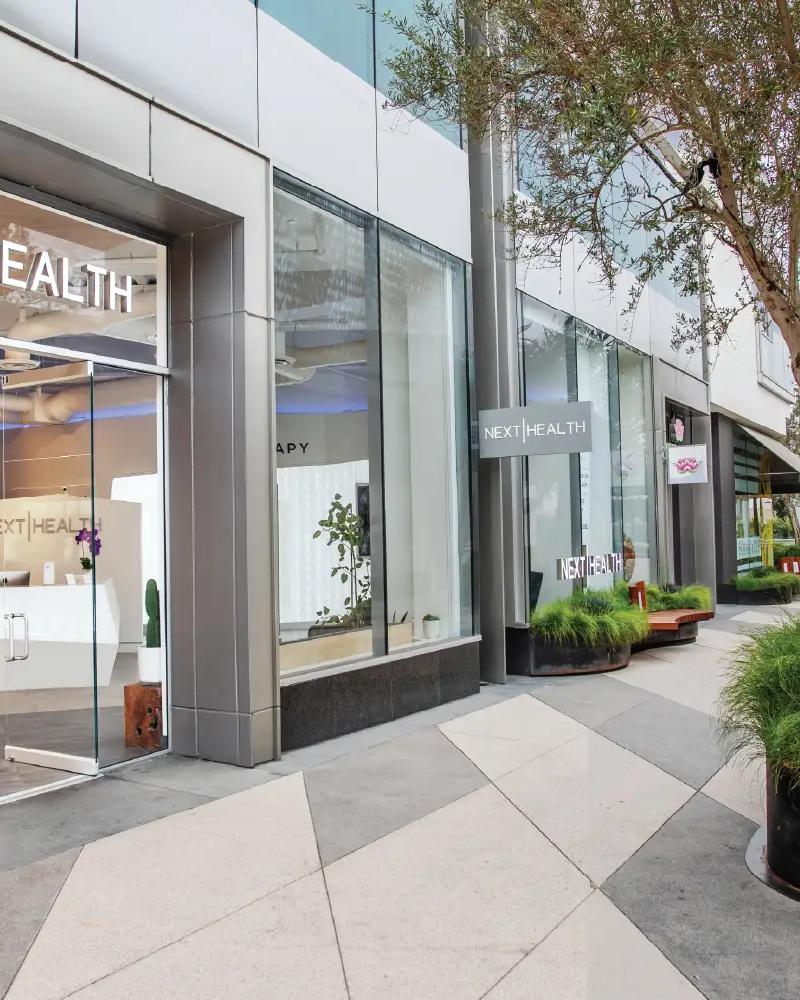
Next Health is a health and wellness center at The Sunset on Sunset Boulevard in West Hollywood.
IV & hydrationIV Hydration / Vitamin (Myers-type) TherapyCryotherapyHyperbaric oxygen+3
02
Next Health West Hollywood
Sunset Strip · West Hollywood, CA
5.0· 2250 Google reviews
West Hollywood wellness center for NAD+, IV drips, hormone therapy, infrared therapy, hyperbaric oxygen, EBOO ozone & plasma exchange on the Sunset Strip.
CryotherapyHyperbaric oxygenInfrared saunaRed light therapy+1
03
Next Health
New York, NY
5.0· 1217 Google reviews
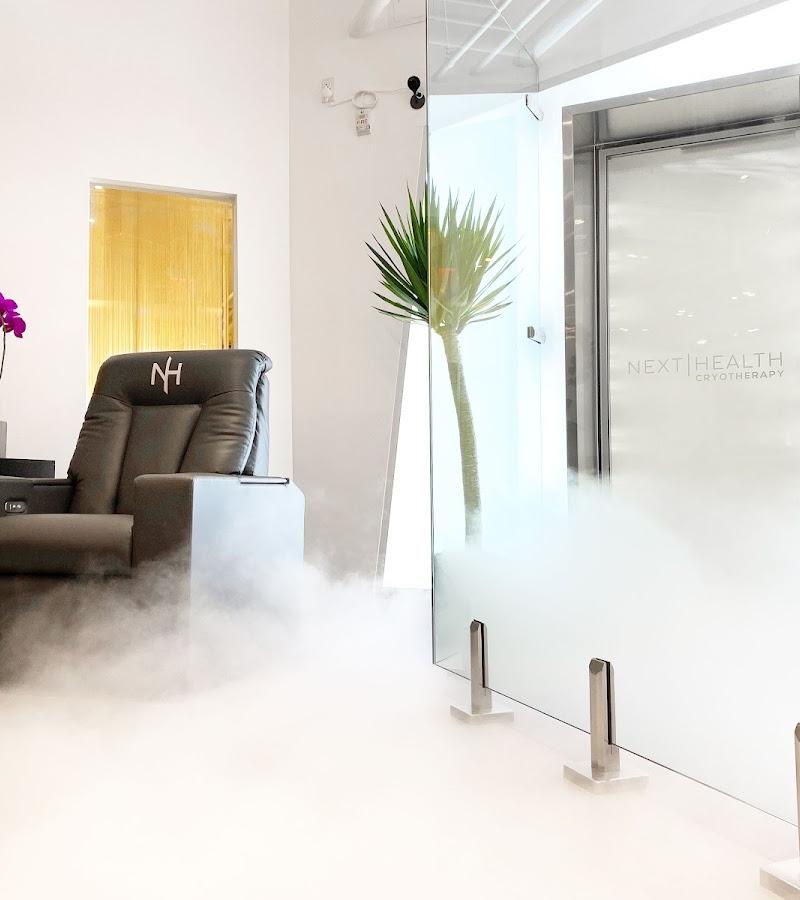
Next Health offers IV therapy, cryotherapy, and hyperbaric oxygen treatments at their wellness center on Madison Avenue, specializing in advanced regenerative medicine and longevity optimization.
CryotherapyIV & hydrationHyperbaric oxygenInfrared sauna+1

04
Restore Hyper Wellness
Houston, TX
5.0· 1168 Google reviews
Restore Hyper Wellness is a wellness studio in West University, Houston, at 2715 Bissonnet St., Suite 140.
CryotherapyRed light therapyInfrared saunaCompression therapy+4
Questions
Frequently asked questions
In what order do I use sauna, cold plunge, and red light therapy?
For a contrast session, start with sauna (heat), then cold plunge: that's the natural contrast order. Red light therapy fits best either before (as a tissue warm-up; it doesn't impair the subsequent thermal response) or after the full session (once your body has normalized). Avoid inserting red light between contrast rounds; treat it as outside the heat/cold cycle. None of this exact multi-modality order has been tested head-to-head in a trial; it follows from each modality's separate literature and from practical session design.
Do you end contrast therapy on hot or cold for sleep vs. recovery?
For sleep, end on hot. Heat raises core temperature and the subsequent natural drop triggers sleep onset; ending on cold activates the sympathetic nervous system at exactly the wrong time. For daytime recovery or pre-activity performance, ending on cold gives you a norepinephrine lift and invigorating closure. The hot-last vs. cold-last choice is genuinely goal-specific, though it is also largely traditional: no comparative trial has tested finish-order against the outcomes it's meant to produce, so treat this as sound physiological reasoning rather than a validated finding.
How does contrast therapy compare to just doing a cold plunge?
Cold plunge alone is faster, simpler, and best supported for short-term perceived soreness relief. Contrast therapy adds the vasodilation-vasoconstriction cycling that practitioners describe as improving circulation ('the vascular pump'), though this mechanism is plausible rather than conclusively demonstrated in direct measurement. A meta-analysis of 18 controlled trials found contrast water therapy improved soreness and reduced strength loss versus passive recovery through 96 hours, but all included trials carried a high risk of bias, and contrast did not show clear superiority over other recovery methods like cold alone. With 10 minutes available, cold plunge wins on simplicity. With 45-60 minutes and a goal of broader recovery benefit, contrast therapy is a reasonable, evidence-consistent choice, just not a proven upgrade over cold alone.
For studio operators
Run a studio that offers cold plunge?
Keep exploring around this protocol
Modalities in this protocol
Related reading
The beginner's guide to recovery modalities: what each one does and where to start →Contrast therapy: how to alternate hot and cold, and why the order matters →How to choose a recovery studio: the checklist that actually matters →How often should you cold plunge? Dose, duration, and when more backfires →
Other protocols
The post-workout recovery protocol →The sleep optimization protocol →The longevity stack →The athlete recovery protocol →The biohacker starter stack →Post-surgery recovery →The inflammation protocol →The morning routine protocol →The jet lag recovery protocol →The desk worker recovery protocol →The immune support protocol →The stress and burnout protocol →
Build this protocol into your routine
Take the Protocol Match and get a personalized version with local studios that offer each modality.