Recovery protocol

The jet lag recovery protocol: resetting your body clock with cold, heat, and light

Jet lag is a circadian-timing problem, not a tiredness problem — your internal clock is still on the old timezone. Recovery modalities can help, but only if you time them to the destination clock. Used at the wrong hour they make jet lag worse. Here's how to sequence them to shift faster.

Cold plungeFloat therapyInfrared saunaRed light therapy

The protocol, step by step

  1. 01

    On arrival: switch immediately to destination time

    The single most important step happens before any modality: adopt the local clock for meals, light, and sleep the moment you land. Everything below is timed to destination-local hours, not how your body feels. Modalities accelerate the shift; they don't replace the discipline of living on the new schedule from hour one.

  2. 02

    Destination morning: cold plunge to anchor the new wake time

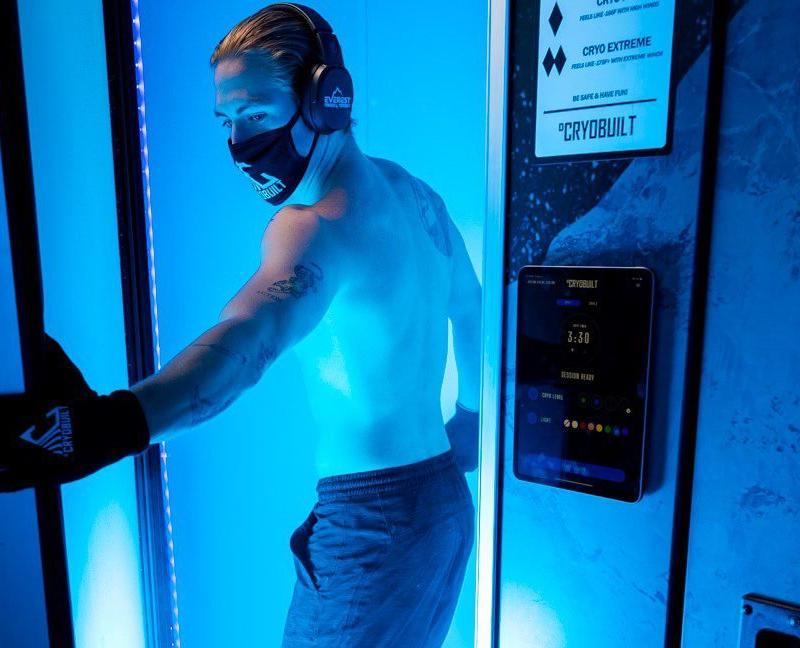
    A morning cold plunge (2–5 min at 50–59°F / 10–15°C) drives a catecholamine and cortisol rise that reinforces 'this is morning' to your body clock. Pair it with bright outdoor light, which is the strongest circadian cue. Cold in the destination morning helps pull your internal clock toward the new wake time.

  3. 03

    Destination evening: sauna 1.5–2 hours before local bedtime

    An infrared sauna session (20–30 min at 130–150°F / 55–65°C) raises core temperature; the subsequent drop mimics the natural pre-sleep temperature decline and reinforces 'this is night.' Finish with natural cool-down, not a cold plunge — cold at night re-activates alertness and works against the new bedtime you're trying to establish.

  4. 04

    Anytime: red light for daytime alertness without blue light

    Red and near-infrared light doesn't suppress melatonin, so a 10–20 minute session is safe at any hour and useful for a low-stress energy lift during destination daytime hours when you're fighting the urge to nap off-schedule.

  5. 05

    Optional: evening float to force a wind-down

    If travel has left your nervous system wired, a 60–90 minute float session in the destination evening provides deep sensory quiet and a strong parasympathetic shift — useful when racing thoughts or travel stress are blocking sleep on the new schedule.

Why timing to the destination clock is the whole game

Jet lag happens because your circadian pacemaker shifts only about an hour per day on its own. The fastest way to speed that up is consistent, correctly-timed cues — light, temperature, meals, and activity delivered at the right destination-local hour. Cold exposure and sauna are powerful temperature and arousal signals, which is exactly why their timing matters so much: a morning plunge says 'wake,' an evening sauna-and-cool-down says 'sleep.' Reverse them and you reinforce the old timezone.

Direction matters too. Traveling east (advancing your clock, harder for most people) means front-loading morning light and morning cold to pull your clock earlier. Traveling west (delaying your clock) means seeking evening light and being more relaxed about a later sleep time. In both cases the modalities serve the same role — amplifying the right cue at the right local hour.

A first-48-hours template (timed to destination local hours)

  • Destination morning: outdoor light + cold plunge (3–5 min) to anchor the new wake time.
  • Destination midday: red light (15 min) for an alertness lift instead of an off-schedule nap.
  • Destination evening, 90–120 min before local bed: infrared sauna (25 min), then natural cool-down — no cold plunge.
  • If wired at bedtime: a float session earlier that evening, or simply a dark, cool room and consistent local sleep time.

Goal-based recovery sequencing, not medical advice — check contraindications with a professional before starting any modality.

Frequently asked questions

Does cold plunging help with jet lag?

It can, if timed to the destination morning. A morning cold plunge reinforces the new wake time through a catecholamine and cortisol rise, especially paired with bright outdoor light. The key is timing: a plunge at destination night re-activates alertness and works against the body-clock shift you want.

Should I sauna before or after flying to beat jet lag?

Most usefully after arrival, in the destination evening, 90–120 minutes before local bedtime. The post-sauna temperature drop reinforces 'this is night' on the new clock. A sauna at the wrong destination hour offers relaxation but doesn't help the circadian shift — and finishing on cold at night is counterproductive.

How long does it take to recover from jet lag with these modalities?

Circadian rhythm shifts roughly an hour per day naturally, and correctly-timed light, temperature, and activity cues can speed that up. Expect a few days for several timezones crossed. Modalities accelerate the adjustment when timed to the destination clock; they don't override the basic biology, and consistent local sleep and light timing matter most.

Build this protocol into your routine

Take the Protocol Match and get a personalized version with local studios that offer each modality.