Recovery protocol

The sleep optimization protocol: how to sequence sauna, cold plunge, and red light for deeper sleep

The most-asked sleep question in the recovery world is also the most mis-answered: should you end your evening routine on heat or cold? The answer depends on what you're trying to do — and the timing window matters more than most guides admit.

Cold plungeFloat therapyInfrared saunaRed light therapy

The protocol, step by step

  1. 01

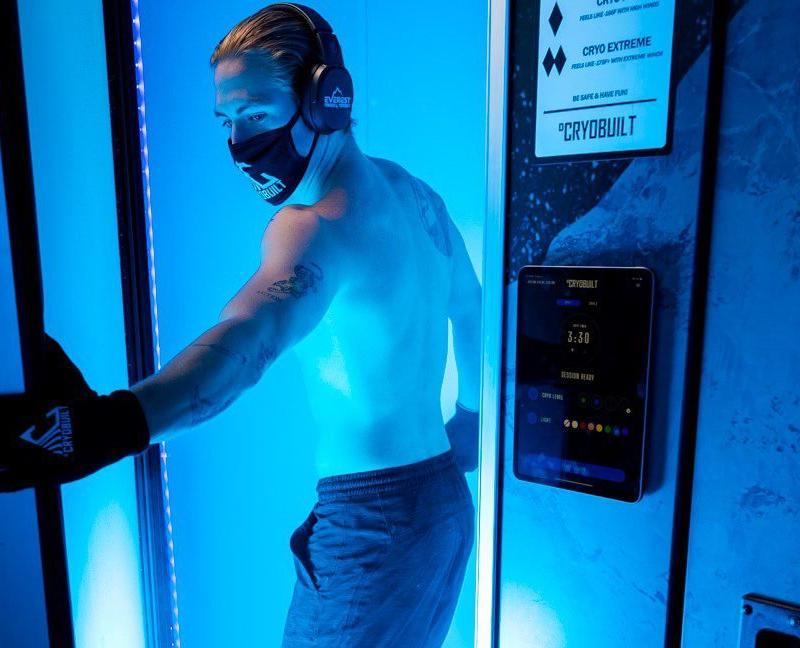
    Morning (if using cold): cold plunge or contrast shower

    Cold exposure drives cortisol and norepinephrine — exactly what you want in the morning. A cold plunge or cold shower early in the day is the most sleep-friendly time to use it. Doing it at night risks disrupting sleep onset by re-activating the sympathetic nervous system.

  2. 02

    Afternoon: red light therapy (any time, safe at night)

    Red and near-infrared light doesn't contain the short-wavelength blue light that suppresses melatonin, so it's safe to use in the evening. A 10–20 minute session supports mitochondrial energy and can be scheduled flexibly around other modalities.

  3. 03

    1.5–2 hours before bed: infrared sauna (20–40 min at 130–150°F / 55–65°C)

    The goal is the temperature drop that follows, not the heat itself. Core body temperature rising then falling mimics the natural drop that cues sleep onset. A 20–40 minute sauna session followed by natural cool-down — not a cold plunge — is the protocol. The bigger the pre-sleep temperature rise, the steeper the subsequent drop, and the stronger the sleep signal.

  4. 04

    Post-sauna: cool down naturally, skip the cold plunge

    Resist the urge to cold plunge right after your evening sauna if sleep is the goal. Cold re-activates the sympathetic nervous system just when you want parasympathetic tone to take over. A room-temperature shower is fine; a 36–60°F cold plunge is counterproductive within 90 minutes of bed.

  5. 05

    Optional evening addition: float therapy (60–90 min)

    Flotation in an Epsom-salt tank is deeply relaxing and supports a shift toward parasympathetic dominance. The sensory quiet and weightlessness are well-suited to the end of a recovery day. Evening float sessions are among the best-matched modalities for a sleep protocol.

Why hot-vs-cold-last is really a timing question, not a preference question

Your core body temperature follows a circadian rhythm — rising slightly in the afternoon and dropping in the evening as a trigger for sleep onset. Modalities that artificially raise core temperature (sauna, hot tub) and then allow it to fall can amplify this signal when timed 90–120 minutes before bed. Modalities that actively cool you down (cold plunge, cryotherapy) provoke cortisol and norepinephrine — the opposite of what you need before sleep.

The practical rule: end on heat for sleep, end on cold for alertness. This applies to both standalone sessions and contrast therapy rounds.

Sleep-by-symptom: which modality fits your sleep problem

  • Trouble falling asleep (sleep onset): infrared sauna 90–120 min pre-bed; avoid cold plunge within 2 hours of sleep.
  • Trouble staying asleep: float therapy and systemic stress-reduction modalities; consistent sauna use has been associated with improved sleep continuity.
  • Unrefreshing sleep after heavy training: compression therapy to reduce systemic soreness; red light in the afternoon for cellular recovery.
  • Jet lag or shift-work disruption: cold plunge in the morning of the new timezone anchors cortisol rhythm; sauna in the evening anchors the temperature-drop cue.

Goal-based recovery sequencing, not medical advice — check contraindications with a professional before starting any modality.

Frequently asked questions

Should I end contrast therapy on hot or cold if my goal is sleep?

End on hot for sleep. Finishing on cold activates the sympathetic nervous system and delays the parasympathetic wind-down your body needs for sleep onset. If you're doing contrast therapy in the evening, make your final round the sauna — not the cold plunge.

Is it better to cold plunge before or after an infrared sauna for sleep?

For an evening sleep protocol, avoid back-to-back sauna-then-cold at night altogether — move your cold plunge to the morning or early afternoon when you want the alertness benefit. If you're doing contrast during the day, the standard order is sauna first, then cold. For evening use, end on heat regardless of the number of rounds.

Can I do sauna and cold plunge on the same day and still sleep well?

Yes — but separate them by time of day. Cold plunge in the morning for its alertness and cortisol benefit; infrared sauna in the evening 90–120 minutes before bed for the temperature-drop sleep signal. Doing both back-to-back right before bed is counterproductive: the cold blunts the temperature-drop effect you're trying to create with the sauna.

Build this protocol into your routine

Take the Protocol Match and get a personalized version with local studios that offer each modality.