Recovery protocol

The stress and burnout protocol: modalities for nervous-system recovery

Chronic stress and burnout are states of nervous-system overdrive — too much sympathetic 'fight or flight,' not enough parasympathetic recovery. The goal of a stress protocol is the opposite of an athletic one: not to add an energizing stressor, but to deliberately down-regulate. That changes which modalities help and exactly when you use them.

Float therapyInfrared saunaPEMFRed light therapy

The protocol, step by step

  1. 01

    Anchor: float therapy (60–90 min) for deep down-regulation

    Flotation in an Epsom-salt tank removes nearly all sensory input — light, sound, gravity, temperature gradient — which strongly supports a shift toward parasympathetic dominance. For an over-aroused, burned-out nervous system, the sensory quiet is the point. A 60–90 minute session, even once weekly, is one of the best-matched modalities for chronic stress.

  2. 02

    Regular: infrared sauna (20–30 min) for relaxation and sleep

    Heat promotes muscular relaxation and a parasympathetic shift, and consistent sauna use is associated with improved sleep — which is often the first casualty of burnout. An evening session at 130–150°F (55–65°C), 90–120 minutes before bed, supports both the immediate wind-down and the sleep that rebuilds stress resilience over time.

  3. 03

    Flexible: red light therapy (10–20 min), safe in the evening

    Red and near-infrared light doesn't suppress melatonin, so it fits into an evening wind-down without disrupting sleep. It's a low-stress, low-arousal modality — appropriate when the explicit goal is to avoid adding stimulation. Useful as a calm, consistent anchor in a stress-recovery routine.

  4. 04

    Optional: PEMF for sleep and tension at low intensity

    PEMF runs at very low, non-thermal intensity and produces no strong physical sensation, which makes it a fitting choice when the goal is calm rather than stimulation. Some protocols target sleep regulation and tension. A 30–60 minute session can slot into an evening routine for those who want an additional gentle, down-regulating layer.

Why cold and intense contrast can backfire when you're burned out

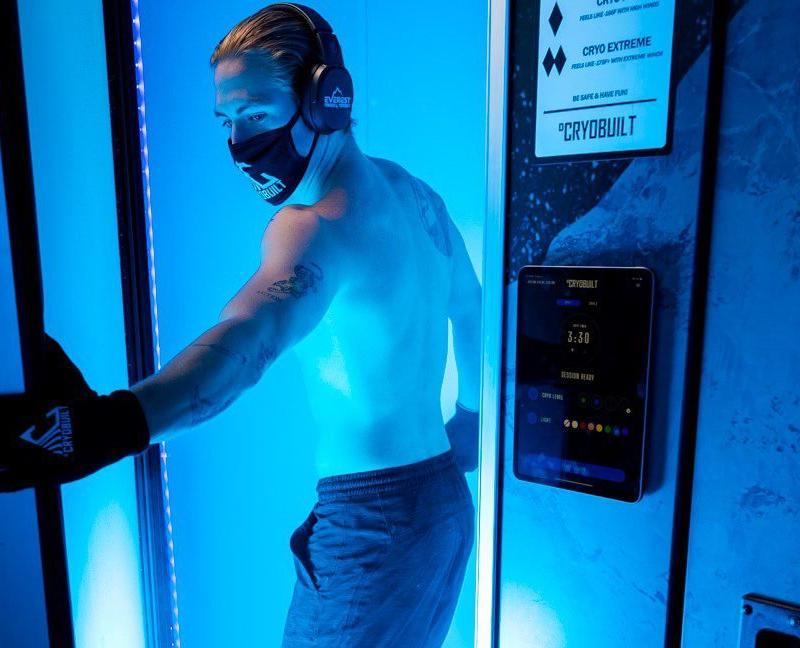
Cold plunge and high-intensity contrast therapy are sympathetic stimuli — they spike norepinephrine and adrenaline. For a healthy, well-recovered person seeking morning alertness, that's a feature. For someone in chronic stress or burnout, whose sympathetic system is already over-activated and whose stress hormones may be dysregulated, adding a large arousal stressor can feel wrong and may worsen the wired-but-tired state. This is the key distinction from a general recovery protocol: when the problem is over-arousal, the solution is down-regulation, not more stimulation.

That doesn't make cold universally off-limits — some people find a brief morning plunge genuinely helps their mood and sense of control. But the emphasis flips. The backbone of a burnout protocol should be the parasympathetic, low-arousal modalities — float, heat, red light — with cold used cautiously, only in the morning, and only if it leaves you feeling better rather than more frazzled.

A weekly nervous-system recovery template

  • 1x/week: float therapy (60–90 min) as the deep-reset anchor.
  • 2–3x/week: evening infrared sauna (20–30 min), 90–120 min before bed, with natural cool-down — not a cold finish.
  • Most evenings: red light (15 min) and/or PEMF as a calm wind-down layer.
  • Cold: optional, morning only, and only if it improves rather than worsens your stress state — skip it on the most depleted days.

Goal-based recovery sequencing, not medical advice — check contraindications with a professional before starting any modality.

Frequently asked questions

Is cold plunging good or bad for stress and burnout?

It's context-dependent. Cold is a sympathetic stimulus — energizing for a well-recovered person, but potentially counterproductive for an already over-aroused, burned-out nervous system that needs down-regulation, not more arousal. If you use it, keep it to the morning and only continue if it leaves you feeling better. For burnout specifically, parasympathetic modalities like float and sauna are a closer fit.

What's the best modality for nervous-system recovery?

Float therapy is among the best-matched — the near-total removal of sensory input strongly supports a parasympathetic shift. Regular evening sauna helps through relaxation and improved sleep, and red light and PEMF add low-arousal, down-regulating layers. The common thread is that they calm rather than stimulate, which is what an over-activated system needs.

When should I use these modalities if I'm stressed and not sleeping?

Weight them toward the evening. An infrared sauna 90–120 minutes before bed supports the temperature drop that aids sleep onset; red light and PEMF fit a calm wind-down without suppressing melatonin; a float session earlier in the evening provides deep down-regulation. Avoid energizing cold exposure at night, since it re-activates alertness exactly when you're trying to wind down.

Build this protocol into your routine

Take the Protocol Match and get a personalized version with local studios that offer each modality.